

Diabetes is one of the fastest-growing health concerns in Pakistan.
Many people live with high blood sugar for years without realizing it until serious complications begin affecting their eyes, kidneys, nerves, or heart.
The good news is that early diagnosis, the right treatment plan, and regular follow-up can help people live long and healthy lives.
If you are looking for a qualified physician to diagnose diabetes, manage blood sugar levels, or prevent complications, this guide explains everything you need to know.
From early warning signs to advanced treatment options, you will discover how diabetes specialists help patients achieve better health while reducing long term risks.
Whether you have recently been diagnosed with diabetes mellitus, have prediabetes, or want to support a family member, this article provides practical, evidence-based information that follows current medical recommendations.
Who is the best sugar doctor in Karachi?
There is no single doctor who is the best for every patient.
The right choice depends on your medical condition, age, type of diabetes, existing complications, and overall health.
A qualified diabetes specialist may include:
- Diabetologist
- Endocrinologist
- Internal medicine specialist
- Consultant physician with diabetes expertise
A good diabetes physician focuses on more than prescribing medicines.
They evaluate lifestyle, nutrition, weight, blood pressure, cholesterol, kidney function, and cardiovascular health before preparing a personalized treatment plan.
When choosing a diabetes expert, look for:
- Experience managing Type 1 and Type 2 diabetes
- Evidence-based treatment approach
- Regular follow-up care
- Patient education
- Access to laboratory testing
- Comprehensive diabetes management
What does a sugar doctor in Karachi do?
A diabetes specialist helps diagnose, treat, monitor, and prevent complications caused by abnormal blood glucose levels.
Their responsibilities include:
- Diagnosing diabetes and prediabetes
- Identifying insulin resistance
- Monitoring HbA1c levels
- Prescribing diabetes medication
- Managing insulin therapy
- Providing diabetic nutrition advice
- Creating weight management plans
- Monitoring diabetic complications
- Educating patients on blood glucose monitoring
- Preventing long-term organ damage
Rather than treating only high blood sugar, experienced physicians evaluate your entire metabolic health.
Which doctor treats diabetes?
Several medical specialists manage diabetes depending on its severity.
Specialist | When to Visit |
General Physician | Initial evaluation and routine diabetes care |
Diabetologist | Long-term diabetes management |
Endocrinologist | Complex diabetes or hormone-related disorders |
Internal Medicine Specialist | Diabetes with multiple health conditions |
Dietitian | Nutrition and meal planning |
Patients with difficult blood sugar control, pregnancy-related diabetes, or insulin pump therapy often benefit from an endocrinologist or diabetologist.
What are the early signs of diabetes?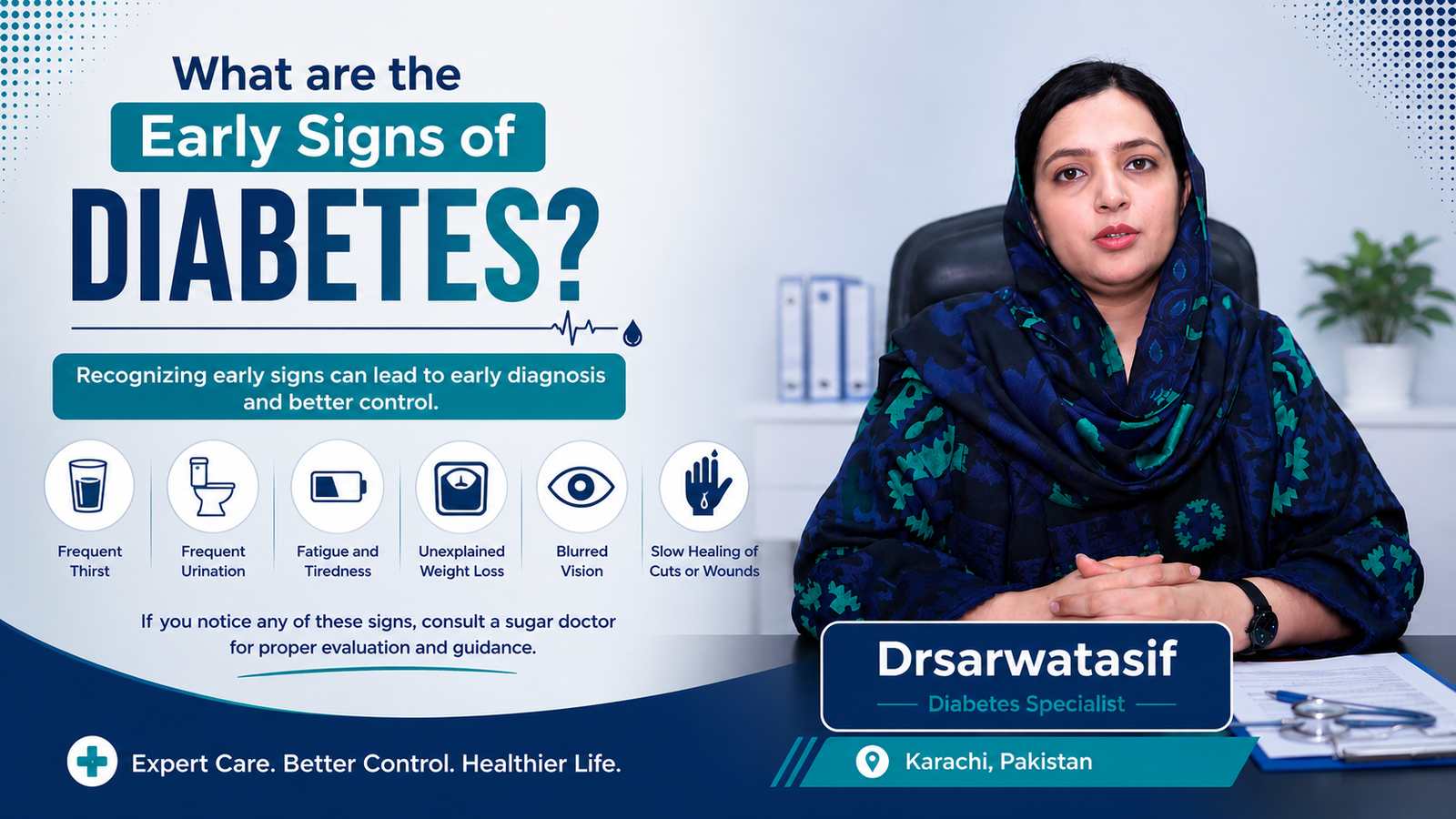
Many patients ignore early symptoms because they develop gradually.
Common warning signs include:
- Frequent urination
- Excessive thirst
- Increased hunger
- Fatigue
- Blurred vision
- Slow wound healing
- Unexplained weight loss
- Tingling sensation
- Numbness in hands and feet
- Recurrent skin or urinary infections
People with prediabetes may have no symptoms at all, making regular diabetes screening especially important.
Quick Featured Snippet
Early diabetes symptoms include:
- Frequent urination
- Constant thirst
- Fatigue
- Blurred vision
- Slow healing wounds
- Weight loss
- Tingling in feet
- Increased hunger
How is diabetes diagnosed?
Doctors use several laboratory tests to confirm diabetes.
The most common tests include:
HbA1c Test
Measures average blood glucose during the previous two to three months.
Fasting Blood Sugar Test
Checks glucose after fasting for at least eight hours.
Random Blood Sugar Test
Measures blood sugar at any time of the day.
Oral Glucose Tolerance Test (OGTT)
Commonly used for gestational diabetes diagnosis.
Continuous Glucose Monitoring (CGM)
A wearable device that tracks blood sugar throughout the day and night.
Early diagnosis allows treatment before complications develop.
What are the different types of diabetes?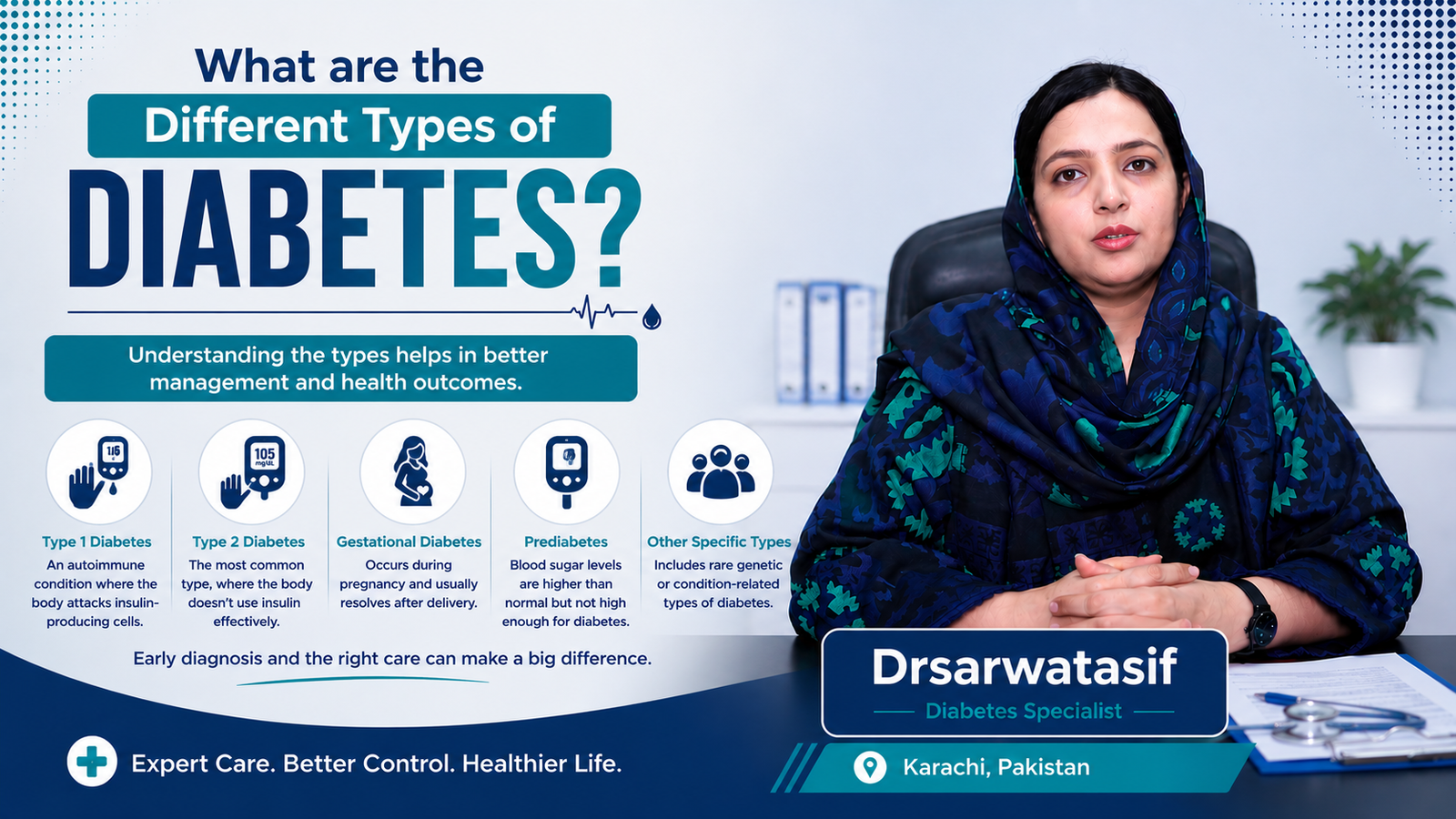
Diabetes is not a single disease.
Type 1 Diabetes
An autoimmune condition where the pancreas produces little or no insulin.
Treatment includes:
- Lifelong insulin therapy
- Blood glucose monitoring
- Healthy eating
- Physical activity
Type 2 Diabetes
The most common form of diabetes.
Risk factors include:
- Obesity
- Family history
- Physical inactivity
- High blood pressure
- Metabolic syndrome
Treatment often combines lifestyle changes with oral diabetes medicines or insulin.
Gestational Diabetes
Occurs during pregnancy.
Proper gestational diabetes care protects both mother and baby while reducing future diabetes risk.
Prediabetes
Blood sugar is higher than normal but not high enough for diabetes.
Lifestyle improvements can often prevent progression.
Can diabetes be controlled permanently?
This is one of the most searched questions online.
The answer depends on the type of diabetes.
- Type 1 diabetes cannot currently be cured.
- Type 2 diabetes can often be controlled effectively.
- Some patients achieve remission through weight loss, healthy eating, and regular exercise.
Even during remission, ongoing medical follow-up remains essential.
How can blood sugar be controlled naturally?
Lifestyle changes remain the foundation of diabetes management.
Eat a balanced diet
Choose:
- Whole grains
- Vegetables
- Lean protein
- Healthy fats
- High fiber foods
Limit:
- Sugary drinks
- Refined carbohydrates
- Processed foods
- Excess sweets
Stay physically active
Aim for at least 150 minutes of moderate exercise each week.
Good options include:
- Walking
- Swimming
- Cycling
- Strength training
Exercise improves insulin sensitivity and supports healthy weight management.
Maintain a healthy weight
Even losing five to ten percent of body weight may significantly improve blood sugar control.
Sleep well
Poor sleep increases insulin resistance and appetite.
Adults should aim for seven to nine hours nightly.
Reduce stress
Stress hormones increase blood glucose.
Helpful activities include:
- Deep breathing
- Prayer
- Yoga
- Meditation
- Relaxation exercises
What treatments are available for diabetes?
Treatment depends on the type and severity of the disease.
Common options include:
Lifestyle Management
- Personalized diabetes diet plan
- Exercise programs
- Weight management
- Smoking cessation
Diabetes Medication
Doctors may prescribe oral hypoglycemic drugs that improve insulin action or reduce glucose production.
Never change medications without medical advice.
Insulin Therapy
Some patients require insulin injections to maintain healthy glucose levels.
Insulin management includes:
- Correct dosage
- Proper injection technique
- Blood glucose monitoring
- Hypoglycemia prevention
Continuous Glucose Monitoring
CGM technology helps patients track glucose trends in real time, allowing faster treatment adjustments.
What complications can uncontrolled diabetes cause?
Poorly controlled diabetes affects nearly every organ.
Major complications include:
Diabetic Neuropathy
Nerve damage causes pain, numbness, or burning sensations.
Diabetic Nephropathy
Kidney damage that may eventually require dialysis.
Diabetic Retinopathy
Damage to blood vessels in the retina can lead to blindness.
Diabetic Foot Problems
Reduced circulation and nerve damage increase the risk of foot ulcers and infection.
Daily foot inspection is essential.
Cardiovascular Disease
Diabetes significantly increases the risk of:
- Heart attack
- Stroke
- High blood pressure
- High cholesterol
Keeping HbA1c, blood pressure, and cholesterol within target ranges lowers these risks.
When should you visit a diabetes specialist?
Seek medical evaluation if you:
- Experience diabetes symptoms
- Have a family history of diabetes
- Are overweight
- Have hypertension
- Have high cholesterol
- Develop gestational diabetes
- Are older than 35 with additional risk factors
- Have abnormal blood sugar test results
Do not wait until complications appear.
Early consultation often prevents long-term health problems.
How often should diabetics visit a doctor?
Visit frequency varies by individual needs.
General recommendations include:
Patient Type | Recommended Follow-Up |
Well-controlled diabetes | Every 3 to 6 months |
Newly diagnosed patients | Every 1 to 3 months |
Patients using insulin | As advised by the physician |
Pregnancy with diabetes | More frequent monitoring |
Regular follow-up allows timely medication adjustments and complication screening.
What mistakes should diabetes patients avoid?
Common mistakes include:
- Skipping medications
- Ignoring HbA1c testing
- Missing follow-up appointments
- Eating excessive sugary foods
- Avoiding exercise
- Smoking
- Ignoring foot care
- Self-adjusting insulin doses
- Waiting until symptoms worsen
Avoiding these mistakes improves long-term outcomes.
What daily habits support long-term diabetes control?
Small daily actions make a significant difference.
Recommended habits:
- Monitor blood glucose regularly.
- Follow your meal plan consistently.
- Stay hydrated.
- Exercise most days of the week.
- Take medications exactly as prescribed.
- Check your feet daily.
- Schedule routine eye and kidney examinations.
- Keep blood pressure and cholesterol under control.
These habits help reduce the risk of serious complications and improve overall quality of life.
Frequently Asked Questions
Who is the best doctor to treat diabetes?
A diabetologist, endocrinologist, or experienced internal medicine physician can diagnose and manage diabetes based on your individual needs.
Which test is most accurate for diagnosing diabetes?
Doctors commonly use the HbA1c test, fasting blood sugar test, random blood sugar test, and OGTT depending on the patient’s condition.
Can Type 2 diabetes be reversed?
Some people achieve remission through significant weight loss, healthy eating, regular exercise, and ongoing medical supervision, although continued monitoring remains necessary.
How often should HbA1c be checked?
Most patients should have an HbA1c test every three months if treatment changes or blood sugar is uncontrolled, and every six months if diabetes is stable.
Can diabetes be prevented?
Many cases of Type 2 diabetes can be delayed or prevented through a healthy diet, regular physical activity, weight management, and routine diabetes screening for high-risk individuals.
Conclusion
Choosing the right sugar doctor in Karachi is an important step toward protecting your long-term health.
Diabetes is a lifelong condition for many people, but it can often be managed successfully with early diagnosis, personalized treatment, healthy lifestyle choices, regular monitoring, and consistent follow-up.
Whether you need guidance for prediabetes, Type 1 diabetes, Type 2 diabetes, or gestational diabetes, working closely with an experienced diabetes specialist can help you achieve better blood sugar control and reduce the risk of complications.
If you notice symptoms or have risk factors, schedule a professional evaluation without delay.