

Digestive health plays a vital role in overall wellness. Whether you have frequent stomach pain, acid reflux, liver concerns, or long-term digestive symptoms, choosing the Karachi’s best gastroenterologist Doctor can help you receive an accurate diagnosis and effective treatment.
A qualified gastroenterologist has the expertise to identify the root cause of digestive disorders and recommend the most suitable care plan.
This comprehensive guide explains what gastroenterologists do, the conditions they treat, and how to choose the right specialist in Karachi.
You will also learn practical tips, expert recommendations, and key factors to consider before booking an appointment.
Featured Snippet: What Is a Gastroenterologist?
A gastroenterologist is a medical doctor who specializes in diagnosing, treating, and preventing diseases affecting the digestive system.
This includes the esophagus, stomach, small intestine, large intestine, liver, gallbladder, pancreas, and rectum.
A Best Gastroenterologist in Karachi helps patients manage conditions such as acid reflux, ulcers, irritable bowel syndrome, hepatitis, fatty liver disease, inflammatory bowel disease, and digestive cancers through medical evaluation, diagnostic procedures, and personalized treatment plans.
What Does a Gastroenterologist Do?
A gastroenterologist focuses on diseases that affect the digestive tract and related organs.
Their work extends beyond treating stomach pain. They evaluate digestive symptoms, interpret laboratory tests, perform diagnostic procedures, and develop treatment strategies that improve long term digestive health.
A Top Gastro Doctor in Karachi commonly performs procedures such as endoscopy and colonoscopy to examine the digestive tract.
These procedures help detect ulcers, inflammation, polyps, bleeding, infections, and early signs of cancer before symptoms become severe.
Many gastroenterologists also manage chronic liver diseases, pancreatic disorders, gallbladder conditions, and nutritional problems linked to digestive illnesses.
Their goal is to improve the quality of life while preventing serious complications.
Why Digestive Health Matters
The digestive system breaks down food, absorbs nutrients, supports immunity, and removes waste from the body.
When any part of this system fails to function properly, it can affect energy levels, nutrition, metabolism, and overall health.
Digestive disorders may begin with mild symptoms such as bloating or heartburn, but can gradually develop into more serious conditions if left untreated.
Early medical evaluation often improves treatment outcomes and reduces the risk of complications.
People should never ignore symptoms that persist for several weeks, especially when they interfere with daily activities or continue despite lifestyle changes.
Signs You Should Visit a Gastroenterologist
- Persistent stomach pain or abdominal discomfort
- Frequent heartburn or acid reflux
- Difficulty swallowing food
- Chronic constipation or diarrhea
- Blood in the stool
- Unexplained weight loss
- Ongoing bloating or excessive gas
- Persistent nausea or vomiting
- Jaundice or yellowing of the eyes and skin
- Family history of colorectal cancer or inflammatory bowel disease
These symptoms do not always indicate a serious illness, but they should be evaluated by a Digestive Health Specialist Karachi to identify the underlying cause as early as possible.
Common Digestive Conditions Treated by Gastroenterologists
Digestive diseases vary from temporary conditions to lifelong disorders that require continuous management.
A Stomach Specialist Doctor in Karachi can diagnose and treat a wide range of digestive problems.
Acid Reflux and GERD
Gastroesophageal reflux disease occurs when stomach acid repeatedly flows into the esophagus. Common symptoms include heartburn, chest discomfort, and sour-tasting fluid in the mouth.
Lifestyle modifications and medication often provide relief, while severe cases may require further evaluation.
Peptic Ulcers
Ulcers develop when the protective lining of the stomach or small intestine becomes damaged.
Infection with Helicobacter pylori bacteria and long-term use of pain-relieving medicines are among the leading causes.
Irritable Bowel Syndrome
Irritable bowel syndrome affects bowel function without causing structural damage.
Patients may experience abdominal pain, constipation, diarrhea, or alternating bowel habits.
Treatment usually combines dietary changes, stress management, and medication.
Inflammatory Bowel Disease
Inflammatory bowel disease includes Crohn’s disease and ulcerative colitis.
These conditions cause chronic inflammation within the digestive tract and require specialized medical management to reduce flare-ups and maintain remission.
Liver Diseases
A Liver and Gastro Specialist in Karachi manages several liver conditions, including fatty liver disease, hepatitis B, hepatitis C, liver cirrhosis, and alcohol related liver disease.
Early diagnosis helps reduce long-term liver damage.
Gallbladder Disorders
Gallstones and gallbladder inflammation often cause pain in the upper right abdomen, especially after meals.
Imaging tests and specialist evaluation determine whether medication or surgery is the most appropriate treatment.
Pancreatic Diseases
Pancreatitis and pancreatic cysts require prompt diagnosis because delayed treatment may increase the risk of complications.
Gastroenterologists work closely with surgeons and radiologists when advanced care is necessary.
Colorectal Polyps and Colon Cancer
Routine colon cancer screening helps detect abnormal growths before they become cancerous.
Colonoscopy remains one of the most effective methods for early detection and prevention.
Comparison of Common Digestive Disorders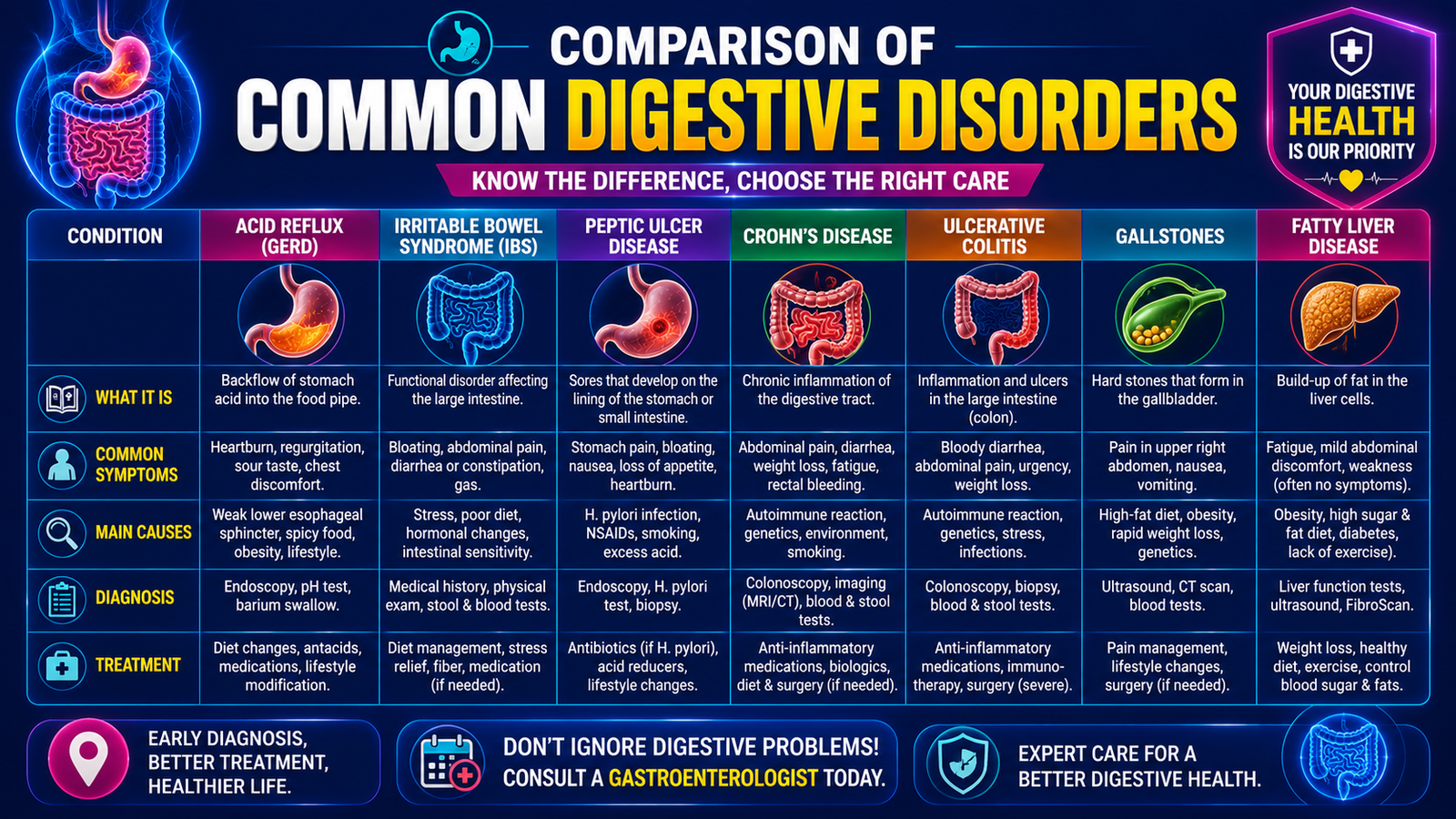
Condition | Common Symptoms | Primary Diagnostic Method | Typical Treatment |
Acid Reflux (GERD) | Heartburn, chest discomfort | Upper endoscopy when needed | Lifestyle changes and medication |
Peptic Ulcer | Burning stomach pain | Endoscopy | Antibiotics if bacterial infection is present, acid reducing medicines |
Irritable Bowel Syndrome | Abdominal pain, constipation, diarrhea | Clinical assessment | Diet modification, medication, stress management |
Fatty Liver Disease | Often, no symptoms, fatigue | Ultrasound and blood tests | Weight management and lifestyle improvement |
Gallstones | Upper abdominal pain after meals | Ultrasound | Observation or gallbladder surgery |
Inflammatory Bowel Disease | Persistent diarrhea, abdominal pain | Colonoscopy with biopsy | Anti-inflammatory medicines and long-term monitoring |
Why Early Diagnosis Makes a Difference
Many digestive disorders begin with symptoms that appear harmless.
Occasional bloating, mild heartburn, or changes in bowel habits are often ignored until they become more severe.
Seeking timely care from the Karachi best gastroenterologist doctor can help detect diseases during their earliest stages, when treatment is usually simpler and more effective.
Early diagnosis also reduces the risk of complications such as bleeding ulcers, advanced liver disease, severe intestinal inflammation, and colorectal cancer.
Regular medical evaluation becomes even more important for people with a family history of digestive disorders or those living with diabetes, obesity, or chronic liver conditions.
How to Choose the Best Gastroenterologist in Karachi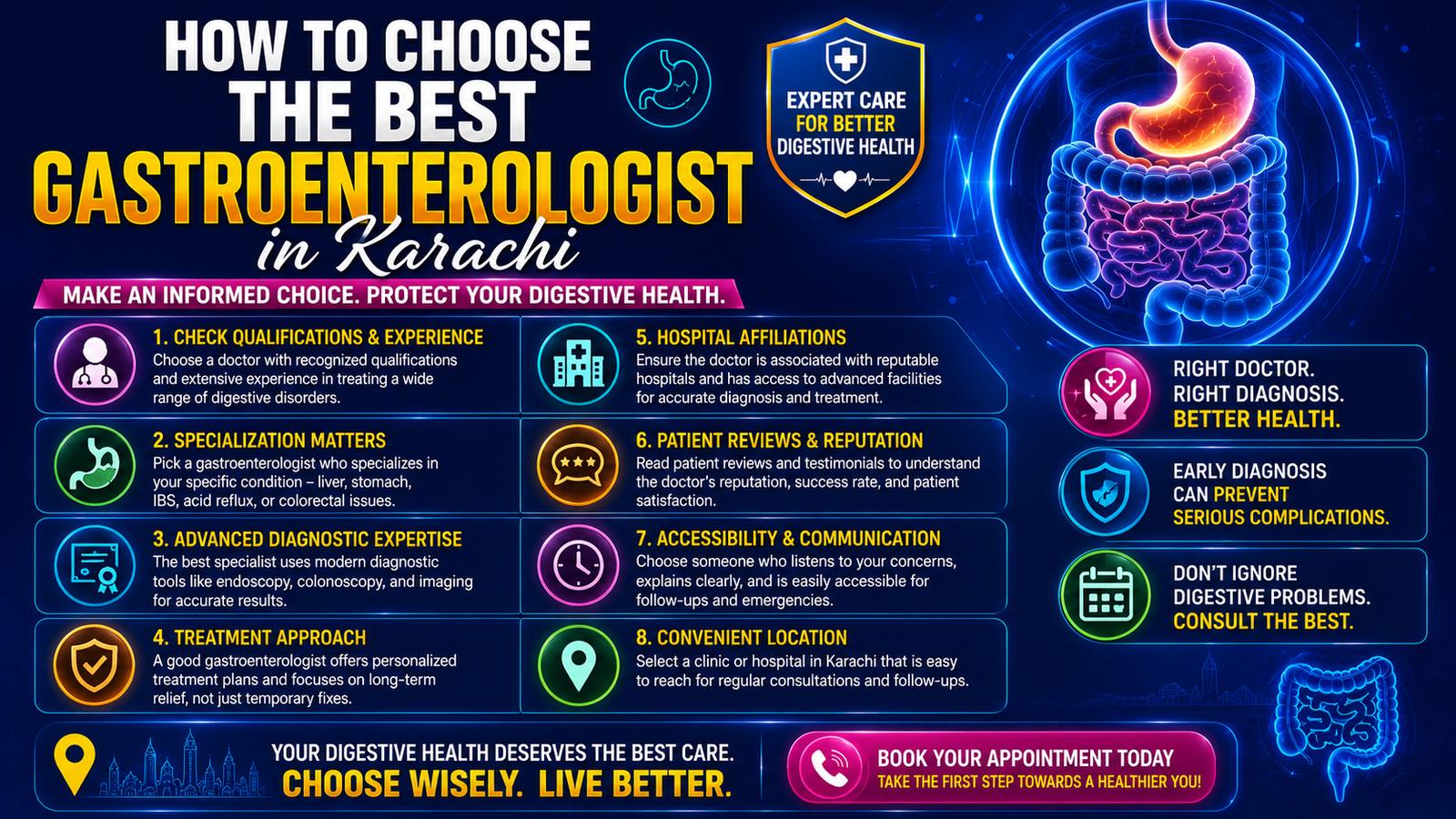
Selecting the right specialist involves more than checking online ratings.
A gastroenterologist should combine medical expertise with clear communication, evidence-based treatment, and access to modern diagnostic facilities.
Taking time to evaluate these factors can improve both your treatment experience and long term digestive health.
Verify Medical Qualifications
Begin by confirming that the doctor has recognized medical qualifications and specialized training in gastroenterology.
Additional experience in advanced endoscopy, liver diseases, inflammatory bowel disease, or therapeutic procedures may be valuable depending on your condition.
Doctors who regularly participate in continuing medical education often stay informed about the latest diagnostic techniques and treatment guidelines.
Consider Clinical Experience
Experience matters because digestive disorders often present with similar symptoms but require different treatments.
A specialist who has managed a wide variety of cases is more likely to identify subtle signs that lead to an accurate diagnosis.
Patients with complex conditions such as Crohn’s disease, ulcerative colitis, chronic liver disease, or pancreatic disorders may benefit from consulting a physician with extensive experience in these specific areas.
Look for Modern Diagnostic Facilities
Accurate diagnosis depends on high-quality medical equipment.
Clinics and hospitals equipped with advanced endoscopy units, colonoscopy services, ultrasound, CT imaging, MRI, and pathology laboratories can complete the diagnostic process more efficiently.
Access to multiple diagnostic services in one location also reduces delays in treatment.
Read Patient Feedback Carefully
Online reviews should not be the only deciding factor, but they can provide useful insights into appointment scheduling, communication style, waiting times, and patient satisfaction.
Instead of focusing on one review, look for consistent patterns across multiple sources.
Evaluate Communication Style
A good doctor explains medical conditions in simple language, answers questions patiently, and involves patients in treatment decisions.
Clear communication helps patients follow treatment plans correctly and reduces unnecessary anxiety.
Hospital Affiliation
Many experienced specialists practice at reputable hospitals where multidisciplinary teams are available.
This becomes particularly important if surgery, advanced imaging, or emergency care is required.
Step-by-Step Guide Before Your Appointment
Preparing for your consultation helps the doctor make an accurate assessment while saving valuable time during the visit.
Start by writing down all symptoms, including when they began, how often they occur, and what seems to make them better or worse.
Bring copies of previous laboratory reports, imaging studies, endoscopy reports, and prescriptions if available.
These records provide important clinical information and reduce unnecessary repeat testing.
Make a list of all medications, vitamins, and supplements you currently take, including their doses.
Be prepared to discuss your medical history, family history of digestive diseases, previous surgeries, allergies, and lifestyle habits such as diet, smoking, and alcohol use.
Finally, prepare questions about diagnosis, treatment options, follow-up visits, dietary recommendations, and possible side effects of medications.
This preparation allows the Best Gastroenterologist in Karachi to develop a more personalized treatment plan.
Benefits of Consulting a Digestive Health Specialist
Receiving care from a Digestive Health Specialist in Karachi offers several advantages compared with relying only on general symptom relief.
Specialists have access to advanced diagnostic tools that can identify the exact cause of digestive symptoms instead of treating them based solely on assumptions.
They also provide personalized treatment plans based on age, medical history, laboratory findings, and lifestyle factors.
Long-term follow-up allows chronic conditions such as inflammatory bowel disease, liver disorders, and chronic pancreatitis to be monitored carefully, reducing the likelihood of serious complications.
Another important benefit is preventive care. Routine screening for colorectal cancer, monitoring of chronic liver disease, and early identification of digestive abnormalities can improve long term health outcomes.
Key Features of an Excellent Gastroenterologist
An experienced gastroenterologist demonstrates several qualities that contribute to better patient care.
They use evidence-based treatment rather than unnecessary medications.
They communicate clearly and encourage patients to ask questions.
They focus on identifying the underlying cause of symptoms instead of providing temporary relief alone.
They remain updated with modern clinical guidelines and diagnostic technology.
They work collaboratively with surgeons, radiologists, nutritionists, and other specialists whenever multidisciplinary care is required.
Most importantly, they emphasize prevention alongside treatment by encouraging healthy lifestyle habits and regular follow-up.
Practical Examples
Consider a patient who experiences heartburn after nearly every meal.
Instead of repeatedly using over-the-counter medicines, the patient visits a Top Gastro Doctor in Karachi. After evaluation and endoscopy, gastroesophageal reflux disease is confirmed.
Appropriate medication, dietary changes, and weight management significantly improve symptoms within a few weeks.
Another example involves a middle-aged individual with persistent fatigue and mildly abnormal liver function tests discovered during a routine health examination.
A Liver and Gastro Specialist in Karachi performs additional investigations and identifies fatty liver disease.
Early lifestyle intervention prevents progression to advanced liver damage.
A third patient reports alternating constipation and diarrhea for several months.
Careful evaluation excludes inflammatory bowel disease and colorectal cancer before confirming irritable bowel syndrome.
Personalized dietary advice and stress management lead to noticeable symptom improvement.
These examples highlight why professional evaluation is more effective than prolonged self treatment.
Common Mistakes to Avoid
- Ignoring persistent digestive symptoms for several weeks.
- Relying on self-medication without medical evaluation.
- Delaying recommended endoscopy or colonoscopy procedures.
- Hiding symptoms because they seem embarrassing.
- Stopping prescribed medication without consulting the doctor.
- Following unverified diets or home remedies found online.
- Missing scheduled follow-up appointments.
- Waiting until symptoms become severe before seeking specialist care.
Avoiding these common mistakes allows earlier diagnosis and improves treatment outcomes while reducing the risk of long-term complications.
Questions You Should Ask During Your Consultation
A productive consultation helps patients become active participants in their healthcare.
Asking thoughtful questions can clarify your diagnosis and improve confidence in the treatment plan.
You may ask about the possible causes of your symptoms, the purpose of recommended diagnostic tests, expected treatment duration, dietary changes that may help, possible medication side effects, warning signs that require urgent medical attention, and the recommended schedule for future follow-up visits.
Patients with chronic liver disease, inflammatory bowel disease, or recurrent digestive symptoms should also ask about long-term monitoring, preventive screening, and lifestyle measures that support digestive wellness.
By maintaining open communication, you and your specialist can work together toward better digestive health and improved quality of life.
Expert Recommendations for Better Digestive Health
Maintaining a healthy digestive system requires more than treating illness after symptoms appear.
Preventive care, healthy lifestyle choices, and regular medical checkups can significantly reduce the risk of many digestive disorders.
Healthcare professionals often recommend eating a balanced diet rich in vegetables, fruits, whole grains, and lean protein while limiting highly processed foods and excessive sugar.
Drinking enough water supports normal digestion and bowel function.
Regular physical activity also contributes to digestive wellness.
Even moderate exercise, such as walking for 30 minutes most days of the week, can improve bowel movement and help maintain a healthy weight.
Smoking and excessive alcohol consumption can damage the digestive tract and increase the risk of several gastrointestinal diseases.
Avoiding these habits supports both digestive and overall health.
People with a family history of colorectal cancer, inflammatory bowel disease, or chronic liver disease should discuss appropriate screening schedules with a healthcare professional.
Early screening often detects problems before noticeable symptoms develop.
Advanced Insights into Modern Gastroenterology
Modern gastroenterology has advanced significantly during the past decade.
Many digestive diseases can now be diagnosed earlier through minimally invasive procedures and advanced imaging technologies.
High definition endoscopy allows doctors to identify subtle abnormalities that may not have been visible with older equipment.
Colonoscopy remains one of the most effective tools for preventing colorectal cancer because precancerous polyps can often be removed during the procedure.
Noninvasive tests are also becoming increasingly valuable for evaluating liver fibrosis, fatty liver disease, and certain gastrointestinal infections.
These developments reduce the need for more invasive diagnostic procedures in selected patients.
Personalized medicine is another growing area within digestive healthcare.
Treatment plans are increasingly tailored according to disease severity, genetic factors, lifestyle, and patient preferences, resulting in better long term outcomes.
Frequently Asked Questions
Who is the Best Gastroenterologist in Karachi?
The best gastroenterologist is a board-qualified specialist with extensive experience in diagnosing and treating digestive, liver, pancreatic, and intestinal diseases. Patients should consider qualifications, clinical experience, communication skills, and access to modern diagnostic facilities.
What diseases does a Stomach Specialist Doctor in Karachi treat?
A gastroenterologist treats conditions such as acid reflux, peptic ulcers, gastritis, irritable bowel syndrome, inflammatory bowel disease, liver disorders, gallbladder disease, pancreatic conditions, constipation, diarrhea, and colorectal diseases.
When should I see a Digestive Health Specialist Karachi?
You should seek medical evaluation if digestive symptoms continue for more than a few weeks, become severe, or include warning signs such as blood in the stool, persistent vomiting, unexplained weight loss, jaundice, or difficulty swallowing.
Can a Liver and Gastro Specialist in Karachi treat fatty liver disease?
Yes. Gastroenterologists commonly diagnose and manage fatty liver disease through lifestyle recommendations, laboratory monitoring, imaging studies, and treatment plans tailored to the patient’s condition.
What should I bring to my first gastroenterology appointment?
Bring previous medical records, laboratory reports, imaging results, medication lists, details about your symptoms, and information about your medical and family history. This helps the specialist make a more accurate diagnosis.
Conclusion
Choosing the best gastroenterologist in Karachi is an important step toward protecting your digestive health.
A qualified specialist can accurately diagnose digestive disorders, recommend evidence-based treatment, and provide long-term guidance for conditions affecting the stomach, intestines, liver, pancreas, and gallbladder.
Do not ignore persistent digestive symptoms or depend solely on self-medication.
Early evaluation often leads to better outcomes, fewer complications, and improved quality of life.
By selecting an experienced Best Gastroenterologist in Karachi, maintaining healthy lifestyle habits, and following medical advice, you can take proactive steps toward lifelong digestive wellness.