

Dengue is one of the fastest spreading mosquito-borne viral infections in tropical and subtropical regions.
Every year, millions of people become infected, especially during the rainy season when mosquitoes breed rapidly.
Early recognition of dengue symptoms is essential because timely medical care can reduce the risk of serious complications and improve recovery.
Many people mistake dengue for seasonal flu because both conditions can cause fever, body aches, and fatigue.
However, dengue often has unique warning signs that require close monitoring.
Knowing dengue fever symptoms, recognizing dengue virus signs and symptoms, and identifying mild dengue symptoms can help patients seek medical attention before the illness becomes severe.
This comprehensive guide explains what dengue is, how it spreads, its early and advanced symptoms, who is most at risk, and when immediate medical care is necessary.
What Is Dengue?
Dengue is a viral infection caused by the dengue virus, which belongs to the Flavivirus family.
The virus spreads through the bite of an infected female Aedes aegypti or Aedes albopictus mosquito.
Unlike illnesses that spread directly from person to person, dengue requires a mosquito to transmit the virus.
There are four closely related dengue virus types, commonly known as DENV-1, DENV-2, DENV-3, and DENV-4.
Infection with one type usually provides long-term immunity against that specific type, but a person can still become infected by the remaining three.
In some cases, a second infection with a different type may increase the risk of severe disease.
Dengue occurs throughout Asia, Africa, Central and South America, and many Pacific regions.
Countries with warm temperatures and frequent rainfall often report seasonal outbreaks.
Why Does Dengue Matter?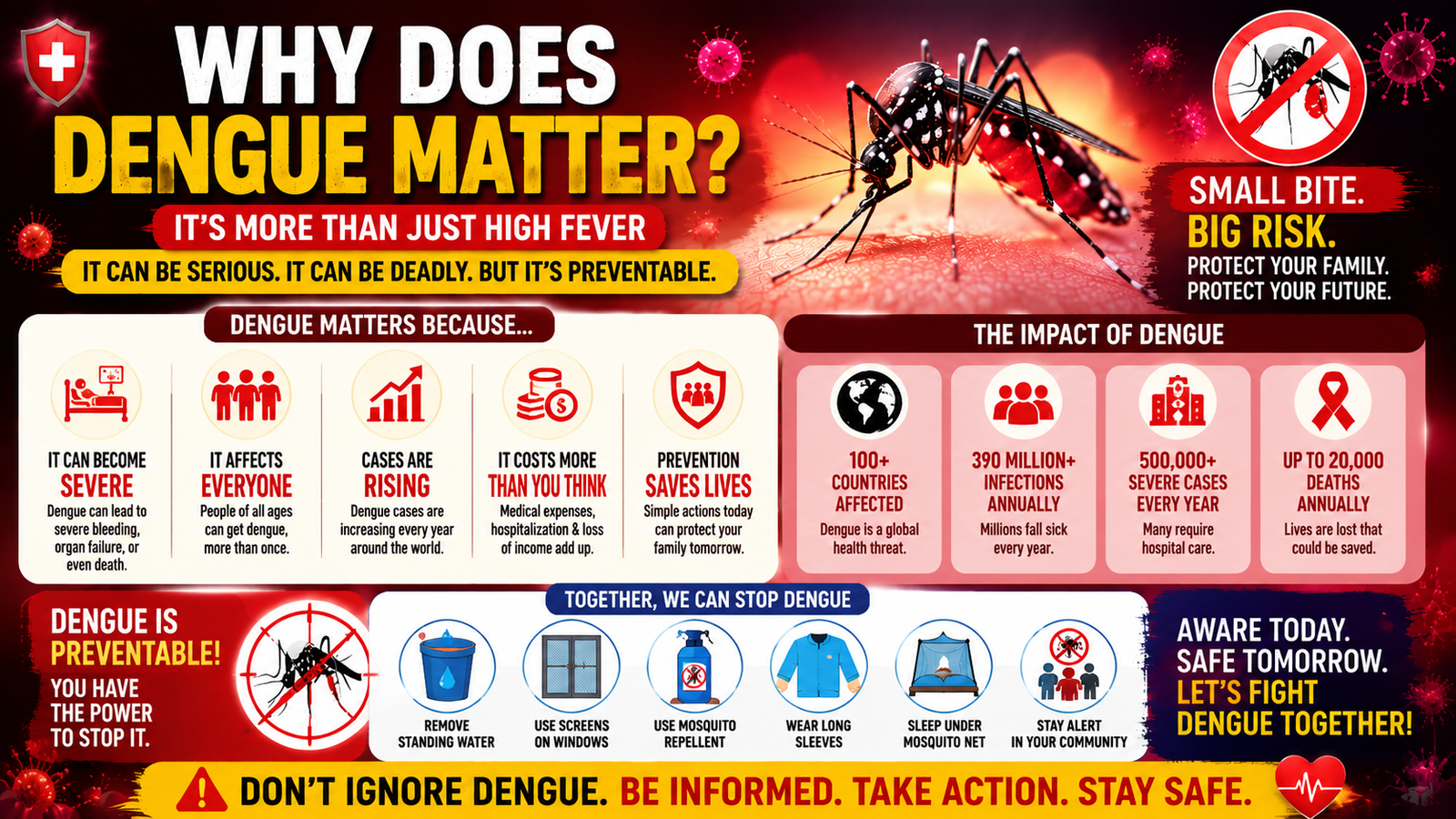
Dengue affects people of all ages, including children, adults, and older individuals.
While many patients recover with supportive care, some develop severe complications such as significant bleeding, organ damage, or shock.The disease can progress quickly, especially after the fever begins to improve.
This stage is often called the critical phase because symptoms may worsen even though body temperature falls.
Prompt diagnosis, proper hydration, and careful monitoring play a major role in preventing complications.
How Dengue Spreads
The dengue virus follows a specific transmission cycle.
An infected mosquito bites a healthy person and transfers the virus through its saliva.
After entering the bloodstream, the virus multiplies inside the body. Symptoms usually appear after an incubation period of four to ten days.
The infection does not usually spread through casual contact, coughing, sneezing, sharing food, or touching an infected person.
Mosquitoes become infected after biting someone who already carries the virus. They can then transmit the virus to other people during future bites.
Who Has a Higher Risk?
Although anyone can develop dengue, certain groups have a greater chance of severe illness.
Children and older adults often experience more serious complications because their bodies may respond differently to infection.
Pregnant women require careful medical supervision because dengue can affect both the mother and baby.
People with chronic illnesses such as diabetes, kidney disease, heart disease, or weakened immune systems should seek medical advice promptly if they develop a high fever.
Individuals who have previously recovered from dengue should also remain cautious because another infection caused by a different virus type may lead to a more severe response.
What Are the Symptoms of Dengue?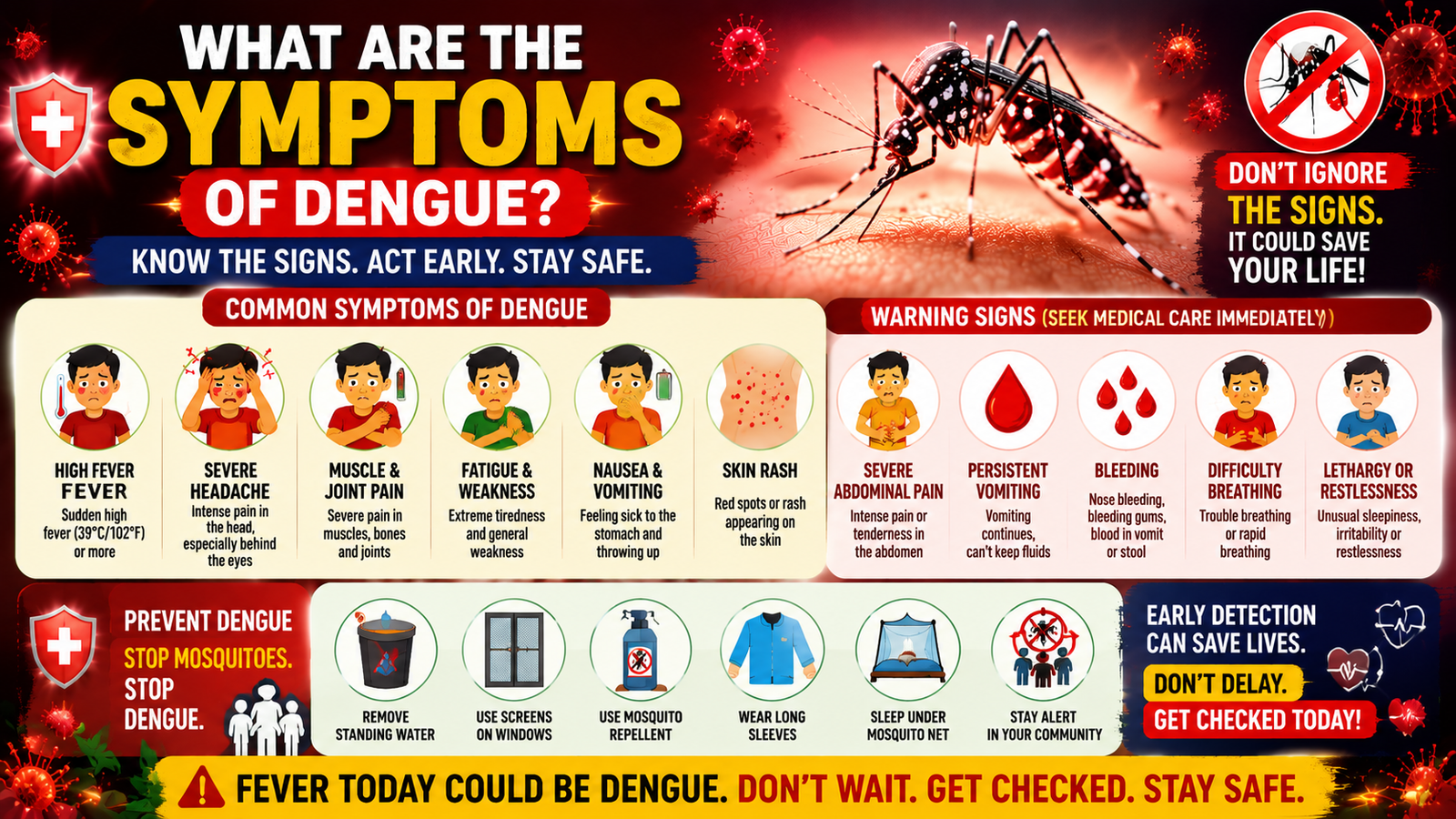
One of the most common questions patients ask is, what are the symptoms of dengue?
Symptoms usually begin suddenly after the virus has incubated inside the body.
The illness often starts with a high fever and gradually develops into a combination of physical discomfort and general weakness.
Some people experience only mild dengue symptoms, while others develop severe disease requiring hospital care.
Early Dengue Symptoms
During the first few days, many patients notice symptoms that resemble influenza or another viral infection.
A sudden high fever is often the earliest sign. Body temperature may rise rapidly and remain elevated for several days.
Severe headache is another common symptom. Many patients describe pain behind the eyes, especially when moving them.
Muscle pain and joint pain frequently occur throughout the body, leading to dengue being called “breakbone fever” in some regions because of the intense discomfort it can cause.
Fatigue usually develops early and may become significant enough to interfere with daily activities.
Some individuals lose their appetite and feel nauseated, making it difficult to maintain adequate nutrition.
Common Dengue Symptoms
- Sudden high fever
- Severe headache
- Pain behind the eyes
- Muscle pain
- Joint pain
- Extreme tiredness
- Nausea
- Vomiting
- Mild skin rash
- Swollen glands
- Loss of appetite
- General weakness
Mild Dengue Symptoms
Many patients experience mild dengue symptoms that improve gradually with rest, hydration, and medical supervision.
A person with mild illness may have fever accompanied by headache and muscle pain without developing bleeding or organ complications.
A faint skin rash sometimes appears several days after the fever begins. The rash may spread across the arms, chest, or legs and usually disappears without leaving scars.
Fatigue often continues for several weeks after the fever resolves. Even though the virus is no longer active, the body may need additional time to regain normal energy levels.
People with mild illness should remain alert because symptoms can change rapidly during the critical phase.
Dengue Virus Signs and Symptoms
The dengue virus signs and symptoms vary from person to person. Some individuals experience only mild illness, while others progress to severe dengue within a short period.
Doctors evaluate symptoms together rather than relying on one sign alone. For example, a combination of high fever, severe body pain, headache, nausea, and rash strongly suggests dengue during an outbreak.
Laboratory blood tests help confirm the diagnosis, especially during the early stages of infection.
One important feature of dengue is that symptoms often evolve over several days instead of remaining the same throughout the illness.
How Symptoms Change Over Time
The illness generally follows three phases.
The first phase is the febrile stage, during which high fever and body aches dominate. Most patients seek medical attention during this period because they feel extremely unwell.
The second phase begins as the fever starts to decrease. Although patients may think they are recovering, this period requires close observation because serious complications can develop unexpectedly.
The third phase is recovery. Fluid balance gradually returns to normal, appetite improves, and energy levels slowly increase. Complete recovery may take several weeks, depending on the severity of the infection.
Severe Dengue and Warning Signs
Not every dengue infection becomes severe, but every patient should know the warning signs. The most critical period usually begins 24 to 48 hours after the fever starts to settle.
During this phase, fluid can leak from blood vessels, blood pressure may drop, and internal bleeding may occur.
Seek immediate medical care if any of these symptoms appear. Early treatment can significantly reduce the risk of life-threatening complications.
Warning Signs That Need Immediate Medical Attention
- Severe abdominal pain or persistent stomach tenderness
- Repeated vomiting
- Bleeding from the gums or nose
- Blood in vomit or stools
- Difficulty breathing or rapid breathing
- Extreme weakness or unusual drowsiness
- Cold or clammy skin
- Restlessness or confusion
- Reduced urine output
- Sudden dizziness or fainting
Types of Dengue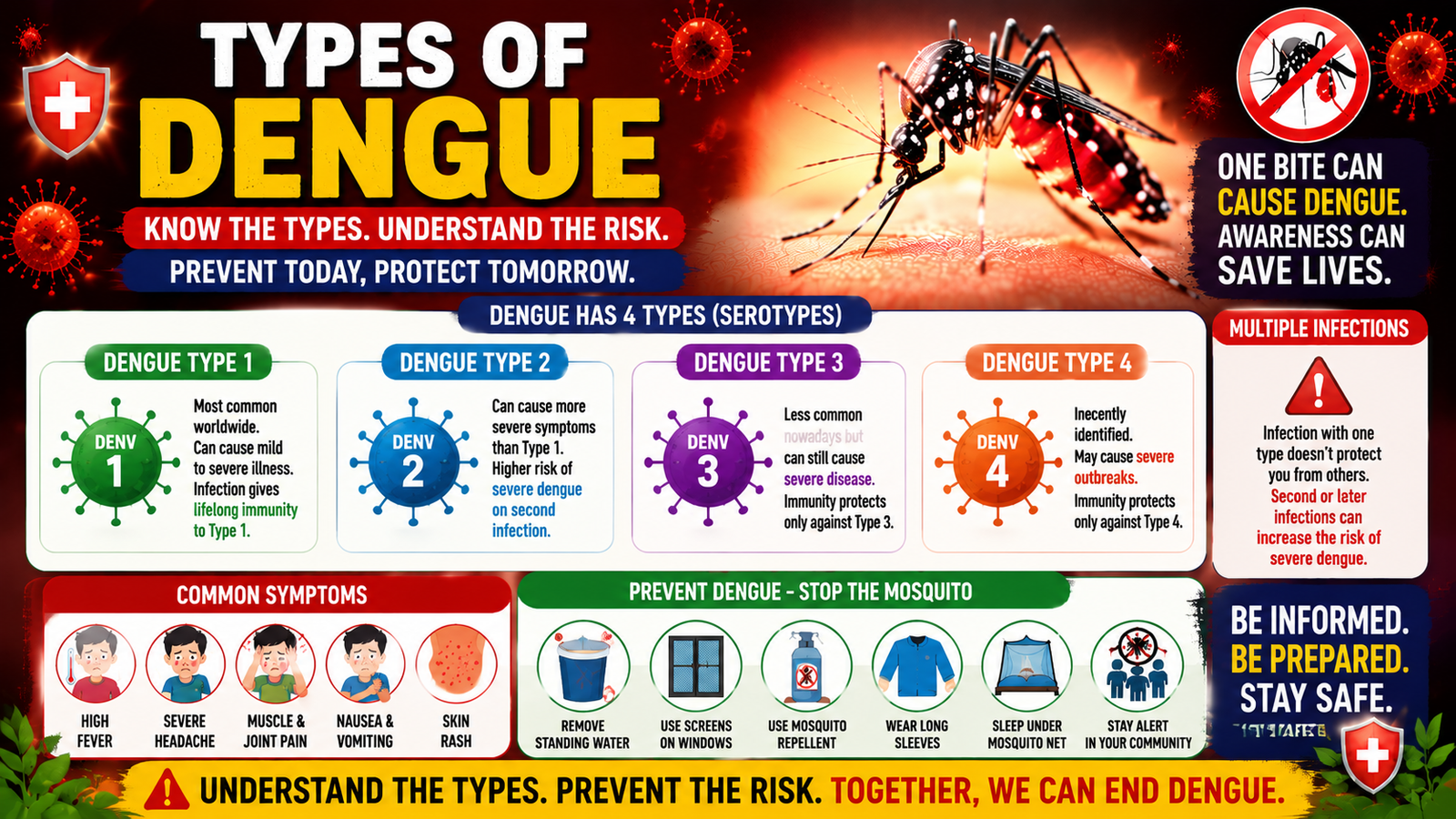
Healthcare professionals generally classify dengue into two main categories based on the severity of the illness.
Dengue Without Warning Signs
This is the most common form of the disease. Patients usually experience fever, headache, muscle pain, joint pain, rash, and tiredness. Most people recover completely with proper hydration, rest, and regular medical follow-up.
Severe Dengue
Severe dengue is a medical emergency. It may involve severe bleeding, plasma leakage, breathing problems, shock, or damage to organs such as the liver, heart, or brain. Hospital treatment is essential for patients with severe disease.
Comparison of Mild and Severe Dengue
Feature | Mild Dengue | Severe Dengue |
Fever | High fever for several days | Fever may improve before complications appear |
Body pain | Common and manageable | Often accompanied by severe weakness |
Bleeding | Usually absent | May involve nose, gums, stomach, or intestines |
Hydration | Oral fluids are usually enough | Intravenous fluids are often required |
Hospital admission | Not always necessary | Usually required |
Recovery | Most patients recover within one to two weeks | Recovery depends on early medical treatment |
How Doctors Diagnose Dengue
Doctors diagnose dengue by combining the patient’s symptoms, travel history, local outbreak information, and laboratory tests.
A physical examination helps identify fever, rash, dehydration, and possible bleeding. The doctor also asks when the symptoms began because certain blood tests work better during different stages of the illness.
Common laboratory tests include:
- NS1 Antigen Test: Often detects dengue during the first few days of illness.
- PCR Test: Identifies the dengue virus during the early stage.
- IgM and IgG Antibody Tests: Help confirm infection after several days.
- Complete Blood Count (CBC): Monitors platelet levels and white blood cell count.
A falling platelet count alone does not always indicate severe dengue. Doctors also evaluate blood pressure, hydration status, and other clinical findings before deciding on treatment.
Treatment for Dengue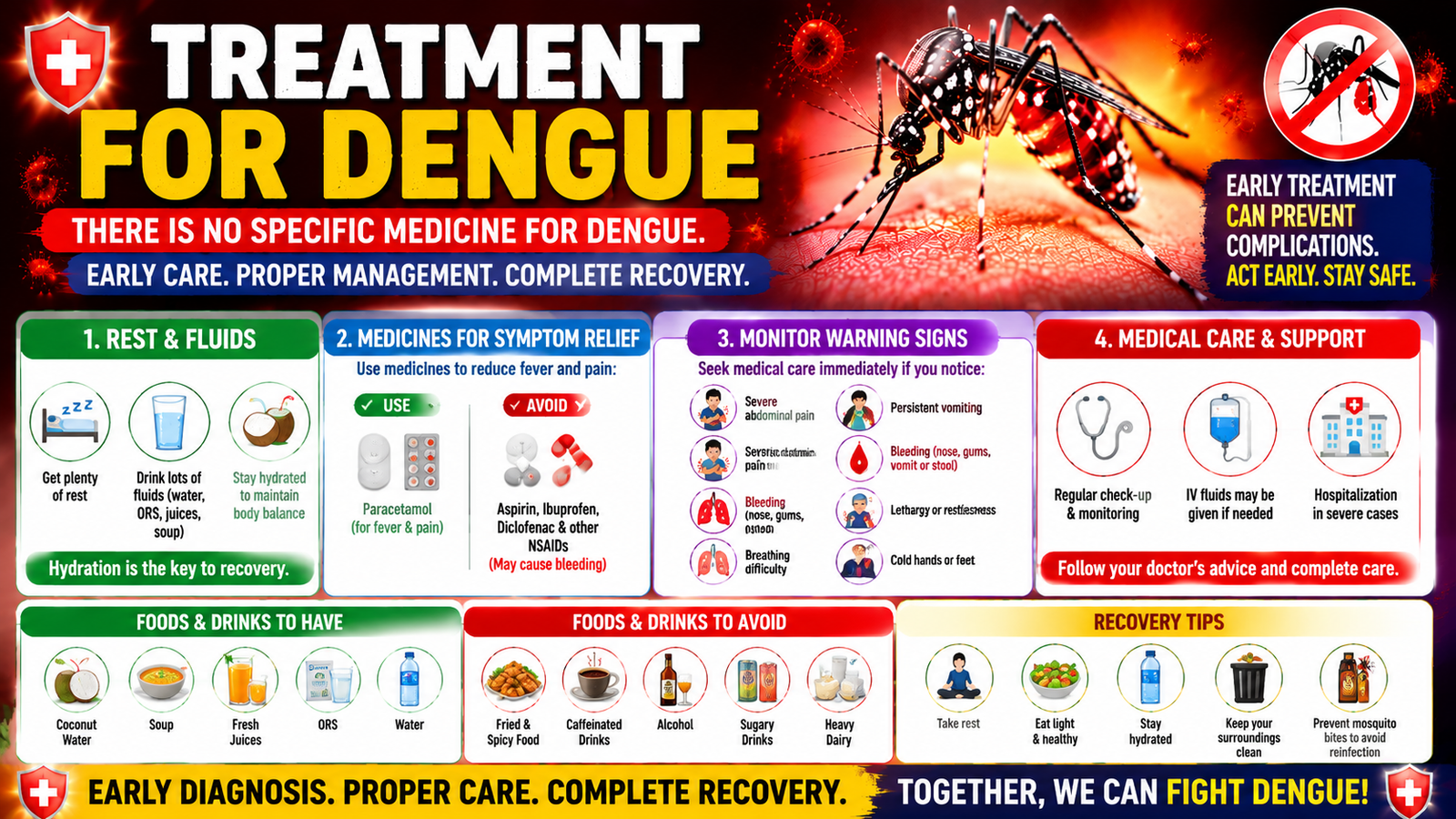
There is no specific antiviral medicine that cures dengue. Treatment focuses on relieving symptoms, preventing dehydration, and closely monitoring the patient’s condition.
Patients with mild illness usually recover at home under medical guidance.
Doctors commonly recommend adequate fluid intake, rest, and medicines such as acetaminophen (paracetamol) to reduce fever and pain.
Medicines like ibuprofen, aspirin, and certain anti-inflammatory drugs should generally be avoided unless specifically advised by a healthcare professional because they may increase the risk of bleeding.
Patients with warning signs or severe dengue often require hospital care. Doctors may provide intravenous fluids, monitor blood pressure, repeat blood tests, and treat complications promptly.
How Long Does Recovery Take?
Most people begin to feel better within one to two weeks. However, tiredness and reduced energy may continue for several weeks.
The recovery period varies depending on several factors, including:
- Age
- Overall health
- Severity of infection
- Hydration status
- Presence of chronic medical conditions
- Timing of medical treatment
People who receive early medical attention generally recover more smoothly than those who delay treatment.
How to Prevent Dengue
Preventing mosquito bites remains the most effective way to reduce the risk of dengue infection.
The mosquitoes that spread dengue usually bite during the daytime, especially in the early morning and late afternoon. Because they breed in clean, standing water, removing mosquito breeding sites around homes is essential.
Simple preventive measures include using mosquito repellents, wearing long-sleeved clothing, installing window screens, and sleeping under mosquito nets when appropriate.
Families should regularly empty containers that collect rainwater, such as buckets, flower pots, discarded tires, and water storage containers.
Community participation also plays an important role. Neighborhood cleanup campaigns can reduce mosquito breeding areas and lower the risk of outbreaks.
Practical Example
Imagine two neighbors develop a high fever after heavy rainfall in their community.
The first person visits a doctor on the second day of illness, drinks plenty of fluids, follows medical advice, and attends scheduled follow up visits. Their symptoms improve steadily, and they recover without complications.
The second person assumes the illness is only seasonal flu and continues working despite persistent vomiting and severe abdominal pain.
By the time medical care is sought, dehydration and bleeding have developed, requiring hospitalization.
This example highlights why recognizing dengue fever symptoms early can make a significant difference in recovery and overall health.
Expert Recommendations
Medical experts encourage people living in dengue-prone regions to take fever seriously, particularly during mosquito season.
If a high fever develops suddenly and is accompanied by severe headache, muscle pain, or rash, consult a healthcare professional instead of relying on self-medication.
Continue drinking fluids even if your appetite decreases, and attend follow-up appointments if your doctor recommends repeat blood tests. Monitoring during the critical phase is often just as important as treatment during the first few days of illness.
Early recognition, careful observation, and prompt medical care remain the most effective strategies for preventing severe complications.
Common Mistakes People Make During Dengue
Many people delay medical care because they believe a high fever is only a seasonal viral infection.
This delay can increase the risk of complications if the illness progresses to severe dengue.
Another common mistake is stopping hydration once the fever begins to improve.
The critical phase often starts when the temperature falls, making continued fluid intake and monitoring essential.
Self-medicating with pain relievers that may increase the risk of bleeding is another concern.
Always follow the advice of a qualified healthcare professional before taking any medication during a suspected dengue infection.
Some patients also skip follow-up blood tests because they feel better. However, platelet counts and other clinical findings may continue to change even after the fever has resolved.
Frequently Asked Questions
What are the first dengue symptoms?
The earliest dengue symptoms usually include a sudden high fever, severe headache, pain behind the eyes, muscle pain, joint pain, fatigue, and loss of appetite. Some people may also develop nausea or a mild skin rash within a few days.
How can I tell the difference between dengue and the flu?
Both illnesses can cause fever and body aches, but dengue is more likely to cause severe muscle and joint pain, pain behind the eyes, skin rash, and a drop in platelet count. A healthcare provider may recommend blood tests to confirm the diagnosis.
How long do dengue fever symptoms last?
Most people experience fever for two to seven days. Recovery usually takes one to two weeks, although tiredness may continue for several more weeks depending on the severity of the infection.
Can mild dengue symptoms become severe?
Yes. Even people with mild dengue symptoms can develop warning signs during the critical phase, which often begins after the fever starts to decrease. Close monitoring and follow-up with a healthcare professional are important.
When should I go to the hospital for dengue?
Seek immediate medical care if you experience severe abdominal pain, repeated vomiting, bleeding from the nose or gums, blood in vomit or stools, difficulty breathing, confusion, extreme weakness, or fainting.
Conclusion
Recognizing dengue symptoms early can make a significant difference in recovery and help prevent serious complications.
While many people experience mild illness, others may develop warning signs that require immediate medical attention.
Knowing what are the symptoms of dengue, identifying dengue fever symptoms, and monitoring dengue virus signs and symptoms throughout the illness are essential steps toward safe recovery.
Maintaining good hydration, avoiding self medication, following your doctor’s advice, and seeking prompt medical care when warning signs appear can greatly improve outcomes.
Preventing mosquito bites and eliminating breeding sites remain the most effective ways to reduce the spread of dengue in communities.
Staying informed and acting quickly are the best defenses against this potentially serious viral infection.