

Do you usually feel fatigued without any reason? Do you experience appetite loss, stomachache, or yellow eyes? These are the first signs that are disregarded by many. They attribute it to stress, an unhealthy diet, or sleep deprivation.
However, there are occasions when these symptoms lead to something far more important.There is a Liver Disorder that may harm one of the most significant organs in your body without making it obvious.
The liver cleanses poisonous substances, aids in digestion, stores nutrients, and regulates all necessary bodily functions. As soon as it fails to perform its functions, you are affected throughout your body.
Several patients end up getting the problem late since the symptoms are mild at an early stage. After a late diagnosis, there may be severe complications, increased healthcare expenses, emotional disturbances, and health hazards in the long term.
It is a detailed guide in which you will be informed about Liver Disorder, causes of the disorder, its symptoms, diagnosis, treatment opportunities, prevention methods, and the significance of early medical attention.
This article presents information that is accurate and research-based in order to make informed health decisions.
What Is a Liver Disorder
A Liver Disorder is any disease that involves the structure or the functioning of the liver. It can be caused by infection, the accumulation of fats, abuse of alcohol, autoimmune diseases, and heredity.
In the body, the liver has more than five hundred indispensable functions. It breaks down the food nutrients, secretes bile to digest, stores vitamins, and eliminates unwanted elements in the blood.
These functions decelerate when liver cells become inflamed or damaged. In the long run, the untreated damage can cause severe complications in the form of scarring or liver failure.
Common Causes of Liver Problems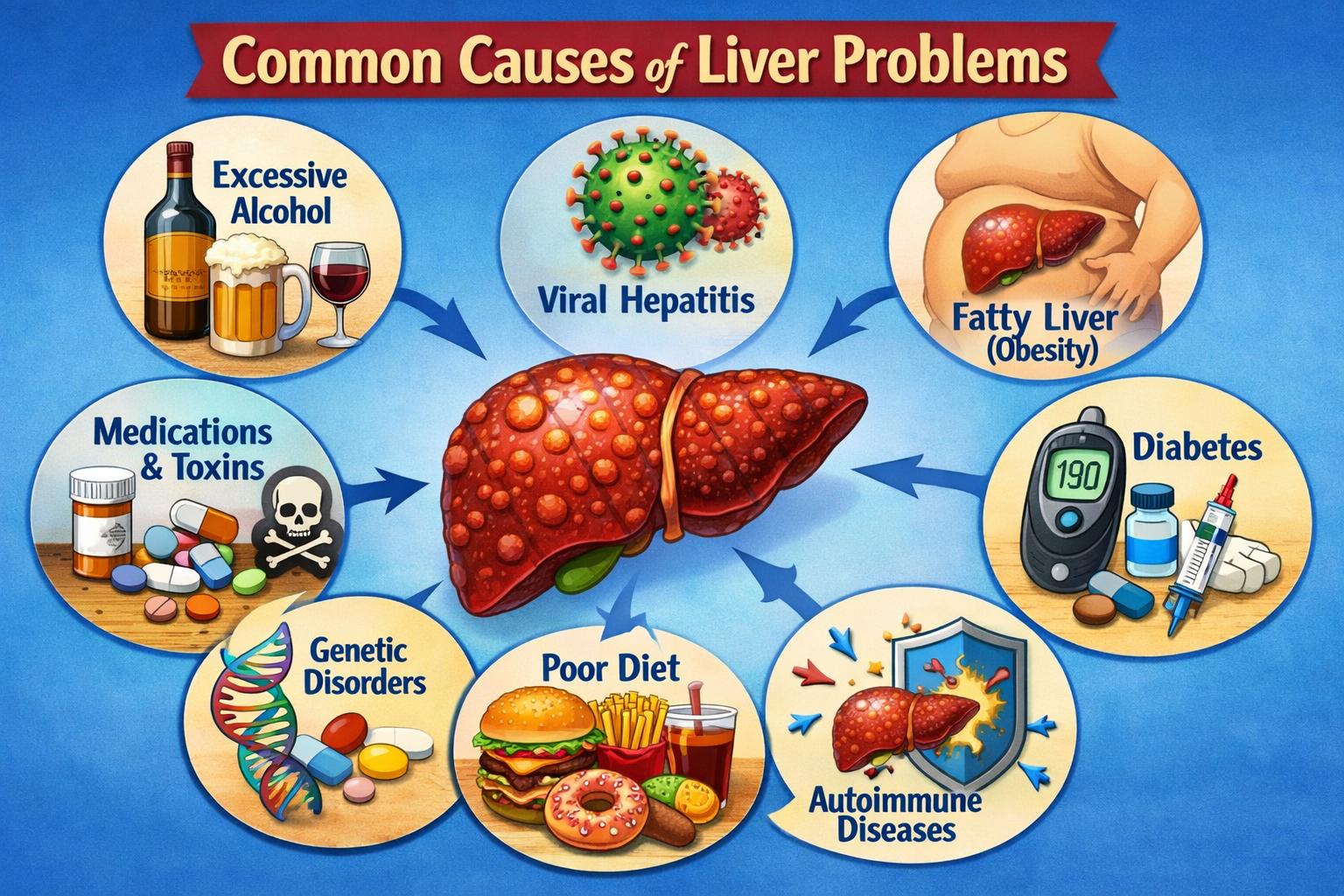
Prevention of the disease progression is beneficial due to the understanding of the causes.
Viral Infections
The hepatitis viruses are a significant cause of liver damage in the world.
Fat Accumulation
Obesity or diabetes may result in excess fat in liver cells, thereby hindering its functioning.
Alcohol Consumption
Excessive consumption of alcohol destroys liver cells and causes inflammation.
Autoimmune Conditions
On other occasions, the immune system attacks liver cells accidentally.
Genetic Disorders
There are scenarios where there are hereditary disorders that influence the metabolism of the liver.
Toxic Substances
Liver tissue may be damaged by long-term exposure to harmful chemicals or improper use of medication.
There is a certain treatment plan needed for each cause, making medical examination necessary.
Early Symptoms You Should Never Ignore
A Liver Disorder may start with mild symptoms that individuals miss.
Common signs include:
- Persistent fatigue
- Loss of appetite
- Nausea
- Abdominal discomfort
- Dark colored urine
- Pale stools
- Yellowing of skin and eyes
- Swelling in the legs or abdomen
When you get these symptoms for over a few days, seek medical attention from a competent health caregiver.
Liver Disorder Diagnosis and Medical Evaluation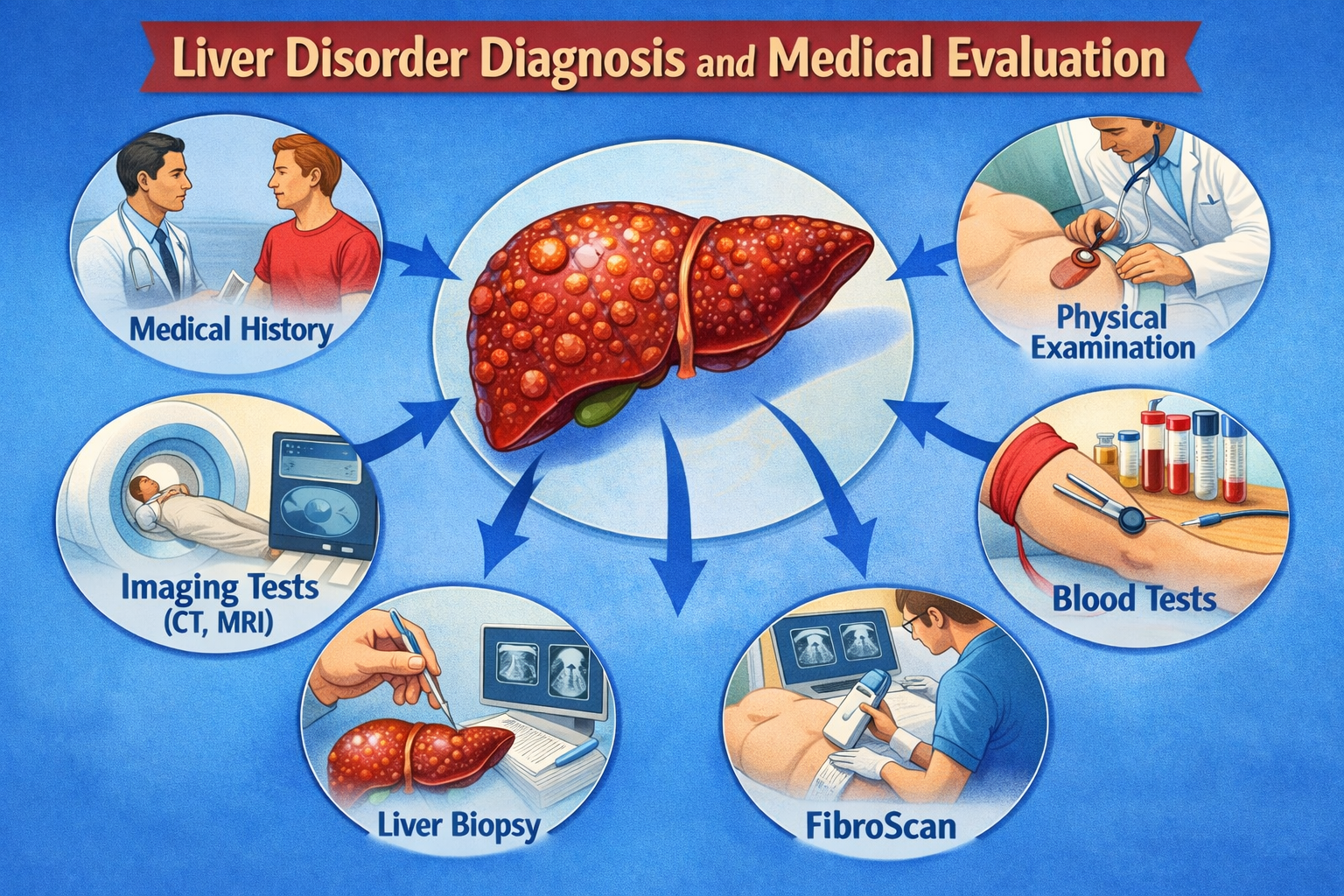
Physicians employ a number of techniques in order to verify liver issues.
Past Medical History and Examination
Your physician will inquire about symptoms, lifestyle, alcohol consumption, and family history.
Blood Tests
Liver enzyme tests and infection indicators are performed through blood tests.
Imaging Tests
The size and structure of the liver are examined by use of ultrasound and other imaging methods.
Liver Biopsy
In some instances, physicians scan a small piece of tissue to assess injury.
Diagnosis at the young age will enhance better treatment results and reduce complications.
Treatment Options
Therapy varies according to disease stage and cause.
Medication
Antiviral drugs, immunosuppressing medicines, or other targeted therapy may be prescribed to patients depending on the condition, as prescribed by doctors.
Lifestyle Changes
Liver recovery is facilitated by a healthy diet, weight management, and exercise.
Avoiding Alcohol
Total alcohol abstinence will help avoid further harm.
Treatment of Chronic Conditions.
Regulation of blood pressure, cholesterol, and diabetes helps in lessening the load on the liver.
Advanced Treatment
The severe cases can lead to hospitalization or liver transplant consideration.
Strict adherence to medical advice enhances chances of recovery.
Complications of Untreated Liver Disease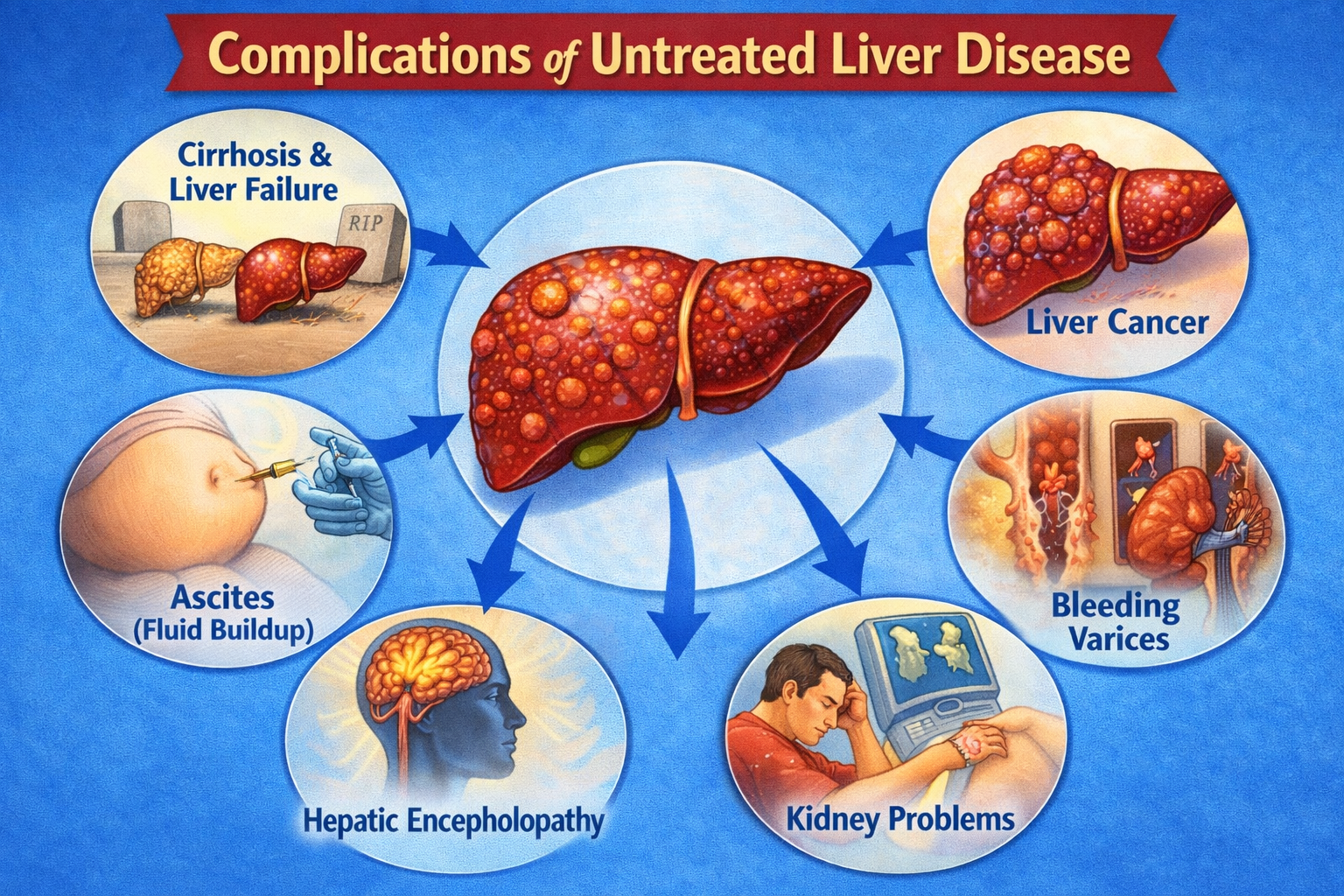
Symptoms should not be ignored because they can cause severe consequences, including:
- Liver cirrhosis
- Internal bleeding
- Abdominal fluid retention.
- Disorientation caused by toxin accumulation.
- Liver cancer
- Liver failure
These complications can lead to long-term medical treatment, and the quality of life is greatly impacted.
Prevention Strategies
The best method to save your liver is by prevention.
Maintain a Healthy Weight
Fat is prevented by balanced nutrition and exercise.
Vaccination
There are some viral infections that harm the liver, and which are prevented by vaccines.
Safe Medication Use
Use pain relievers wisely, and no more than the recommended dosage.
Avoid Harmful Substances
Reduce alcohol and do not get in contact with harmful chemicals.
Regular Health Screening
Regular blood tests aid in the early detection of problems.
Small lifestyle adjustments have a great power of prevention.
Importance of Early Medical Consultation
Most individuals put off visiting doctors out of fear or ignorance. Consultation early minimizes the complexities and the treatment cost. Physicians are able to detect the risk factors before severe damage is done.
Early treatment helps to save the liver and live healthily.Misinformation and unhealthy home remedies are also avoided through professional evaluation.
Emotional and Financial Impact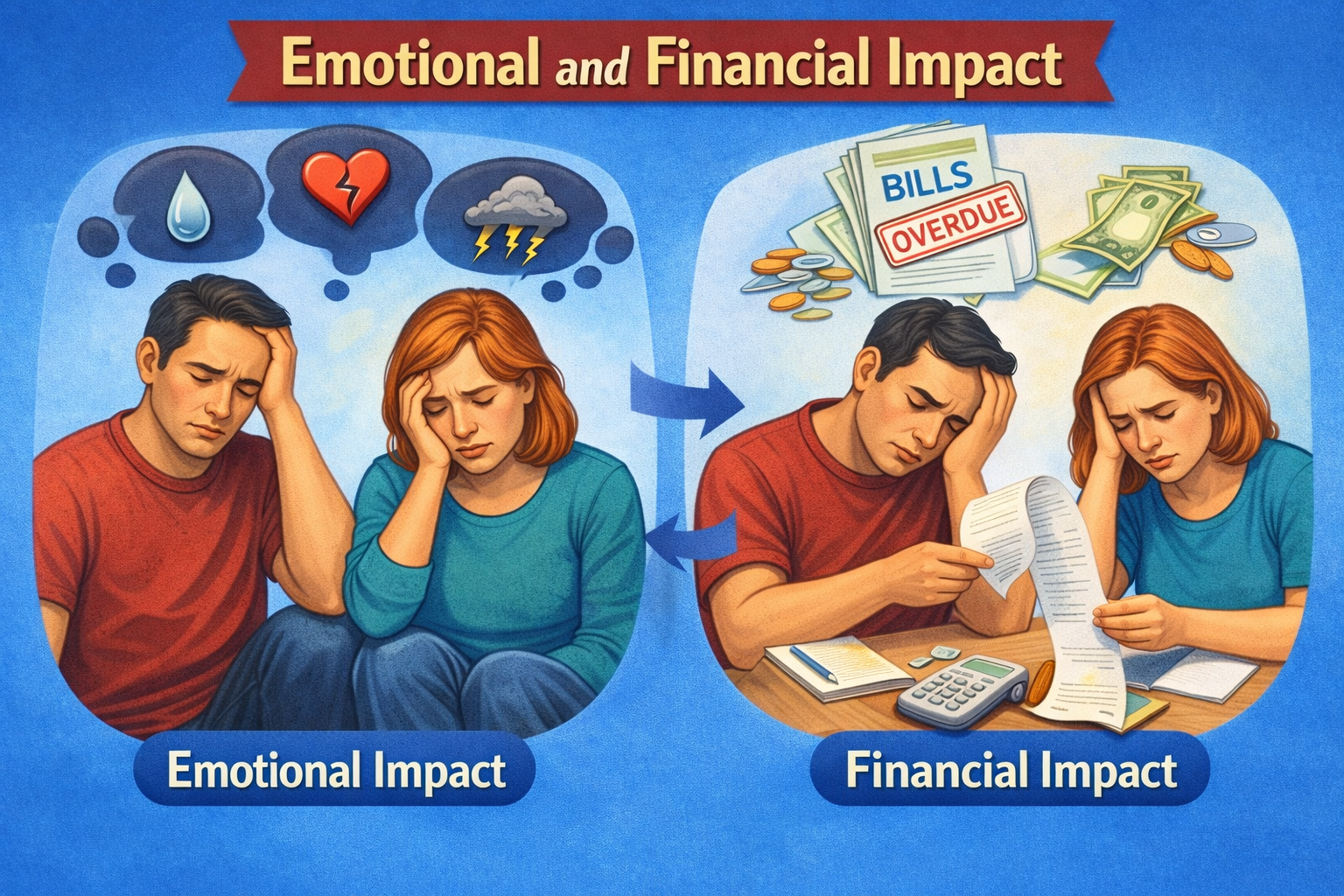
Liver patients have chronic liver diseases that impact their mental and emotional condition. Patients can be anxious about their future health. Relatives can be stressed because of the cost of treatment.
Effective communication with the health care provider and emotional support of the loved ones enhance coping capacity.
Protecting Your Liver for Life
Healthy lifestyles improve liver performance:
- Consume fresh vegetables and fruits.
- Choose whole grains
- Stay hydrated
- Exercise regularly
- Sleep adequately
- Avoid risky behaviors
Regularity in healthy decisions offers long-term insurance.
When to Seek Immediate Help
Seek urgent medical attention in case of:
- Severe abdominal pain
- Vomiting blood
- Extreme weakness
- Sudden confusion
- Rapid swelling
These are symptoms that have to be handled immediately.
Frequently Asked Questions
What is a Liver Disorder?
A Liver Disorder refers to any disease that impacts the normal functioning or structure of the liver. It may be as a result of infection, fats, alcohol, or other illnesses.
What are the early symptoms of Liver Disorder?
Early signs can be fatigue, lack of appetite, nausea, pain in the abdomen, dark urine, and a yellowish tone of the skin or the eyes.
What causes Liver Disorder?
They are mostly caused by viral infections, too much alcohol, obesity, diabetes, autoimmune diseases, and some drugs.
Can Liver Disorder be cured?
Liver diseases may be reversible or treated, provided that one detects them in good time. The disease is treated depending on its cause and severity.
How is Liver Disorder diagnosed?
Physicians identify it with blood tests, scans of the liver, including ultrasound,d and occasionally a liver biopsy to determine the extent of damage
Is Liver Disorder dangerous?
Yes, otherwise untreated, it may cause severe consequences like cirrhosis, liver failure, or liver cancer.
How can I prevent Liver Disorder?
It can be avoided by being healthy in terms of weight, consuming alcohol sparingly, vaccinating against hepatitis, and getting routine checkups.Those at increased risk are
Who is at higher risk of liver problems?
People who drink alcohol extensively, have viral hepatitis, obesity, diabetes, or a family history of liver disease.
Can diet improve liver health?
Yes, liver function may be supported by eating fresh fruits and vegetables, whole grains, and having enough water.
When should I see a doctor?
Medical treatment should be consulted in case of persistent fatigue, yellow skin, abdominal pain, or swelling.
Conclusion
Liver Disorder is a severe health issue that requires consideration and immediate healthcare. Ignorance of the initial signs may provoke critical complications resulting in physical and emotional health.
With proper lifestyle, early diagnosis, medical screenings, and professional treatment, you will be able to save your liver and live a healthier life.
Become responsible for your health now. Elimination of conditions at an early stage is what results in a treatable illness or a deadly complication