

Do you have a lingering cough that just will not dissipate? Do you experience chest pain, fever, night sweats, or dyspnea? These warning signs are not always noticed by many people, and they even think that they have a simple chest infection.
However, in some cases, such symptoms lead to something far more significant.TB Pneumonia is a threatening condition of the lung that is combined with tuberculosis and pneumonia. It influences the breathing system, decreases the oxygen level, and is also life-threatening when left untreated in time.
Most patients put off medical treatment since the initial symptoms are not severe. Such delay complicates, increases treatment costs, and risks to health.It is traumatic to families when a loved one is failing to breathe.
Work productivity declines. Medical expenses increase. Stress and anxiety are caused by the fear of infecting other people.This comprehensive guide will notify you about TB Pneumonia, its causes, symptoms, diagnosis, treatment choice, prevention, and the need to seek medical care early
. The data used in this section is valid, research-based, and complies with the professional healthcare standards.
What Is TB Pneumonia?
TB Pneumonia is a lung infection, in which the bacteria tuberculosis cause inflammation, like pneumonia. Tuberculosis is brought about by an organism that is a bacterium, and it predominantly attacks the lungs.
Pneumonia is an inflammation of lung tissue, which is caused by an infection.In case of rapid lung inflammation due to the work of the bacteria of tuberculosis, the doctor can depict it as TB Pneumonia.
This disorder needs immediate medical attention since it may be rapid. Lungs are essential in the provision of oxygen to the body. Discomfort occurs in breathing when the lung tissue is infected, and the oxygen level decreases.
Causes of Lung Infection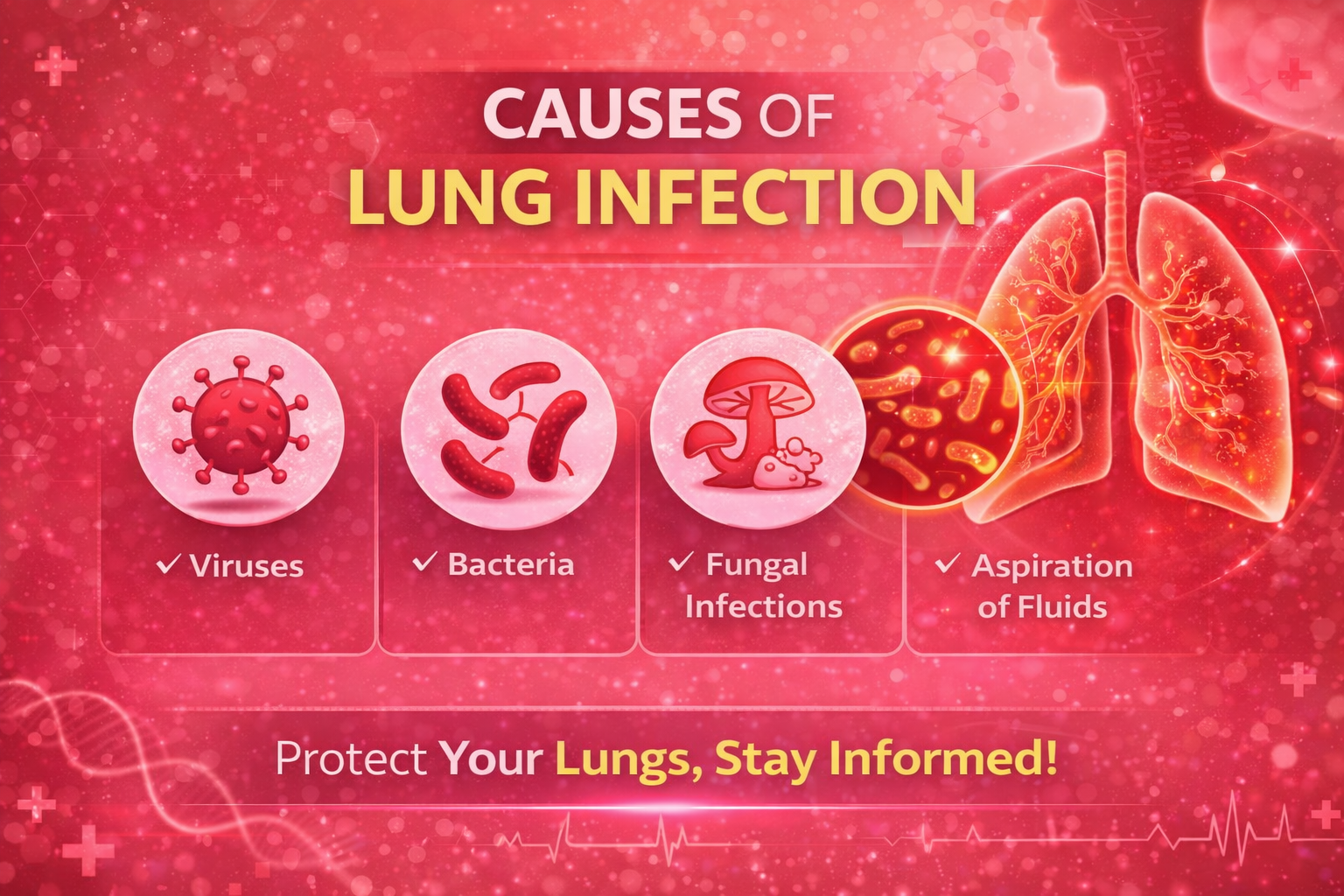
The cause assists in appropriate treatment.
Tuberculosis Bacteria
The main reason is the infection with Mycobacterium tuberculose which is transmitted by air in case a sick person sneezes or coughs.
Weak Immune System
Individuals whose immunity is weakened are at high risk of active infection.
Close Contact
Being in close contact with an infected individual or employee is a risk factor for spreading the infection.
Poor nutrition
Malnutrition weakens the immune response and increases susceptibility.
Chronic Illness
Infections are prone to conditions like diabetes or chronic lung disease.
All these aspects have the potential of escalating the chances of developing TB Pneumonia in case of exposure.
Symptoms You Should Not Ignore
TB Pneumonia can be symptomatic like other lung infections. Nevertheless, some symptoms should be addressed by a doctor at once.
Common symptoms include:
- The cough continues beyond two weeks.
- Chest pain
- Fever
- Night sweats
- Fatigue
- Weight loss
- Shortness of breath
- Blood in sputum
When you develop these symptoms, then seek the services of a healthcare professional at once. Late diagnosis does not allow for severe damage to the lungs.
TB Pneumonia Diagnosis and Medical Evaluation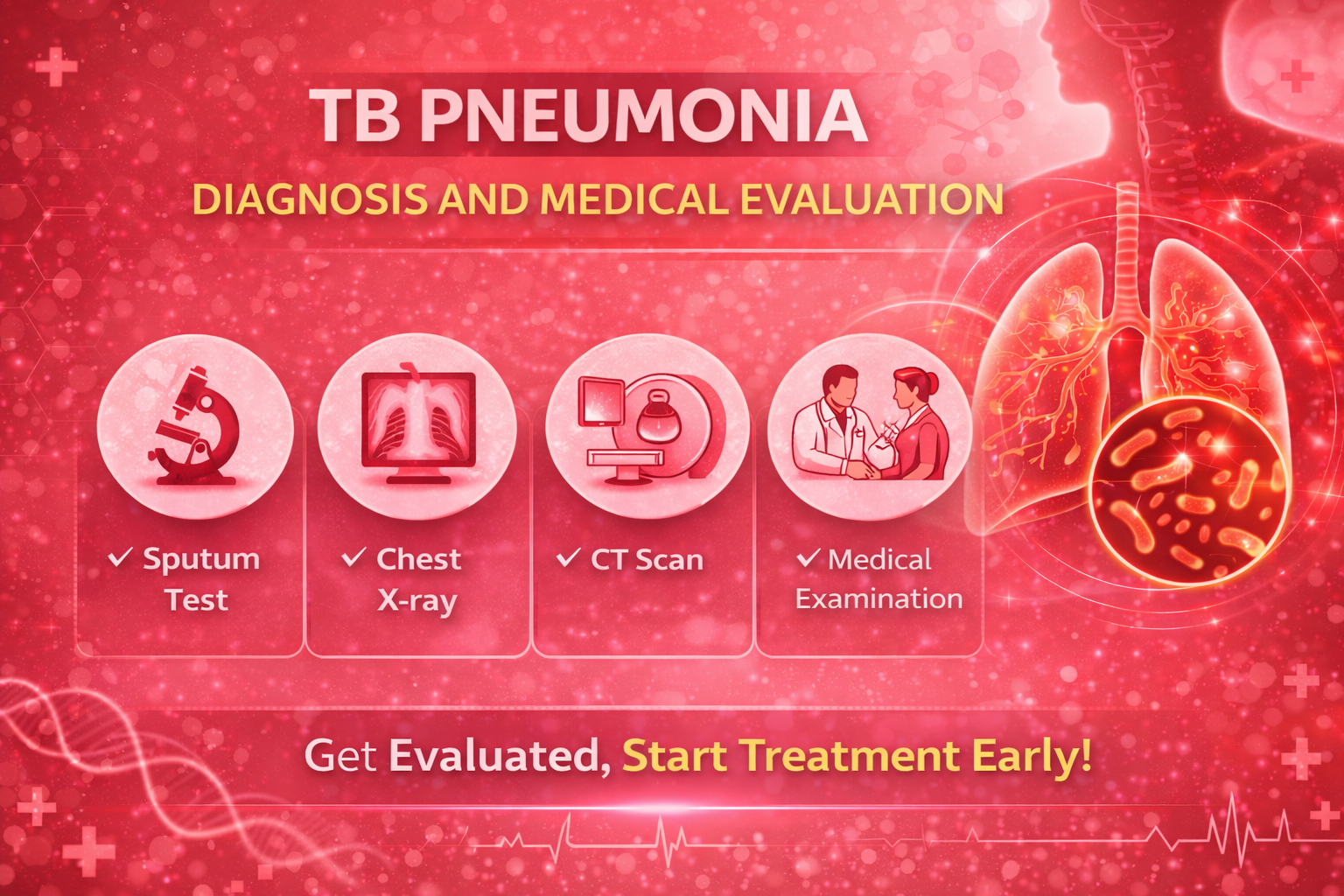
There are various ways in which doctors do diagnosis confirmation.
Medical History
Your doctor will enquire about symptoms, history of exposure, and prior infection.
Physical Examination
The physician listens to the sounds of the lungs and observes oxygen levels.
Chest Imaging
The chest X-ray is used to determine lung inflammation and the pattern of infections.
Sputum Testing
The presence of the tuberculosis bacteria in the laboratory testing of the sputum is ascertained.
Blood Tests
Blood test assists in evaluating the general health and immunity.
Proper diagnosis will guarantee proper treatment and the avoidance of unnecessary medication. Pneumonia
Treatment Options
TB Pneumonia is an urgent case and should be treated as a regular one.
Anti tuberculosis drug.
A combination of antibiotics is prescribed by doctors and is explicitly meant to kill the tuberculosis bacteria. The treatment lasts many months.
Hospital Care
In severe cases, the patient may need to be hospitalized to receive oxygen and supervision.
Supportive Therapy
Recovery is supported by rest, proper nutrition, and hydration.
Medication Adherence
It is necessary to complete a cycle of medication. Early discontinuation can result in resistance to drugs.
Supervision by the medical personnel during treatment guarantees improved results.
Possible Complications
The untreated infection can lead to severe complications, including:
- Severe lung damage
- Respiratory failure
- Infection transmission to other organs.
- Tuberculosis resistant to drugs.
- Difficulty breathing in the long run.
The treatment is an important factor that can minimize these risks.
Prevention Strategies 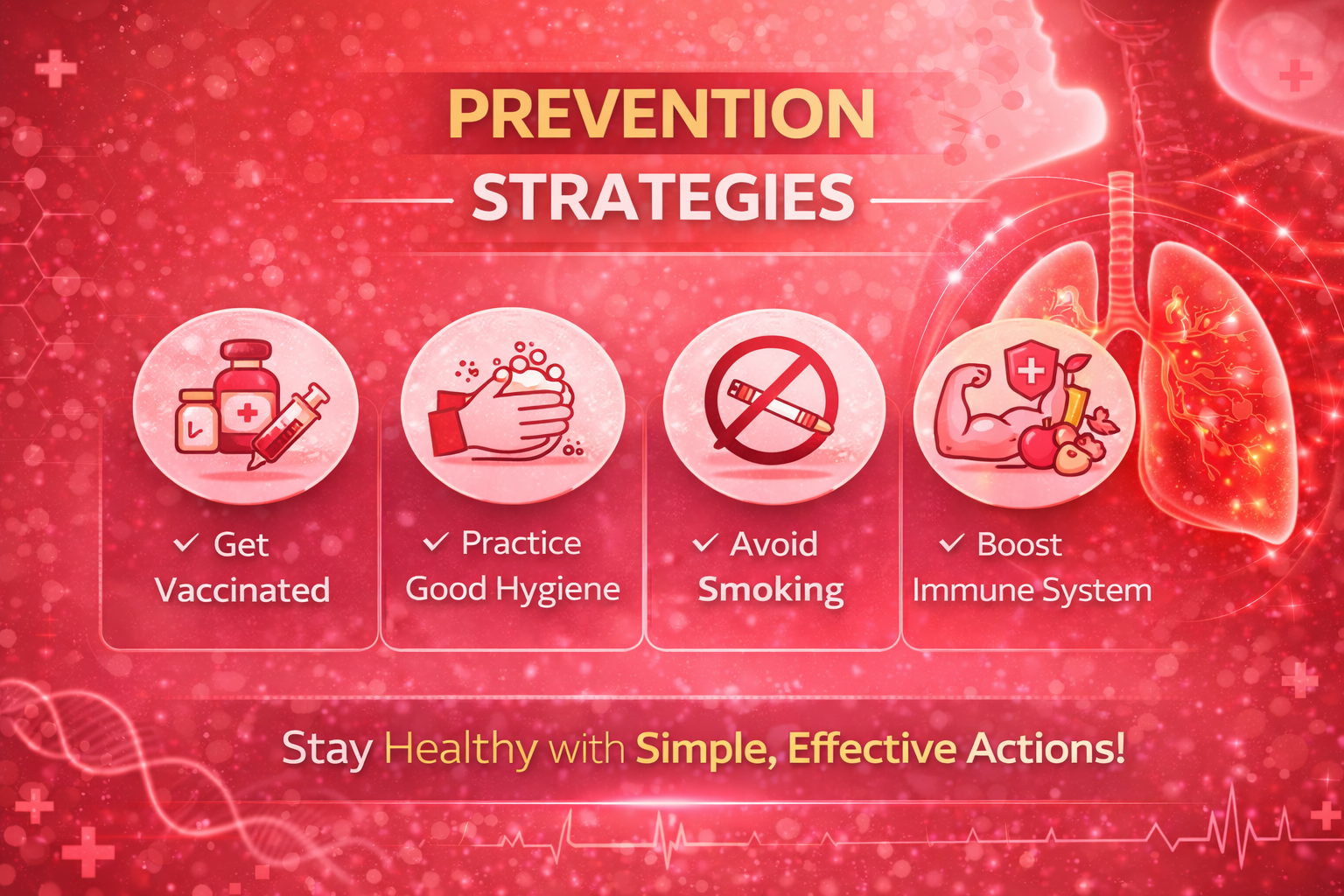
Prevention is an important factor in the regulation of spreading infections.
Vaccination
There are some vaccines that protect against serious forms of tuberculosis.
Early Screening
Screening of people at high risk should be done regularly.
Infection Control
Cough with a covered mouth and ensure that there is ventilation.
Healthy Lifestyle
Immunity is strong, and the risk of severe infection is lowered.
Prompt Medical Care
Emergency treatment–need to seek immediate care in case of symptoms.
Transmission can be controlled by means of public awareness and responsible behavior.
Risk Groups
Some are at increased risk:
- Individuals who have impaired immunity.
- People who are in congested locations.
- Healthcare workers
- Individuals with chronic diseases.
- Certain people who were in close contact with infected individuals.
Regular checkups are one of the issues that these groups should focus on.
Emotional and Social Impact
Chronic lung infections not only impact physical health. Contagious patients can be isolated and feared. Families can have concerns about transmission. Medical guidance and emotional support enhance the experience of recovery.
Education of the community reduces the level of stigma and promotes early treatment.
Importance of Early Diagnosis
Symptoms are confused with the common cold or seasonal flu. Delay enables the spread of infection in the lungs and even to other people. Early diagnosis will reduce the recovery period, reduce complications, and reduce healthcare costs.
Lifestyle Support During Recovery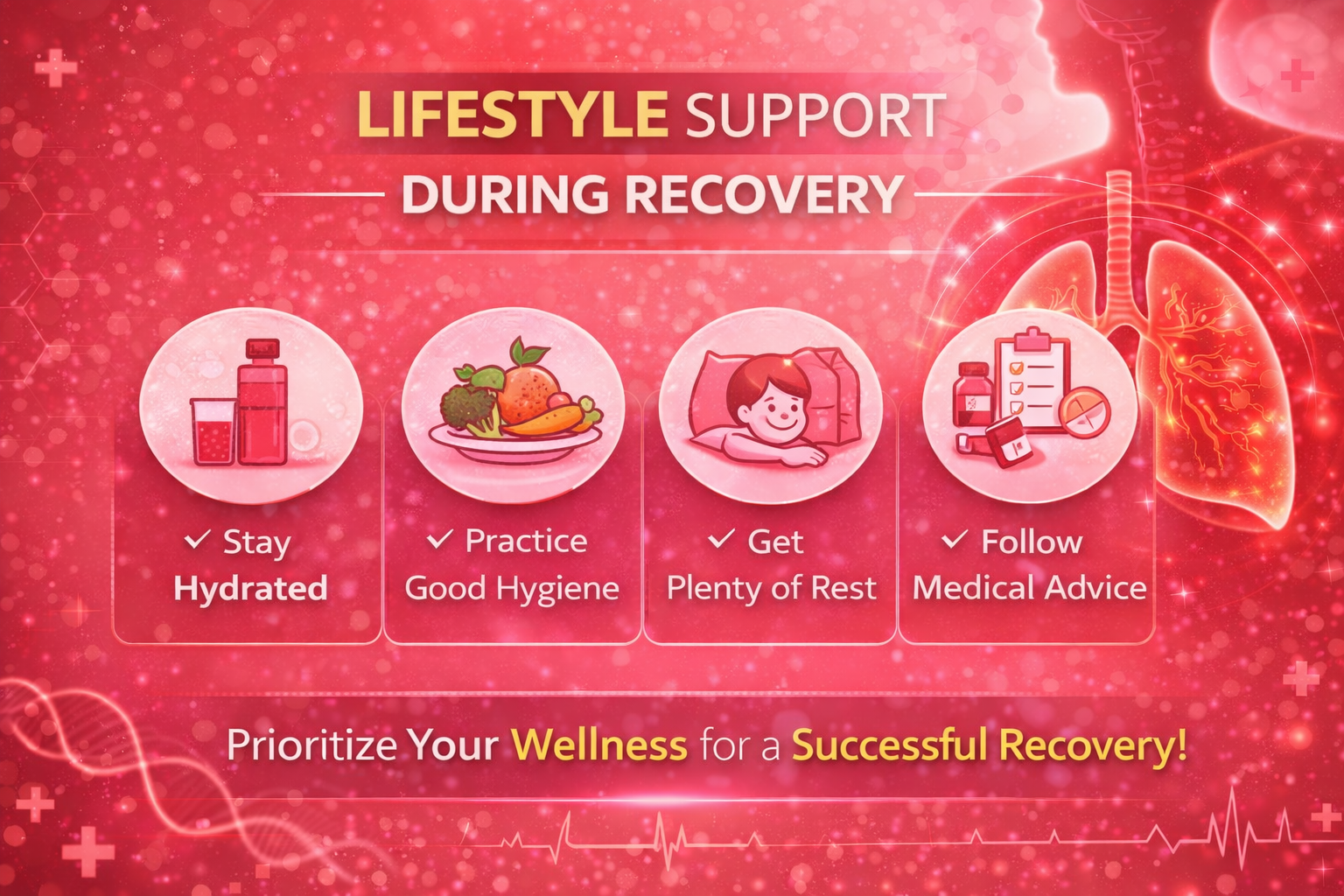
Patients may help themselves recover in the following ways:
- Eating balanced meals
- Staying hydrated
- Resting adequately
- Avoiding smoking
- Adherence to the doctor’s instructions.
Treatment failure reduces when there is consistency.
Global Health Perspective
Tuberculosis is still a significant issue on the health agenda of most countries. Health officials focus on the early screening, vaccination efforts, and community education.
When the patients adhere to the medical advice, access to proper treatment has contributed to the survival rates
When to Seek Emergency Care?
Use emergency medical assistance in case you have:
- Extreme difficulty in breathing.
- Without the improvement of high fever.
- Confusion
- Chest pain worsening
- Constant coughing of blood.
Life-threatening complications can be prevented by timely intervention.The Pneumonia
Frequently Asked Questions
What is TB Pneumonia?
TB Pneumonia is a severe lung infection caused by tuberculosis bacteria, which causes inflammation like pneumonia, and the inability to breathe.
How does TB Pneumonia spread?
It is transmitted in the air when an infected individual coughs, sneezes, or talks and sprays the bacteria on the environment.
What are the early symptoms of TB Pneumonia?
The symptoms that are common during the early stages include persistent coughing, chest pain, fever, night sweats, fatigue, and weight loss.
Is TB Pneumonia contagious?
Yes, it is contagious, and in case the infected individual has active tuberculosis in the lungs and is not under treatment, it can be contagious
How is TB Pneumonia diagnosed?
Physicians identify it with imaging of the chest, blood analysis, sputum analysis, and a thorough medical history.
Can TB Pneumonia be cured?
Yes, under the right prescription of antibiotics (complete and proper) by a doctor, most patients can be healed.
How long does treatment take?
Treatment typically takes a number of months and should be followed to the letter before drug resistance occurs.
Higher risk is associated with
Who is at higher risk of developing TB Pneumonia?
people having a weak immune system, having chronic diseases, unhealthy eating or having close contact with infected people.
What happens if TB Pneumonia is not treated?
The untreated infection may cause severe damage to the lungs, lung failure, and further infection of other organs.
How can I prevent TB Pneumonia?
Prevention involves vaccination where necessary, early screening, good ventilation, and consultation with medical facilities in case of symptoms.
Conclusion
TB is a severe pneumonia that requires early diagnosis and correct medical care. When the initial symptoms are overlooked, they may cause serious complications and permanent breathing loss.
Early screening, regular medication, a healthy lifestyle, and medical care can lead to successful recovery for patients and prevent transmission.
Be serious about your breathing. It is not only your life that will be safeguarded by early action, but also the well-being of your family and community.