

Breathing should never feel like a struggle. Yet for many people, asthma turns everyday activities such as climbing stairs, exercising, or even sleeping into difficult tasks.
Persistent coughing, wheezing, chest tightness, and shortness of breath can affect your quality of life if left untreated.
Fortunately, timely medical care can help you manage symptoms effectively and reduce the risk of severe asthma attacks.
If you are looking for an asthma doctor in Karachi, choosing a qualified specialist is one of the most important decisions you can make.
An experienced pulmonologist or respiratory physician not only confirms the diagnosis but also develops a personalized treatment plan that fits your lifestyle, medical history, and asthma severity.
This guide explains how asthma is diagnosed, when to seek specialist care, available treatment options, prevention strategies, and what to expect during your medical consultation.
Whether you have recently developed breathing problems or have lived with asthma for years, this article will help you make informed healthcare decisions.
What Is Asthma and Why Does It Develop?
Asthma is a chronic disease that causes inflammation and narrowing of the airways.
As a result, breathing becomes difficult, especially when the airways react to certain triggers.
Unlike temporary respiratory infections, bronchial asthma is a long-term condition that requires regular monitoring and proper medication.
Although asthma cannot always be permanently cured, modern treatment allows most people to lead active, healthy lives.
Common asthma triggers include:
- Dust mites
- Air pollution
- Cigarette smoke
- Pollen
- Mold
- Pet dander
- Cold air
- Strong perfumes
- Exercise
- Respiratory infections
- Emotional stress
People with allergic rhinitis, eczema, or a family history of allergies often have a higher risk of developing asthma.
According to the World Health Organization (WHO), asthma affects more than 260 million people worldwide, making it one of the most common chronic respiratory diseases.
What Are the Common Symptoms of Asthma?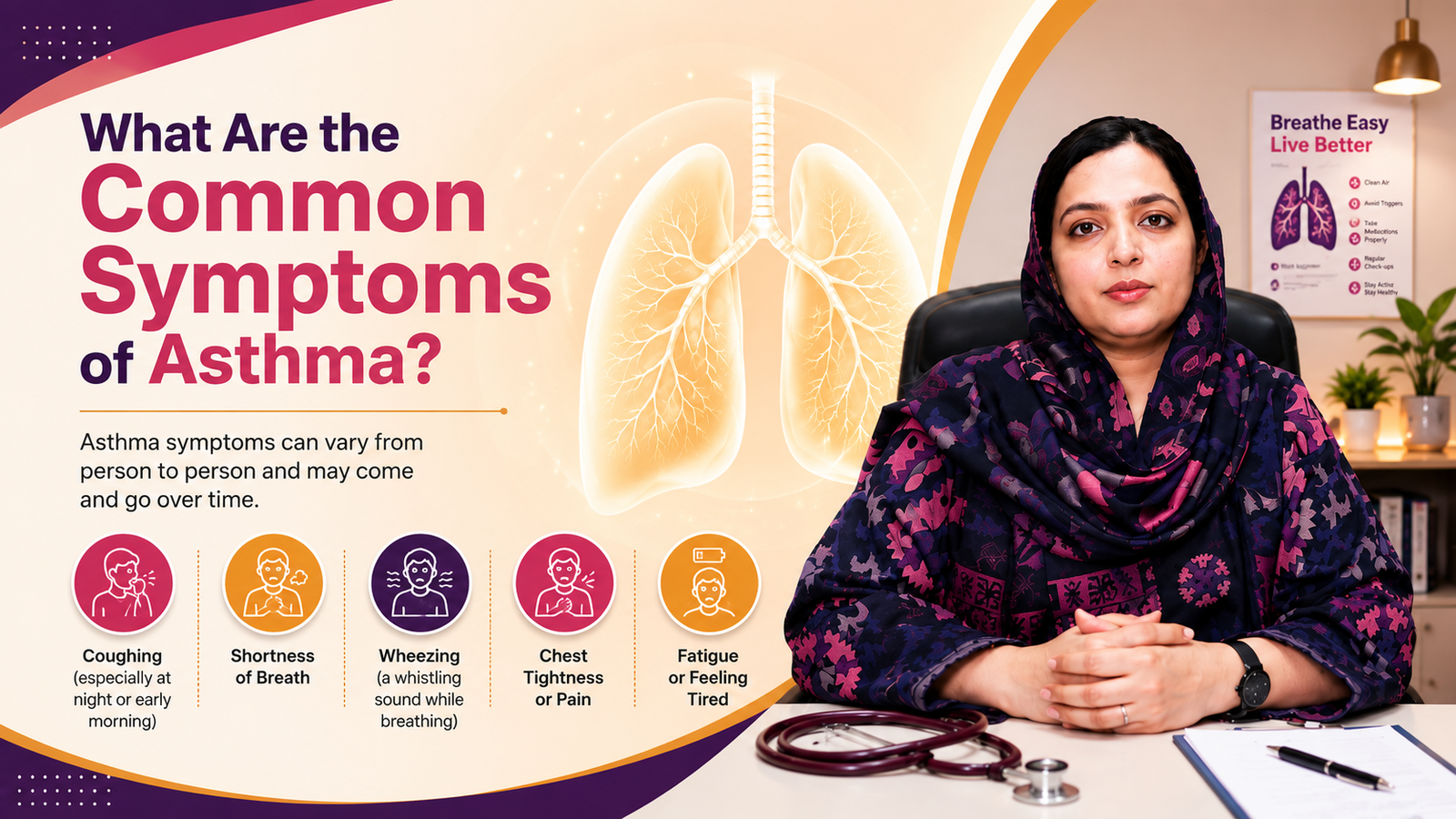
Asthma symptoms vary from person to person. Some individuals experience occasional flare-ups, while others develop daily breathing difficulties.
Common signs include:
- Wheezing, especially while exhaling
- Persistent cough, particularly at night
- Chest tightness
- Shortness of breath
- Difficulty exercising
- Rapid breathing
- Fatigue after physical activity
Some patients only notice symptoms during allergy season or after exposure to dust and smoke. Others develop severe asthma attacks that require emergency treatment.
Warning signs of a severe asthma attack include:
- Difficulty speaking because of breathlessness
- Bluish lips or fingertips
- Very fast breathing
- Chest pulling inward during breathing
- Little improvement after using a rescue inhaler
These symptoms require immediate medical attention.
When Should You See an Asthma Doctor in Karachi?
Many people ignore mild breathing problems until symptoms become severe. Early diagnosis often prevents complications and improves long-term asthma control.
You should consult a respiratory specialist if you experience:
- A cough lasting longer than three weeks
- Frequent wheezing
- Recurrent chest infections
- Nighttime coughing
- Breathlessness during routine activities
- Increased use of a rescue inhaler
- Repeated emergency room visits for breathing problems
Children with repeated coughing, noisy breathing, or difficulty playing due to breathlessness should also be evaluated by a pediatric respiratory specialist.
Seeking medical advice early often reduces airway damage and improves treatment outcomes.
How Does an Asthma Specialist Diagnose the Condition?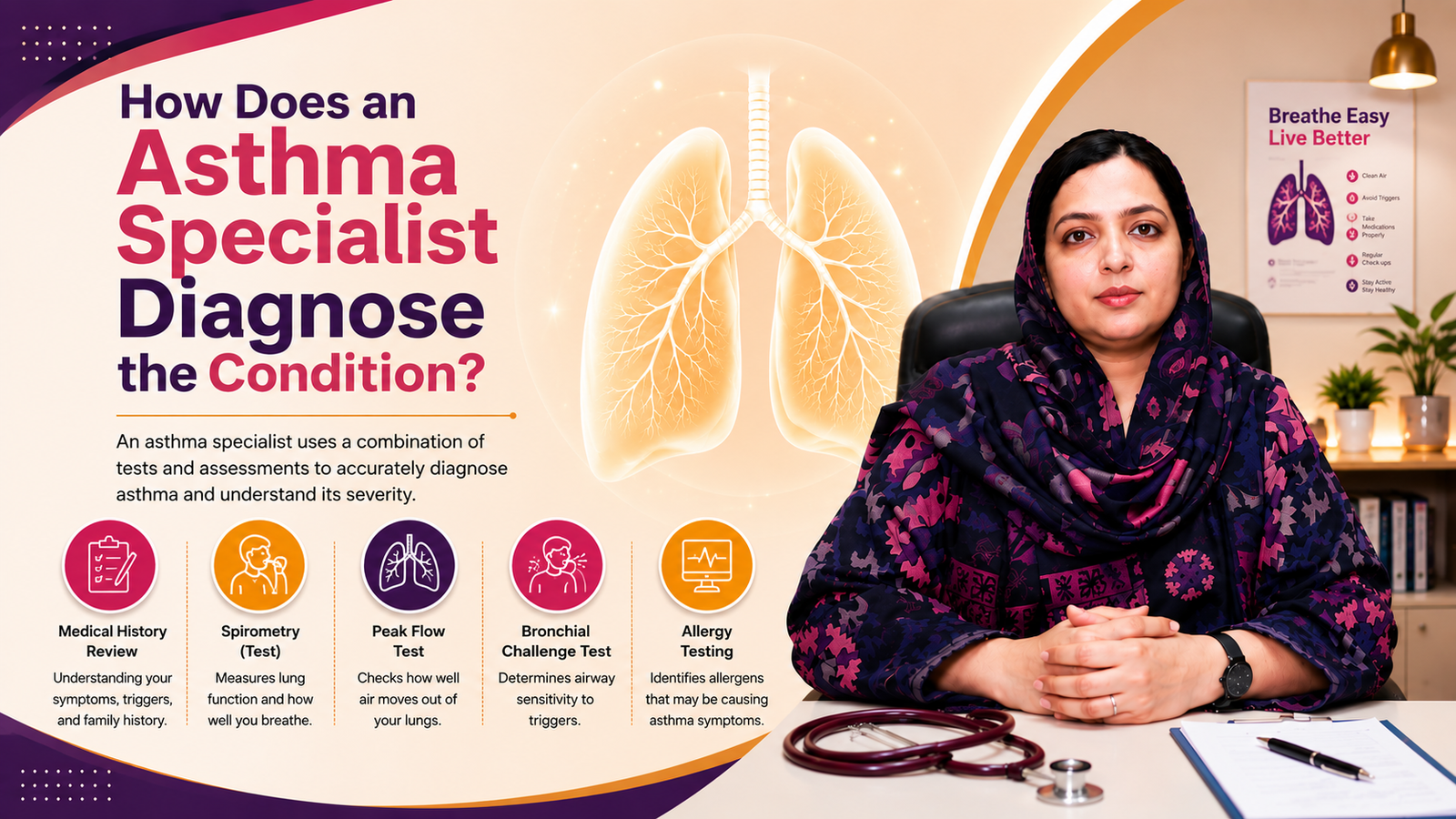
A proper diagnosis involves much more than listening to your lungs.
A skilled pulmonologist combines your medical history, symptoms, physical examination, and specialized lung function tests before confirming asthma.
Medical history
Your doctor may ask:
- When did symptoms begin?
- Are symptoms worse at night?
- Do allergies run in your family?
- What triggers breathing problems?
- Have you ever been hospitalized for asthma?
Physical examination
The physician listens for abnormal breathing sounds, wheezing, and signs of airway obstruction.
Diagnostic tests are commonly used
Test | Purpose |
Spirometry Test | Measures airflow and lung capacity |
Pulmonary Function Test | Evaluates overall lung performance |
Peak Flow Meter | Monitors daily breathing strength |
Chest X-ray | Helps rule out other lung diseases |
Allergy Testing | Identifies allergic triggers |
Blood Tests | Detect inflammation or allergic conditions |
Spirometry remains one of the most reliable tests for confirming asthma because it measures how much air you can exhale and how quickly you can do so.
What Treatments Help Control Asthma Effectively?
Asthma treatment focuses on reducing airway inflammation, preventing attacks, and helping patients breathe normally.
Most treatment plans combine medication with lifestyle changes.
Quick relief medicines
These medications work within minutes during an asthma attack.
Examples include:
- Rescue inhalers
- Short-acting bronchodilator medicine
- Nebulizer treatment during severe episodes
These medicines quickly relax airway muscles but should not replace long-term control therapy.
Long-term control medicines
These help prevent symptoms before they start.
Common options include:
- Corticosteroid inhalers
- Long-acting bronchodilators
- Combination inhalers
- Asthma control medication
- Allergy medications, when appropriate
Patients with allergy induced asthma may also benefit from allergy management alongside respiratory treatment.
Personalized asthma management
Every patient requires a customized treatment plan based on:
- Age
- Asthma severity
- Trigger exposure
- Existing lung conditions
- Lifestyle
- Occupational risks
Following your prescribed treatment consistently is one of the most effective ways to reduce hospital visits and improve quality of life.
Can Lifestyle Changes Improve Asthma Control?
Medication alone is not always enough. Daily habits play a major role in preventing flare-ups and maintaining healthy lungs.
Experts commonly recommend:
- Avoid smoking and secondhand smoke.
- Reduce exposure to dust and mold.
- Use air purifiers if indoor pollution is high.
- Keep vaccinations up to date.
- Exercise regularly after consulting your doctor.
- Maintain a healthy body weight.
- Follow your inhaler technique correctly.
- Monitor symptoms using a peak flow meter.
Simple lifestyle improvements often reduce asthma attacks significantly when combined with proper medical treatment.
How Do You Choose the Best Asthma Doctor in Karachi?
Selecting the right specialist can make a significant difference in long-t
erm asthma control. While many physicians treat respiratory conditions, not every doctor specializes in managing chronic asthma or severe airway diseases.
When comparing healthcare providers, consider the following factors:
1. Specialization
Choose a Pulmonologist in Karachi or a Respiratory Specialist in Karachi with experience treating asthma, chronic cough, bronchitis, COPD, and other lung conditions.
2. Diagnostic Facilities
A well-equipped clinic should offer or have access to:
- Spirometry testing
- Pulmonary function tests
- Peak flow monitoring
- Chest imaging
- Allergy testing when needed
Early and accurate diagnosis often leads to better treatment outcomes.
3. Personalized Treatment Plans
Every patient’s asthma is different. A skilled physician adjusts treatment based on:
- Symptom frequency
- Age
- Allergy history
- Occupation
- Lifestyle
- Severity of asthma attacks
Avoid doctors who prescribe the same medication plan for every patient without reviewing progress.
4. Follow-Up Care
Asthma requires ongoing monitoring. Regular follow-up appointments help your doctor:
- Adjust medications
- Review inhaler technique
- Monitor lung function
- Prevent worsening symptoms
Patients who attend scheduled follow-ups often experience fewer emergency asthma attacks.
Should You Visit a Pulmonologist, Chest Specialist, or Allergy Specialist?
Many people are unsure which doctor treats asthma. The answer depends on your symptoms and medical history.
Specialist | Best For |
Pulmonologist | Chronic asthma, severe asthma, and lung diseases |
Chest Specialist | Persistent cough, wheezing, breathing disorders |
Respiratory Specialist | Airway diseases and long-term asthma management |
Allergy Specialist | Allergy induced asthma, pollen allergy, dust allergy |
Consultant Physician | Initial asthma assessment and referral if needed |
Patients with complex breathing problems may benefit from coordinated care involving both a pulmonologist and an allergy specialist.
What Treatment Options Are Available for Adults and Children?
Asthma treatment has improved significantly over the past decade. Modern therapies focus on preventing symptoms instead of only treating attacks after they occur.
Treatment options commonly include:
Inhaler Therapy
Inhalers deliver medicine directly into the lungs, making them highly effective.
Common types include:
- Rescue inhalers
- Corticosteroid inhalers
- Combination inhalers
- Bronchodilator medicines
Correct inhaler technique is essential. Many patients unknowingly reduce treatment effectiveness by using inhalers incorrectly.
Nebulizer Treatment
Nebulizers convert liquid medicine into a fine mist that is easier to inhale.
Doctors often recommend nebulizer treatment for:
- Young children
- Elderly patients
- Severe asthma attacks
- Hospital emergencies
Allergy Management
Many asthma cases are triggered by allergies.
Treatment may involve:
- Allergy testing
- Dust mite control
- Pollen avoidance
- Air purifier use
- Medication for allergic rhinitis
Managing allergies often improves asthma symptoms dramatically.
Long-Term Asthma Management
Patients with persistent asthma usually require ongoing monitoring.
Long-term management may include:
- Daily preventive inhalers
- Routine lung function testing
- Trigger avoidance
- Vaccinations against influenza
- Written asthma action plans
Successful asthma care focuses on prevention rather than emergency treatment.
Which Tests Help Monitor Asthma Over Time?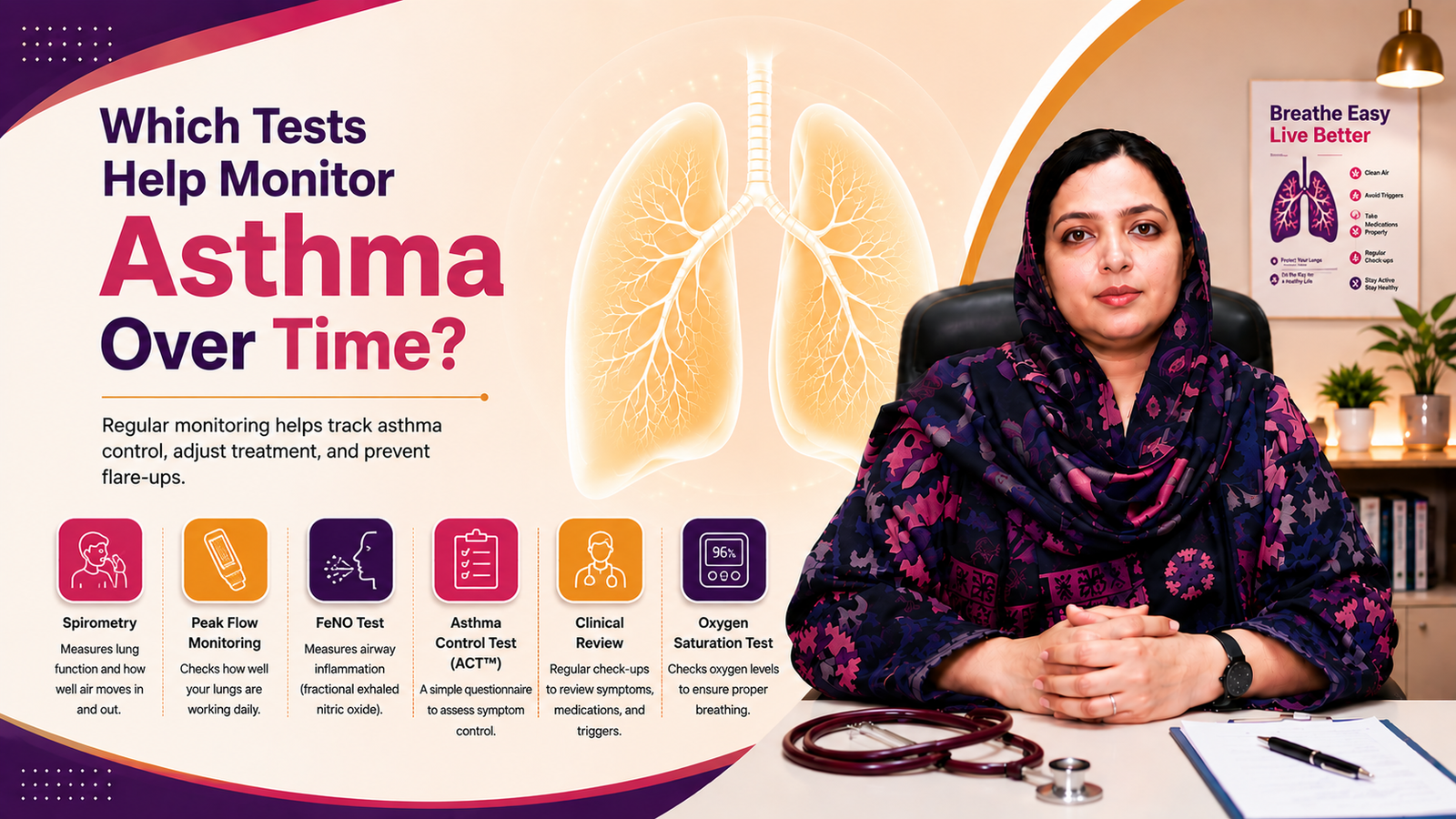
Diagnosis is only the beginning. Monitoring allows your doctor to measure how well your lungs respond to treatment.
Common monitoring tools include:
Spirometry
Measures airflow before and after inhaled medication.
Pulmonary Function Test
Provides detailed information about lung capacity and airway obstruction.
Peak Flow Meter
A simple handheld device that patients can use at home to detect early signs of worsening asthma.
Oxygen Saturation
Pulse oximeters measure oxygen levels during severe attacks or respiratory infections.
Regular monitoring allows medication adjustments before symptoms become severe.
How Can You Prevent Asthma Attacks?
Preventing asthma attacks is often easier than treating them.
Practical prevention tips
- Identify personal triggers.
- Avoid cigarette smoke.
- Keep your home free from dust buildup.
- Wash bedding regularly in hot water.
- Control indoor humidity.
- Wear a mask in polluted environments.
- Exercise regularly with medical advice.
- Receive recommended vaccinations.
- Always carry your rescue inhaler.
- Follow your prescribed medication schedule.
Patients who follow these preventive strategies generally experience fewer flare-ups and improved lung function.
What Are the Most Common Mistakes Asthma Patients Make?
Even with effective medications, certain habits can increase the risk of asthma attacks.
Common mistakes include:
- Stopping medication after symptoms improve
- Overusing rescue inhalers
- Ignoring persistent coughing
- Missing follow-up appointments
- Incorrect inhaler technique
- Smoking
- Self-medicating without medical advice
- Delaying treatment during worsening symptoms
Correcting these habits can greatly improve long-term asthma control.
How Does Asthma Compare With Other Respiratory Conditions?
Many lung diseases share similar symptoms, making professional diagnosis essential.
Condition | Common Symptoms | Main Difference |
Asthma | Wheezing, cough, chest tightness | Symptoms often improve with inhalers |
Bronchitis | Productive cough, mucus | Usually follows an infection |
COPD | Progressive breathing difficulty | Often linked to long term smoking |
Pneumonia | Fever, cough, chest pain | Lung infection requiring prompt treatment |
Allergic Rhinitis | Sneezing, nasal congestion | Primarily affects the nose but can trigger asthma |
Sleep Apnea | Interrupted breathing during sleep | Causes poor sleep rather than airway inflammation |
Because symptoms can overlap, professional evaluation is important before starting treatment.
What Is the Best Treatment for Asthma?
The best treatment depends on the severity and type of asthma. Most patients benefit from a combination of preventive inhalers, quick relief medication, trigger avoidance, regular follow up visits, and lifestyle changes.
A personalized treatment plan created by an experienced respiratory specialist offers the best long term results.
When Should You See an Asthma Specialist?
You should consult a specialist if you experience frequent wheezing, persistent coughing, repeated asthma attacks, increasing use of rescue inhalers, nighttime breathing problems, or symptoms that interfere with daily life despite treatment.
Expert Tip
Many patients assume asthma only affects children.
In reality, adult-onset asthma is increasingly common and may appear after respiratory infections, environmental exposure, or allergies.
Seeking timely evaluation can help prevent long-term airway damage and improve quality of life.
How Can You Live a Healthy and Active Life With Asthma?
An asthma diagnosis does not mean you have to limit your daily activities.
With proper medical care, consistent medication, and healthy lifestyle choices, most people can work, exercise, travel, and enjoy an active life.
To manage asthma successfully:
- Follow your treatment plan exactly as prescribed.
- Learn the correct inhaler technique.
- Keep track of your symptoms and triggers.
- Attend regular follow-up appointments.
- Maintain a healthy weight and stay physically active.
- Drink enough water to help keep airways comfortable.
- Reduce exposure to dust, smoke, and air pollution.
- Manage seasonal allergies before they trigger asthma symptoms.
- Carry your rescue inhaler when traveling or exercising.
Asthma management is a long-term commitment. Small, consistent steps often lead to better breathing and fewer emergency visits.
What Questions Should You Ask During Your Appointment?
Preparing questions before your visit helps you get the most value from your consultation.
Consider asking:
- What type of asthma do I have?
- What is causing my symptoms?
- Which inhaler is right for me?
- Do I need a spirometry or pulmonary function test?
- How can I prevent future asthma attacks?
- Should I undergo allergy testing?
- How often should I schedule follow-up visits?
- What should I do during a severe asthma attack?
- Can I safely exercise with asthma?
- Are there environmental triggers I should avoid?
These questions encourage clear communication and help you take an active role in your treatment.
Expert Recommendations for Better Asthma Control
Respiratory physicians emphasize that successful asthma care depends on a partnership between the patient and healthcare provider.
Best practices include:
- Take controller medication consistently, even when you feel well.
- Never stop treatment without medical advice.
- Replace inhalers before they expire.
- Review your inhaler technique during follow-up visits.
- Treat allergies promptly to reduce airway inflammation.
- Avoid smoking and secondhand smoke.
- Monitor symptoms during seasonal weather changes.
- Seek immediate medical attention if rescue medication does not relieve symptoms.
Following these recommendations can reduce the frequency of asthma attacks and improve long-term lung health.
Frequently Asked Questions
Who is the best asthma doctor in Karachi?
The best doctor depends on your condition, medical history, and treatment needs.
A qualified pulmonologist or respiratory specialist with experience in asthma diagnosis, spirometry testing, and long term asthma management is generally the most suitable choice.
Can asthma be cured permanently?
There is currently no permanent cure for asthma. However, modern treatment plans, including inhaler therapy, trigger management, and regular medical follow up, allow most patients to keep symptoms well controlled and live normal, active lives.
Which inhaler is best for asthma?
The right inhaler depends on the severity and type of asthma.
Some patients require a rescue inhaler for quick relief, while others benefit from daily corticosteroid or combination inhalers. A specialist will recommend the most appropriate option after evaluation.
What tests are used to diagnose asthma?
Doctors commonly use spirometry, pulmonary function tests, peak flow measurements, physical examination, medical history, and sometimes allergy testing to confirm asthma and assess its severity.
How can asthma attacks be prevented?
You can reduce the risk of asthma attacks by taking prescribed medication regularly, avoiding known triggers such as dust, smoke, and pollen, using inhalers correctly, attending follow up appointments, and maintaining a healthy lifestyle.
Conclusion
Finding the right asthma doctor in karachi is an important step toward better breathing and long-term respiratory health.
Early diagnosis, accurate lung function testing, personalized treatment, and regular follow-up care all contribute to effective asthma management.
Whether you experience occasional wheezing or frequent asthma attacks, consulting a qualified pulmonologist or respiratory specialist can help you regain control of your symptoms and improve your quality of life.
If you or a loved one has a persistent cough, chest tightness, or shortness of breath, do not delay seeking professional medical advice.
Early treatment not only reduces complications but also helps you enjoy a healthier, more active future.