

Living with diabetes is not just about keeping your blood sugar within a healthy range.
It requires consistent medical care, lifestyle adjustments, proper nutrition, and regular follow-up to prevent long-term complications.
Whether you have recently been diagnosed with diabetes mellitus or have been managing the condition for years, choosing the best diabetes doctor in Karachi can make a significant difference in your health and quality of life.
Karachi is home to many experienced healthcare professionals, including diabetologists, endocrinologists, and consultant physicians who specialize in diabetes management.
However, selecting the right doctor involves more than checking qualifications.
You should look for expertise, patient-centered care, access to modern diagnostic tools, personalized treatment plans, and ongoing support for blood sugar control.
This comprehensive guide explains how diabetes specialists help patients, when to seek expert care, available treatment options, diagnostic tests, and practical tips to manage diabetes successfully.
Whether you are searching for an experienced diabetologist in Karachi, a diabetes consultation, or a diabetes care clinic near you, this article covers everything you need to know.
What Is a Diabetes Doctor and What Do They Treat?
A diabetes doctor focuses on diagnosing, treating, and managing diabetes and related metabolic disorders.
Depending on the patient’s condition, treatment may be provided by a diabetes specialist in Karachi, an endocrinologist, or an experienced physician with expertise in diabetes care.
These specialists help patients with:
- Type 1 diabetes treatment
- Type 2 diabetes treatment
- Gestational diabetes
- Prediabetes
- Insulin resistance
- Thyroid disorders
- Obesity and diabetes
- High cholesterol
- Hypertension associated with diabetes
- Hormonal disorders affecting blood sugar
Their goal is not only to lower blood glucose levels but also to reduce the risk of complications affecting the heart, kidneys, eyes, and nerves.
Featured Snippet:
A diabetologist specializes in diagnosing, treating, and monitoring diabetes through medication, lifestyle modification, insulin therapy, regular follow-up, and prevention of long term complications.
Who Is the Best Diabetes Doctor in Karachi?
There is no single doctor who is the right choice for every patient.
The best healthcare provider depends on your medical history, age, diabetes type, existing complications, and treatment goals.
When choosing a diabetes doctor in Karachi, consider the following factors:
Factor | Why It Matters |
Experience | Better management of complex diabetes cases |
Qualifications | Specialized training in diabetes and endocrinology |
Patient Reviews | Reflect on communication and patient satisfaction |
Diagnostic Facilities | Faster diagnosis and treatment planning |
Follow-Up Care | Essential for long-term diabetes control |
Personalized Treatment | Every patient’s needs are different |
Emergency Support | Helpful during sudden blood sugar changes |
Many patients also prefer doctors who provide diabetes education, nutrition counseling, and continuous monitoring instead of only prescribing medications.
When Should You See a Diabetes Specialist?
Many people delay specialist care until complications appear.
Early consultation often leads to better outcomes and fewer health problems.
You should schedule a diabetes consultation if you experience:
- Frequent urination
- Excessive thirst
- Constant fatigue
- Blurred vision
- Slow wound healing
- Tingling in hands
- Numbness in the feet
- Increased hunger
- Unexplained weight loss
- Recurrent skin or urinary infections
You should also consult a specialist if:
- Blood sugar remains uncontrolled.
- Oral medicines are not working effectively.
- You need insulin therapy.
- You are pregnant with diabetes.
- You have kidney disease or heart disease.
- Your HbA1c remains above the target range.
- You experience repeated episodes of hypoglycemia or hyperglycemia.
Early intervention significantly reduces the risk of diabetic neuropathy, diabetic nephropathy, diabetic retinopathy, and cardiovascular disease.
How Is Diabetes Diagnosed?
Accurate diagnosis is the first step toward effective diabetes management.
A diabetes physician in Karachi may recommend one or more laboratory tests depending on your symptoms and medical history.
Common diagnostic tests include:
Fasting Blood Sugar Test
Measures blood glucose after fasting for at least eight hours.
Random Blood Sugar Test
Checks blood sugar at any time of the day, regardless of meals.
HbA1c Test
This important test reflects your average blood glucose over approximately three months and helps monitor treatment effectiveness.
Oral Glucose Tolerance Test
Often recommended during pregnancy to diagnose gestational diabetes.
Additional assessments may include:
- Kidney function tests
- Cholesterol profile
- Blood pressure evaluation
- Eye examination
- Foot examination
- Urine protein testing
- Body Mass Index assessment
The American Diabetes Association (ADA) recommends regular screening for individuals with obesity, a family history of diabetes, hypertension, or other risk factors.
Which Doctor Is Best for Type 2 Diabetes?
Most patients with Type 2 diabetes initially receive treatment from a physician.
However, if blood sugar becomes difficult to control or complications develop, referral to the best diabetologist in Karachi or an endocrinologist may provide additional benefits.
A diabetes specialist can help with:
- Personalized medication selection
- Insulin management
- Continuous Glucose Monitoring (CGM)
- Weight management
- Diabetes lifestyle management
- Prevention of complications
- Long term monitoring
Patients with multiple medical conditions often benefit from coordinated care involving dietitians, eye specialists, kidney specialists, cardiologists, and diabetes educators.
What Treatment Options Are Available for Diabetes?
Treatment depends on the type of diabetes, age, lifestyle, and overall health.
A personalized diabetes treatment plan may include:
Lifestyle Changes
Healthy habits remain the foundation of successful diabetes care.
Recommendations include:
- Balanced diabetes diet plan
- Regular physical activity
- Weight management
- Smoking cessation
- Stress reduction
- Adequate sleep
Oral Diabetes Medications
Many patients with Type 2 diabetes respond well to oral medicines that improve insulin sensitivity or reduce glucose production.
Insulin Therapy
Patients with Type 1 diabetes require insulin. Some people with advanced Type 2 diabetes also benefit from insulin injections when oral medications no longer provide adequate control.
Modern insulin delivery methods have made treatment safer and more convenient than ever before.
What Does Effective Diabetes Management Involve?
Successful diabetes management goes beyond taking medication.
It requires a combination of healthy habits, regular monitoring, and close communication with your healthcare provider.
The goal is to maintain stable blood sugar levels while reducing the risk of long-term complications.
An experienced diabetes consultant in Karachi typically creates a personalized care plan based on:
- Age and lifestyle
- Type of diabetes
- Blood sugar patterns
- Existing medical conditions
- Body weight
- Family history
- Daily activity level
A personalized approach often leads to better outcomes than a one size fits all treatment plan.
How Can You Keep Blood Sugar Under Control?
Consistent blood sugar control helps protect your heart, kidneys, eyes, nerves, and blood vessels.
Small daily habits can make a significant difference over time.
Best Practices for Blood Sugar Control
- Monitor blood glucose regularly.
- Take medications exactly as prescribed.
- Eat balanced meals with controlled carbohydrate portions.
- Stay physically active for at least 150 minutes each week.
- Drink enough water.
- Sleep 7 to 8 hours each night.
- Attend routine diabetes follow-up appointments.
- Manage stress through relaxation techniques or physical activity.
Many specialists recommend maintaining a daily record of blood sugar readings to identify trends and adjust treatment when needed.
Featured Snippet:
The most effective way to control diabetes is by combining healthy eating, regular exercise, medication adherence, blood glucose monitoring, and routine follow-up with a diabetes specialist.
What Role Does Blood Glucose Monitoring Play?
Monitoring blood sugar helps patients and doctors evaluate whether treatment is working effectively.
Common monitoring methods include:
Self-Monitoring with a Glucometer
Patients check their blood sugar at home using a small blood sample.
This helps monitor:
- Fasting blood sugar
- Before meals
- After meals
- Bedtime glucose levels
Continuous Glucose Monitoring (CGM)
Continuous Glucose Monitoring (CGM) uses a small sensor placed on the skin to measure glucose throughout the day and night.
Benefits include:
- Real-time glucose readings
- Early detection of low blood sugar
- Better insulin adjustments
- Improved long-term diabetes control
- Fewer unexpected blood sugar fluctuations
CGM is especially beneficial for patients receiving intensive insulin therapy.
Why Is Diabetes Nutrition Counseling Important?
Food choices directly affect blood sugar levels.
A qualified healthcare provider often works with a dietitian to create a practical meal plan rather than recommending restrictive diets.
A healthy diabetes diet plan generally includes:
- Whole grains
- Fresh vegetables
- High fiber foods
- Lean protein
- Healthy fats
- Fresh fruits in controlled portions
- Low-fat dairy products
Foods to limit include:
- Sugary beverages
- Processed snacks
- White bread
- Refined carbohydrates
- Fried foods
- Excess sweets
Instead of following short-term diet trends, focus on building sustainable eating habits that fit your daily routine.
How Important Is Exercise for Diabetes?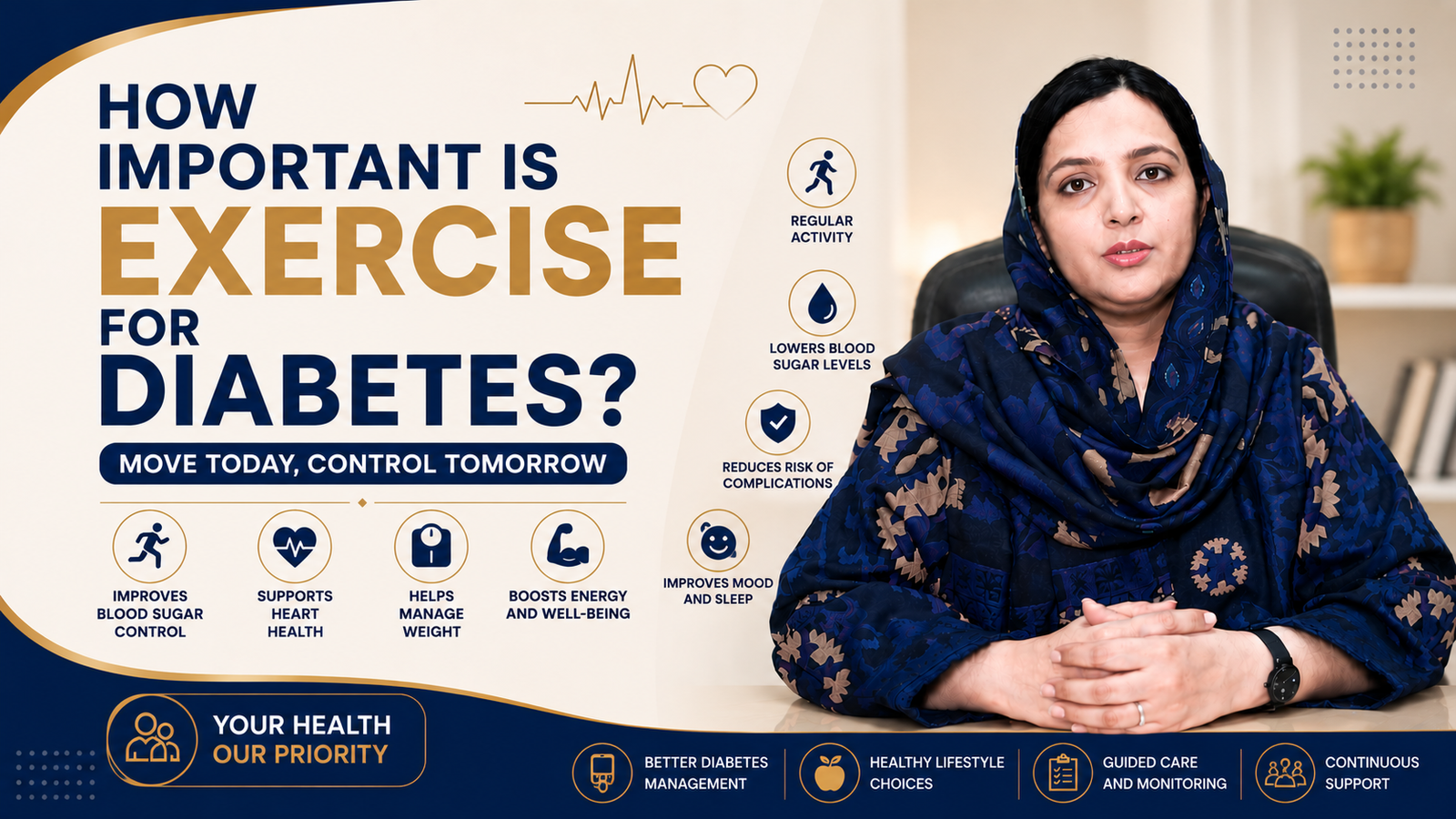
Regular physical activity improves insulin sensitivity and supports better metabolic health.
Benefits include:
- Better blood glucose control
- Weight management
- Lower blood pressure
- Improved cholesterol levels
- Stronger heart health
- Increased energy
- Better mental well-being
Most specialists recommend:
- Brisk walking
- Cycling
- Swimming
- Light strength training
- Stretching exercises
Always consult your healthcare provider before starting a new exercise program, especially if you have heart disease, diabetic neuropathy, or joint problems.
How Can Diabetes Complications Be Prevented?
Many diabetes related complications develop gradually and often without obvious symptoms.
Regular medical follow-up helps detect problems early.
Complications That Require Regular Monitoring
Complication | Prevention Strategy |
Diabetic Retinopathy | Annual eye examination |
Diabetic Nephropathy | Kidney function tests and urine analysis |
Diabetic Neuropathy | Routine nerve assessment |
Diabetic Foot Ulcer | Daily foot inspection and professional foot care |
Cardiovascular Disease | Blood pressure and cholesterol control |
Maintaining healthy blood sugar levels significantly lowers the risk of these complications.
Why Is Diabetic Foot Care So Important?
High blood sugar can damage nerves and reduce blood circulation, making even minor foot injuries serious if left untreated.
Good foot care includes:
- Inspect your feet daily.
- Wash and dry feet carefully.
- Wear properly fitting footwear.
- Never walk barefoot.
- Trim nails safely.
- Report cuts, blisters, or swelling promptly.
Patients with reduced sensation in their feet should schedule regular professional foot examinations.
Can Diabetes Affect Other Organs?
Yes. Diabetes is closely linked with several other health conditions.
A diabetes specialist often evaluates patients for:
- Hypertension
- High cholesterol
- Kidney disease
- Fatty liver disease
- Thyroid disorders
- Obesity
- Cardiovascular disease
Managing these conditions together improves overall health and reduces future complications.
What Should Seniors Know About Diabetes Care?
Older adults often have different healthcare needs than younger patients.
Diabetes care for seniors focuses on:
- Safe medication use
- Fall prevention
- Nutrition support
- Kidney function monitoring
- Vision care
- Blood pressure control
- Medication review
- Family involvement
Doctors may choose treatment plans that minimize the risk of hypoglycemia while maintaining good blood sugar control.
How Do You Choose the Right Diabetes Care Clinic?
Selecting the right diabetes care clinic involves more than finding the nearest location.
Look for a clinic that offers:
- Experienced diabetes physicians
- Certified endocrinologists
- Modern laboratory services
- HbA1c testing
- Diabetes screening
- Nutrition counseling
- Insulin therapy guidance
- Follow-up appointments
- Foot care services
- Patient education programs
Patients searching for a diabetes clinic near me, a diabetes treatment center Karachi, or a diabetes specialist near me Karachi should also consider appointment availability, communication, and continuity of care.
What Mistakes Should Diabetic Patients Avoid?
Many complications result from avoidable mistakes rather than the disease itself.
Common mistakes include:
- Skipping medications
- Missing follow-up visits
- Ignoring high blood sugar readings
- Eating unhealthy foods regularly
- Avoiding exercise
- Stopping insulin without medical advice
- Smoking
- Delaying treatment for foot wounds
- Self-adjusting medication doses
- Ignoring annual eye and kidney checkups
Avoiding these habits greatly improves long-term health outcomes.
What Do Diabetes Specialists Recommend for Long-Term Success?
Experienced specialists emphasize that diabetes requires lifelong management rather than short-term treatment.
Their recommendations include:
- Follow a personalized treatment plan.
- Schedule routine diabetes check-ups.
- Monitor blood glucose consistently.
- Maintain a healthy body weight.
- Stay physically active.
- Eat balanced meals.
- Take medications as prescribed.
- Keep blood pressure and cholesterol under control.
- Stay informed about your condition.
- Seek medical advice whenever blood sugar becomes difficult to manage.
These simple but consistent habits help many people live healthy, active lives while reducing the risk of serious complications.
Frequently Asked Questions
Who is the best diabetes doctor in Karachi?
The best diabetes doctor is one who has extensive experience in managing diabetes, provides personalized treatment plans, communicates clearly, and offers regular follow-up care.
Consider the doctor’s qualifications, patient reviews, clinical experience, and access to modern diagnostic facilities when making your choice.
When should I see a diabetes specialist?
You should consult a diabetes specialist if you have symptoms such as frequent urination, excessive thirst, unexplained weight loss, blurred vision, slow wound healing, or persistently high blood sugar levels.
Patients with uncontrolled diabetes, pregnancy-related diabetes, or diabetes complications should also seek specialist care.
What tests are required to diagnose diabetes?
Doctors commonly recommend:
- Fasting Blood Sugar Test
- Random Blood Sugar Test
- HbA1c Test
- Oral Glucose Tolerance Test (when needed)
Additional tests may include kidney function tests, cholesterol profile, urine analysis, eye examinations, and foot assessments to evaluate overall health.
Can Type 2 diabetes be controlled without insulin?
Yes. Many people with Type 2 diabetes manage their condition through healthy eating, regular exercise, weight management, oral diabetes medications, and routine blood sugar monitoring.
However, some patients may require insulin therapy if blood sugar remains uncontrolled or the pancreas produces insufficient insulin.
How often should diabetic patients visit a doctor?
The frequency depends on individual health needs. Most patients benefit from a follow-up visit every 3 to 6 months, while those with uncontrolled diabetes, medication changes, pregnancy, or complications may require more frequent consultations.
Your doctor will recommend a schedule based on your condition.
Conclusion
Choosing the best diabetes doctor in Karachi is one of the most important decisions for anyone living with diabetes.
The right specialist does more than prescribe medication—they provide personalized care, monitor your progress, help prevent complications, and guide you toward a healthier lifestyle.
Whether you have Type 1 diabetes, Type 2 diabetes, gestational diabetes, or prediabetes, early diagnosis and consistent follow-up can significantly improve long-term health outcomes.
Regular HbA1c testing, blood glucose monitoring, a balanced diet, physical activity, and routine medical check-ups all play a vital role in effective diabetes management.
If you are experiencing symptoms such as frequent urination, excessive thirst, unexplained weight loss, blurred vision, or constant fatigue, do not delay seeking medical advice.
Early intervention can help prevent complications affecting the heart, kidneys, eyes, and nerves.
By working closely with an experienced diabetes specialist and following a personalized treatment plan, most people can successfully control their blood sugar and maintain an active, healthy life.
Take the first step today by scheduling a diabetes consultation with a qualified specialist. Consistent care today can protect your health for years to come.