

Body pain can happen after physical activity, poor sleep, stress, an infection, an injury, or an underlying health condition.
Sometimes the reason is obvious, such as muscle soreness after exercise. In other cases, pain develops without a clear trigger or continues longer than expected.
Understanding body pain causes is useful because the location, duration, severity, and accompanying symptoms can provide important clues about what may be happening.
Pain affecting one area is often related to muscles, joints, nerves, or an injury, while pain throughout the body may be associated with infections, inflammation, sleep problems, nutritional deficiencies, or certain medical conditions.
Most mild aches improve with rest and appropriate self-care.
However, severe, persistent, unexplained, or worsening pain should not simply be ignored.
A healthcare professional can assess the symptoms, identify possible causes, and determine whether testing or treatment is necessary.
This guide explains common causes of body aches, symptoms to watch for, how doctors evaluate pain, treatment options, prevention, and when patients in Karachi should seek medical attention.
What Is Body Pain?
Body pain is discomfort, aching, soreness, stiffness, burning, or tenderness that can affect muscles, joints, bones, nerves, or several areas at the same time.
It may be temporary after exertion or illness, but persistent or unexplained pain can sometimes indicate an underlying medical problem that needs evaluation.
Pain is the body’s way of signaling that something may be irritated, injured, inflamed, or otherwise affecting normal function. The sensation varies considerably from person to person.
Some people describe a dull ache throughout the body. Others experience sharp pain in a particular joint, burning or tingling along a nerve, muscle tenderness, or stiffness after waking up.
An important distinction is whether pain is localized or widespread. Localized pain affects a specific area, such as the neck, shoulder, lower back, or knee.
Widespread pain affects several regions or feels like an ache throughout the body.
What Are the Most Common Body Pain Causes?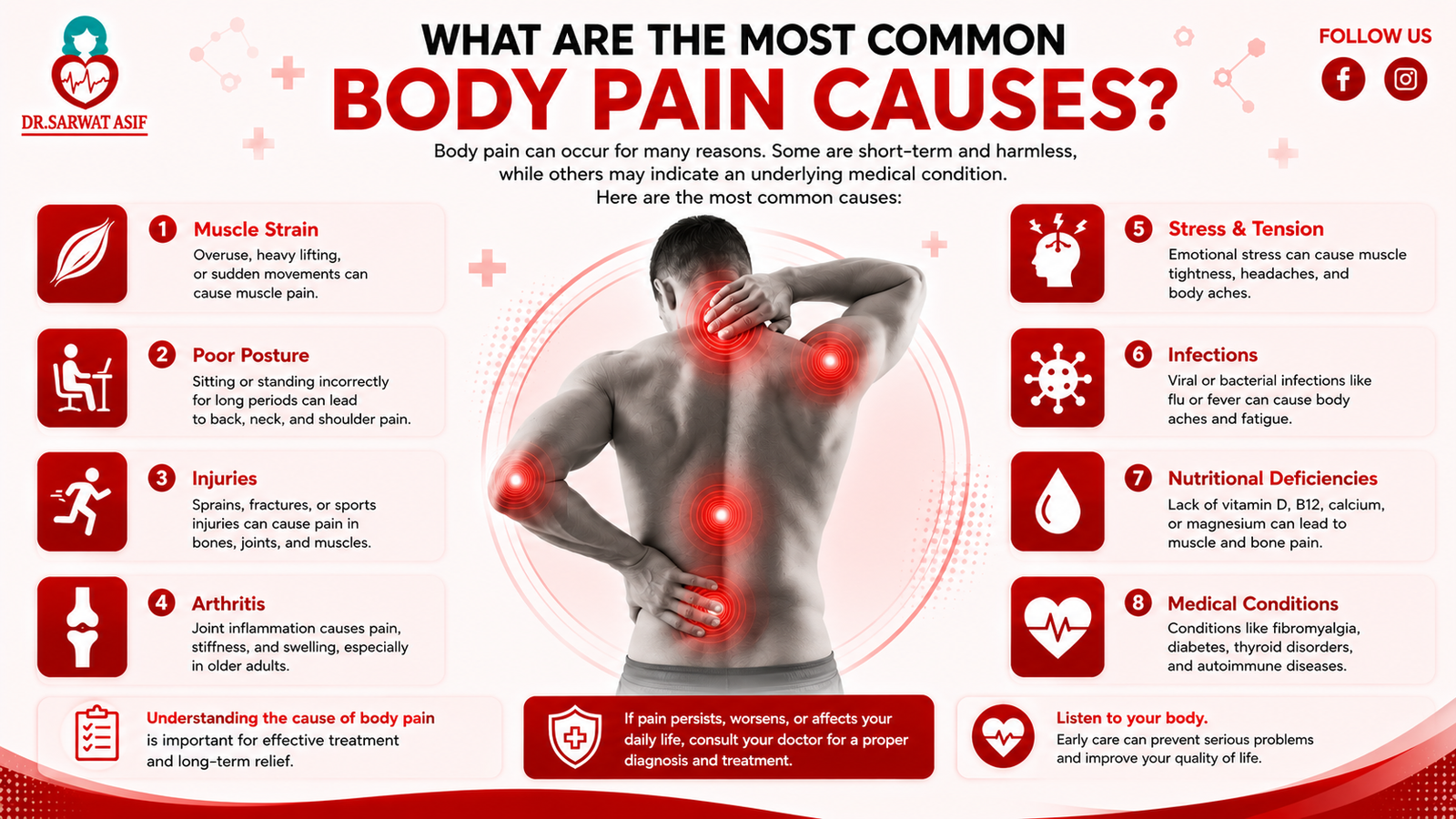
Common body pain causes include physical overexertion, muscle strain, poor posture, inadequate sleep, stress, viral infections, dehydration, nutritional deficiencies, joint disorders, and some chronic medical conditions.
The likely cause depends on where the pain occurs, how suddenly it started, how long it lasts, and what other symptoms are present.
A single episode of mild soreness does not necessarily indicate disease. For example, lifting heavy objects, starting a new exercise routine, sitting at a desk for several hours, or sleeping in an awkward position can produce temporary muscle discomfort.
The situation deserves more attention when pain appears repeatedly, occurs without an obvious explanation, becomes progressively worse, or is accompanied by fever, weakness, swelling, numbness, breathing difficulty, or other significant symptoms.
1. Physical Activity and Muscle Overuse
Exercise and physical work are among the simplest explanations for temporary body aches.
Activities that place unfamiliar or excessive demands on muscles can cause small amounts of muscle tissue stress, leading to soreness during recovery.
This can happen after gym workouts, running, sports, lifting, housework, or physically demanding jobs.
Delayed muscle soreness often becomes noticeable several hours after activity and may be more prominent the following day.
Pain related to ordinary overuse generally improves gradually. Severe pain, major swelling, significant weakness, inability to use the affected area, or pain following a substantial injury needs closer assessment.
2. Muscle Strain or Injury
A muscle strain occurs when muscle fibers or related tissues are overstretched or injured.
Sudden movement, lifting incorrectly, falls, sports injuries, or repetitive activities may cause strains.
Unlike generalized body aches, a strain usually affects a more specific area. The person may notice tenderness, pain during movement, stiffness, or sometimes swelling.
An injury should be professionally assessed if pain is severe, movement is significantly limited, there is substantial swelling or deformity, or symptoms fail to improve as expected.
3. Poor Posture and Prolonged Sitting
Posture can contribute to recurring pain, particularly in the neck, shoulders, upper back, and lower back.
Long periods at a computer, looking down at a phone, unsuitable desk positioning, or remaining in one posture for hours can place additional strain on muscles and joints.
For office workers and students, regular movement can be just as important as sitting posture.
Changing position, taking short movement breaks, and improving workstation ergonomics may reduce mechanical strain.
Persistent back or neck pain should not automatically be blamed on posture, however. Other musculoskeletal or neurological causes may need to be considered.
4. Poor or Insufficient Sleep
Sleep and pain can influence each other. Inadequate or disrupted sleep may increase sensitivity to discomfort, while pain itself can make restful sleep difficult.
Someone who regularly wakes feeling tired, stiff, and achy may therefore need to consider both their pain and their sleep quality.
Persistent sleep difficulties, significant daytime fatigue, or unexplained widespread pain may justify medical evaluation rather than relying only on pain relief.
5. Stress and Muscle Tension
Stress can have physical effects. People may unconsciously tighten muscles in the neck, shoulders, jaw, and back during stressful periods, contributing to headaches, stiffness, and muscular discomfort.
This does not mean persistent pain should automatically be attributed to stress. Physical symptoms still deserve appropriate evaluation, especially if they are new, severe, worsening, or accompanied by other changes in health.
6. Viral Infections
Viral illnesses are a frequent reason for sudden aches throughout the body.
Influenza and other viral respiratory infections, for example, can produce muscle aches together with fever, fatigue, headache, cough, sore throat, or respiratory symptoms.
The immune response to an infection contributes to the generalized aching sensation many people experience while sick.
Because several infections can cause similar symptoms, the presence of body aches alone cannot identify which infection a person has.
7. Dehydration
The body requires adequate fluids for normal muscle and organ function. Significant fluid loss may contribute to fatigue, weakness, dizziness, headache, and muscle cramps, particularly during hot weather, illness, heavy sweating, vomiting, or diarrhea.
This can be particularly relevant during Karachi’s hot and humid conditions. People working outdoors or exercising in the heat should pay attention to hydration and symptoms of heat-related illness.
Severe weakness, confusion, fainting, inability to keep fluids down, or other signs of significant dehydration require prompt medical attention.
8. Nutritional Deficiencies
Some nutritional deficiencies can be associated with muscle discomfort, weakness, fatigue, bone symptoms, or neurological complaints.
Vitamin D, vitamin B12, iron, calcium, and other nutrients may be relevant depending on a person’s symptoms, diet, medical history, and laboratory findings.
Symptoms alone cannot reliably confirm a deficiency. Taking high-dose supplements without knowing whether a deficiency exists is also not an ideal approach.
A clinician may recommend blood tests when the history and symptoms suggest a nutritional or metabolic problem.
9. Joint and Inflammatory Conditions
Pain that repeatedly affects joints, especially when accompanied by swelling, warmth, or prolonged stiffness, may have a joint or inflammatory cause.
Arthritis is not a single condition. Osteoarthritis is associated with changes within joints and commonly causes pain and stiffness, while inflammatory forms of arthritis involve immune-mediated inflammation and may have different symptom patterns.
Persistent joint swelling or morning stiffness deserves assessment because treatment depends on the specific condition rather than simply the presence of pain.
10. Nerve-Related Pain
Not every body ache comes from muscles or joints. Nerve irritation or damage can cause burning, tingling, pins-and-needles sensations, numbness, electric-shock-like pain, or pain that travels along a particular path.
For example, irritation involving nerves in the spine may produce symptoms extending into an arm or leg.
Persistent numbness, progressive weakness, difficulty walking, or changes in bladder or bowel control require medical attention, with some combinations needing urgent assessment.
11. Chronic Pain Conditions
Some people experience widespread pain lasting for months rather than days.
Conditions associated with chronic widespread pain can involve fatigue, sleep disturbance, cognitive symptoms, or increased sensitivity to touch.
Fibromyalgia is one example, but widespread pain does not automatically mean a person has fibromyalgia.
Doctors usually consider symptom patterns, medical history, examination findings, and other possible explanations before reaching a diagnosis.
Localized Pain vs Pain Throughout the Body
The pattern of pain can help narrow down possible explanations.
Pain Pattern | Possible Examples | Useful Clues |
Localized muscle pain | Strain, overuse, minor injury | Often related to movement or recent activity |
Neck and shoulder pain | Muscle tension, posture-related strain | May worsen after prolonged sitting or screen use |
Joint pain | Injury, osteoarthritis, inflammatory conditions | Look for stiffness, swelling or restricted movement |
Widespread body aches | Viral illness, sleep problems, systemic conditions | Check for fever, fatigue and other symptoms |
Burning or tingling pain | Nerve irritation or neuropathic pain | May occur with numbness or altered sensation |
Persistent unexplained pain | Several possible medical causes | Duration and associated symptoms are important |
This table provides general patterns rather than diagnoses. Similar symptoms can result from different conditions, which is why persistent pain may require a clinical assessment.
Why Does My Whole Body Ache?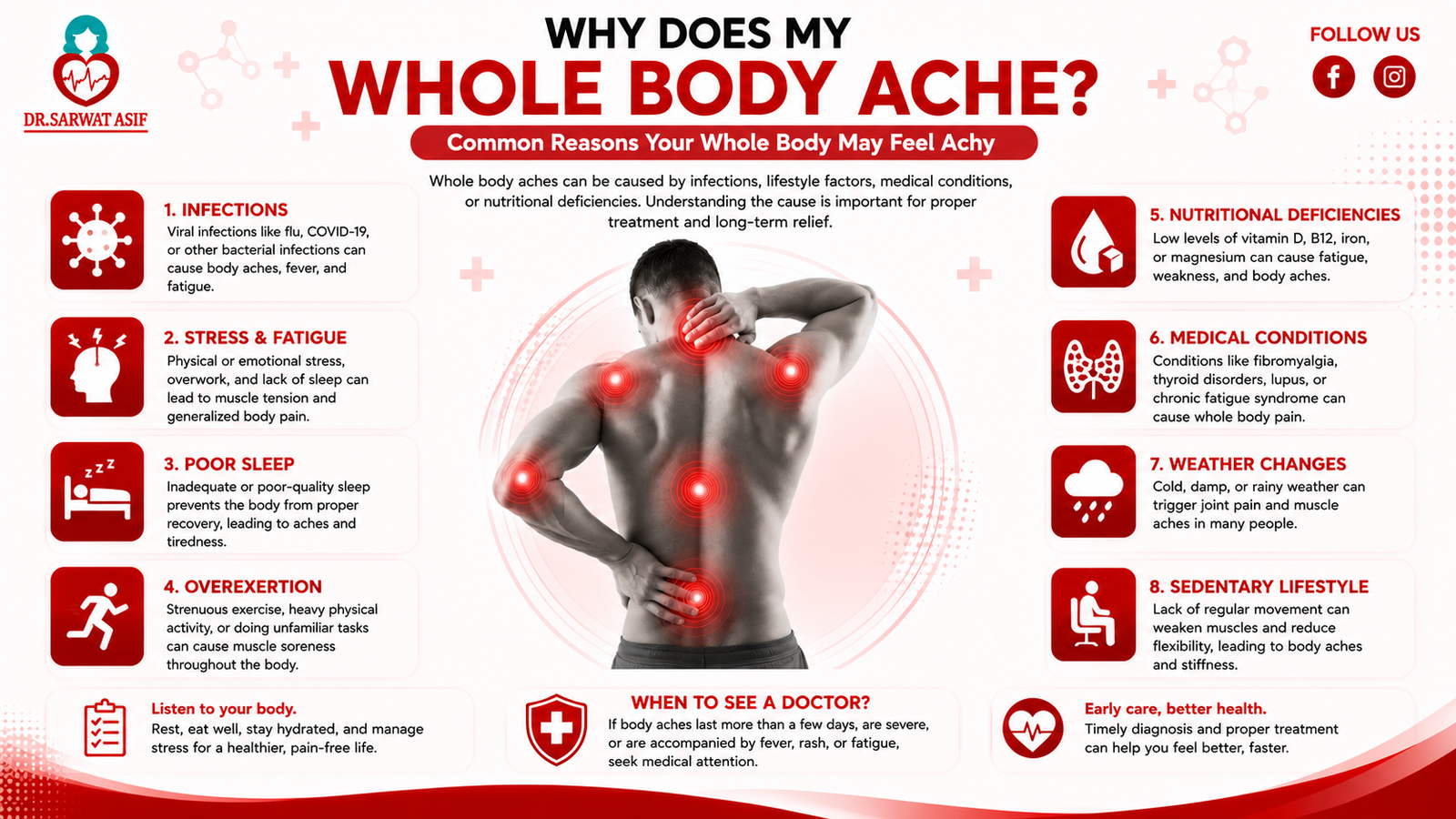
Whole-body aching can occur with viral infections, physical exhaustion, poor sleep, significant stress, dehydration, some nutritional problems, inflammatory conditions, and chronic pain disorders.
If widespread pain appears suddenly with severe illness or continues without a clear reason, medical assessment can help identify the underlying cause.
Think about what happened around the time the symptoms started. A strenuous workout, fever, disrupted sleep, prolonged physical work, or recent illness may provide useful context.
Duration matters too. Aches lasting briefly after exercise are different from unexplained pain that continues for several weeks.
Doctors also consider associated symptoms such as fatigue, fever, joint swelling, weight changes, weakness, numbness, or sleep disturbance.
Body Pain With Fever: What Can It Mean?
Body aches accompanied by fever often occur during an infection. Viral illnesses commonly cause fever, fatigue, headaches, chills, and muscle aches, although bacterial infections and other conditions can also produce fever and pain.
In Karachi and other parts of Pakistan, clinicians may also consider locally relevant infectious diseases based on the season, exposure history, symptoms, examination, and current disease activity.
It is unsafe to determine the cause from body pain and fever alone.
Seek medical advice if fever is persistent, unusually high, accompanied by worsening symptoms, or occurring in someone who is medically vulnerable.
How Do Doctors Find the Cause of Body Pain?
Doctors evaluate body pain by considering its location, onset, duration, severity, triggers, associated symptoms, medications, medical history, and examination findings.
Tests are not required for every mild ache, but blood tests, imaging, or other investigations may be appropriate when symptoms suggest a specific underlying condition.
A clinician may ask whether the pain began suddenly or gradually, whether an injury occurred, what makes it better or worse, and whether symptoms affect sleep or daily activities.
The physical examination may assess joints, muscles, strength, sensation, movement, swelling, tenderness, and other relevant findings.
Testing is selected according to the suspected cause. Blood investigations might be considered when infection, inflammation, anemia, nutritional deficiency, thyroid dysfunction, or another systemic problem is suspected.
Imaging may be appropriate for certain injuries, persistent joint problems, or spinal symptoms.
This targeted approach is generally more useful than ordering multiple tests without a clinical reason.
How Is Body Pain Treated?
Body pain treatment depends on its underlying cause. Temporary muscle soreness may improve with rest, gradual movement, adequate sleep, and hydration, while pain caused by infection, injury, inflammation, nerve problems, or another medical condition may require specific treatment after evaluation.
For mild discomfort after physical activity, reducing strenuous activity temporarily and returning to normal movement gradually may be sufficient.
Staying adequately hydrated and getting restorative sleep can also support recovery.
Medication should be used appropriately rather than automatically whenever pain occurs.
The suitability of a pain reliever depends on factors such as age, medical conditions, pregnancy, allergies, other medicines, and the cause of the pain. A doctor or pharmacist can advise when there is uncertainty.
Persistent pain requires a different approach. Simply masking symptoms repeatedly can delay identification of the actual problem.
Depending on the diagnosis, treatment might involve physiotherapy, management of an underlying illness, correction of a confirmed deficiency, treatment of inflammation, or other targeted care.
What Can You Do for Mild Body Aches at Home?
When discomfort is mild and there are no concerning symptoms, simple measures may help while you monitor how the condition develops.
- Rest from unusually strenuous activity while avoiding unnecessary prolonged bed rest.
- Drink adequate fluids, particularly during hot weather or after significant sweating.
- Prioritize regular, sufficient sleep.
- Use gentle movement or stretching when appropriate and comfortable.
- Improve sitting and workstation ergonomics if discomfort repeatedly follows prolonged desk work.
- Avoid repeatedly taking medication without understanding persistent or recurring symptoms.
- Keep track of when the pain started, where it occurs, and what other symptoms appear.
Self-care is most appropriate for minor, short-lived symptoms. Pain that is severe, unexplained, recurrent, or persistent needs a different level of attention.
When Should You See a Doctor for Body Pain?
Medical evaluation is appropriate when body pain is severe, persistent, worsening, unexplained, repeatedly returns, interferes with normal activities, or occurs with symptoms such as fever, joint swelling, weakness, numbness, unexplained weight changes, or significant fatigue.
Seek urgent medical attention for concerning symptoms such as:
- Chest pain or significant difficulty breathing
- Sudden or severe weakness, fainting, confusion, or altered consciousness
- New paralysis or major loss of sensation
- Severe pain following a significant accident or injury
- Loss of bladder or bowel control with severe back pain, leg weakness, or numbness
- Severe dehydration or inability to keep fluids down
- Rapidly worsening symptoms or a person who appears seriously unwell
Emergency symptoms should not be managed through routine online advice or delayed for a standard clinic appointment.
Body Pain Evaluation in Karachi
Patients experiencing recurring or unexplained body aches in Karachi can start with an appropriate physician evaluation.
A doctor can assess whether the symptoms are more likely related to a musculoskeletal problem, infection, nutritional issue, metabolic condition, medication effect, or another medical cause.
When arranging an appointment with a physician such as Dr. Sarwat Asif, patients can make the consultation more useful by explaining when the pain began, which areas are affected, whether symptoms are constant or intermittent, and whether fever, fatigue, weakness, swelling, numbness, or other symptoms occur.
Bringing a current medication list and relevant previous test reports can also help.
Further testing or referral should be based on the clinical assessment rather than assuming that every case of body pain requires the same investigations.
Can Body Pain Be Prevented?
Not every cause of pain is preventable, but everyday habits can reduce some common forms of muscular and mechanical discomfort.
Regular physical activity can help maintain muscle strength and joint mobility when matched to a person’s health and fitness level.
Increasing exercise intensity gradually is preferable to suddenly performing strenuous activity after a long period of inactivity.
Good sleep, adequate hydration, balanced nutrition, sensible lifting techniques, and movement breaks during prolonged sitting can also help.
People with an existing medical condition should follow advice appropriate to that condition rather than relying on general prevention measures alone.
Frequently Asked Questions
What is the most common reason for body pain?
Muscle overuse, physical activity, minor strains, poor sleep, and viral illnesses are common causes. The likely explanation depends on the pain pattern, duration, and accompanying symptoms.
Why does my body hurt when I wake up?
Morning aches may be related to sleep position, an unsuitable mattress or pillow, physical activity, poor sleep quality, or joint and muscular conditions. Persistent morning pain or prolonged stiffness should be evaluated.
Can vitamin deficiency cause body aches?
Some nutritional deficiencies can contribute to muscle, bone, nerve, or fatigue-related symptoms. Symptoms alone cannot confirm a deficiency, so appropriate testing may be needed before supplementation.
Can stress cause pain throughout the body?
Stress can increase muscle tension and influence how pain is perceived. However, persistent or severe widespread pain should not automatically be assumed to result from stress.
Why do I have body pain without fever?
Possible reasons include physical overuse, poor sleep, muscle tension, dehydration, injuries, joint problems, nerve conditions, and other medical causes. Fever is only one of many clues doctors consider.
When should I worry about body aches?
Seek medical evaluation if pain is severe, unexplained, worsening, persistent, or associated with significant weakness, numbness, swelling, fever, breathing difficulty, or other concerning symptoms.
How long should normal muscle soreness last?
Ordinary soreness after unfamiliar exercise typically improves progressively over several days. Severe pain, major swelling, weakness, dark urine, or symptoms that do not improve warrant medical assessment.
Conclusion
There is no single explanation for every episode of body pain. Common body pain causes range from exercise, muscle strain, posture, poor sleep, and dehydration to infections, joint disorders, nerve problems, nutritional deficiencies, and chronic medical conditions.
The pattern matters. Consider where the pain occurs, when it started, what may have triggered it, how long it has lasted, and whether other symptoms are present.
Mild, short-lived aches often improve with appropriate self-care. Persistent, recurrent, severe, or unexplained pain deserves medical evaluation rather than repeated self-treatment.
Patients in Karachi who are concerned about ongoing symptoms can consult an appropriate physician, including Dr. Sarwat Asif, for an individualized assessment and guidance based on the underlying cause.