

Good health is built on consistent medical care rather than occasional visits to different specialists.
Many people wait until symptoms become severe before seeking treatment, which often leads to delayed diagnosis and higher healthcare costs.
A consultant family physician helps prevent this by providing continuous, personalized care for individuals and families of all ages.
Whether you need treatment for a persistent fever, diabetes management, hypertension treatment, routine health checkups, or preventive healthcare, a family medicine specialist serves as your first point of contact.
They not only diagnose and treat common illnesses but also monitor long-term health, identify risk factors early, and coordinate specialist referrals whenever necessary.
In Karachi, where busy lifestyles and chronic diseases continue to rise, having an experienced family physician provides peace of mind and better health outcomes.
This guide explains what family physicians do, which conditions they treat, when you should visit one, and how to choose the right healthcare provider for your family.
What does a consultant family physician do?
A family physician is a medical doctor trained in family medicine who provides comprehensive healthcare for children, adults, and senior citizens.
Unlike specialists who focus on one organ or disease, family medicine consultants care for the whole person and often manage multiple health conditions simultaneously.
Their responsibilities include:
- Diagnosing common illnesses
- Managing chronic diseases
- Performing routine health checkups
- Providing preventive healthcare
- Conducting annual medical examinations
- Monitoring long-term medical conditions
- Prescribing medications safely
- Ordering laboratory investigations
- Interpreting diagnostic reports
- Referring patients to specialists when required
- Coordinating follow-up care
Because they know a patient’s medical history over many years, they can make more informed clinical decisions and provide personalized medical care.
Featured Snippet
A consultant family physician provides comprehensive healthcare for patients of all ages, including disease prevention, diagnosis, treatment of acute illnesses, chronic disease management, health screenings, vaccinations, and long-term medical care.
When should you visit a family physician?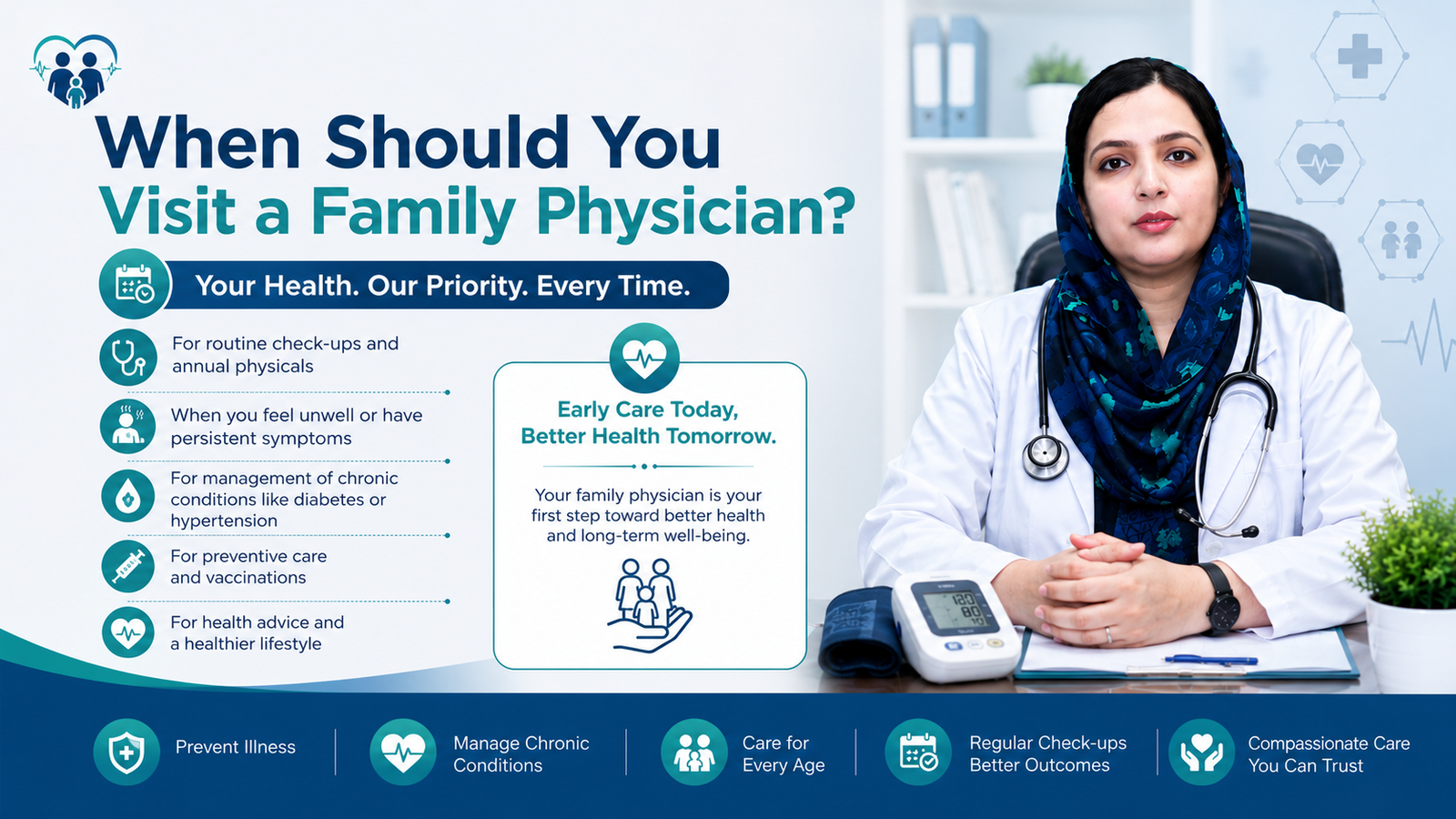
Many people assume they only need medical care when they become seriously ill. In reality, regular visits help detect health problems before complications develop.
You should schedule a consultation if you experience:
- Persistent fever lasting several days
- Chronic cough
- Frequent headaches or migraines
- High blood pressure
- Diabetes symptoms
- Stomach pain
- Acid reflux
- Heartburn
- Chest infections
- Fatigue
- Shortness of breath
- Joint pain
- Skin allergies
- Weight management concerns
- High cholesterol
- Thyroid disorders
Routine consultations are equally important if you have no symptoms. Preventive medicine reduces the likelihood of serious complications through early disease detection.
What services does a family medicine specialist provide?
Family medicine focuses on complete healthcare rather than treating isolated symptoms.
Common services include:
Preventive Healthcare
Preventive care helps reduce future health risks through:
- Blood pressure monitoring
- Blood sugar screening
- Cholesterol testing
- Cancer risk assessment
- Lifestyle counseling
- Vaccinations
- Health education
Early detection significantly improves treatment success for many chronic conditions.
General Medical Consultation
A primary care doctor evaluates everyday health concerns such as:
- Viral infections
- Flu treatment
- Fever treatment
- Infection treatment
- Seasonal allergies
- Body aches
- Digestive disorders
- Minor injuries
Instead of treating symptoms alone, they identify the underlying cause.
Chronic Disease Management
Many residents in Karachi live with long-term illnesses requiring continuous monitoring.
A family physician commonly manages:
- Diabetes
- Hypertension
- Asthma
- Thyroid disease
- Arthritis
- High cholesterol
- Chronic respiratory conditions
Regular follow-up appointments reduce hospital admissions and improve quality of life.
Women’s Healthcare
Family physicians also provide essential healthcare services for women, including:
- General wellness examinations
- Blood pressure monitoring
- Diabetes screening
- Thyroid evaluation
- Menopause guidance
- Nutrition counseling
- Preventive screenings
- Vaccination advice
They coordinate care with gynecologists whenever specialized treatment is required.
Men’s Healthcare
Men often delay medical consultations until symptoms become severe.
Routine medical assessments help identify:
- High blood pressure
- Diabetes
- Heart disease risk
- Obesity
- High cholesterol
- Liver conditions
- Lifestyle-related illnesses
Regular health assessments encourage healthier habits and reduce future complications.
Elderly Healthcare
Older adults frequently have multiple medical conditions that require coordinated treatment.
An experienced family physician monitors:
- Medication safety
- Blood pressure
- Bone health
- Mobility concerns
- Cognitive changes
- Nutrition
- Chronic disease progression
Personalized care improves independence while lowering hospitalization risks.
Can a family physician manage diabetes and hypertension?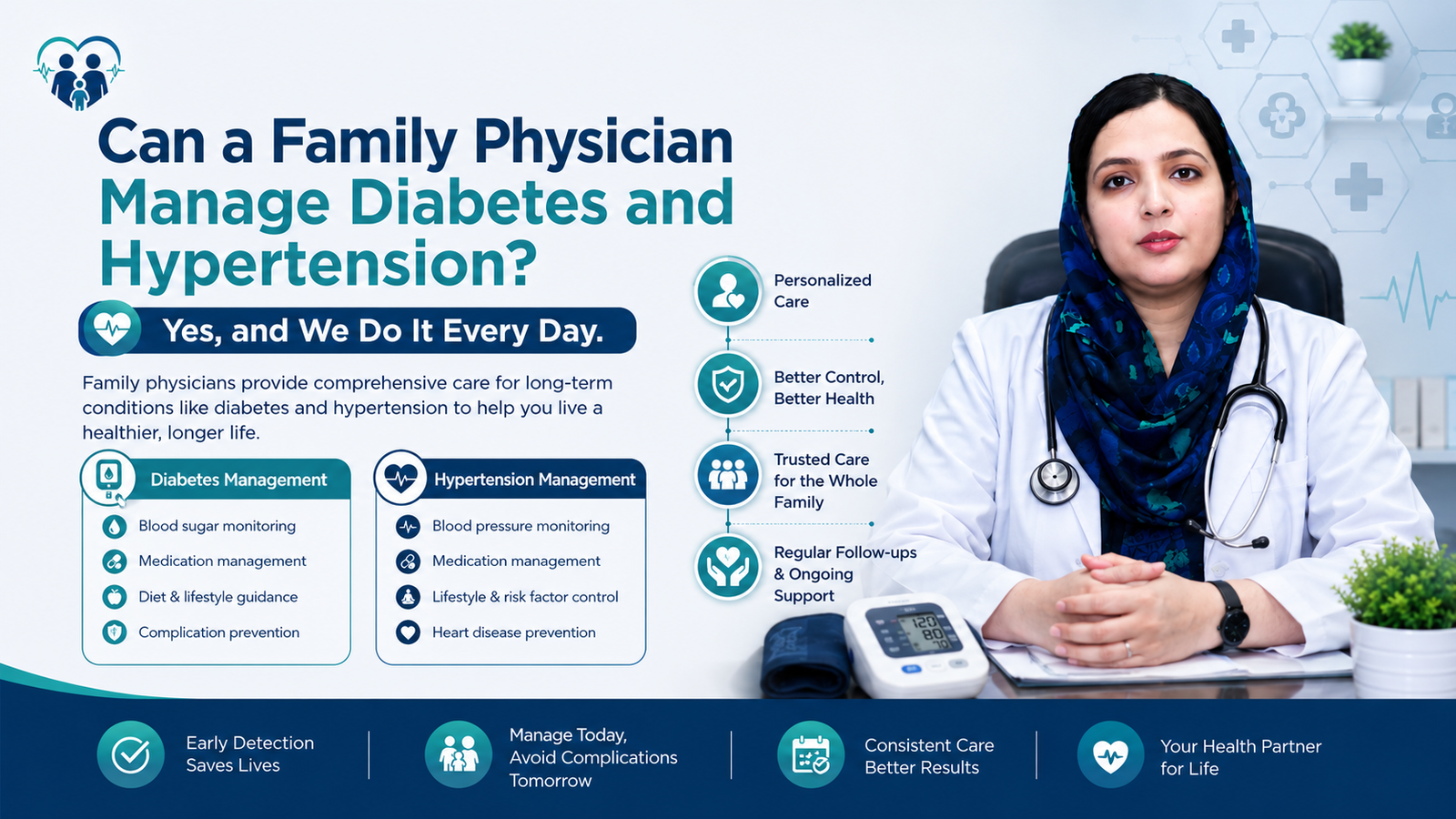
Yes. One of the biggest strengths of family medicine is long-term chronic disease management.
Patients with diabetes or hypertension benefit from regular monitoring instead of waiting for emergencies.
A treatment plan may include:
- Medication adjustments
- Lifestyle modification
- Nutritional counseling
- Exercise recommendations
- Regular laboratory tests
- Blood pressure monitoring
- Blood sugar monitoring
- Kidney function evaluation
- Eye examination referrals
- Heart risk assessment
For example, a patient with uncontrolled diabetes may visit every three months for blood sugar reviews, medication optimization, dietary guidance, and screening for complications.
This consistent follow-up often prevents kidney disease, nerve damage, and cardiovascular complications.
Similarly, hypertension treatment focuses not only on lowering blood pressure but also on reducing the risk of stroke, heart attack, and kidney disease through ongoing care.
Why is preventive healthcare more important than treating disease?
Preventive medicine aims to stop illness before it develops rather than treating advanced disease.
Research from global public health organizations consistently shows that early diagnosis leads to better outcomes and lower healthcare costs for conditions such as diabetes, hypertension, cardiovascular disease, and several types of cancer.
Preventive healthcare includes:
- Annual medical examination
- General health screening
- Health risk assessment
- Lifestyle counseling
- Vaccination services
- Smoking cessation advice
- Weight management
- Nutrition guidance
- Physical activity planning
Rather than waiting for symptoms to appear, regular checkups allow doctors to identify silent conditions such as high blood pressure or elevated cholesterol before they cause lasting damage.
What is the difference between a family physician and a general physician?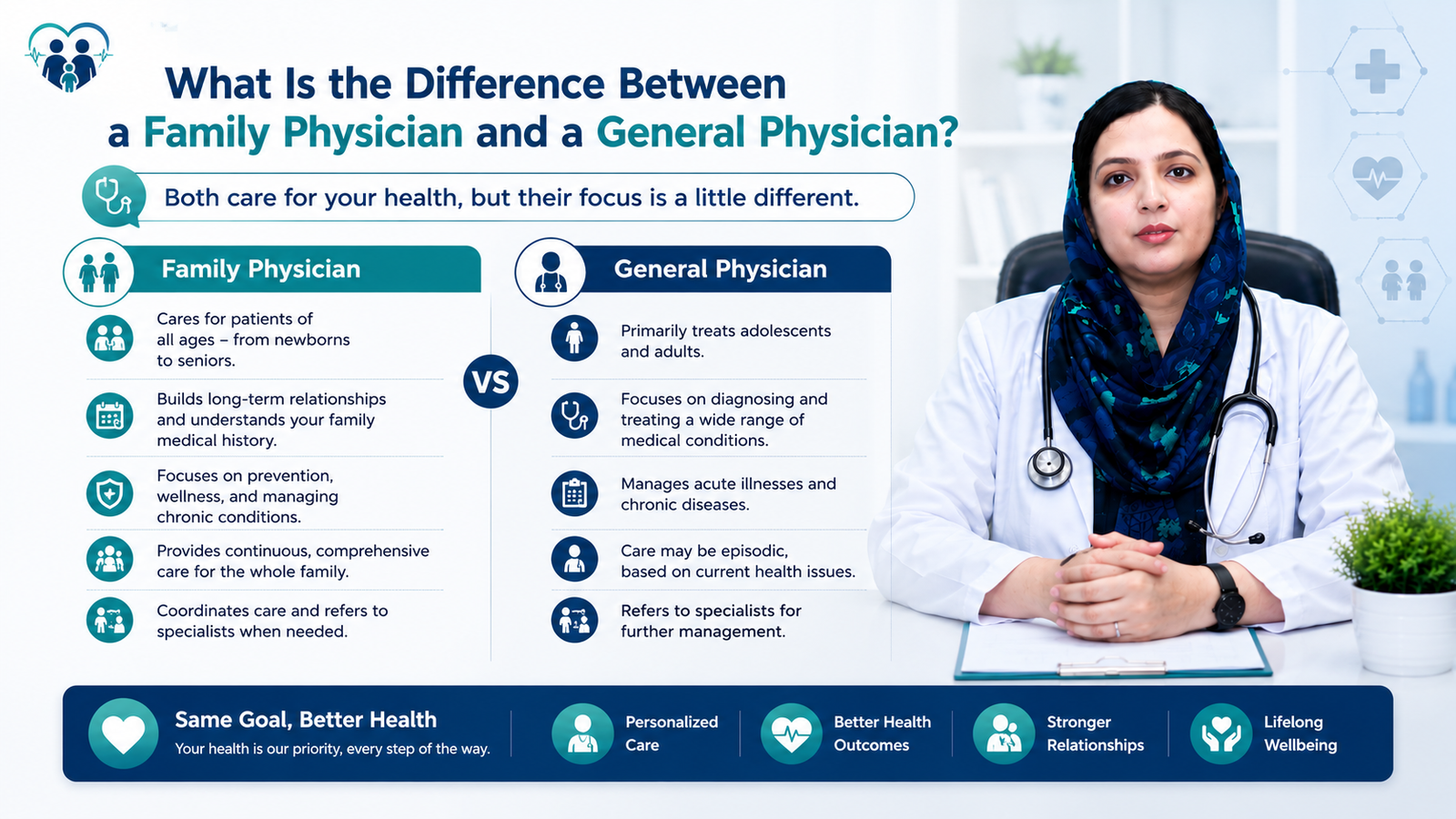
Many people use these terms interchangeably, but there are important differences.
Feature | Family Physician | General Physician |
Scope of Care | Long term healthcare for all age groups | Diagnosis and treatment of common illnesses |
Patient Relationship | Continuous care over many years | Usually episode-based care |
Preventive Healthcare | Strong focus on disease prevention | Limited preventive care |
Chronic Disease Management | Ongoing monitoring and follow up | Often refers complex cases |
Family Healthcare | Treats children, adults, and elderly | May primarily treat adults |
Health Records | Maintains complete medical history | Focuses on current illness |
A family medicine specialist builds a long-term relationship with patients. Instead of treating one illness at a time, they monitor overall health, lifestyle, family history, and risk factors. This comprehensive approach supports better health outcomes over time.
Why should you choose a family medicine specialist for long-term healthcare?
Visiting a different doctor for every health concern can lead to fragmented care.
A family medicine consultant provides continuity, making it easier to monitor changes in your health over time.
Benefits include:
- Personalized treatment plans
- Accurate diagnosis based on medical history
- Early disease detection
- Better medication management
- Fewer unnecessary tests
- Coordinated specialist referrals
- Consistent follow-up care
- Improved patient education
- Greater focus on preventive medicine
This approach is especially valuable for people living with chronic conditions, elderly patients, and families who want one trusted healthcare provider.
How do you choose the best family physician in Karachi?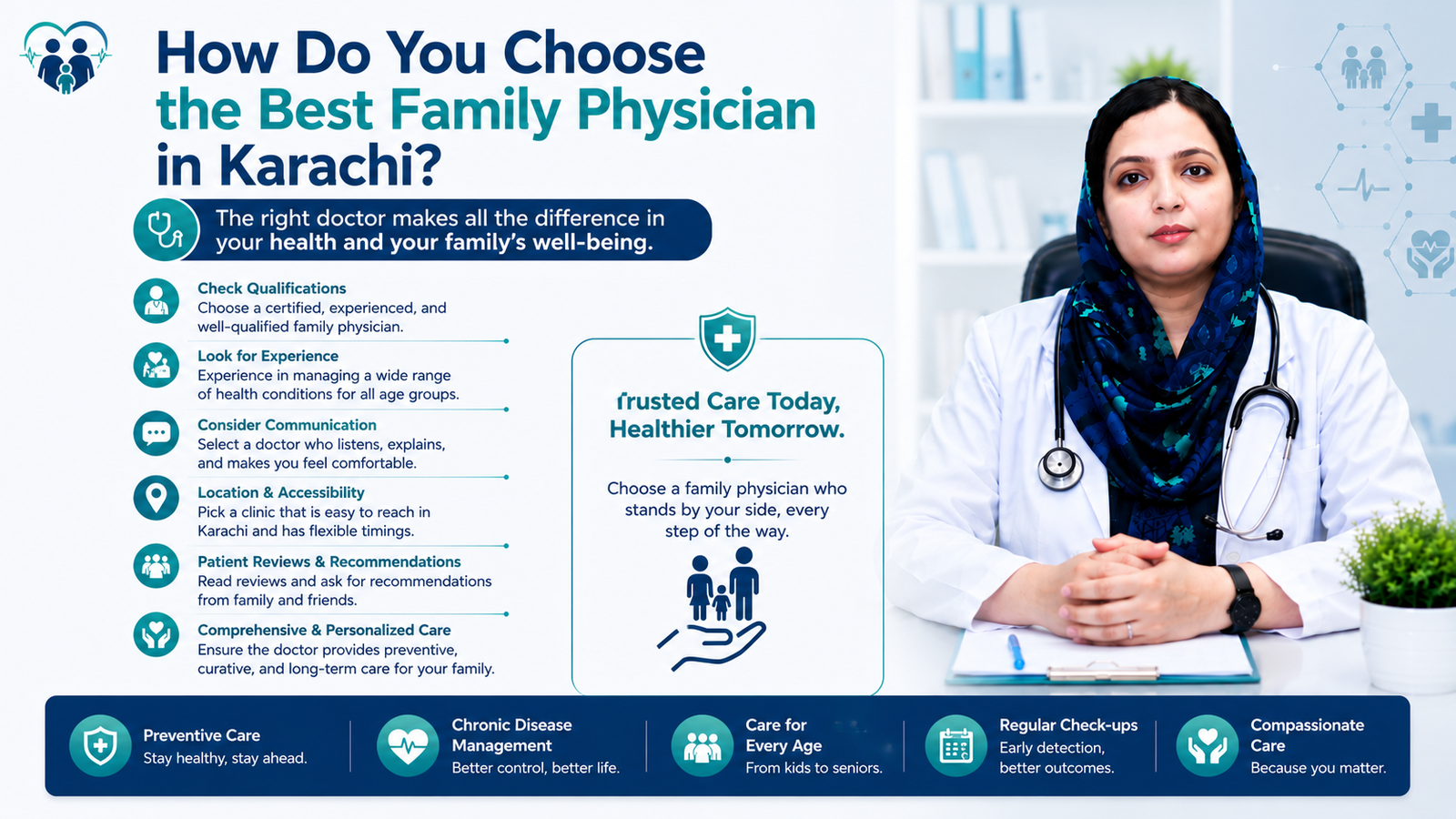
Selecting the right doctor is one of the most important healthcare decisions you can make.
Look for these qualities when choosing a Consultant Family Physician:
Professional Qualifications
Choose a doctor with recognized qualifications in family medicine and experience in primary healthcare.
Clinical Experience
An experienced medical consultant is more likely to recognize complex conditions, manage chronic diseases effectively, and recommend appropriate investigations.
Communication Skills
A good physician listens carefully, explains medical conditions in simple language, answers questions patiently, and involves patients in treatment decisions.
Evidence-Based Practice
Choose doctors who follow current clinical guidelines and provide evidence-based treatment rather than unnecessary medications or investigations.
Accessibility
Consider factors such as:
- Convenient clinic location
- Appointment availability
- Same day consultation when needed
- Emergency guidance
- Follow-up support
Patient Reviews
While online reviews should not be your only deciding factor, consistent positive feedback regarding professionalism, communication, and patient care can be helpful.
Which health conditions can a family physician manage?
A qualified family physician treats a wide range of common and chronic medical conditions.
These include:
Acute Illnesses
- Fever
- Flu
- Chest infection
- Sore throat
- Ear infection
- Urinary tract infection
- Skin infection
- Seasonal allergies
- Food poisoning
Chronic Diseases
- Diabetes
- High blood pressure
- Asthma
- Thyroid disorders
- High cholesterol
- Arthritis
- Obesity
- Chronic respiratory diseases
Digestive Problems
Many patients first visit their primary care doctor for digestive complaints such as:
- Stomach pain
- Acid reflux
- Heartburn
- Gastritis
- Constipation
- Diarrhea
- Irritable bowel symptoms
If advanced care is needed, the physician coordinates referrals to a gastroenterologist while continuing overall medical management.
Can a family physician treat the whole family?
Yes. One of the biggest advantages of family medicine is comprehensive care across different age groups.
A family physician can care for:
- Children
- Teenagers
- Adults
- Pregnant women (for general medical care)
- Senior citizens
This continuity allows the doctor to identify hereditary health risks, monitor family medical history, and provide preventive guidance tailored to each stage of life.
For example, parents can receive treatment for hypertension while their children undergo routine health assessments and vaccinations at the same clinic.
Why is personalized medical care important?
Every patient has unique health needs, lifestyle habits, and medical history. A personalized treatment plan considers all of these factors instead of offering the same solution to everyone.
Personalized care may include:
- Individual health goals
- Existing medical conditions
- Family history
- Age-related risks
- Dietary habits
- Exercise level
- Stress management
- Medication review
This patient-centered approach improves treatment adherence and often leads to better long-term health outcomes.
What preventive screenings should adults consider?
Routine screening helps identify diseases before symptoms appear.
Your physician may recommend:
- Blood pressure screening
- Blood sugar testing
- Lipid profile
- Liver function tests
- Kidney function tests
- Thyroid screening
- Body Mass Index (BMI) assessment
- Vaccination updates
- Cancer screening based on age and family history
The frequency of these tests depends on your age, risk factors, and existing health conditions.
What common mistakes should patients avoid?
Many preventable complications occur because people delay medical care or ignore early warning signs.
Avoid these common mistakes:
- Waiting until symptoms become severe
- Self-medicating without professional advice
- Stopping prescribed medication too early
- Missing follow-up appointments
- Ignoring lifestyle changes
- Hiding symptoms during consultations
- Not bringing previous medical records
- Skipping annual health checkups
Taking an active role in your healthcare helps your doctor provide more accurate and effective treatment.
How does a family physician support healthier living?
Medical care is not only about prescribing medicine. A trusted family doctor also guides patients toward healthier daily habits.
Common lifestyle recommendations include:
- Eating a balanced diet
- Staying physically active
- Maintaining a healthy weight
- Managing stress
- Getting adequate sleep
- Avoiding tobacco products
- Limiting alcohol consumption
- Staying up to date with vaccinations
- Monitoring chronic conditions regularly
These small, consistent changes can significantly reduce the risk of chronic illnesses and improve overall well-being.
Why is having one trusted physician beneficial?
When the same doctor follows your health over many years, they gain valuable insight into your medical history, medications, allergies, and lifestyle.
This continuity of care offers several advantages:
- Faster diagnosis
- Better coordination with specialists
- Reduced duplicate testing
- Improved medication safety
- Stronger doctor-patient relationship
- More effective chronic care management
- Greater focus on prevention rather than treatment alone
For families, this means having a reliable healthcare partner who can guide medical decisions at every stage of life.
Frequently Asked Questions
What does a consultant family physician treat?
A consultant family physician diagnoses and treats a wide range of health conditions, including fever, flu, infections, diabetes, high blood pressure, asthma, thyroid disorders, digestive problems, allergies, joint pain, headaches, and many other acute and chronic illnesses.
They also provide preventive healthcare, routine checkups, vaccinations, and long-term disease management.
When should I visit a family physician?
You should visit a family physician if you have persistent symptoms such as fever, chronic cough, stomach pain, fatigue, headaches, high blood pressure, or diabetes symptoms.
Even if you feel healthy, annual medical examinations and preventive health screenings help detect medical conditions early and reduce future health risks.
Can a family physician manage diabetes and hypertension?
Yes. Family physicians are trained to provide long-term management of diabetes and hypertension through regular monitoring, medication adjustments, lifestyle counseling, laboratory testing, and health education.
They also help reduce the risk of complications such as heart disease, stroke, and kidney problems.
What is the difference between a family physician and a general physician?
A family physician focuses on continuous, comprehensive healthcare for patients of all ages, emphasizing preventive medicine and long-term care.
A general physician primarily diagnoses and treats common medical conditions and may refer patients to specialists when advanced care is needed.
Family physicians often develop ongoing relationships with patients and coordinate their overall healthcare.
How often should I visit a family physician?
Healthy adults should generally schedule a routine health checkup at least once a year.
Individuals with chronic conditions such as diabetes, hypertension, asthma, or thyroid disease may need more frequent follow-up visits based on their physician’s recommendations.
Regular appointments help monitor progress, adjust treatment plans, and maintain overall health.
Conclusion
Choosing the right consultant family physician is one of the best investments you can make for your long-term health. Instead of seeking treatment only when symptoms become severe, regular visits to a trusted family doctor help with early disease detection, preventive healthcare, chronic disease management, and personalized medical care.
From treating common illnesses like fever and infections to managing diabetes, hypertension, asthma, thyroid disorders, and digestive problems, a qualified physician provides comprehensive care for every stage of life.
Whether you are looking for a family physician in Karachi for routine checkups, ongoing medical support, or health advice for your entire family, prioritize experience, evidence-based treatment, and a patient-centered approach.
Building a long-term relationship with a healthcare professional leads to better medical decisions, improved health outcomes, and greater peace of mind.
Schedule regular health assessments, follow preventive care recommendations, and take proactive steps to protect your health and your family’s well-being.