

What Is High Blood Pressure?
High blood pressure is when blood flows at a steady, forceful pressure against the walls of the arteries. Over time, this pressure can put additional strain on the blood vessels and heart. Medically, high blood pressure is called hypertension.
There are two numbers in a blood pressure reading. The first number (systolic) is the pressure during contraction of the heart, the second number (diastolic) is the pressure between contractions.
For instance, if your blood pressure is 140/90, the top number is 140 and the bottom number is 90. The meaning of the interpretation is dependent on the clinical guidelines as well as the method in which the measurement was obtained and the patient’s general health.
What Blood Pressure Reading Is Considered High?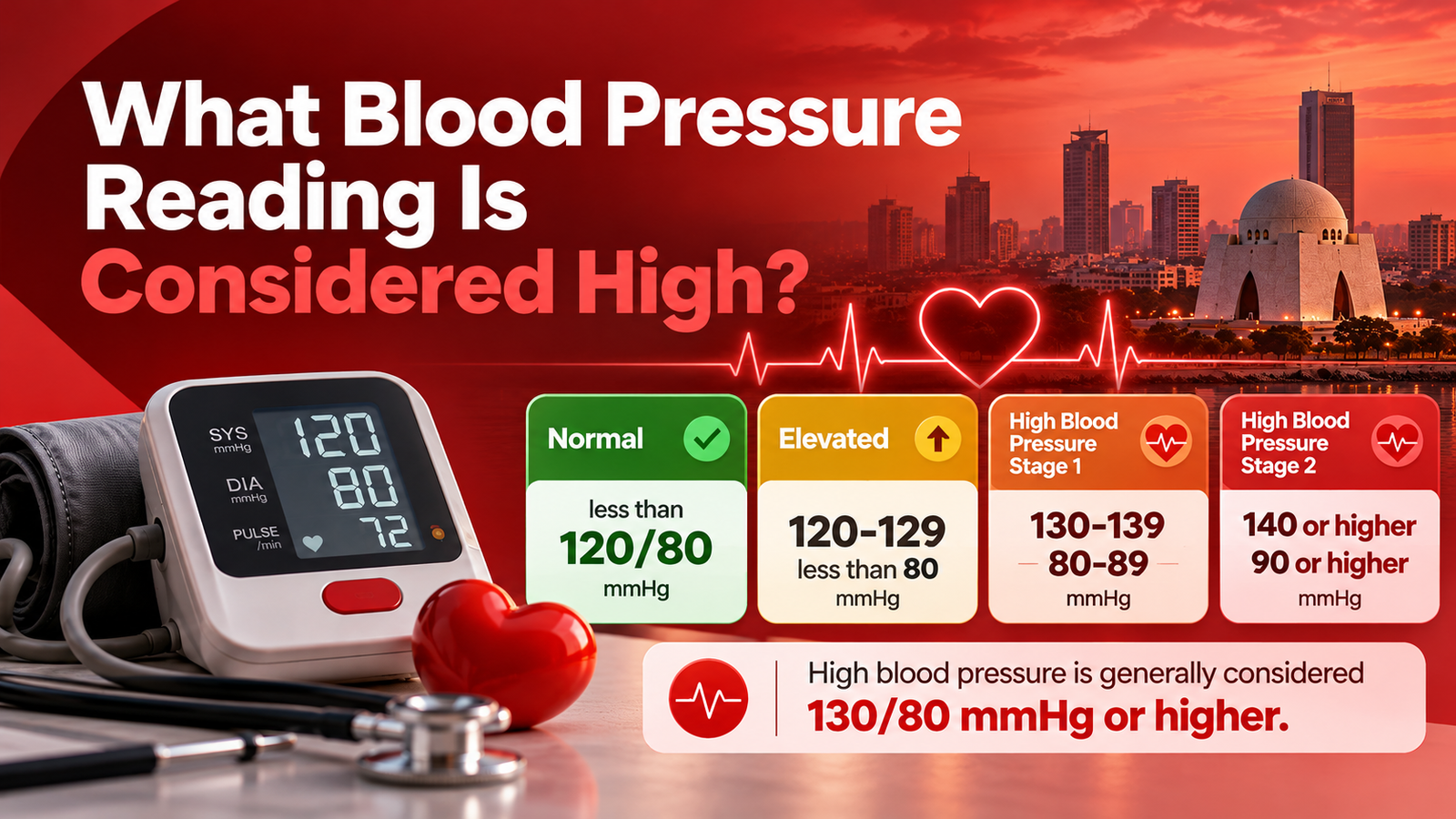
Blood pressure thresholds can vary between clinical guidelines. Under commonly used UK and European-style thresholds, a reading of 140/90 mmHg or above in a clinical setting, or 135/85 mmHg or above at home, is generally considered high. The American guidelines use lower thresholds for hypertension.
One elevated reading does not always establish a diagnosis. A healthcare professional may recommend repeat measurements or home monitoring to confirm whether the pressure remains high.
|
Blood pressure measurement |
General interpretation |
|
Below 120/80 mmHg |
Normal under commonly used US guidelines |
|
120–129 systolic and below 80 diastolic |
Elevated under US guidelines |
|
130/80 mmHg or above |
Meets the US hypertension threshold when persistent |
|
140/90 mmHg or above in a clinic |
High under commonly used UK-style thresholds |
|
Around 180/120 mmHg or above |
Severely elevated; requires prompt assessment, especially if symptoms are present |
These categories are general guidance, not a personal diagnosis. Pregnancy, other medical conditions, and individual treatment targets can affect interpretation.
Why Should You Consult a Doctor for High Blood Pressure in Karachi?
Your doctor can help determine if your blood pressure is abnormally high, see if there are other conditions that may be causing it, and evaluate your risk for complications.
Treatment depends on your blood pressure pattern, age, medical history, what medications you are taking, and other risk factors.
A person who suffers from a disease in Karachi may see a general physician or medical specialist for an evaluation.
In difficult-to-manage cases, or if there are indications of heart disease, a cardiologist may be the best choice.
If your blood pressure keeps on being high, you have diabetes or kidney disease, or are at risk for high blood pressure due to family history, it may be worth getting a medical appointment.
Those already using blood pressure medication should also have regular check-ups to determine if their medication is still appropriate.
Which Type of Doctor Treats High Blood Pressure?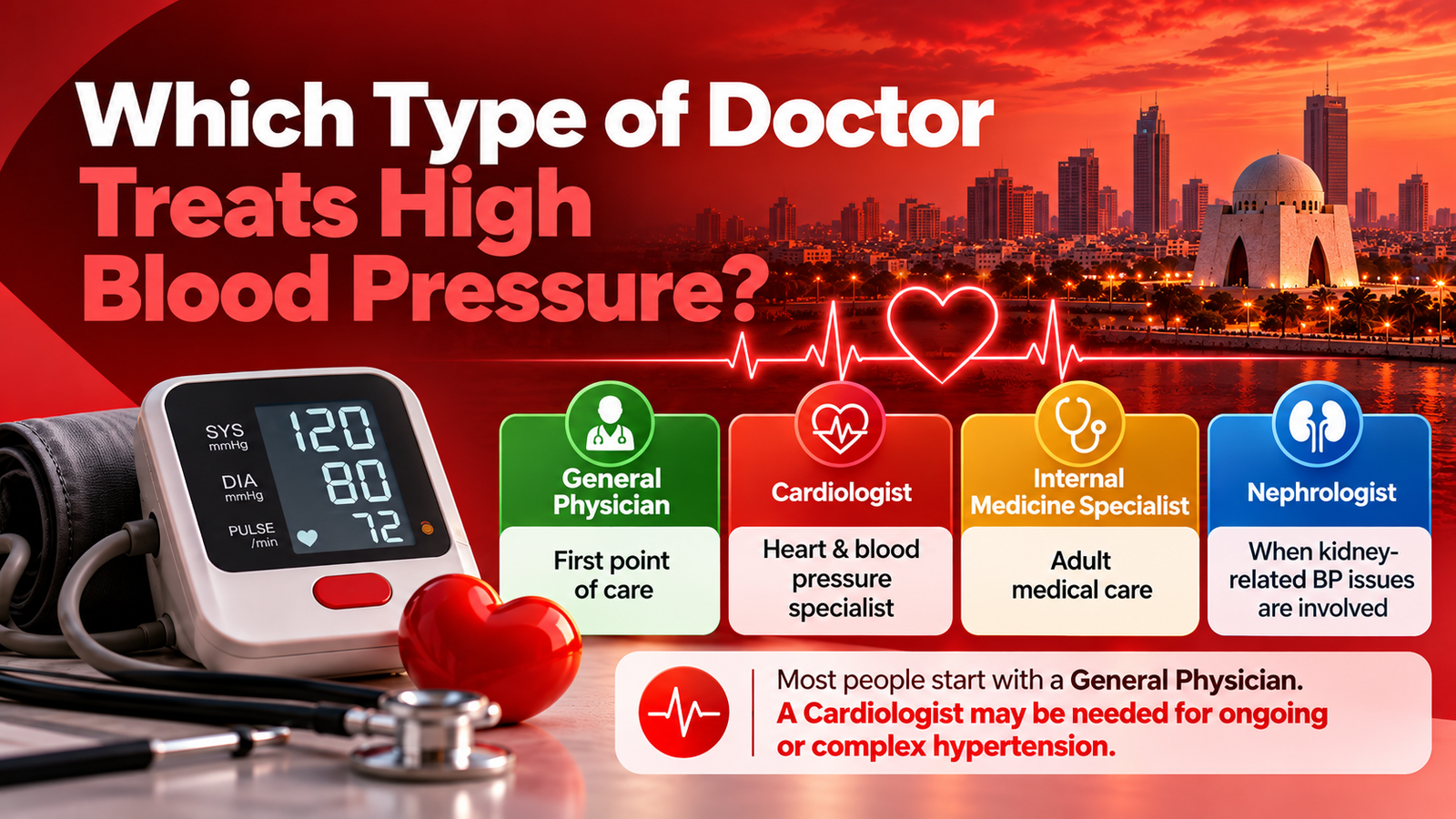
Various physicians can help control high blood pressure, depending on the individual’s needs.
A general physician can assess raised readings, check lifestyle and medical risk factors, start treatment if necessary, and follow up on normal cases.
Internal medicine specialist: This doctor can review adults who have more complex medical issues, such as hypertension and diabetes, kidney disease, or other chronic medical conditions.
Cardiologist: A doctor who specializes in the heart and circulatory system. Referral can be considered if hypertension is difficult to manage or if heart-related complications are suspected.
Kidney specialist (nephrologist): He or she may be involved if kidney disease is a contributing cause of high blood pressure or if hypertension is hard to control.
It’s not always necessary to consult multiple specialists at once. Your doctor can make recommendations for referrals after your examination and test results.
What Are the Symptoms of High Blood Pressure?
Most people don’t experience any symptoms when their blood pressure is high.
An individual may have a high persistent reading but have no other symptoms or be able to still function normally throughout the day. That is why it is better to have your blood pressure checked than to form your own opinion of it.
In a few high blood pressure patients, symptoms can include: headache, blurred vision, chest pain, or difficulty breathing.
The symptoms, however, may also occur in the absence of hypertension, and should not be relied upon as a single criterion.
Consult your doctor if you have frequent headaches, abnormal changes in your vision, or other symptoms that make you nervous.
If the reading is very high, with severe symptoms, then urgent attention is needed.
The following are signs that may indicate trouble and require urgent medical attention.
Blood pressure over 180/120 mmHg is extremely high. If you get such a reading, stay seated and take another reading after 1 minute, if it is safe to do so. If it continues to stay this elevated, be sure to consult medical advice.
If the reading is very high, contact local emergency services or go to an Emergency
Department immediately if any of the following occurs:
- Chest pain or shortness of breath.
- Sudden weakness, numbness, or difficulty speaking.
- Rapid onset of confusion or a very bad and unusual headache.
- Rapid shifts in eyesight or loss of consciousness.
Never postpone emergency treatment to repeat measurements or schedule a regular clinic visit. These symptoms can be a sign of a serious condition and need immediate treatment.
What Causes High Blood Pressure?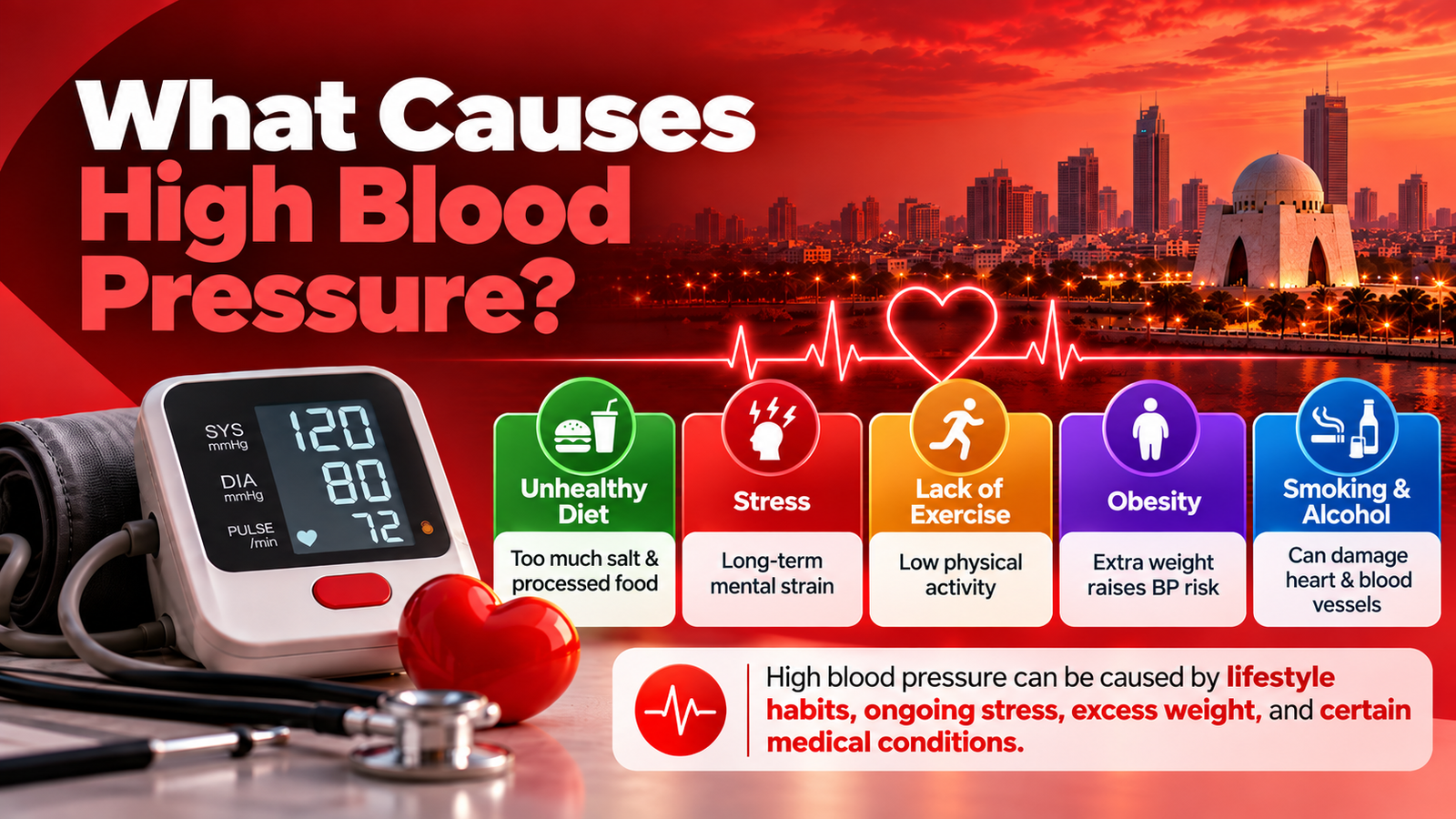
Risk factors for hypertension include genetics, lifestyle choices, age, and other medical issues. In many adults, no one cause can be identified. For some, a health issue or a medication can cause the increase.
Common Risk Factors
Several things might make it more likely you will develop high blood pressure:
Too much salt: Excessively salty diets can lead to high blood pressure. Processed foods, such as packaged snacks, pickles, salty sauces, and heavily salted foods, can contribute a lot of sodium to the diet.
Excess body weight: Excess weight can put additional pressure on the cardiovascular system.
Low levels of physical activity: If one spends most of the day sitting and performing little physical activity, this can lead to poor cardiovascular health.
Close relatives with hypertension and age are risk factors.
Smoking and tobacco use: Tobacco damages blood vessels and raises the risk of heart disease.
Important medical conditions to consider: It is important to discuss any chronic health conditions with your doctor, as they may impact hypertension management, such as diabetes and kidney disease.
Unhealthy habits and blood pressure patterns due to long-term stress and poor sleep: This can have an impact on blood pressure patterns in some individuals.
Having these risk factors doesn’t necessarily mean that a person will develop high blood pressure. They assist in identifying where prevention, monitoring, or advice for medical intervention may be beneficial.
Can Lifestyle Habits in Karachi Affect Blood Pressure?
Foods high in salt, physical activity, sleep, and smoking are all factors that can be a part of daily habits and affect blood pressure.
For instance, a person who often has salty restaurant meals, spends the majority of the day sitting, and hardly ever measures blood pressure could benefit from discussing these behaviors with a physician.
One sensible strategy is to make small changes instead of making drastic ones. These steps may include cutting down on excess salt, getting regular exercise (if safe), and tracking home blood pressure readings.
These steps are helpful in treatment but are not a substitute for prescribed medications when required.
How Is High Blood Pressure Diagnosed?
Doctors diagnose hypertension after carefully checking blood pressure measurements and taking your medical history. The pressure may change throughout the day, so a single reading might not be sufficient.
The doctor may ask you about your symptoms, family history, current health problems, lifestyle, and medicines during an appointment. They also may perform a physical examination and may recommend further tests based on your personal history.
What Happens During a Blood Pressure Check?
Your blood pressure is typically taken with an inflatable cuff placed around your upper arm by a health care provider. In order to get a true reading, one should rest quietly for at least 5 minutes, have both feet on the floor, and have the back supported.
If possible, refrain from smoking, caffeine, and exercise for approximately 30 minutes prior to measurement. Please refrain from voicing commentaries during the reading. It should fit properly and be placed against the upper arm that is bare.
At a clinic reading, if the reading is high, the doctor may want them to go back for repeated clinic readings, home readings, or have them use a 24-hour ambulatory blood pressure monitor. The methods will help differentiate lasting hypertension from transient elevations (such as from anxiety during a medical visit).
Which Tests May a Doctor Recommend?
All patients do not require the same tests. Your doctor may suggest:
- Blood tests to determine kidney function, blood sugar, or cholesterol.
- Urine testing to check for signs of kidney problems.
- When an assessment of the heart is indicated, an electrocardiogram (ECG) is done.
- Further investigations if there is a suspicion of an underlying condition.
These tests are useful for the doctor to determine potential complications and to choose a treatment course. Your clinician will be able to provide you with an explanation about what investigations are required and why.
How Is High Blood Pressure Treated?
Treatment is designed to keep the blood pressure under control and prevent complications. Changes in lifestyle, medication, or a combination of these may be recommended by a doctor.
The right course of action will be based on the patient’s blood pressure levels, cardiovascular risk, other medical conditions, and how the patient reacts to treatment.
Lifestyle Changes
Whether or not they need to take medication, lifestyle changes play a significant role in the treatment of hypertension.
Reduce salt intake
Reduce salt and be aware of the sodium content in processed foods. Adults should not exceed 2,000 mg of sodium (or 5 g of salt) daily according to WHO.
Choose balanced meals
Serve vegetables, fruit, whole grains, beans, and other healthy foods. Reduce foods that are high in sodium and extra saturated fat.
Stay physically active
Exercise regularly to help control blood pressure. Most adults will be able to do at least 150 minutes of moderate activity each week, depending on their medical condition and a doctor’s recommendations.
Maintain a healthy weight
For overweight individuals, steady and consistent weight loss might be helpful in reducing blood pressure.
Avoid tobacco
Quitting smoking and other tobacco products is beneficial for the cardiovascular system.
Handle stress and get restful sleep
Establishing a consistent sleep pattern and using effective stress management techniques can support general health and aid in lifelong lifestyle changes.
Blood Pressure Medication
Prescriptions may occasionally be required, in addition to lifestyle changes, in some patients. The type of treatment a doctor prescribes depends on blood pressure, age, kidney function, other health conditions, and the side effects.
Other types of blood pressure medications include:
- Angiotensin-converting enzyme (ACE) inhibitors or angiotensin receptor blockers (ARBs).
- Calcium channel blockers.
- Thiazide or thiazide-like diuretics.
The medicines act in various ways. Some dilate blood vessels, while others regulate fluid and sodium in the body. One medicine or a combination may be needed to achieve a healthy blood pressure.
Do not initiate, discontinue, double, or adjust a prescribed medication or dose without medical supervision. Avoid using someone else’s blood pressure medication even if the other person’s reading looks like yours.
Regular follow-up and monitoring.
Hypertension care is not complete until a prescription is given. Your doctor can check your readings and monitor side effects at follow-up visits and determine if you need any changes to your treatment plan.
If you take blood pressure at home, note the date, time, and blood pressure readings. Your healthcare professional may be able to use the information from two measurements taken one to two minutes apart. Use the monitoring schedule suggested for your child.
How to Choose a Doctor for High Blood Pressure in Karachi
Choosing a doctor isn’t just about choosing a doctor who is ranked online. You should be able to discuss your condition with the doctor, discuss options for treatment, and have follow-up.
While comparing doctors in Karachi, take into account these factors:
Appropriate qualifications: Ensure that the doctor has the relevant qualifications and that they are registered through the relevant official avenues.
Knowledge of your healthcare requirements: Inquire if the physician treats typical cases of hypertension or more severe cases with diabetes, kidney disease, or heart issues.
Understand blood pressure readings, treatments, and warning signs: You should be able to read your blood pressure, understand what treatments you can take, and understand what to look out for.
Repeat appointments: Review how repeat appointments are managed and how patients are kept up-to-date.Blood pressure reviews: Review how blood pressure reviews are handled.
Convenience: Take into account the location of the clinic, the availability of appointments, fees for consultations, and the possibility of older patients being able to access the clinic.
Referral arrangements: Make sure that if necessary, further assessment or referral to a specialist will be arranged.
Your treatment plan should be explained to you by a suitable doctor, not just given to you with no explanation.
Should You Visit a General Physician or Cardiologist?
The best starting point depends on your symptoms and medical history. A general physician or internal medicine specialist can manage many routine cases of high blood pressure.
A cardiologist may be appropriate if you have suspected heart disease, certain cardiovascular symptoms, or hypertension that remains uncontrolled despite treatment.
|
Your situation |
Suitable next step |
|
A first elevated blood pressure reading without severe symptoms |
Arrange a clinical assessment and repeat measurements as advised |
|
Repeatedly high readings |
Book an appointment with a general physician or internal medicine specialist |
|
Hypertension alongside diabetes or kidney disease |
Seek an assessment that considers both conditions |
|
Blood pressure remains uncontrolled despite treatment |
Request a review; specialist referral may be appropriate |
|
Chest pain, sudden weakness, severe breathing difficulty, or other emergency symptoms |
Seek emergency medical care immediately |
This is general guidance. Your doctor may recommend a different pathway based on your individual circumstances.
Managing High Blood Pressure in Everyday Life
Long-term control of blood pressure may rely on healthy lifestyle habits. Patients can make their doctor’s visits more productive by bringing a few things to the doctor’s office.
Make a list of what you have read recently, what medicines you are using, any allergies, medical conditions, and any symptoms.
If you have a home blood pressure monitor, take it along, if possible, and ask the healthcare professional to demonstrate how to use it.
Seek your doctor’s advice about your blood pressure goal, when to check it, and what to do if it is above the target.
If you notice dizziness or swelling, or any other side effects that concern you when taking your medication, please talk with the clinician, not stop the medication without consulting them.
Family members can also remind older patients of appointments, arrange prescriptions, and keep a check on them.
Common Mistakes to Avoid
Hypertension patients often make choices that hinder good therapy. Don’t make these common errors:
- Not paying attention to high readings: It’s possible to feel fine with high blood pressure readings.
- Withdrawing the medication if the reading gets better: If the reading improves, the medication may be working.
- No prescription needed: Lifestyle changes may help, but some patients will require prescription medications.
- Inaccurate BP measurement: Talking, using a cuff that is not appropriate, or taking BP right after exercise will impact the measurements.
- Extra doses of medication to quickly reduce a reading: This can result in a low blood pressure. If your doctor tells you that your reading is higher than usual, follow the doctor’s recommendations.
The best way to do this is to use correct measurement equipment, adhere to a personalised treatment plan, and seek medical advice if readings or symptoms change.
Where Does Dr Sarwar Asif Fit Into Your Search?
While looking for a medical specialist in Dr Sarwar Asif, check the details on the website, such as Dr Sarwar Asif’s details, services they provide, and appointment scheduling.
Make sure the doctor offers hypertension consultations, that your specific health concerns are covered, and what materials and past tests are required.
The content on this page is not a validation of the doctor’s qualifications, hypertension specialty, practice location, consultation costs, or appointment availability. Double-check that information before making a decision.