

Fatty liver disease is becoming increasingly common among adults and even younger people.
Many individuals live with excess fat in their liver without realizing it because the condition often develops silently.
By the time symptoms appear, liver damage may already be progressing.
If you experience constant fatigue, unexplained weight changes, abdominal discomfort, or abnormal liver test results, seeking medical advice early can make a significant difference.
A qualified fatty liver specialist in Karachi can identify the cause of liver fat accumulation, assess the severity of the condition, and recommend the most effective treatment plan.
This guide explains everything you need to know about fatty liver disease, including its causes, symptoms, diagnosis, treatment options, and the importance of consulting a liver specialist before complications develop.
What Is Fatty Liver Disease?
Fatty liver disease occurs when excess fat accumulates inside liver cells.
A healthy liver contains a small amount of fat, but when fat exceeds normal levels, it can interfere with liver function.
There are two primary types:
Non Alcoholic Fatty Liver Disease
This form develops in people who consume little or no alcohol. It is commonly associated with obesity, diabetes, high cholesterol, and metabolic syndrome.
Alcohol Related Fatty Liver Disease
This type results from excessive alcohol consumption, which damages liver cells and promotes fat accumulation.
Fatty liver disease can progress through several stages:
- Simple fatty liver
- Liver inflammation
- Liver fibrosis
- Liver cirrhosis
- Liver failure
Early diagnosis greatly improves the chances of preventing serious complications.
Why Does Fatty Liver Disease Develop?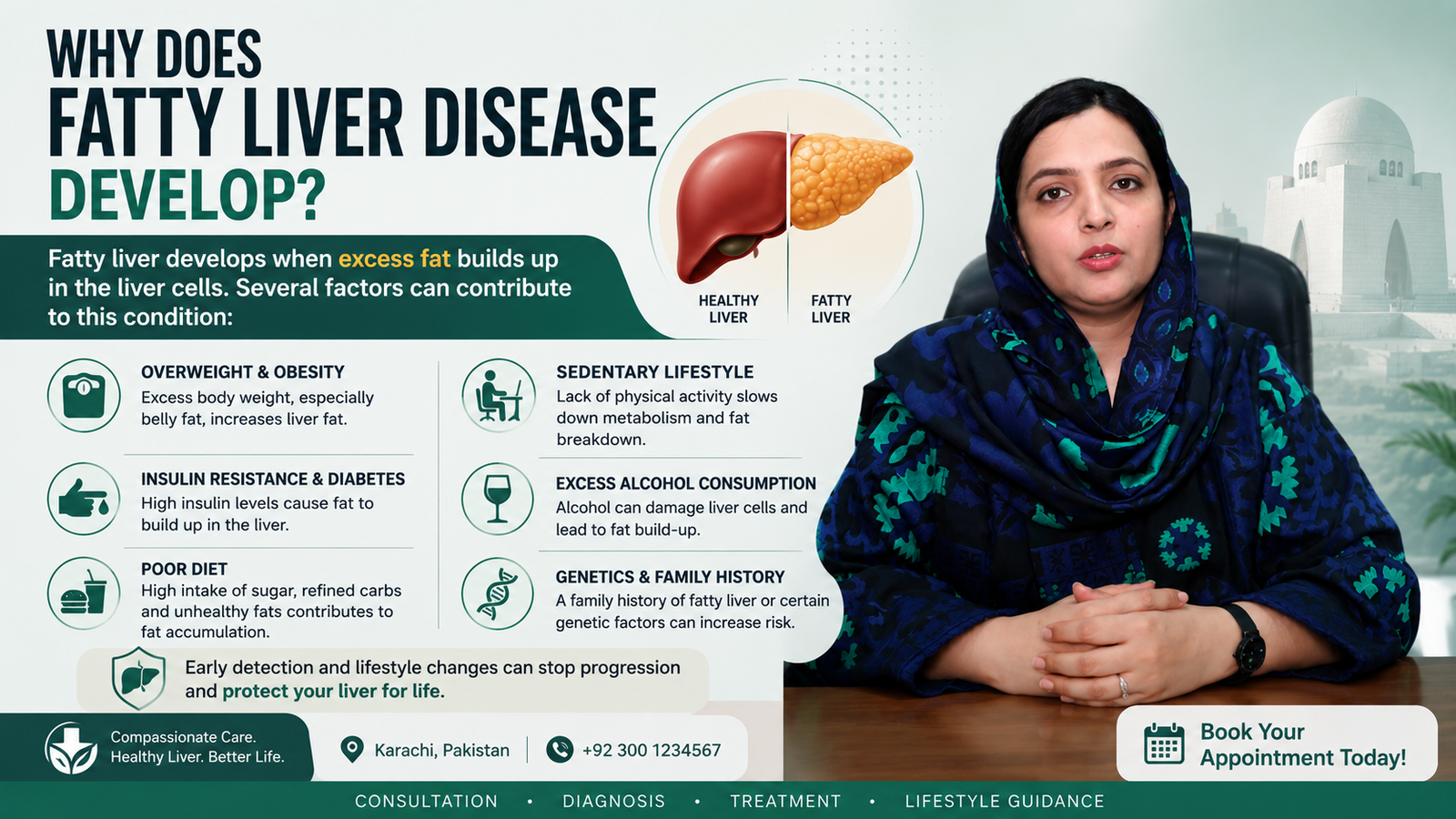
Several factors increase the risk of developing fatty liver disease.
Common causes include:
- Obesity
- Type 2 diabetes
- High cholesterol levels
- High triglycerides
- Insulin resistance
- Sedentary lifestyle
- Poor dietary habits
- Rapid weight loss
- Certain medications
- Excessive alcohol intake
In Karachi and other urban areas, changing lifestyles, increased consumption of processed foods, and reduced physical activity have contributed to a growing number of fatty liver cases.
What Symptoms May Indicate Fatty Liver Disease?
Many people have no symptoms during the early stages.
As the condition progresses, symptoms may include:
- Persistent fatigue
- Weakness
- Mild pain in the upper right abdomen
- Unexplained weight loss
- Poor appetite
- Nausea
- Difficulty concentrating
- Enlarged liver
- Abdominal swelling
- Yellowing of the skin and eyes in advanced disease
Because symptoms can be vague, many patients discover the condition during routine blood tests or abdominal ultrasound examinations.
When Should You Consult a Fatty Liver Specialist in Karachi?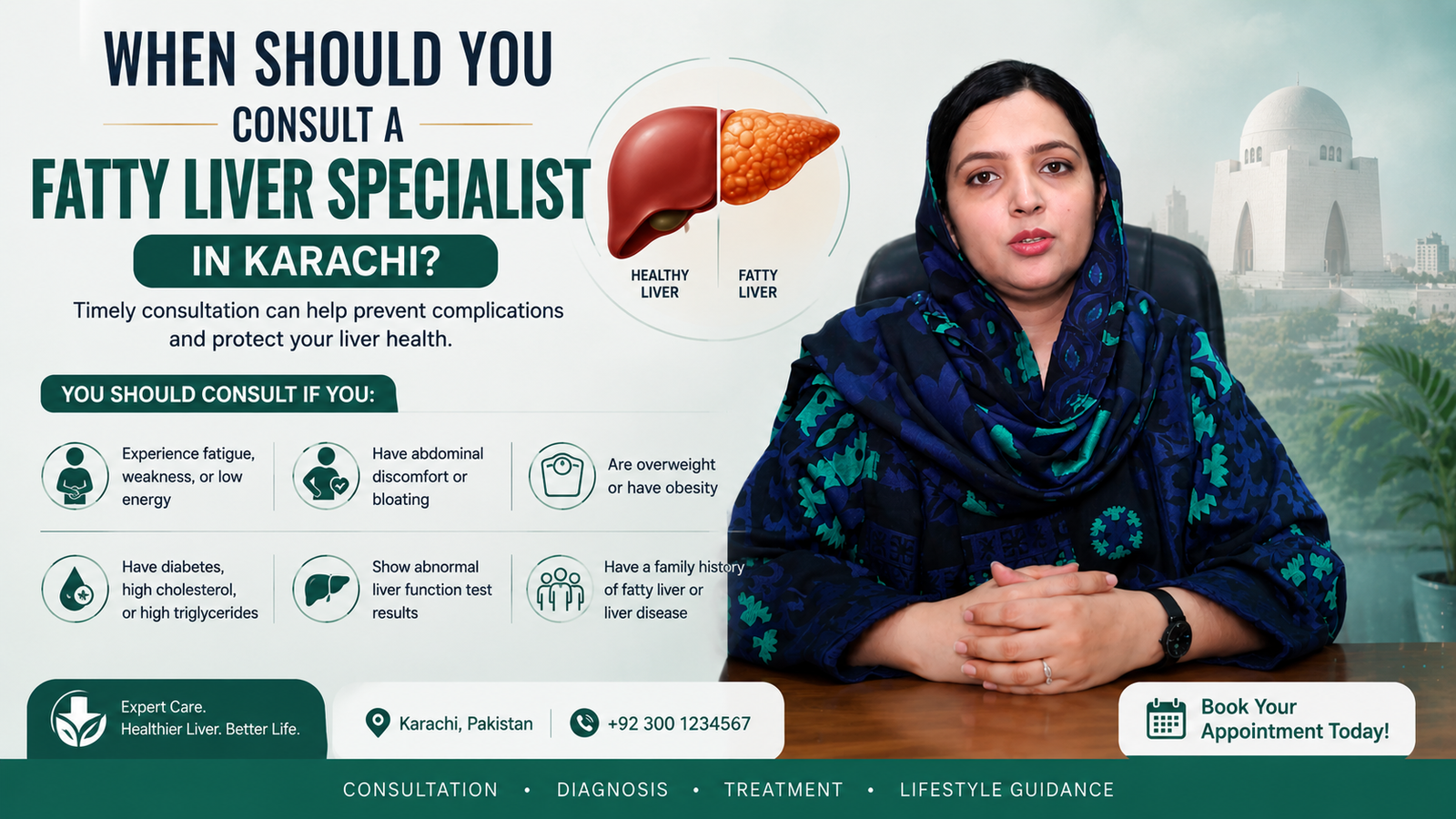
You should seek expert evaluation if:
- Liver function tests are abnormal
- Ultrasound reports indicate fatty liver
- You have diabetes or obesity
- You have elevated cholesterol levels
- You experience ongoing fatigue
- There is a family history of liver disease
- You have signs of liver inflammation
A fatty liver specialist in Karachi can determine whether the condition is mild or progressing toward fibrosis and cirrhosis.
Early intervention often prevents permanent liver damage.
How Is Fatty Liver Disease Diagnosed?
Liver specialists use a combination of clinical evaluation and diagnostic testing.
Common investigations include:
Medical History and Physical Examination
The doctor reviews symptoms, lifestyle factors, medication history, and existing medical conditions.
Blood Tests
These tests evaluate:
- Liver enzymes
- Cholesterol levels
- Blood sugar levels
- Markers of liver function
Ultrasound
Ultrasound is often the first imaging test used to detect liver fat.
FibroScan
FibroScan measures liver stiffness and helps assess fibrosis without invasive procedures.
CT Scan or MRI
Advanced imaging may be recommended in selected cases.
Liver Biopsy
A biopsy may be required when the diagnosis remains uncertain or when advanced liver disease is suspected.
Can Fatty Liver Disease Be Reversed?
Yes. In many cases, fatty liver disease can be reversed, particularly during the early stages.
Successful management often involves:
- Weight reduction
- Dietary changes
- Increased physical activity
- Better blood sugar control
- Cholesterol management
- Avoiding alcohol
Patients who follow medical advice consistently often show significant improvement in liver health within several months.
What Treatment Options Are Available?
Treatment depends on the severity of the disease and underlying risk factors.
Lifestyle Modification
Lifestyle changes remain the cornerstone of treatment.
Doctors often recommend:
- Regular exercise
- Balanced nutrition
- Weight management
- Adequate hydration
- Improved sleep habits
Medical Management
Although no single medication cures fatty liver disease, treatment may include medications that help control:
- Diabetes
- Cholesterol
- Insulin resistance
- Associated liver inflammation
Monitoring and Follow-Up
Regular monitoring allows specialists to assess progress and identify complications early.
Patients with advanced fibrosis require closer observation.
What Foods Support Liver Health?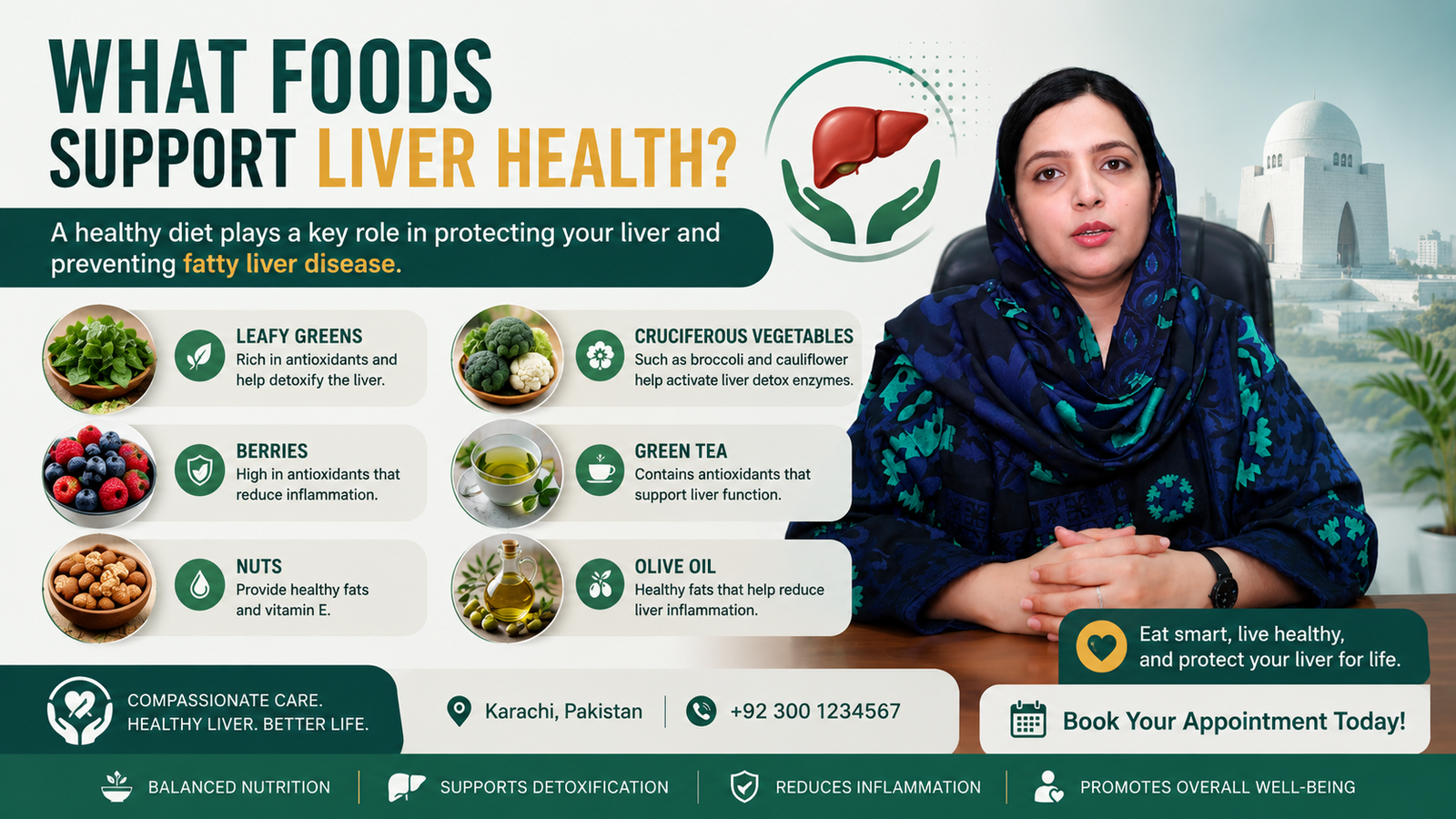
Diet plays a major role in fatty liver management.
Foods that support liver health include:
- Fresh vegetables
- Fruits in moderation
- Whole grains
- Fish rich in omega-3 fatty acids
- Nuts and seeds
- Lean protein sources
- Olive oil
Foods to limit include:
- Sugary beverages
- Processed foods
- Refined carbohydrates
- Excess fried foods
- High-calorie snacks
A liver specialist may also recommend consultation with a clinical nutrition expert.
Can Fatty Liver Lead to Serious Complications?
Yes. Untreated fatty liver disease can progress over time.
Potential complications include:
Liver Fibrosis
Repeated inflammation causes scar tissue formation.
Liver Cirrhosis
Extensive scarring permanently affects liver function.
Liver Failure
Severe liver damage may eventually lead to organ failure.
Liver Cancer
Patients with advanced cirrhosis have an increased risk of developing liver cancer.
This is why regular follow-up with a fatty liver specialist in Karachi is essential for high-risk individuals.
How Can You Prevent Fatty Liver Disease?
Prevention strategies include:
- Maintaining a healthy weight
- Exercising regularly
- Eating a balanced diet
- Managing diabetes effectively
- Controlling cholesterol levels
- Limiting alcohol consumption
- Scheduling routine health checkups
Small lifestyle improvements can significantly reduce the risk of liver disease.
Why Is Early Specialist Consultation Important?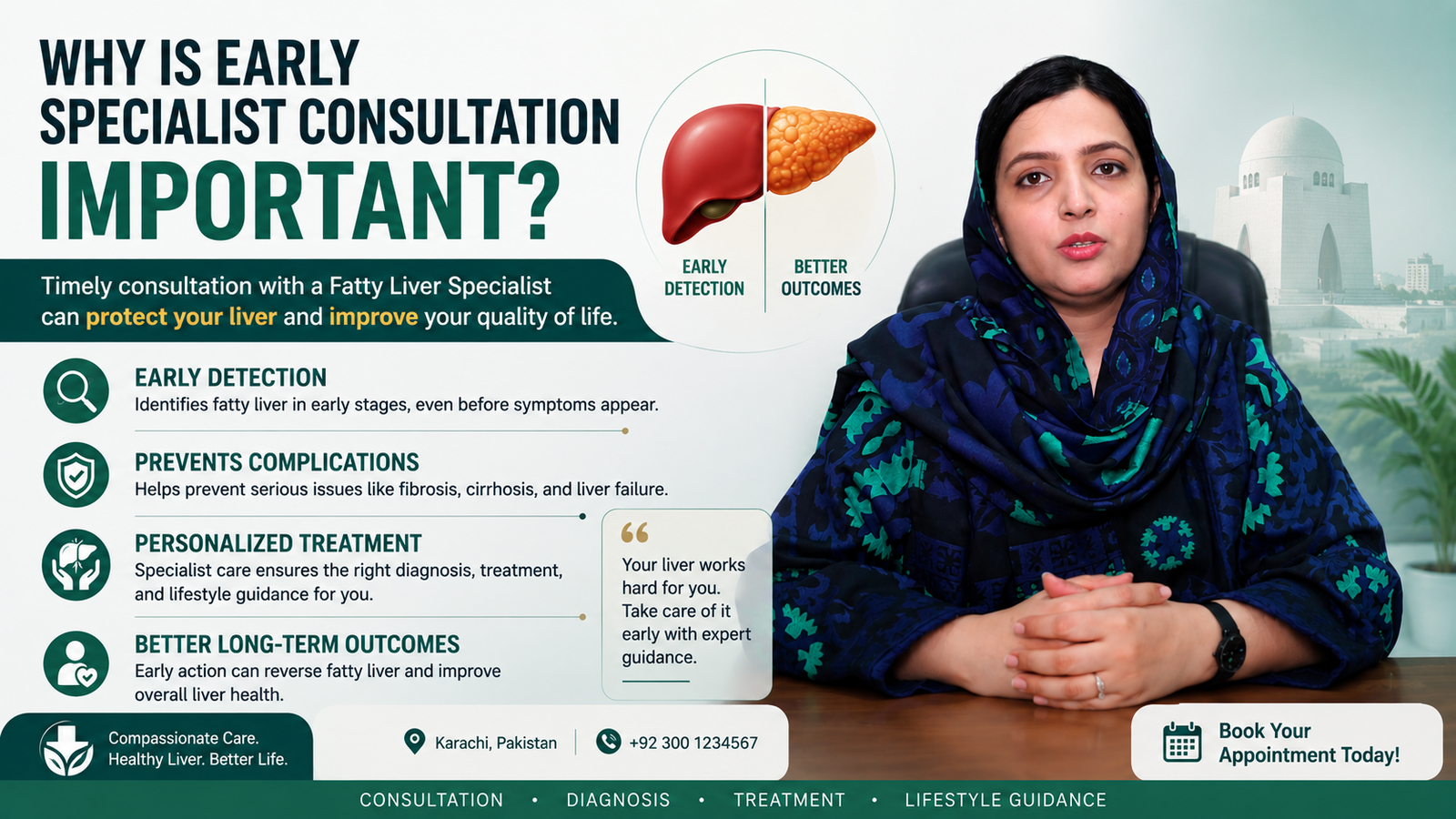
Many patients delay seeking medical care because they feel well despite having fatty liver disease.
However, liver damage can progress silently for years.
Early consultation allows specialists to:
- Detect disease progression
- Identify risk factors
- Develop personalized treatment plans
- Monitor liver health regularly
- Prevent serious complications
Timely intervention provides the best opportunity for long-term liver health.
FAQs
Is fatty liver disease always serious?
Not always. Many people have mild fatty liver disease that improves with lifestyle changes. However, untreated cases can progress to more severe liver damage.
Can fatty liver be cured completely?
Early-stage fatty liver can often be reversed through weight loss, healthy eating, exercise, and management of underlying conditions.
Which doctor treats fatty liver disease?
A gastroenterologist or hepatologist typically evaluates and manages fatty liver disease and its complications.
How long does it take to improve fatty liver?
Many patients begin seeing improvement within a few months after adopting healthier lifestyle habits and following medical advice.
Is exercise beneficial for fatty liver patients?
Yes. Regular physical activity helps reduce liver fat, improve insulin sensitivity, and support overall liver function.
Conclusion
Fatty liver disease is one of the most common liver conditions today, but early diagnosis and proper management can significantly improve outcomes.
Lifestyle changes, routine monitoring, and expert medical guidance play a crucial role in preventing disease progression.
If you have abnormal liver tests, risk factors such as diabetes or obesity, or imaging results showing liver fat accumulation, consulting a fatty liver specialist in Karachi can help protect your liver health and reduce the risk of future complications.