

What Is Fatty Liver Disease?
Fatty liver disease is caused by an accumulation of fat within the liver. If the cause is metabolic factors and not heavy alcohol use, it is often termed metabolic dysfunction-associated steatotic liver disease (MASLD). The term nonalcoholic fatty liver disease (NAFLD) is still commonly used.
Fat buildup does not necessarily mean permanent liver damage. Some people may have an uncomplicated fatty liver, while others may get inflammation and scarring in the liver.
Often, people with MASLD are overweight or obese, insulin resistant, have type 2 diabetes, abnormal cholesterol or triglycerides, or metabolic syndrome.
The difference is important because the treatment and monitoring may be different depending on the stage of disease.
What Causes Fatty Liver?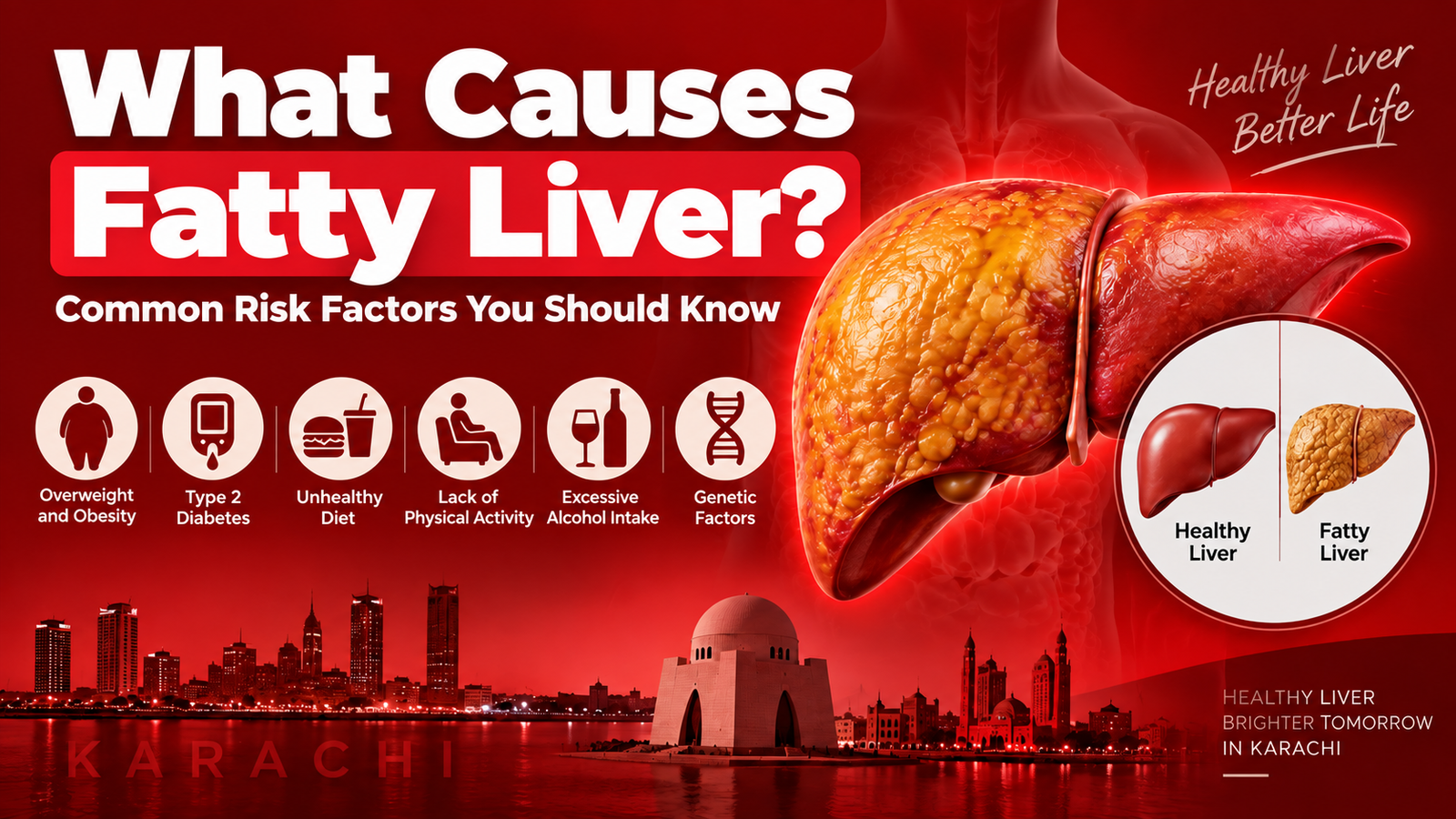
There are many possible causes for fatty liver. Other factors that can also play a role in fat accumulation in the liver are metabolic factors, alcohol, some medications, and other medical conditions.
Typical risk factors are:
- Excess abdominal fat or overweight or obesity, especially abdominal excess fat
- Insulin resistance or Type 2 diabetes
- High triglycerides or abnormal cholesterol levels
- Metabolic syndrome
- Low physical activity
- A diet with high calories, added sugars, or unhealthy fats
- Some health problems or drugs
- Alcohol use in alcohol associated liver disease
The presence of one or more of these risk factors does NOT necessarily indicate that someone has advanced liver disease.
It is important for a healthcare professional to evaluate the person and not rely on the basis of symptoms or body weight.
What Are the Symptoms of Fatty Liver?
In the early stages, fatty liver may not be accompanied by any symptoms.
This is one way in which individuals can be unaware that they have the condition.
Tiredness or discomfort in the upper right abdomen may be experienced by some. But these signs alone are not specific enough to make a diagnosis of fatty liver.
The person may not have any symptoms of the disease, but still have fatty liver. Medical evaluation with blood tests or ultrasound, may be helpful if these raise concerns, to clarify what they mean.
How Is Fatty Liver Diagnosed?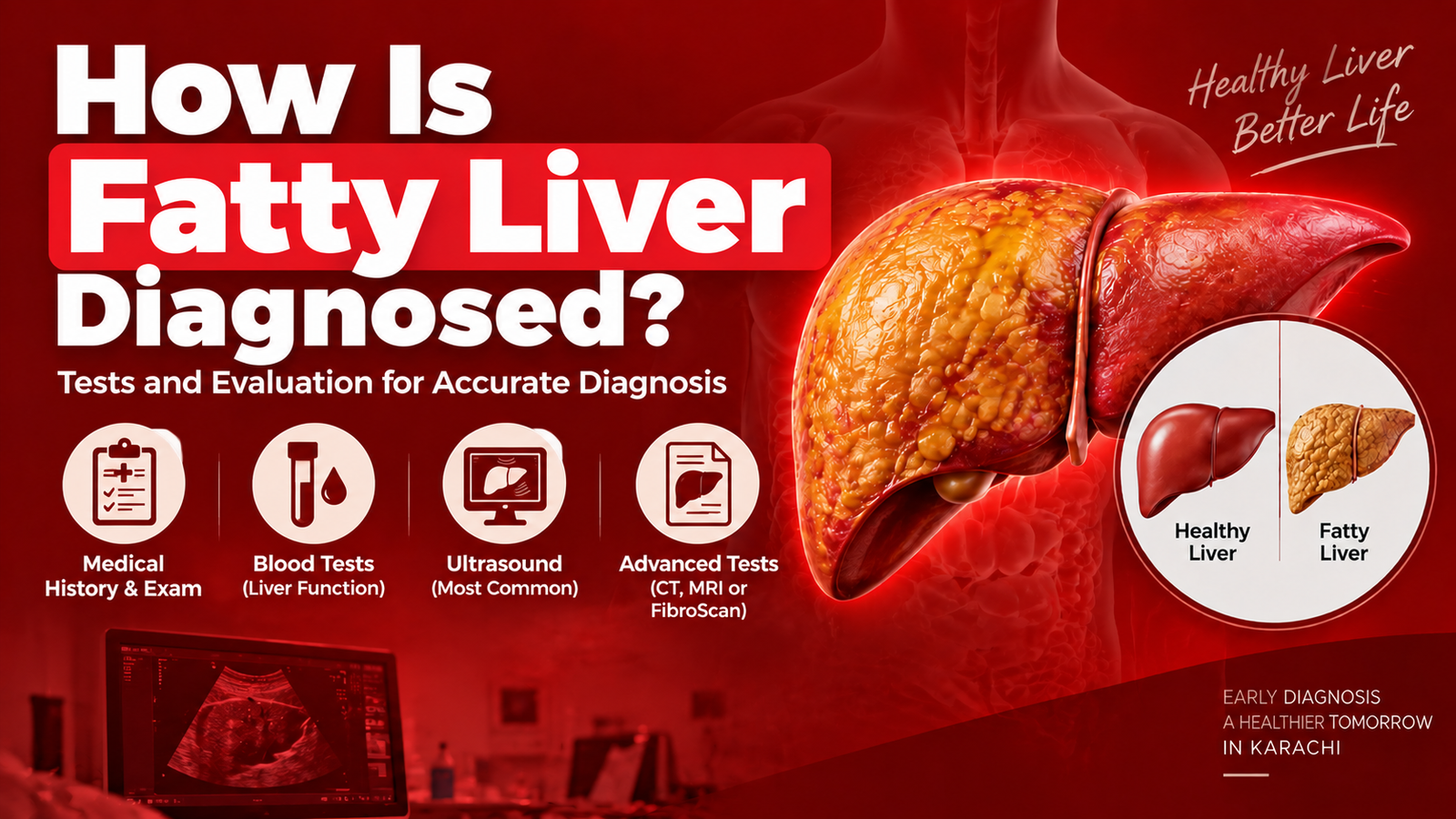
A medical history, physical exam, blood tests, and imaging are typically used to evaluate fatty liver.
The aim is to detect liver fat but also to pick up on any other potential causes and to determine if fibrosis or advanced liver disease may be present.
Blood Tests
Liver enzymes (ALT, AST) may be measured in a blood test. Other blood tests may be done, depending on the individual’s health, to evaluate blood glucose, cholesterol, triglycerides, and other substances.
Some clinical risk scores, including FIB-4, may be useful in predicting a risk of advanced liver fibrosis.
These scores do not provide a diagnosis, but can help to identify the need for further testing.
Ultrasound and Other Imaging
Fat in the liver may be seen on an abdominal ultrasound. In addition, depending on the case, a doctor might recommend a CT, an MRI, or elastography.
Elastography, such as vibration-controlled transient elastography, may help to assess liver stiffness. Routine ultrasound can’t give as much information as increased stiffness can give, and it can indicate fibrosis.
Liver Biopsy
Not all people with fatty liver need a liver biopsy. It is sometimes used when a doctor requires more information about inflammation, fibrosis, or other possible liver disease.
This is based on the person’s clinical examination and other investigations.
What Is the Main Fatty Liver Treatment?
Gradual weight management, healthy eating, physical activity, and the management of metabolic conditions related to MASLD are the cornerstone of treatment for many individuals who have the condition.
Weight loss can decrease liver fat if overweight or obese. Evidence reviewed by NIDDK suggests that losing 3% to 5% of one’s body weight is sufficient to decrease liver fat; however, more weight loss might be required to alleviate liver inflammation and fibrosis. It is not recommended to lose weight quickly, as this may be detrimental.
This treatment should then be tailored. Someone who has mild fatty liver may require a different approach to management as compared to someone who has diabetes, significant fibrosis, or cirrhosis.
Diet Changes That May Help Fatty Liver
The food we eat can be important in managing metabolic health and liver fat. A health care professional such as a doctor or a registered dietitian can assist in developing a plan based on the individual’s weight, diabetes condition, medicines, and typical eating habits.
The general guidelines for diet are to minimize extra calories and foods high in saturated or trans fat. Eating a healthier food pattern by replacing some of these fats with unsaturated fats and using more of the lower glycemic foods such as vegetables, whole grains, fruits, and other lower glycemic food items can help.
For Karachi patients, changing the things they do may involve eating smaller amounts and avoiding very often sugary beverages, too much fried food, sweets, and overly processed snacks. It’s not about a quick crash diet, but a realistic way to eat.
Exercise and Physical Activity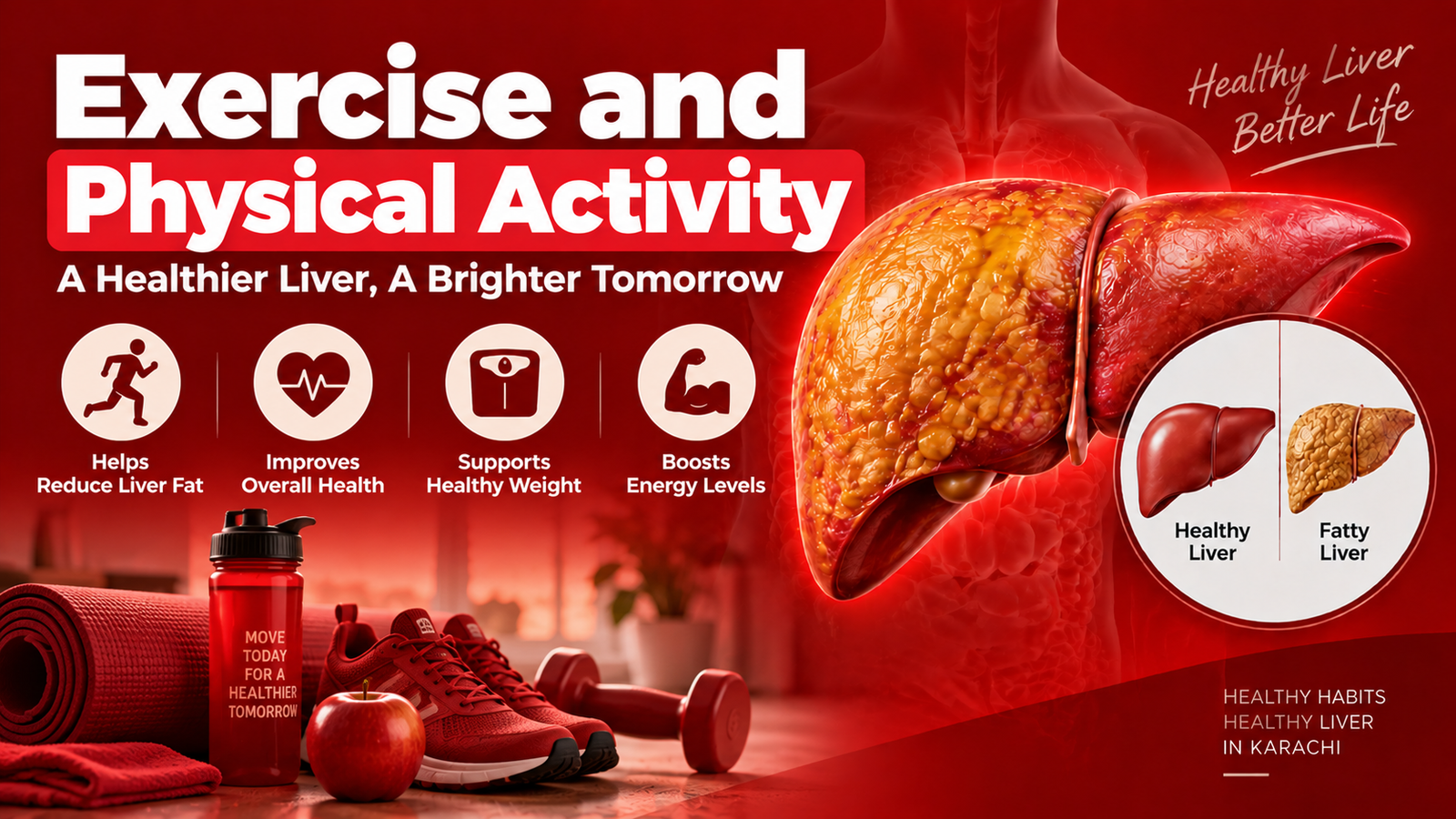
Even if weight loss doesn’t happen the body can still benefit from exercise in terms of fatty liver.
Aerobic exercise and resistance training can help maintain weight and promote metabolic health. For adults, the recommended guideline is 150 minutes of moderate-intensity physical activity a week; this will vary depending on their age, fitness, and medical and physical conditions.
It’s not always important to have a complex gym routine. Walking, cycling, swimming or appropriate resistance activities can all be incorporated into a regular activity regime.
If you have diabetes, heart disease, severe obesity, joint problems, or other health conditions that restrict exercise, consult your health care professional on an appropriate level of activity.
Fatty Liver Treatment: Lifestyle Care vs Specialist Treatment
Aspect | Lifestyle-focused care | Specialist medical care |
Main purpose | Reduce metabolic risk and liver fat | Assess or manage significant liver disease |
Common components | Diet, physical activity, gradual weight management | Liver assessment, fibrosis evaluation and condition-specific treatment |
Who may need it | Many people with fatty liver | People with concerning test results, fibrosis, cirrhosis, or complex disease |
Monitoring | Weight, metabolic health and appropriate follow-up | Liver tests, fibrosis assessment and other investigations when needed |
Medication | Depends on associated medical conditions | May be considered for specific diagnosed conditions |
Main consideration | Sustainable long-term habits | Treatment should be based on the cause and stage of liver disease |
The two approaches are not necessarily alternatives. A person receiving specialist treatment may still need dietary changes, physical activity, and management of diabetes or cholesterol.
Are Medicines Used for Fatty Liver?
Treatment should be administered and choices between medications made by a health care provider based on the nature and degree of the liver disease.
Not all people who have fatty liver require a liver-specific medication. Rather, treatment can involve managing a condition like type 2 diabetes, obesity, high cholesterol, or high blood pressure.
Guidance has also changed with new treatments that have been researched. For instance, the American Association for the Study of Liver Diseases (AASLD) revised its recommendations about semaglutide treatment for certain patients with MASH and moderate to advanced fibrosis in 2025.
This doesn’t imply that semaglutide is suitable for anyone with fatty liver. The choice of treatment is based on diagnosis, fibrosis stage, other health problems, and medical evaluation.
Never take prescription drugs, vitamins, herbal remedies, or so-called liver cleansing supplements without consulting a doctor. Certain herbs can damage the liver.
Can Fatty Liver Be Reversed?
Eating foods that lower the risk of fatty liver, and treating the underlying causes of fatty liver can help it improve. Some individuals may benefit from inflammation and fibrosis reducing with higher levels of weight loss, and liver fat is lowered when weight is reduced (where appropriate).
Exercise also offers other health benefits that aren’t associated with weight loss.
But progress is not the same for all. If you have existing fibrosis or cirrhosis, it’s important to watch for this as it may not go away with lifestyle changes.
The reason why treatment should be geared towards the stage of liver disease and not just the presence of fat on an ultrasound.
What Should You Avoid If You Have Fatty Liver?
Little things add up to big things over time. Rather than looking for a quick cleansing of the liver, consider things that contribute to metabolic health or liver damage.
Some points to keep in mind are to avoid overconsumption of calories, empty-calorie beverages and junk food, lack of exercise, and unnecessary supplements.
Also, consult a healthcare professional about alcohol, as the advice varies based on the type and severity of liver disease.Avoid crash dieting or quick weight loss. Slow, continuous change is preferred.
When Should You See a Doctor for Fatty Liver in Karachi?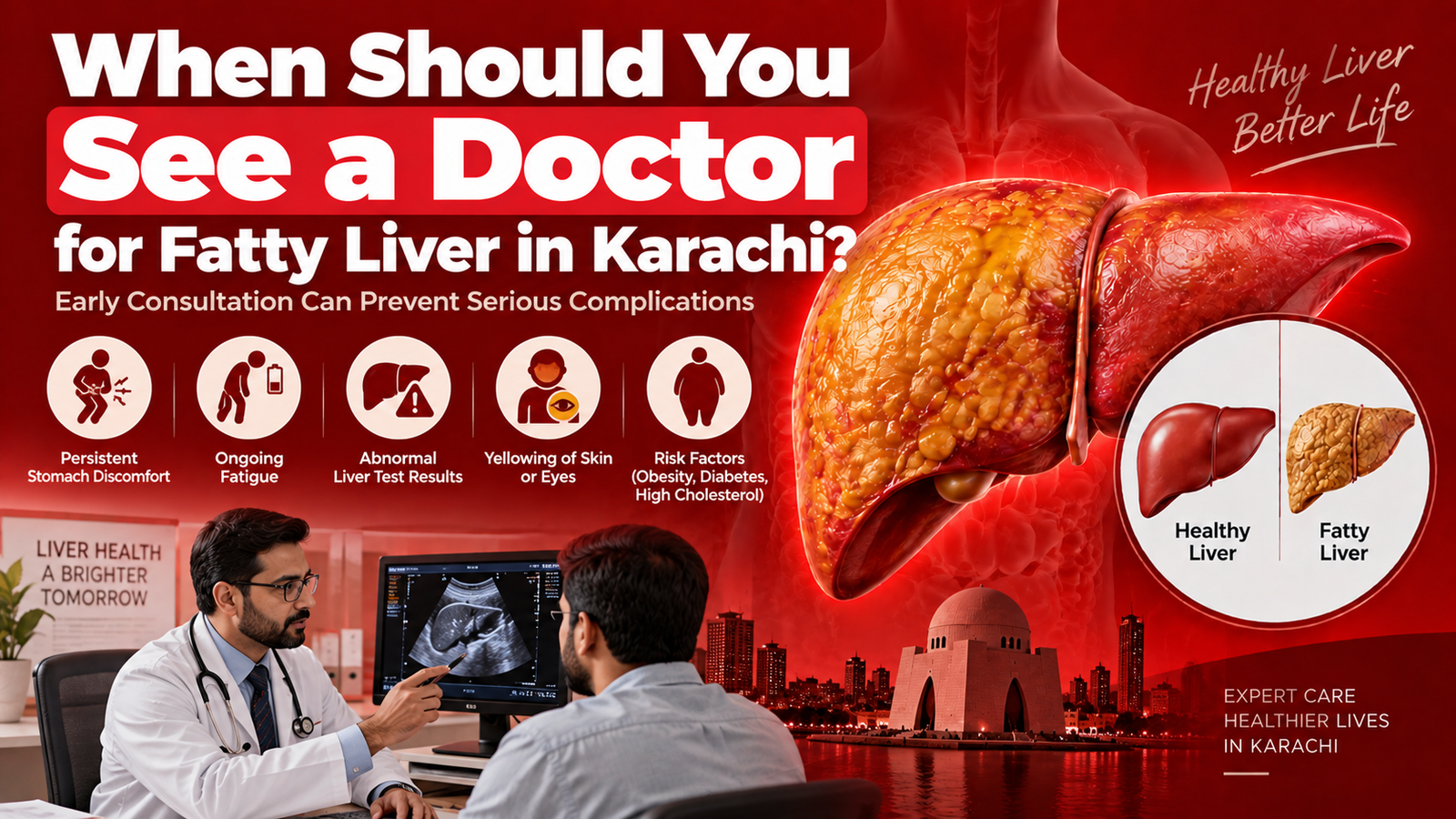
If you’ve had an ultrasound that found fatty liver, or liver enzymes are consistently elevated, or you have risk factors like diabetes, obesity, high triglycerides, and metabolic syndrome, think about getting a professional evaluation.
A consultation can help to address questions like:
- Is this a simple fatty liver or a more advanced liver disease?
- Do my liver enzymes indicate liver disease?
- Should fibrosis be done?
- Is there a need for an ultrasound or elastography?
- Is there another disease producing the liver abnormalities?
- Which diet or lifestyle modifications are right for me?
- When is it appropriate to test my liver?
Dr Sarwat Asif is one of the professional health experts who can be considered as a point of professional medical consultation if you are looking for fatty liver treatment in Karachi. Treatment and evaluation should be tailored to the medical history, exam, test results, and health conditions of the patient.
Warning Signs That Need Prompt Medical Attention
Advanced liver disease can produce more serious signs, but fatty liver may not produce any signs.
If you experience symptoms that are concerning, including yellowing skin or eyes, abdominal swelling, severe confusion, vomiting of blood, or other symptoms that are becoming more serious or worsening quickly, get immediate medical help.
With severe liver disease, there may be jaundice, a buildup of fluid in the abdomen, and other symptoms, and these should not be overlooked.
How to Prepare for a Fatty Liver Consultation
Prior to visit to a doctor in Karachi, gather any previous reports with you, such as ultrasound, liver function tests, blood sugar or HbA1c results, cholesterol and triglyceride reports, and a list of current medicines and supplements.
Recent changes in weight, eating patterns, physical activity and alcohol consumption can also be helpful to be aware of.
This information will provide the health care provider with a better understanding of the risk factors and assist in the process of continued testing.
Most of all, don’t rely on symptoms alone to determine the severity of fatty liver. Fatty liver may occur without any symptoms, and more tests might be needed to assess fibrosis or other liver disease.