

Flu symptoms usually appear suddenly and can include fever, chills, cough, sore throat, headache, body aches, tiredness, and a runny or blocked nose.
Some people may also experience nausea, vomiting, or diarrhea, particularly children. Unlike a common cold, influenza often causes more sudden and intense symptoms.
Influenza is a contagious respiratory infection caused by influenza viruses. Most healthy people recover within about a week, although tiredness and coughing may continue for longer.
In some people, especially older adults, young children, pregnant women, and those with certain chronic health conditions, the flu can become serious.
If you are searching for flu symptoms because you or someone in your family is unwell, this guide explains the common signs, the difference between flu and a cold, possible causes of prolonged flu-like symptoms, early care, prevention, and when medical attention may be necessary.
What Are the Symptoms of the Flu?
Flu symptoms commonly begin suddenly rather than developing slowly.
A person may feel relatively well and then develop fever, chills, body aches, headache, cough, and significant tiredness within a short period. Not everyone with influenza develops a fever.
Common symptoms include:
- Fever or feeling feverish and chills
- Dry or persistent cough
- Sore throat
- Runny or blocked nose
- Headache
- Muscle and body aches
- Marked tiredness or weakness
- Reduced appetite
- Difficulty sleeping
- Nausea, vomiting, or diarrhea, particularly in children
The combination and intensity of symptoms can vary from one person to another.
Some people may have mainly respiratory symptoms, while others experience significant body aches and fatigue.
How Quickly Do Flu Symptoms Start?
Flu usually has a relatively sudden onset. After exposure to the virus, symptoms commonly begin within about one to four days, with around two days being typical.
This sudden change can help distinguish influenza from some other respiratory infections, although symptoms alone cannot always confirm which virus is responsible.
What Are the Symptoms of a Cold and the Flu?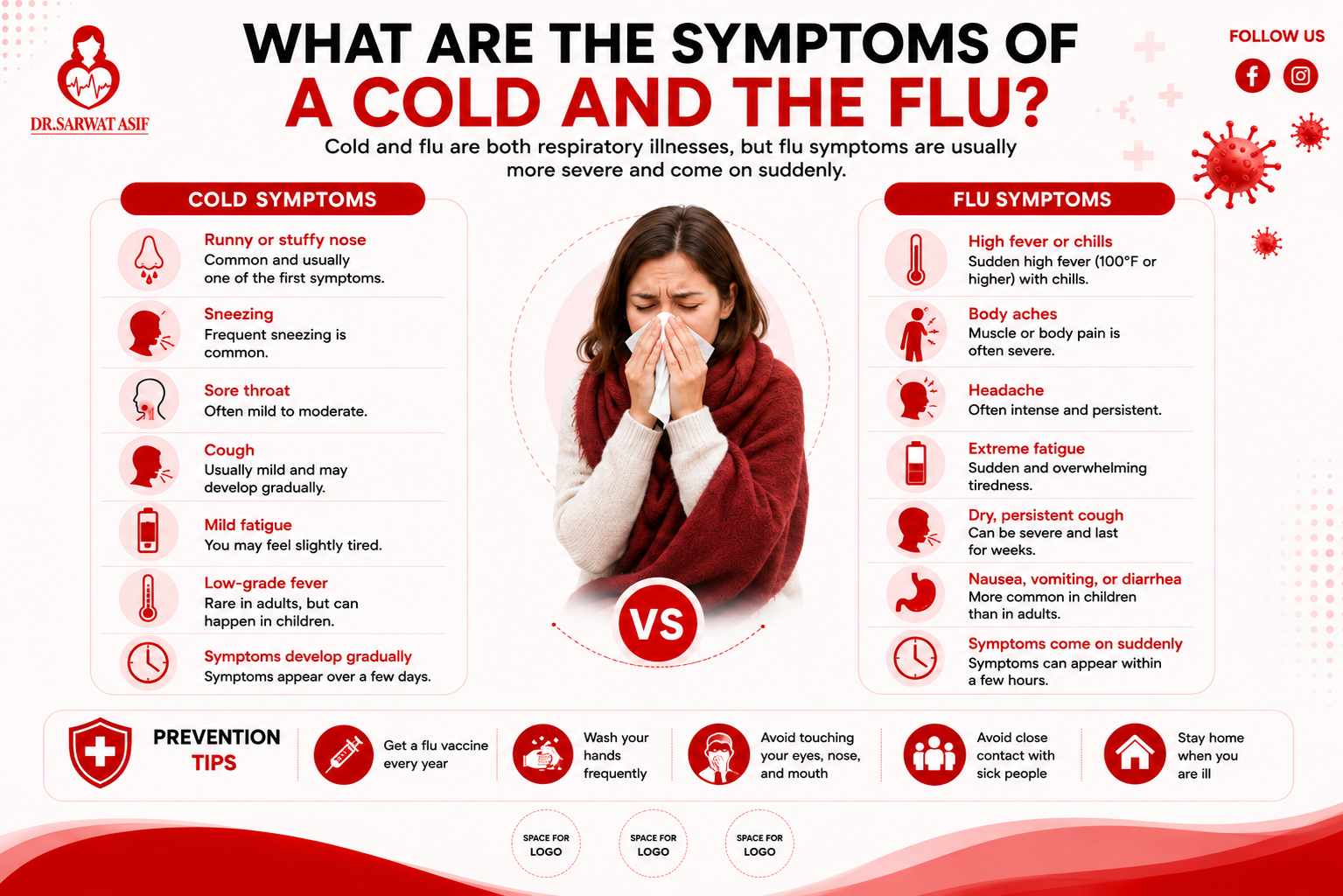
The common cold and influenza can cause similar symptoms, but flu often begins more suddenly and causes stronger systemic symptoms such as fever, body aches, headache, and pronounced fatigue.
A cold is more likely to develop gradually and remain focused around the nose and throat.
Feature | Flu | Common Cold |
Onset | Often sudden | Usually gradual |
Fever | Common, but not always present | Less common |
Body aches | Often noticeable | Usually mild |
Fatigue | Can be significant | Usually milder |
Cough | Often prominent and can be dry | Usually milder |
Runny or blocked nose | Can occur | Very common |
Headache | Common | Less common |
Overall effect | Often more intense | Usually milder |
This comparison is useful as a general guide, not as a way to diagnose yourself. COVID 19 and other respiratory infections can also produce flu-like symptoms, so a healthcare professional may recommend testing or further evaluation depending on the situation.
What Causes Flu Symptoms?
Influenza is caused by influenza viruses, most commonly influenza A or influenza B viruses in seasonal flu.
The infection spreads mainly through respiratory particles released when an infected person coughs, sneezes, talks, or breathes. It can also spread through contaminated hands and surfaces.
People can become infected when they are close to someone carrying the virus or spend time in a poorly ventilated, crowded indoor environment.
In Pakistan, respiratory infections may circulate during different periods of the year.
WHO notes that influenza can circulate throughout the year in tropical regions, although activity can increase during particular periods.
How to Stop Flu Symptoms Early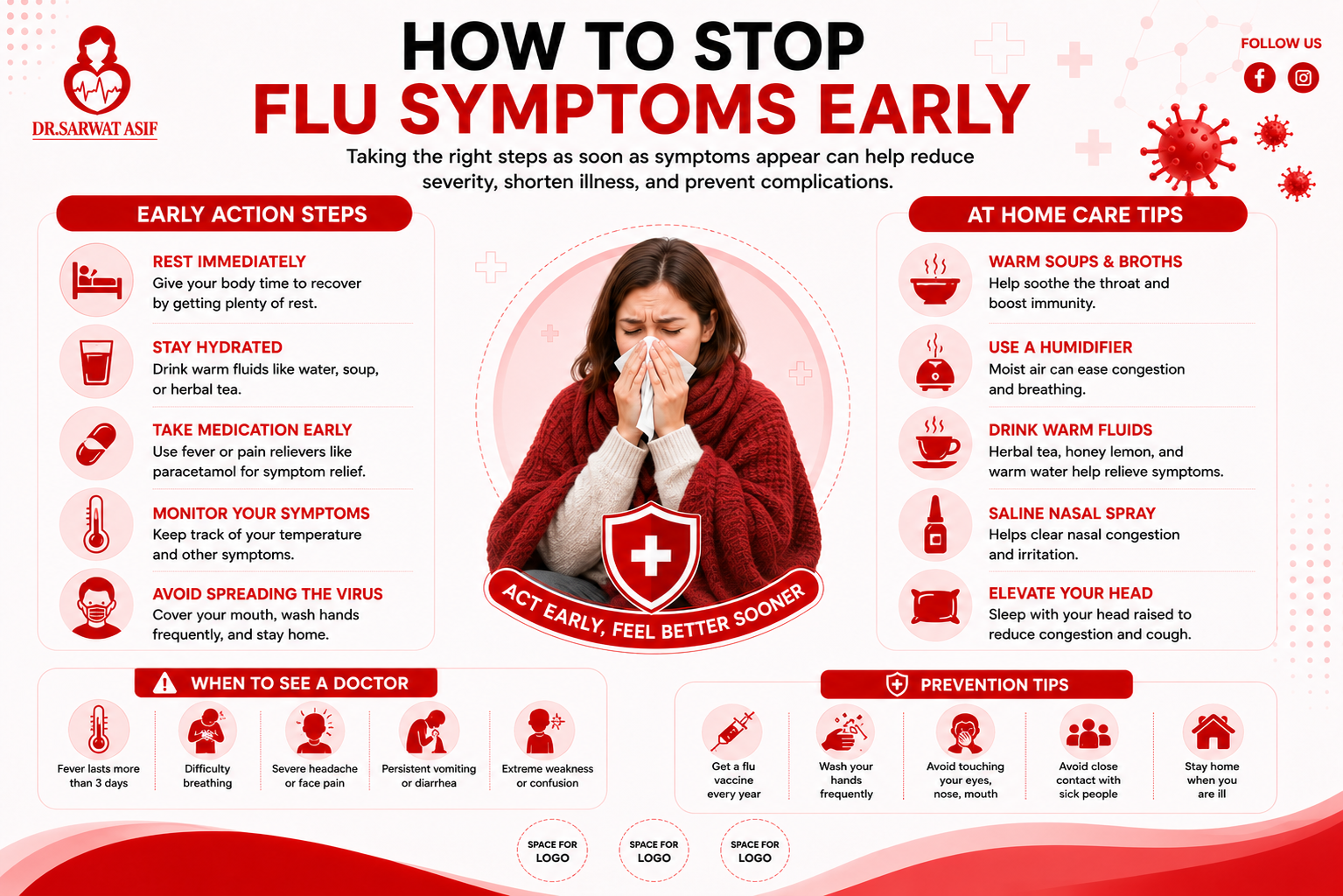
There is no guaranteed way to make influenza disappear immediately, but early supportive care can help you manage symptoms and may reduce the risk of complications.
For most people with mild illness, rest, adequate fluids, and symptom relief are important parts of recovery.If symptoms have just started, consider these practical steps:
Rest and Reduce Physical Strain
Your body needs energy while fighting an infection. Avoid strenuous exercise and allow yourself enough sleep and rest.
Drink Enough Fluids
Fever, sweating, reduced appetite, vomiting, or diarrhea can contribute to fluid loss. Water and other suitable fluids can help maintain hydration.
Manage Fever and Discomfort Safely
Fever, headaches, and body aches can make influenza difficult to tolerate. Appropriate over-the-counter medicines may help some people, but the choice depends on age, existing conditions, allergies, pregnancy status, and other medicines being taken.
If you are uncertain about which medicine is suitable, ask a doctor or pharmacist rather than combining several cold and flu products without checking their ingredients.
Ask About Antiviral Treatment Early
Antiviral medicines are different from antibiotics. They may be recommended for certain people with influenza, particularly those at higher risk of severe illness.
They generally work best when started early, ideally within 48 hours of symptom onset.
Antivirals should be used according to medical advice because treatment depends on the person’s symptoms, risk factors, timing, and clinical situation.
Antibiotics do not treat influenza itself because the flu is caused by a virus. Antibiotics may only be appropriate when a healthcare professional identifies a bacterial infection or complication that requires them.
How Long Do Flu Symptoms Last?
Many people recover from fever and other major symptoms within about a week. However, recovery time varies.
A cough can remain troublesome for two weeks or longer in some people, even after the fever and other symptoms have improved.
Feeling tired after an infection can also take time to resolve. If symptoms are improving gradually, this may be part of the recovery process.
However, symptoms that persist, repeatedly return, or become worse should not automatically be assumed to be ongoing flu.
What Causes Flu-Like Symptoms for Months?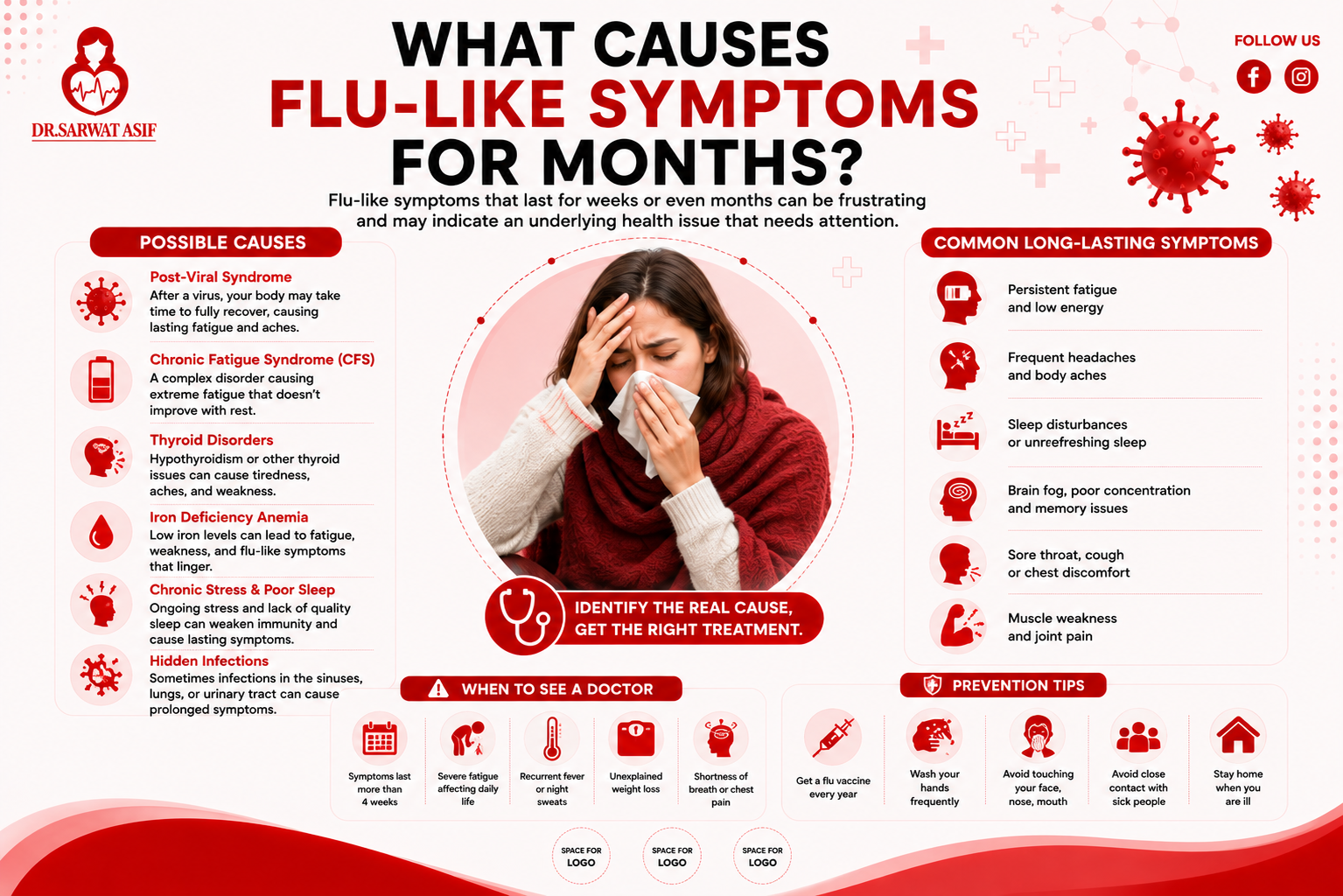
Flu itself is generally an acute illness, so flu-like symptoms continuing for months deserve medical evaluation rather than being automatically attributed to influenza.
Persistent cough, fatigue, congestion, feverish feelings, or body discomfort can have several possible causes.
Depending on the symptoms and medical history, possibilities may include:
- Repeated respiratory infections
- Asthma or airway inflammation
- Allergies
- Chronic sinus problems
- Gastroesophageal reflux
- Another viral infection
- A bacterial infection
- An underlying chronic health condition
- Post infection symptoms
- Other respiratory conditions that need assessment
The exact cause cannot be determined from symptoms alone. WHO notes that several respiratory viruses can produce influenza-like illness, and laboratory testing may be required to establish a definitive diagnosis in appropriate circumstances.
If you have had a cough, fever, unexplained fatigue, breathing difficulty, weight loss, or other flu-like symptoms for weeks or months, arrange an evaluation instead of repeatedly taking medicines for presumed flu.
Who Is More at Risk of Severe Influenza?
Influenza can affect anyone, but some groups have a higher risk of severe illness and complications.
WHO identifies several higher-risk groups, including older adults, young children, pregnant women, people with chronic medical conditions, and people with weakened immune systems.
Extra caution is appropriate for people with conditions such as asthma, chronic heart or lung disease, diabetes, or other long-term health problems.
If you belong to a higher-risk group and develop flu symptoms, contacting a healthcare professional early can be particularly important because antiviral treatment may be considered.
When Should You See a Doctor for Flu Symptoms?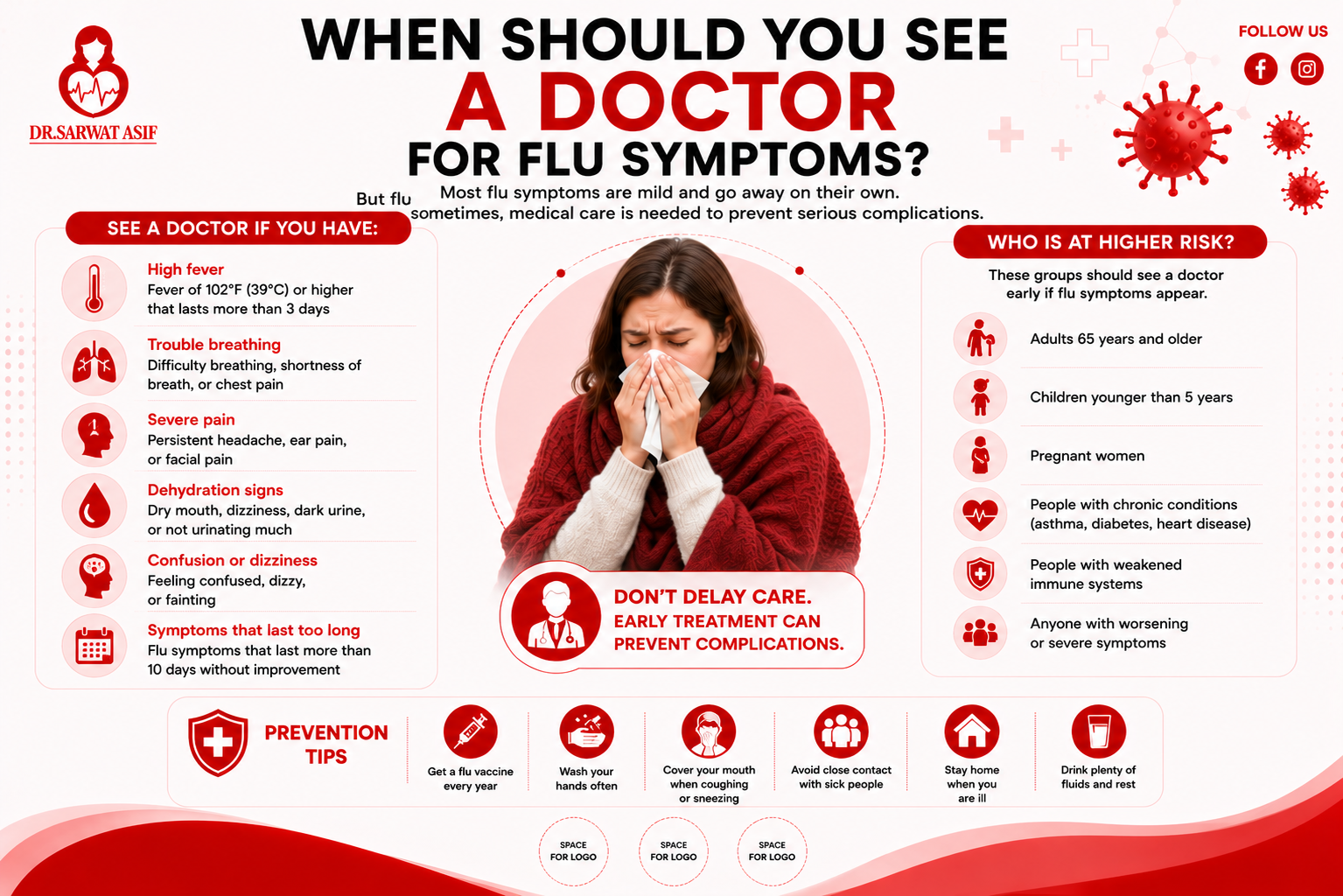
Mild influenza often improves with home care, but medical assessment may be appropriate when symptoms are severe, prolonged, unusual, or worsening.
Consider contacting a doctor if:
- Symptoms are getting worse instead of improving
- Fever continues or returns after initially improving
- You have significant breathing difficulty
- You experience chest pain or pressure
- You cannot maintain adequate fluid intake
- You have signs of dehydration
- Severe weakness prevents normal daily activities
- Symptoms persist longer than expected
- You have a chronic medical condition
- You are pregnant
- The patient is a young child or older adult
- You are concerned about complications
Severe influenza can sometimes lead to complications such as pneumonia, and influenza can worsen existing chronic illnesses.
When Is Flu an Emergency?
Seek urgent medical care for severe breathing difficulty, severe chest pain, confusion, fainting, significant dehydration, bluish or grayish discoloration, or a serious deterioration in the person’s condition.
Children, older adults, pregnant women, and people with significant chronic illnesses may need a lower threshold for medical assessment because they have a higher risk of severe influenza.
How Is Influenza Diagnosed?
A doctor may assess flu based on the pattern of symptoms, physical examination, medical history, and the level of influenza activity in the community.
In some situations, testing may be appropriate. WHO states that laboratory testing can establish a definitive diagnosis, while rapid tests may have lower sensitivity than molecular methods such as RT PCR.
Testing decisions depend on the patient’s condition and why confirmation is needed. Not every person with mild respiratory symptoms requires laboratory confirmation.
How Can You Prevent the Flu?
Vaccination is the most effective way to reduce the risk of influenza and severe outcomes. WHO recommends annual vaccination for several higher-risk groups, including pregnant women, young children, older adults, people with chronic medical conditions, and healthcare workers.
Other practical measures can also reduce transmission:
- Wash your hands regularly with soap and water.
- Cover your mouth and nose when coughing or sneezing.
- Avoid close contact with people who are sick.
- Stay home when you are unwell, where possible.
- Improve ventilation by opening windows when appropriate.
- Avoid crowded, poorly ventilated indoor spaces during periods of respiratory illness.
- Avoid touching your eyes, nose, and mouth with unwashed hands.
These measures are particularly useful when someone in the household has respiratory symptoms.
Flu Symptoms in Karachi: When to Consider Medical Evaluation
For patients in Karachi, mild flu symptoms can often be monitored at home when there are no warning signs and the person is otherwise healthy.
However, persistent or severe symptoms should receive appropriate medical assessment.
A general physician or consultant physician can evaluate symptoms such as prolonged cough, recurrent fever, breathing problems, unusual fatigue, or symptoms that do not follow a typical recovery pattern.
If you are looking for a physician in Karachi, Dr. Sarwat Asif is one local medical professional you may consider contacting for an evaluation.
Her official website identifies her as a Consultant Physician in Karachi and provides information about her medical practice.
The right clinician depends on your symptoms, medical history, and the type of evaluation you need.
A doctor can determine whether the symptoms are consistent with influenza or whether another condition needs to be investigated.
Common Mistakes People Make With the Flu
One common mistake is assuming every cough, fever, or runny nose is influenza.
Several respiratory infections can produce similar symptoms, and symptoms alone do not always identify the specific virus.
Another mistake is taking antibiotics without medical advice. Antibiotics do not work against influenza viruses, and unnecessary use can create other problems.
It is also unwise to ignore symptoms that continue for weeks or months. A persistent cough or ongoing flu-like illness may have a cause that needs separate evaluation.
Finally, people at higher risk should not delay professional advice simply because symptoms initially appear mild.
Frequently Asked Questions
What are the first signs of flu?
Early flu signs often include sudden fever or chills, dry cough, sore throat, headache, muscle or body aches, tiredness, and sometimes a runny or blocked nose. Not everyone develops every symptom or develops a fever.
How are flu symptoms different from a cold?
Flu usually begins more suddenly and tends to cause stronger body aches, fatigue, headache, and fever. Colds often develop gradually and are more likely to cause prominent nasal symptoms. However, symptoms can overlap, so this difference cannot confirm a diagnosis.
Can flu symptoms last for months?
Typical influenza does not usually cause the same acute symptoms for months. A cough can continue for two weeks or more, but persistent symptoms should be evaluated because allergies, asthma, sinus disease, another infection, or another medical condition could be responsible.
How can I stop flu symptoms early?
Early rest, adequate fluids, and appropriate symptom management can help with recovery. For people at higher risk or with more serious illness, a doctor may consider antiviral treatment, which works best when started early.
Do antibiotics cure the flu?
No. Influenza is caused by a virus, so antibiotics do not treat the flu itself. A doctor may prescribe an antibiotic only if there is evidence of a bacterial infection or complication that requires antibiotic treatment.
Can you have the flu without a fever?
Yes. Fever is common with influenza, but not everyone with flu develops a fever. Other symptoms such as cough, body aches, headache, sore throat, and fatigue may still occur.
When should I seek medical care for the flu?
Seek medical advice if symptoms are severe, worsening, unusually prolonged, or affecting your ability to stay hydrated or breathe normally.
People at higher risk of complications should contact a healthcare professional early. Emergency care is appropriate for serious breathing difficulty, chest pain, confusion, severe dehydration, or significant deterioration.
Conclusion
Flu symptoms commonly include sudden fever or chills, cough, sore throat, headache, body aches, fatigue, and nasal symptoms.
Most people recover within about a week, although coughing and tiredness can continue for longer.
Early rest, hydration, appropriate symptom care, and timely medical advice for higher-risk patients can support safer recovery.
If you or a family member has severe flu symptoms, persistent fever, breathing difficulty, or prolonged illness, don’t delay seeking medical advice.
Early evaluation can help identify complications and ensure appropriate treatment. If you’re in Karachi, Dr. Sarwat Asif can assess your symptoms and recommend the most suitable care.