

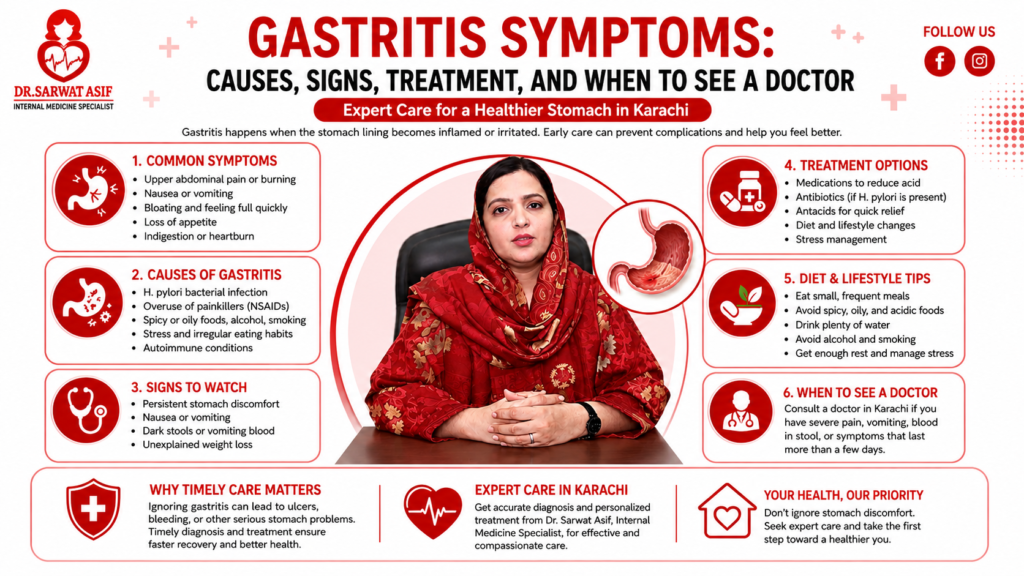
What Is Gastritis?
Acute gastritis is an inflammation of the lining of the stomach. It may be sudden (acute gastritis) or gradual (chronic gastritis) and can last longer. Some may cause enough stomach lining damage to lead to erosions, ulcers, or bleeding.
The stomach has a protective lining which helps protect the tissues from digestive acids. If this protective barrier develops inflammation or injury, symptoms of upper belly pain, nausea, indigestion, and stomach fullness could be present.
It is important to note that gastritis doesn’t always produce signs. Others find they have the condition when they are tested for another digestive disorder.
What Are the Common Gastritis Symptoms?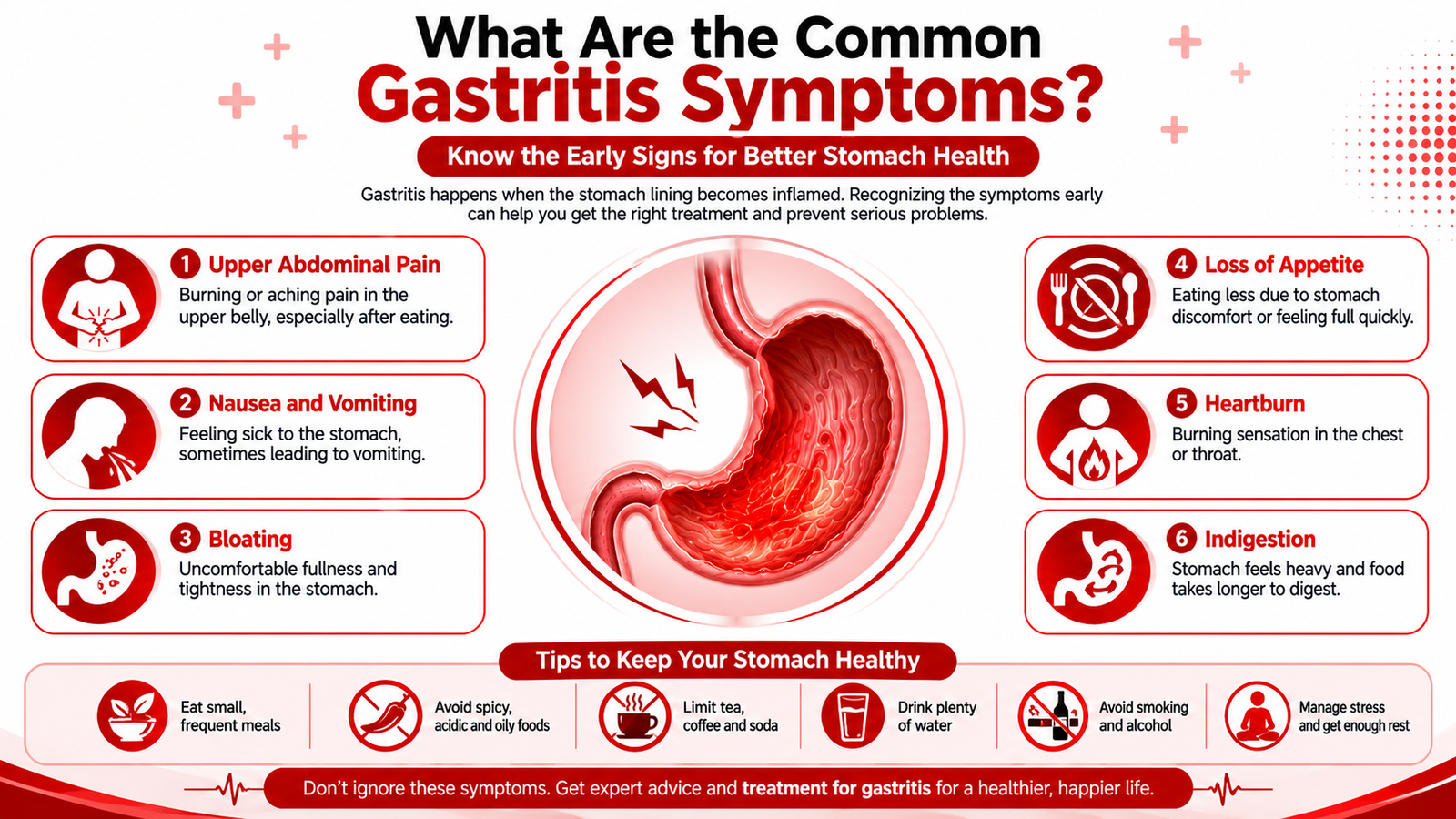
Several common signs are linked to the upper digestive system. They can be mild, coming and going, or constant, depending on the cause and severity.
Common symptoms include:
- Aching, biting, or burning sensation in the upper abdomen area
- An upset stomach or indigestion.
- Nausea or vomiting
- Eating more quickly than normal and becoming satisfied quickly.
- Feeling full when not eating.Upset by fullness when not fed.
- Bloating
- Reduced appetite
- No change in weight in some cases
People with gastritis or gastropathy may not experience any symptoms, or symptoms may be like indigestion, NIDDK says.
Upper Abdominal Pain
Gastritis is one of the ailments that people can easily relate to because of the symptoms it presents, which include pain in the upper abdomen. It can be a burning, aching, uncomfortable, or gnawing sensation. For some individuals, food triggers the discomfort or makes it worse; for others, there is no apparent link between food and discomfort.
Similar pain may be experienced with reflux, ulcers, gallbladder disease, and pancreatitis, etc., so pain is not diagnostic of gastritis.
Nausea and Vomiting
Other symptoms may include nausea. Sometimes vomiting may also occur, especially if stomach upset is severe.
Gastritis is not a diagnosis to be taken for granted when the child continues vomiting. If vomiting occurs for a long period of time, it may lead to dehydration and may be a sign of some other digestive or medical condition that needs to be assessed.
Feeling Full Quickly
Have a sensation of fullness after eating very little food? Gastritis and other problems in the upper part of the digestive system may lead to early fullness. This is repeated if it occurs frequently, particularly if there is loss of weight or loss of appetite; a medical evaluation is recommended.
What Causes Gastritis?
There are a number of possible causes of 4Gastritis. One of the most significant is H. pylori infection (also known as Helicobacter pylori). Other causes include prolonged use of some pain medications, alcohol-induced irritation, autoimmune disorders, bile reflux, and some serious diseases.
- pylori Infection
- pylori is a bacterium that infects the lining of the stomach and causes chronic gastritis. It is another significant contributory cause of peptic ulcer disease as well. Depending on the patient’s situation, doctors may use testing like a stool test or urea breath test if an H. pylori infection is suspected.
If someone tests positive, it doesn’t mean that they should self-treat with antibiotics. A healthcare professional should determine the antibiotic to use, as the type and resistance of antibiotics can play a role in treatment.
Treatment with pain relievers and NSAIDs.
Some nonsteroidal anti-inflammatory medications or treatments, known as NSAIDs, may lead to stomach irritation or damage. Medicines like aspirin, ibuprofen, and naproxen are examples. Overuse or regular use may cause stomach injuries and bleeding.
Persistent stomach discomfort can occur if you take pain medicines on a regular basis and have ongoing discomfort. Be sure to discuss the use of pain medicine with a health care provider, but do not stop taking your pain medicine without their advice.
Alcohol
Alcohol causes inflammation of the lining of the stomach and helps to cause acute erosive injury of the stomach. Alcohol may be suggested to be reduced or avoided if it is causing stomach upset.
Autoimmune Gastritis
Autoimmune gastritis is an autoimmune condition that causes cells in the lining of the stomach to damage. It may interact with iron and vitamin B12 absorption and can potentially be a cause of anemia.
The only symptoms that require medical evaluation in this form are stomach symptoms; it does not require treatment.
Are Gastritis and Gastropathy the Same?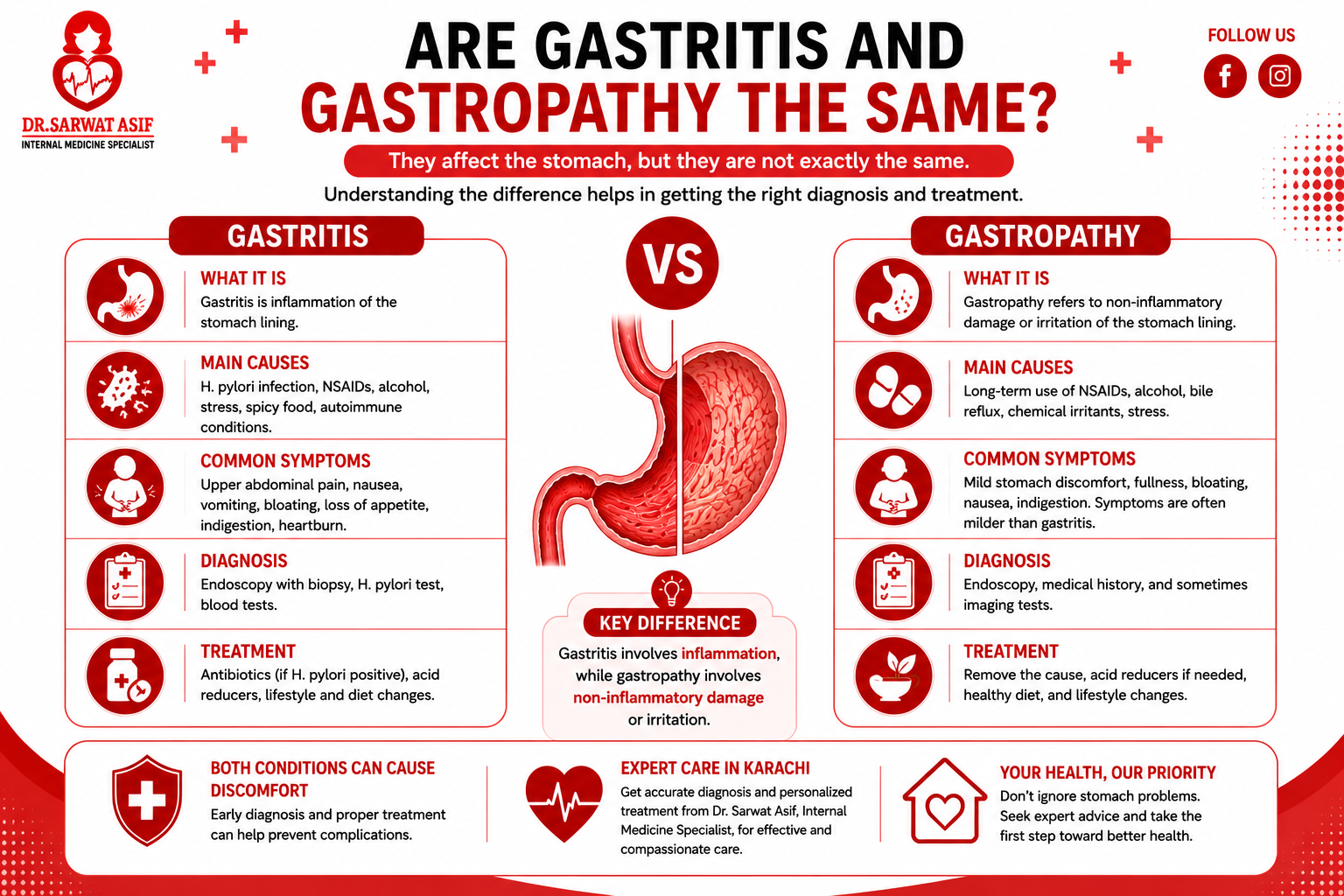
They are related but not identical. Gastritis involves inflammation of the stomach lining, whereas gastropathy refers to damage to the stomach lining with little or no inflammation. Both can produce similar digestive symptoms, so medical testing may be needed to determine what is actually happening.
Feature | Gastritis | Gastropathy |
Main problem | Inflammation of stomach lining | Damage to stomach lining |
Possible symptoms | Pain, nausea, indigestion, early fullness | Similar digestive symptoms |
Common causes | H. pylori, autoimmune conditions and others | NSAIDs, alcohol, bile reflux and others |
May cause bleeding | Yes | Yes |
Diagnosis | Medical assessment and, when appropriate, testing | Medical assessment and, when appropriate, testing |
Treatment | Depends on the underlying cause | Depends on the underlying cause |
The distinction matters because treating the cause is generally more useful than simply trying to suppress symptoms.
How Is Gastritis Diagnosed?
The Doctors will start with a history of symptoms, past medical history, medications, and other relevant issues. Other tests may be suggested as necessary for the patient’s condition.
- pylori Testing
A urea breath test or a stool test might be ordered to check for H. pylori. These tests may be able to determine if there is an infection, even though the stomach is not examined.
Upper GI Endoscopy
An upper gastrointestinal endoscopy is an examination of the inside of the esophagus, stomach and duodenum with a flexible camera. If appropriate, a small amount of tissue can also be removed for lab analysis.
Not everyone who has stomach symptoms will undergo an endoscopy. Examining the symptoms, medical history, age and risk factors, along with the clinician’s assessment, will determine the appropriate investigation.
Blood and Other Tests
Blood tests can be used to find anemia or other problems, and stool tests can be used to detect H. pylori or gastrointestinal bleeding. Occasionally other imaging and/or upper GI tests may be performed depending on clinical situation.
How Is Gastritis Treated?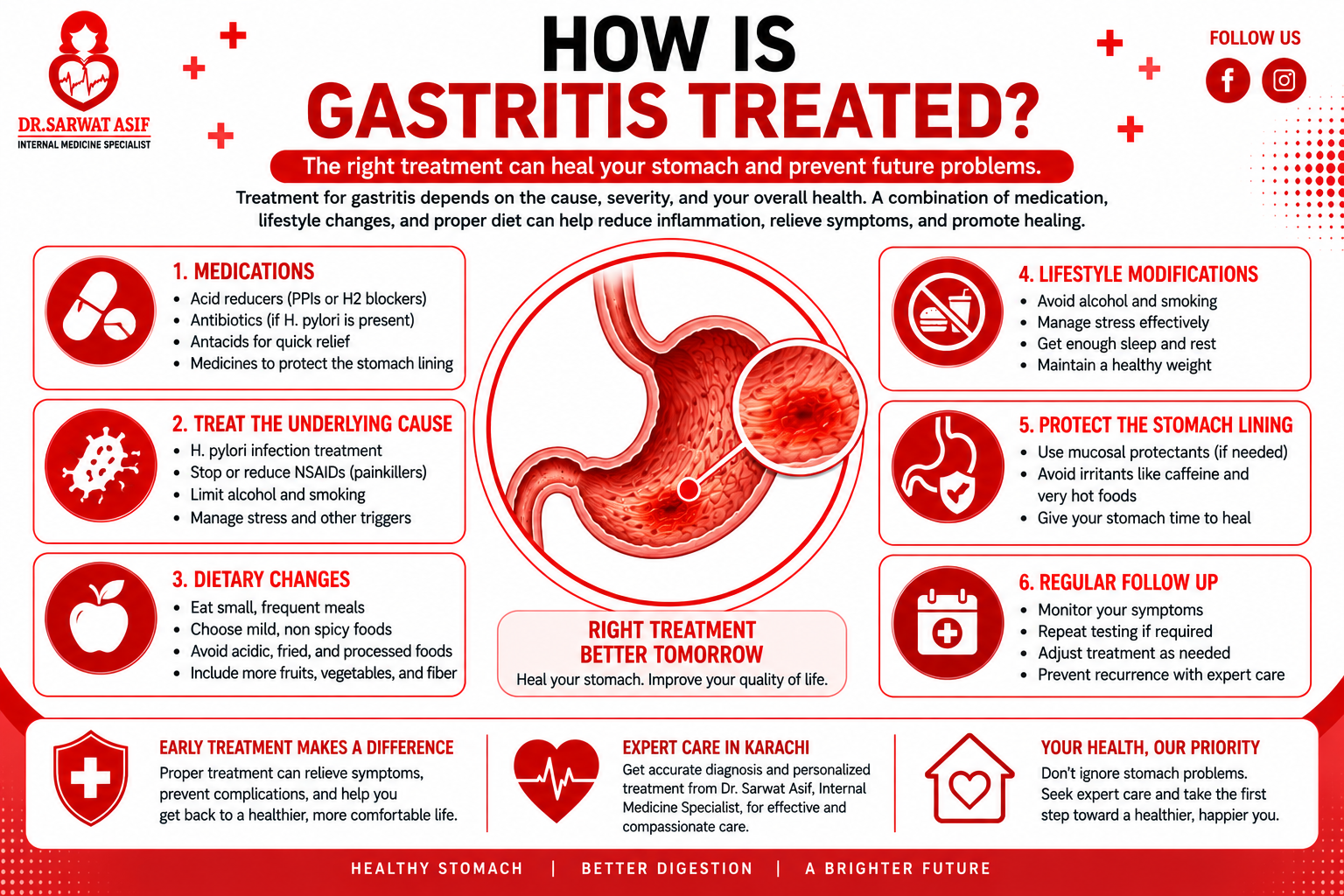
Treatment will vary depending on the cause of gastritis. For instance, treatment of H. pylori gastritis usually requires several medications to cure the infection, and sometimes irritation from some of the medications may necessitate a change in the medication plan under a medical practitioner’s supervision. In some instances, medicines used to reduce acid may be beneficial, too.
There are treatments available for H. pylori Gastritis.
If H. pylori is found, treatment is usually a combination of two or more antibiotics and an acid-reducing medicine, and sometimes bismuth. Your healthcare provider should choose the appropriate treatment plan. Follow-up tests may be advised to make sure the infection has been resolved.
Treatment for NSAIDs.
Depending on the reason it was prescribed, a doctor may recommend switching to a different NSAID, decreasing the dosage of the medication, or stopping the medication if there is stomach damage associated with its use. Acid-reducing treatment can also be applied in some circumstances. Do not change an important prescribed medicine without discussing it with the prescribing clinician.
Acid Reducing Medicines
Based on the cause and symptoms, health care providers might prescribe medications that lower stomach acid, including proton pump inhibitors or H2 blockers. Antacids will help relieve symptoms for a short time, but they do not necessarily address the cause of the symptoms.
Can Diet Improve Gastritis Symptoms?
Some people feel uncomfortable with diet, but for most, food is not the primary cause of gastritis. Although eating, diet and nutrition play a major role in causing most gastritis or gastropathy, that’s not the case for most gastritis and gastropathy, according to NIDDK.
If you see that some foods and beverages definitely cause problems for you, a simple food and symptom record can help you see patterns. Quitting alcohol may be especially important if its stomach upset is a problem.
It’s also a good idea not to stick to a very restrictive diet as the primary method of treatment. If the symptoms persist, find out what is causing them rather than blaming a certain food.
When Should You See a Doctor for Gastritis Symptoms?
Many people experience indigestion from time to time, but if it occurs regularly or constantly, then it should be investigated. Mayo Clinic advises that if the signs and symptoms of gastritis persist for more than a week, it is important to see a healthcare professional for evaluation, and the NHS guidelines for abdominal pain or indigestion include that the condition persists for more than a week or occurs repeatedly.
If you have any of the following, you should have a medical exam:
- Chronic or chronic recurrent upper abdominal pain
- Nausea/vomiting often
- Ongoing indigestion
- Loss of appetite
- Unintentional weight loss
- Fullness from eating very little food
- Symptoms that are getting worse
Your doctor will decide if it is safe to test for the presence of H. pylori, if medication causes irritation, ulcers, or other digestive disease.
When Are Gastritis Symptoms an Emergency?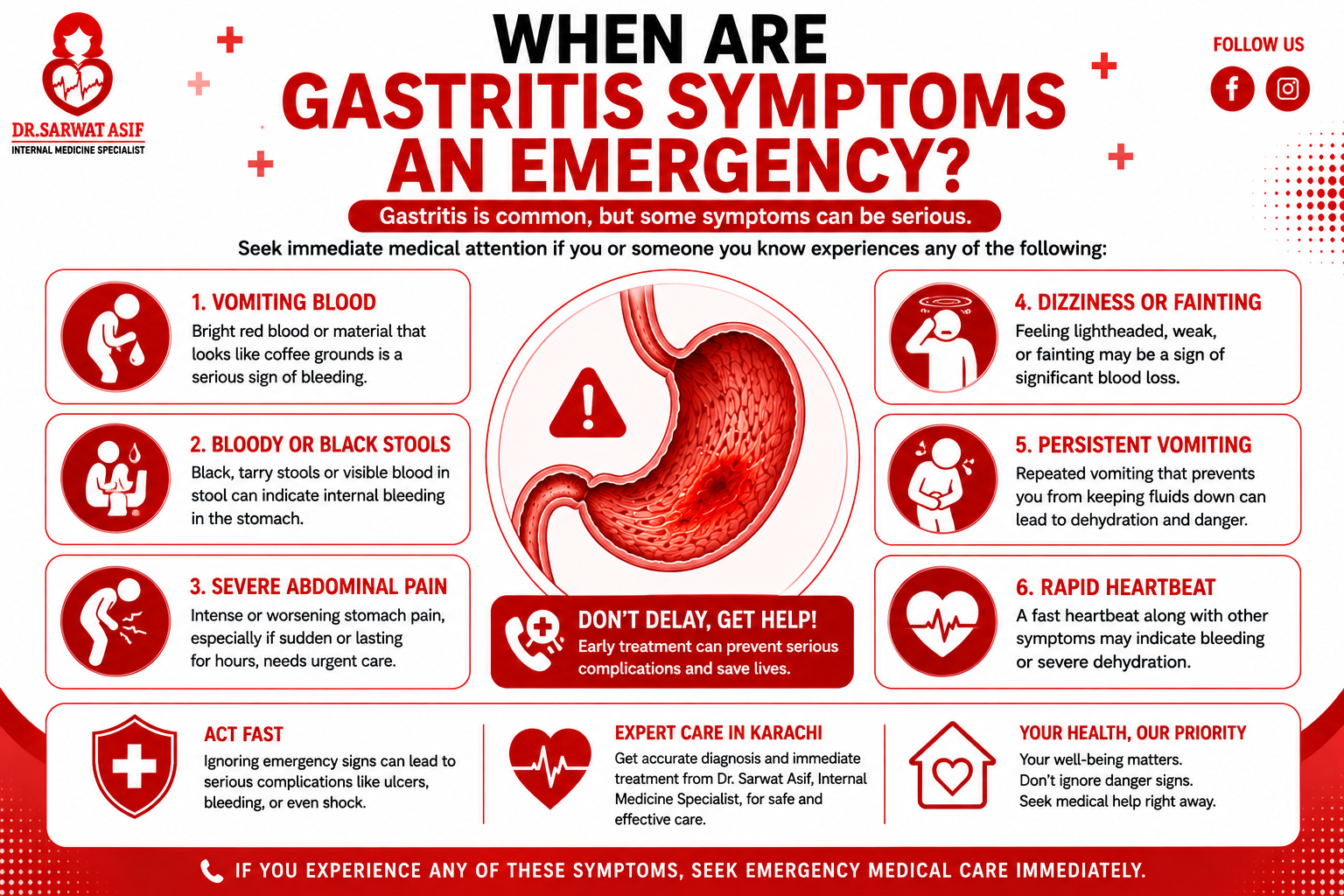
Some symptoms may be signs of gastrointestinal bleeding or another serious issue and should not be treated at home.
Call emergency medical services if you vomit blood, vomit blood that looks like coffee grounds, pass blood-tinged stools, blood in the stool, or black or tarry stool, or if you experience significant dizziness, lightheadedness, shortness of breath, severe weakness or abdominal pain. These may indicate gastrointestinal bleeding or some other serious condition.
If these warning signs occur, do not wait for routine treatment.
Not all gastritis can be prevented, especially if it’s caused by H. pylori or autoimmune diseases. But some measures can help minimize unnecessary stomach irritation.
Gastritis Prevention and Practical Tips
Limit unnecessary use of pain medicines that contain NSAIDs and talk with a healthcare provider about regular use of pain medicine. Eating smaller amounts or avoiding alcohol may also help to prevent the lining of the stomach from becoming irritated.
Symptom, medication, and appetite/weight changes should also be noted. This information can assist doctors in recognizing patterns and determining what investigations might be helpful.
Gastritis Symptoms in Karachi: When to Consider Medical Evaluation
Patients residing in Karachi might have a persistent stomach problem that is initially diagnosed as acidity, gas, indigestion, or food-related issues. But these symptoms may have a number of possible causes, and continuing treatment without rooting out the cause can be a barrier to proper treatment.
If you are experiencing persistent discomfort in the upper abdomen, frequent nausea or changes in appetite, or other digestive issues, you might want to schedule an appointment with your doctor. Patients may consider having a consultation with Dr Sarwat Asif, who might be available to provide professional assessment depending on his services and availability in Karachi.
Evaluations are not meant to diagnose all stomach upsets as “gastritis. To decide if it is gastritis or an alternative diagnosis and if testing and/or treatment is required.