
Digestive problems can affect every part of your daily life, from eating your favorite foods to maintaining energy and comfort throughout the day.
Issues like stomach pain, acid reflux, bloating, constipation, diarrhea, and unexplained weight changes are common, but ignoring them can sometimes lead to serious health concerns.
A gastrointestinal doctor specializes in diagnosing and treating conditions related to the digestive system, including the stomach, intestines, liver, pancreas, and related organs.
Many people delay medical advice because they think digestive symptoms are temporary. However, early evaluation can help identify problems before they become more complicated.
Your digestive system plays a major role in nutrient absorption, immunity, and overall wellness.
When something goes wrong, professional guidance from a qualified digestive health specialist can make a significant difference.
This guide explains when to visit a digestive specialist, what conditions they treat, what tests they perform, and how you can choose the right healthcare provider for your needs.
What Does a Gastrointestinal Doctor Do?
A gastrointestinal doctor is a medical specialist trained to diagnose and manage diseases affecting the digestive tract.
These specialists focus on the gastrointestinal (GI) system, which includes the esophagus, stomach, small intestine, large intestine, rectum, liver, gallbladder, and pancreas.
Unlike a general physician who manages a wide range of health concerns, a GI specialist receives advanced training to handle complex digestive conditions.
Their responsibilities commonly include:
- Diagnosing digestive disorders
- Performing specialized tests
- Managing chronic gastrointestinal diseases
- Providing treatment plans
- Performing procedures such as endoscopy and colonoscopy
- Advising patients about diet and lifestyle changes
For example, a person experiencing frequent heartburn may only use over-the-counter medicine for years.
A digestive specialist can determine whether the issue is simple acid reflux or a condition requiring long-term management.
What Conditions Can a Gastrointestinal Doctor Treat?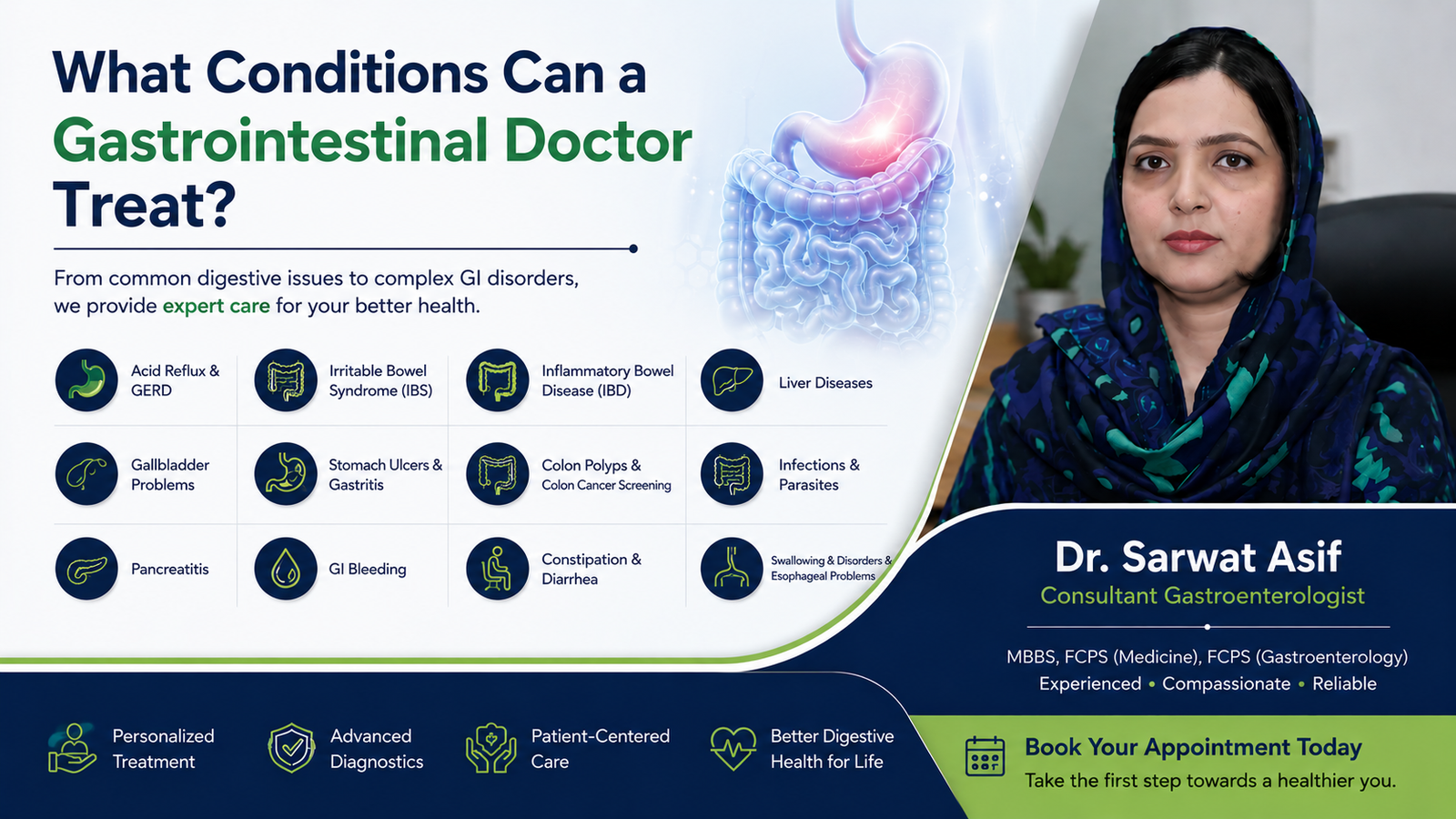
A digestive health specialist treats a wide range of conditions affecting the digestive system. Some problems are mild, while others require detailed medical care.
Common conditions include:
Condition | Common Symptoms |
Acid reflux (GERD) | Heartburn, chest discomfort, sour taste |
Gastritis | Stomach pain, nausea, indigestion |
Irritable bowel syndrome (IBS) | Bloating, abdominal cramps, bowel changes |
Inflammatory bowel disease (IBD) | Chronic diarrhea, fatigue, abdominal pain |
Ulcers | Burning stomach pain, discomfort after meals |
Constipation disorders | Difficulty passing stool, irregular bowel movements |
Liver diseases | Fatigue, abdominal swelling, abnormal liver tests |
Gallbladder problems | Upper abdominal pain, nausea after fatty meals |
Pancreatic disorders | Digestive problems, abdominal pain |
A specialist also helps detect serious conditions such as colorectal cancer through screening procedures and early diagnosis.
Organizations like the American Gastroenterological Association emphasize the importance of regular evaluation for digestive symptoms that persist or worsen.
When Should You Visit a Gastrointestinal Doctor?
Many people are unsure whether their symptoms require specialist care.
Occasional digestive discomfort may not be serious, but certain warning signs should not be ignored.
You should consider consulting a digestive specialist if you experience:
- Persistent stomach pain
- Frequent heartburn despite medication
- Blood in stool
- Unexplained weight loss
- Long-term constipation or diarrhea
- Difficulty swallowing
- Continuous bloating
- Loss of appetite
- Repeated nausea or vomiting
For example, occasional bloating after eating certain foods may be normal.
However, daily bloating combined with weight loss or changes in bowel habits requires medical evaluation.
Early consultation can reduce the risk of complications and improve treatment outcomes.
How Does a Gastrointestinal Doctor Diagnose Digestive Problems?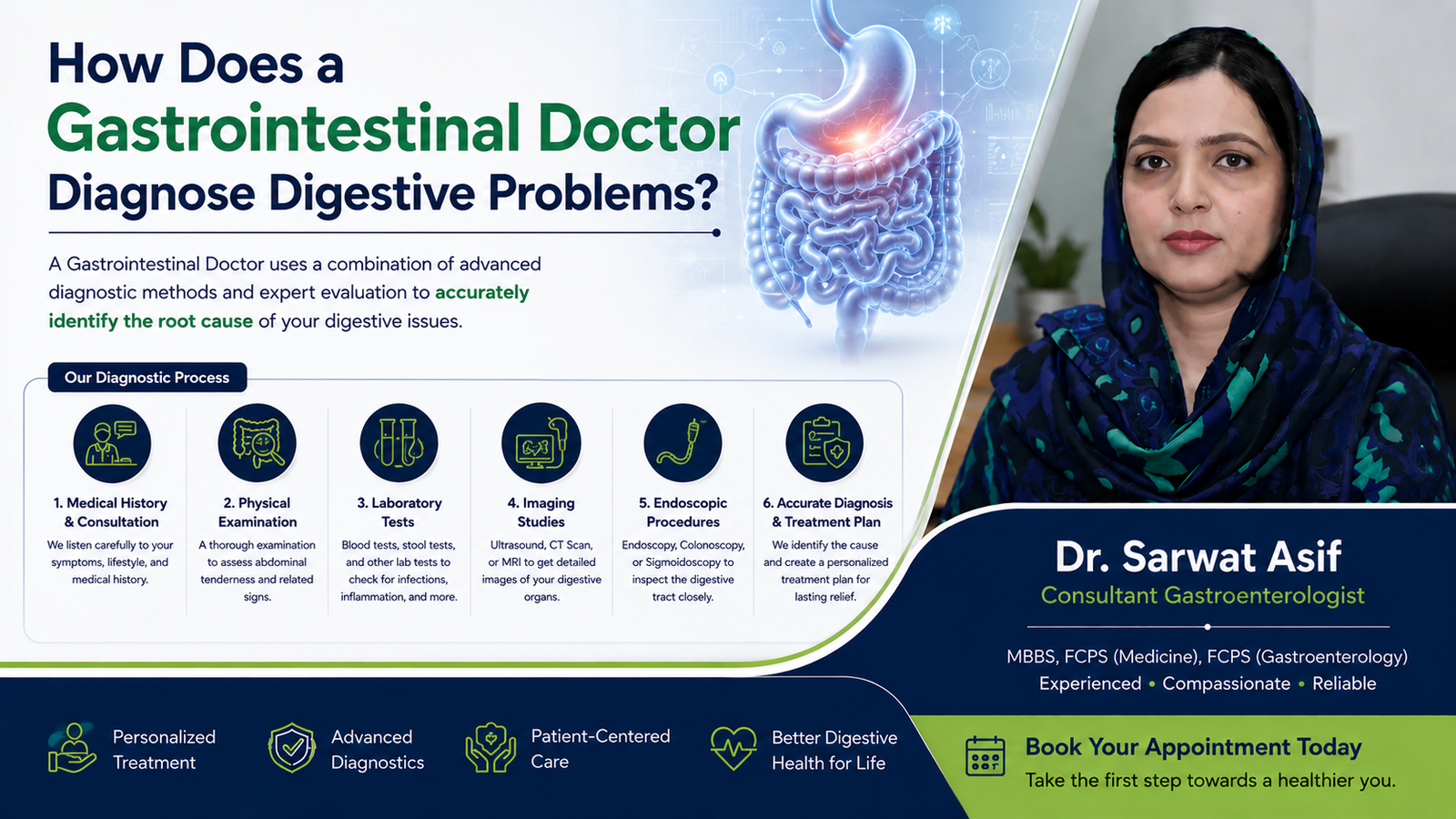
Diagnosis usually begins with a detailed discussion about your symptoms, medical history, diet, lifestyle, and previous treatments.
A specialist may recommend different tests depending on your condition.
Common diagnostic methods include:
Endoscopy
An endoscopy allows doctors to examine the upper digestive tract using a small flexible camera. It helps identify problems such as ulcers, inflammation, and abnormal tissue.
Colonoscopy
A colonoscopy examines the large intestine and helps detect polyps, inflammation, bleeding sources, and colorectal cancer.
Blood Tests
Blood tests can reveal signs of infection, inflammation, anemia, or liver-related problems.
Imaging Tests
Doctors may use ultrasound, CT scans, or MRI scans to evaluate internal organs.
Stool Tests
These tests help identify infections, bleeding, digestive problems, or inflammation.
A proper diagnosis prevents unnecessary treatments and helps create a targeted care plan.
How Can You Prepare for Your Appointment With a Digestive Specialist?
Preparing before your visit helps the doctor understand your condition better.
Consider keeping a record of:
- Your symptoms and when they occur
- Foods that trigger discomfort
- Previous medical reports
- Current medications
- Family history of digestive diseases
You can also prepare questions such as:
- What could be causing my symptoms?
- Do I need further testing?
- Are there lifestyle changes that may help?
- How can I prevent the problem from returning?
Clear communication improves the quality of medical care.
How Can Lifestyle Changes Improve Digestive Health?
A healthy digestive system depends on more than medical treatment. Daily habits, food choices, stress management, and physical activity all influence how well your digestive system works.
A digestive specialist often recommends lifestyle improvements along with medical care because small changes can support long-term results.
Important habits include:
Maintain a Balanced Diet
A diet rich in fiber, vegetables, fruits, whole grains, and adequate fluids supports regular bowel movements and healthy digestion.
Foods that may benefit digestive health include:
- Fresh fruits and vegetables
- High-fiber grains
- Yogurt with probiotics
- Lean proteins
- Plenty of water
However, every person reacts differently to foods. Someone with IBS may need different dietary adjustments compared with someone managing acid reflux.
Avoid Common Digestive Triggers
Certain foods can worsen symptoms in some people, including:
- Excess spicy foods
- Heavy fatty meals
- Excess caffeine
- Carbonated drinks
- Alcohol
Keeping a food diary can help identify personal triggers.
Manage Stress Levels
Stress can directly affect the digestive system. Many people notice increased bloating, stomach discomfort, or bowel changes during stressful periods.
Relaxation techniques, proper sleep, and regular exercise may support better digestive function.
Stay Physically Active
Regular movement supports healthy bowel function and can reduce constipation problems.
Even simple activities like walking after meals may improve digestion.
What Is the Difference Between a Gastrointestinal Doctor and a General Physician?
A general physician provides primary healthcare for many common illnesses, while a digestive specialist focuses specifically on gastrointestinal conditions.
General Physician | Digestive Specialist |
Treats common health problems | Focuses on digestive system disorders |
Provides initial evaluation | Performs advanced digestive investigations |
Manages basic stomach issues | Treats complex GI diseases |
Refers patients when needed | Provides specialized procedures |
For example, if you have occasional indigestion, a general doctor may provide initial treatment.
However, recurring symptoms, abnormal test results, or chronic digestive problems may require specialist care.
Choosing the right healthcare professional depends on the severity and duration of your symptoms.
What Mistakes Should You Avoid When Managing Digestive Problems?
Many digestive issues become worse because people delay proper care or depend on incorrect solutions.
Common mistakes include:
Ignoring Persistent Symptoms
A temporary stomach problem may improve on its own, but repeated symptoms need medical attention.
Self-Medicating for Long Periods
Frequent use of digestive medicines without professional advice may hide symptoms instead of treating the real cause.
Following Extreme Diet Trends
Removing entire food groups without medical guidance may create nutritional problems.
Delaying Screening Tests
Age, family history, and symptoms may make certain screenings necessary. Early detection often leads to better outcomes.
A healthcare professional can guide you toward safe and effective solutions.
How Can You Choose the Right Gastrointestinal Doctor?
Selecting the right specialist is an important step in receiving quality care.
Consider these factors:
Medical Qualifications
Check the doctor’s education, specialization, certifications, and clinical experience.
Experience With Your Condition
Some specialists focus more on areas such as liver diseases, inflammatory bowel conditions, or digestive cancers.
Communication Style
A good doctor listens carefully, explains conditions clearly, and answers your questions.
Patient Reviews and Reputation
Feedback from other patients may provide helpful information about the quality of care.
Hospital or Clinic Facilities
Advanced diagnostic equipment and supportive healthcare services can improve the overall experience.
The right specialist should make you feel comfortable while providing evidence-based medical guidance.
How Can You Maintain Long-Term Digestive Wellness?
Good digestive health comes from consistent habits rather than quick fixes.
Experts commonly recommend:
- Eating slowly and mindfully
- Drinking enough water
- Including fiber-rich foods
- Exercising regularly
- Managing stress
- Avoiding unnecessary medications
- Getting medical advice for ongoing symptoms
Your digestive system affects your overall health, energy levels, and quality of life. Taking care of it should be a long-term priority.
Frequently Asked Questions
What does a gastrointestinal doctor treat?
A gastrointestinal doctor treats conditions affecting the digestive system, including acid reflux, ulcers, IBS, inflammatory bowel diseases, liver problems, and other stomach or intestinal disorders.
When should I see a digestive specialist?
You should consider visiting a specialist if you have ongoing stomach pain, repeated heartburn, blood in stool, unexplained weight loss, swallowing difficulty, or long-term bowel changes.
Are digestive tests painful?
Most digestive tests are designed to be safe and comfortable. Doctors explain preparation steps and use appropriate methods to reduce discomfort.
Can diet improve digestive health?
Yes. A balanced diet with enough fiber, proper hydration, and healthy food choices can support digestion. However, specific dietary needs depend on individual health conditions.
How often should digestive health checkups be done?
The frequency depends on age, symptoms, family history, and personal health risks. A healthcare professional can recommend the appropriate schedule.
Conclusion
Digestive problems can range from mild discomfort to complex medical conditions that require specialized care.
A qualified gastrointestinal doctor helps diagnose digestive issues, recommend effective treatments, and guide patients toward better health.
Whether you experience occasional stomach problems or ongoing symptoms, professional evaluation can provide clarity and the right direction.
Paying attention to warning signs, maintaining healthy habits, and seeking expert advice when needed can protect your digestive wellness.
If you are experiencing persistent digestive concerns, consulting a trusted specialist is an important step toward improving your health and finding lasting relief.