

A diagnosis of hepatitis B can feel overwhelming, especially when questions about treatment, recovery, and long-term liver health arise.
Many people immediately ask whether hepatitis B can be cured, which medicines work best, and when treatment should begin.
The good news is that modern medicine offers highly effective ways to manage the infection, reduce liver damage, and help people live long, healthy lives.
Hepatitis B treatment has improved significantly over the past decade. With early diagnosis, regular monitoring, and the right antiviral therapy, many patients successfully control the virus and lower their risk of serious complications such as liver cirrhosis and liver cancer.
This guide explains the latest treatment options, medications, testing, lifestyle recommendations, and expert advice based on current medical guidelines.
Quick Answer
Hepatitis B treatment depends on whether the infection is acute or chronic. Most acute infections recover without antiviral medication, while chronic hepatitis B may require medicines such as Tenofovir or Entecavir to suppress the virus, prevent liver damage, and reduce the risk of cirrhosis and liver cancer.
What Is Hepatitis B Treatment?
Hepatitis B treatment refers to the medical care used to control the Hepatitis B virus (HBV), reduce viral activity, protect the liver, and prevent long-term complications.
The treatment approach depends on several factors, including:
- Whether the infection is acute or chronic
- HBV DNA (viral load)
- Liver enzyme (ALT/AST) levels
- Degree of liver inflammation
- Presence of liver fibrosis or cirrhosis
- Age and overall health
- Pregnancy status
Not every patient requires medication immediately. Many individuals only need regular liver monitoring until treatment becomes necessary.
Medical Disclaimer
This article is based on recommendations from major liver health organizations, including current clinical guidance for hepatitis B management.
Treatment decisions should always be made by a qualified hepatologist or infectious disease specialist after reviewing laboratory results and liver health.
How Is Hepatitis B Treated?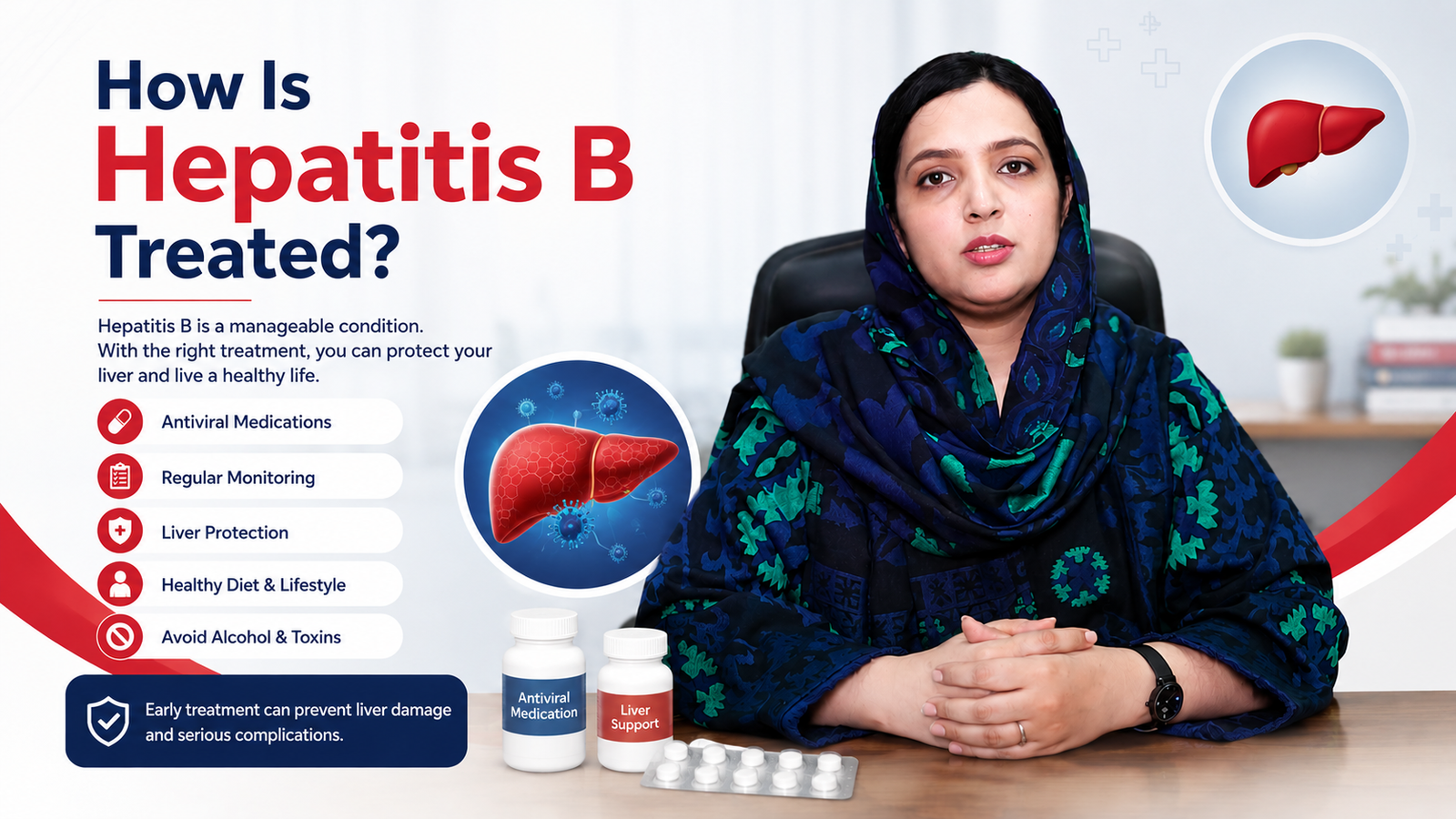
Treatment differs depending on whether the infection is acute or chronic.
Acute Hepatitis B Treatment
Most adults recover naturally because their immune system clears the virus.
Doctors generally recommend:
- Plenty of rest
- Staying hydrated
- Nutritious meals
- Avoiding alcohol
- Avoiding unnecessary medications that stress the liver
- Regular follow-up blood tests
Hospital care may be needed if severe liver failure develops, although this is uncommon.
Chronic Hepatitis B Treatment
People with chronic HBV infection may require long-term antiviral therapy to stop the virus from damaging the liver.
Treatment focuses on:
- Reducing viral replication
- Preventing cirrhosis
- Lowering liver cancer risk
- Preserving liver function
- Improving quality of life
When Should You See a Doctor Immediately?
Include symptoms like:
- Yellow eyes
- Severe abdominal pain
- Confusion
- Persistent vomiting
- Dark urine
- Swelling of the abdomen
Which Medicines Treat Hepatitis B?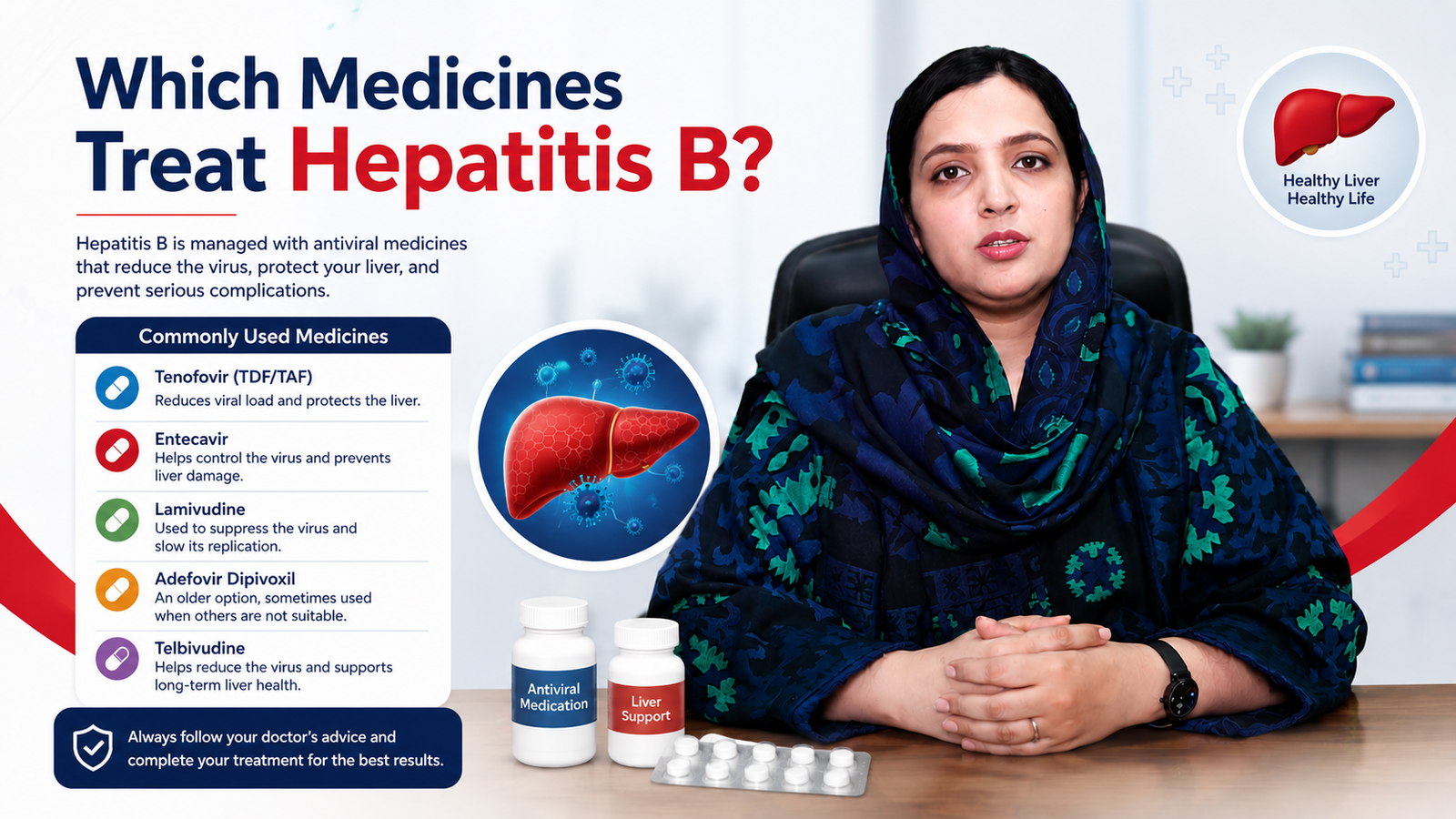
Several medications are recommended by liver specialists worldwide.
Medication | Type | Main Benefit |
Tenofovir | Oral antiviral | Powerful viral suppression |
Entecavir | Oral antiviral | Effective long-term control |
Peginterferon alfa-2a | Injectable immune therapy | May achieve long-lasting viral suppression in selected patients |
Tenofovir
Often considered one of the first-line treatments.
Benefits include:
- Strong antiviral activity
- Low resistance
- Safe for long-term use
- Frequently recommended during pregnancy
Entecavir
Suitable for many newly diagnosed chronic hepatitis B patients.
Advantages:
- Excellent viral control
- Minimal resistance
- Once-daily dosing
- Well tolerated
Peginterferon alfa-2a
Unlike oral medicines, this treatment stimulates the immune system.
It may be recommended for carefully selected patients because it has:
- A fixed treatment duration
- No drug resistance
- Potential long-term viral suppression
However, side effects are generally more common.
When Should Hepatitis B Treatment Start?
Treatment usually begins when medical tests show active liver damage or a high risk of complications.
Doctors evaluate:
- HBV DNA test
- Liver function test
- Liver enzyme test
- Fibrosis assessment
- Liver ultrasound
- Family history of liver cancer
- Age
- Overall liver condition
Starting therapy at the right time helps prevent irreversible liver injury.
Can Hepatitis B Be Cured Completely?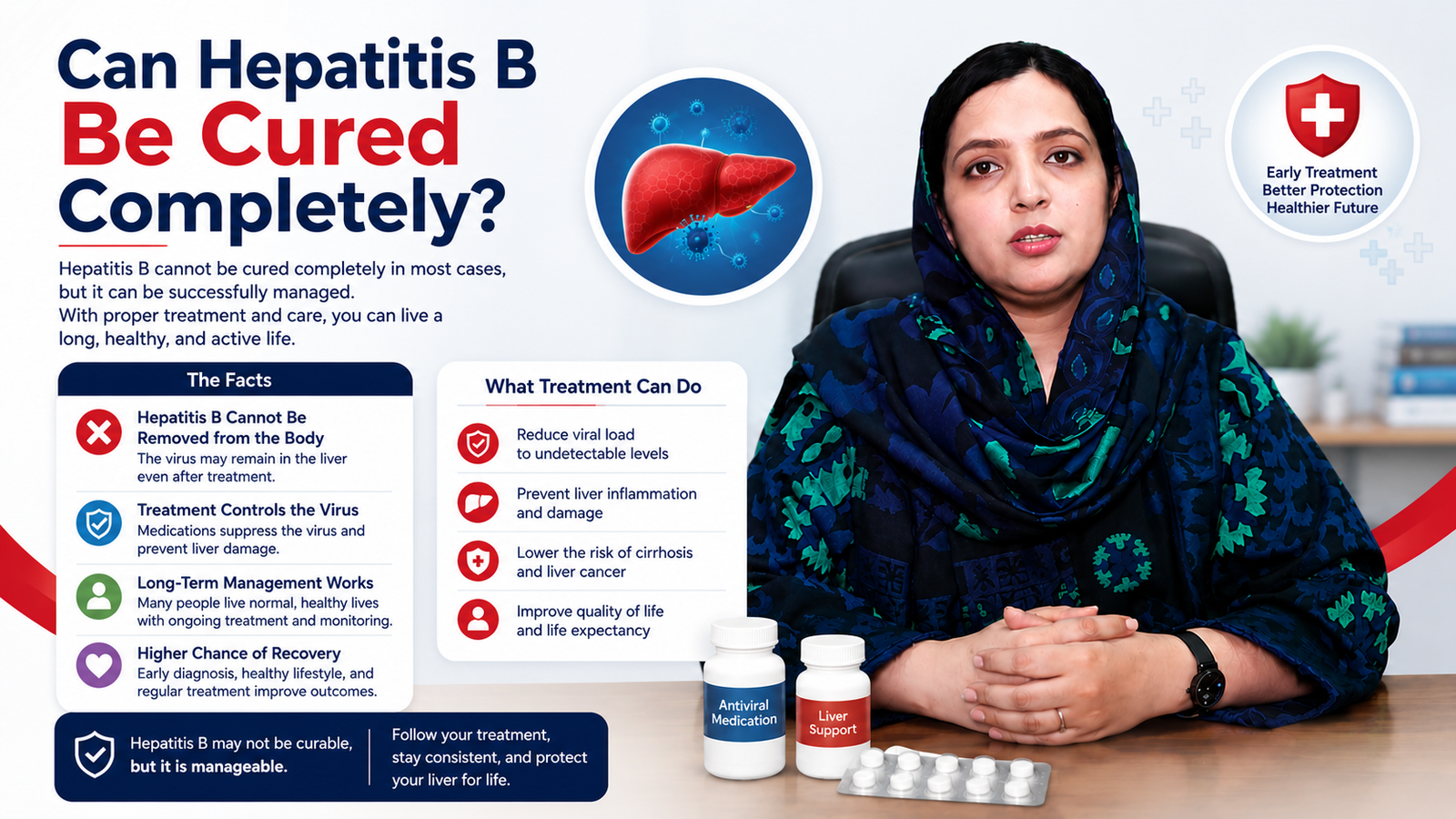
This is one of the most searched questions.
Short Answer
Currently, there is no complete cure for most people with chronic hepatitis B.
However:
- Modern antiviral medicines can suppress the virus to extremely low levels.
- Many patients achieve an undetectable viral load.
- The risk of cirrhosis and liver cancer decreases significantly with proper treatment.
Researchers continue working on new therapies that may provide a functional cure in the future.
What Is the Best Treatment for Hepatitis B?
There is no single treatment that fits everyone.
The best option depends on:
- Viral load
- Liver damage
- Age
- Pregnancy
- Kidney function
- Other medical conditions
In many adults, oral antiviral medicines such as Tenofovir or Entecavir are considered first-line options because they are highly effective and have a strong safety profile.
A liver specialist will decide which treatment is most appropriate after reviewing your test results.
Which Tests Are Needed Before Starting Treatment?
Accurate diagnosis helps doctors choose the most effective care plan.
Common investigations include:
- Hepatitis B blood test
- HBV DNA (viral load) test
- Liver function test
- Liver enzyme test
- Liver ultrasound
- Fibrosis assessment
- Hepatitis B screening for family members
These tests are also repeated during follow-up to monitor progress.
How Long Does Hepatitis B Treatment Last?
The duration varies from person to person.
Some patients:
- Need medication for several years.
- Continue long-term antiviral therapy.
- Require lifelong treatment if cirrhosis is present.
Stopping medication too early can allow the virus to become active again, so treatment should only be changed under medical supervision.
What Lifestyle Changes Help Protect the Liver?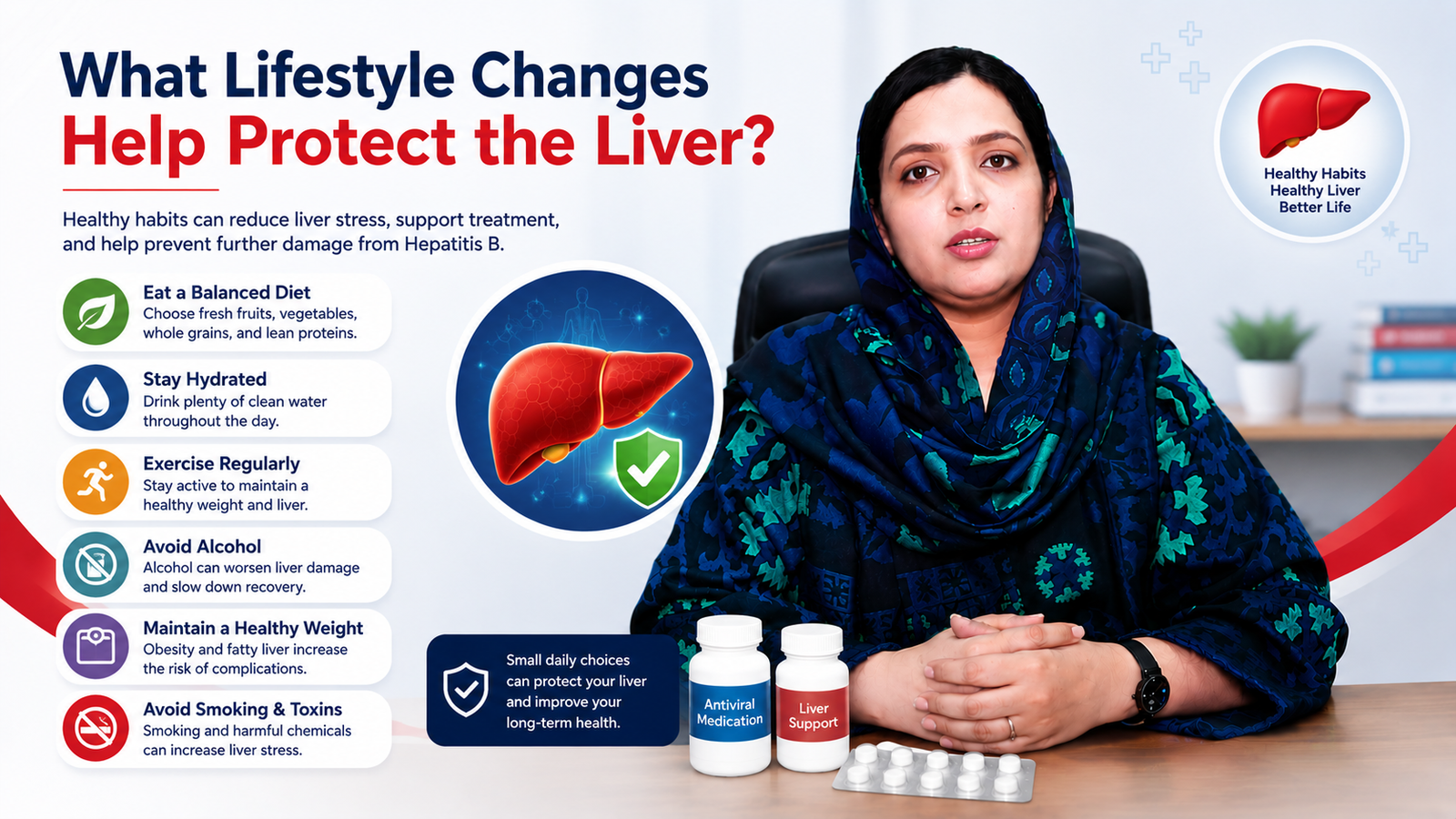
Medication works best when combined with healthy daily habits.
Eat a liver-friendly diet
Choose:
- Fresh fruits
- Vegetables
- Whole grains
- Lean protein
- Fish
- Healthy fats
Limit:
- Processed foods
- Sugary drinks
- Excess salt
- Fried meals
Avoid Alcohol
Alcohol speeds up liver damage and increases the risk of complications.
Even small amounts may be harmful for people with chronic liver disease.
Maintain a Healthy Weight
Fatty liver disease can worsen hepatitis B outcomes.
Regular exercise and balanced nutrition help protect liver health.
Never Skip Follow-Up Visits
Regular monitoring allows doctors to:
- Check viral load
- Monitor liver enzymes
- Detect complications early
- Adjust treatment if necessary
Can Hepatitis B Cause Liver Cancer?
Yes.
Without proper management, chronic HBV infection increases the risk of:
- Liver cirrhosis
- Liver failure
- Hepatocellular carcinoma (liver cancer)
Fortunately, early antiviral treatment and regular liver monitoring greatly reduce these risks.
People at higher risk may need routine liver ultrasound examinations every six months.
How Is Hepatitis B Managed During Pregnancy?
Pregnant women with hepatitis B require specialized care.
Doctors may recommend:
- Viral load testing
- Regular monitoring
- Antiviral therapy if viral levels are very high
- Hepatitis B vaccine and hepatitis B immune globulin (HBIG) for the newborn shortly after birth
These measures significantly reduce mother-to-child transmission.
How Can Hepatitis B Be Prevented?
Prevention remains one of the most effective ways to reduce HBV infection.
Key preventive measures include:
- Hepatitis B vaccination
- Safe medical procedures
- Screening before blood transfusions
- Practicing safer sex
- Avoiding shared needles or razors
- Regular screening for high-risk individuals
Vaccination offers excellent long-term protection for most people.
Frequently Asked Questions
Can hepatitis B be cured permanently?
Most chronic hepatitis B infections cannot be completely cured, but antiviral therapy can suppress the virus and greatly reduce liver damage.
Which medicine is commonly used for hepatitis B?
Tenofovir and Entecavir are among the most commonly prescribed oral antiviral medicines for chronic hepatitis B.
Is hepatitis B treatment lifelong?
Not always. Some people require long-term therapy, while others may stop treatment under close medical supervision based on clinical guidelines.
What foods should hepatitis B patients eat?
A balanced diet rich in fruits, vegetables, whole grains, lean protein, and healthy fats supports liver health. Alcohol and highly processed foods should be avoided.
What happens if hepatitis B is left untreated?
Untreated chronic hepatitis B may lead to liver inflammation, fibrosis, cirrhosis, liver failure, or liver cancer. Early diagnosis and regular medical care help reduce these risks.
Conclusion
Hepatitis B treatment has advanced remarkably, giving patients more effective ways to control the virus and protect their liver.
Early diagnosis, appropriate antiviral medication, regular follow-up, and healthy lifestyle choices all play a vital role in preventing serious complications.
If you have been diagnosed with HBV or think you may be at risk, consult a qualified liver specialist promptly.
Timely care can make a significant difference in your long-term health and quality of life.