

What Is Irritable Bowel Syndrome?
Irritable bowel syndrome (IBS) is a long-term condition of the interaction between the gut and the brain, which is associated with recurring abdominal pain as well as bowel symptoms. Diarrhoea, constipation, or bouts of both.
The bowel disease that is IBS does not tend to cause visible damage to the digestive tract, as is the case with inflammatory or structural disease.
Symptoms of IBS may last for a few days, or they might go away for weeks or months.
Others may have mild symptoms that happen now and then, while others may get constant digestive problems that impact what they eat, work, sleep, travel and socializing.
It is usually controlled but not cured. This will vary according to the person’s symptoms and perhaps involve dietary adjustments, lifestyle changes, medicines and other support therapies.
Which Doctor Should You See for IBS?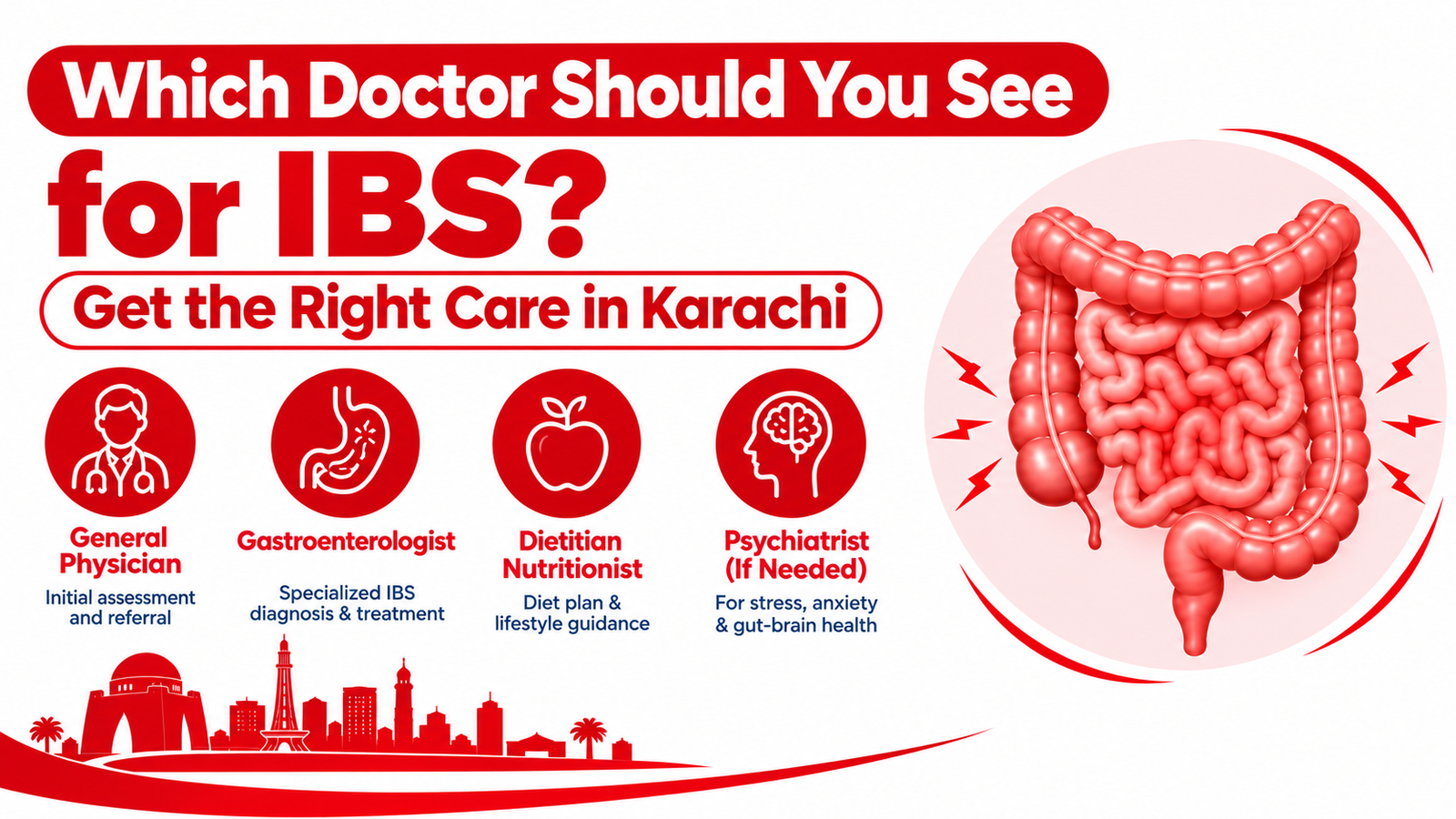
The gastroenterologist is an expert on stomach and bowel ailments and diseases.
A qualified physician, on the other hand, can be helpful as a starting point, especially if the source of the recurring digestive symptoms has yet to be determined.
The doctor will first assess symptoms and establish if they are compatible with IBS.
When specialist assessment or further tests are required, the patient may be referred to a gastroenterologist.
Selecting one or the other is based on your symptoms, medical history, past blood work results, and whether any of the warning signs exist.
If you are looking for digestive care in Karachi, then Dr. Sarwat Asif is one of the local doctors that you can approach.
Although her official page does not include stomach and digestive disorders as a condition she deals with, her website has also released information on digestive and gastrointestinal disorders such as IBS.
What Symptoms Can IBS Cause?
IBS symptoms may be different for each person. The most typical pattern is abdominal pain with alterations of bowel movements.
Common symptoms include:
- Lower abdominal pain or cramps
- Bloating
- Constipation
- Diarrhea
- Constipation and diarrhoea.
- Altered stool color or quantity
- An urge to have a bowel movement, but avoiding it.
- Increased gas
- Mucus in the stool
Other people see that symptoms get worse when they eat certain foods or when they are under a lot of stress. Symptoms should not be assumed to be due to IBS if they are persistent, severe, or have warning signs, however.
What Are the Main Types of IBS?
Doctors commonly classify IBS according to the person’s predominant bowel pattern.
IBS Type | Main Pattern | Typical Concern |
IBS C | Constipation predominant | Hard or difficult to pass stools |
IBS D | Diarrhea predominant | Frequent or loose stools |
IBS M | Mixed pattern | Both constipation and diarrhea |
Unclassified IBS | Symptoms do not fit one clear pattern | Variable bowel symptoms |
Knowing the predominant pattern can help a healthcare professional select an appropriate management strategy.
Some treatments are more suitable for constipation-predominant symptoms, while others are used for diarrhea-predominant IBS.
What Causes Irritable Bowel Syndrome?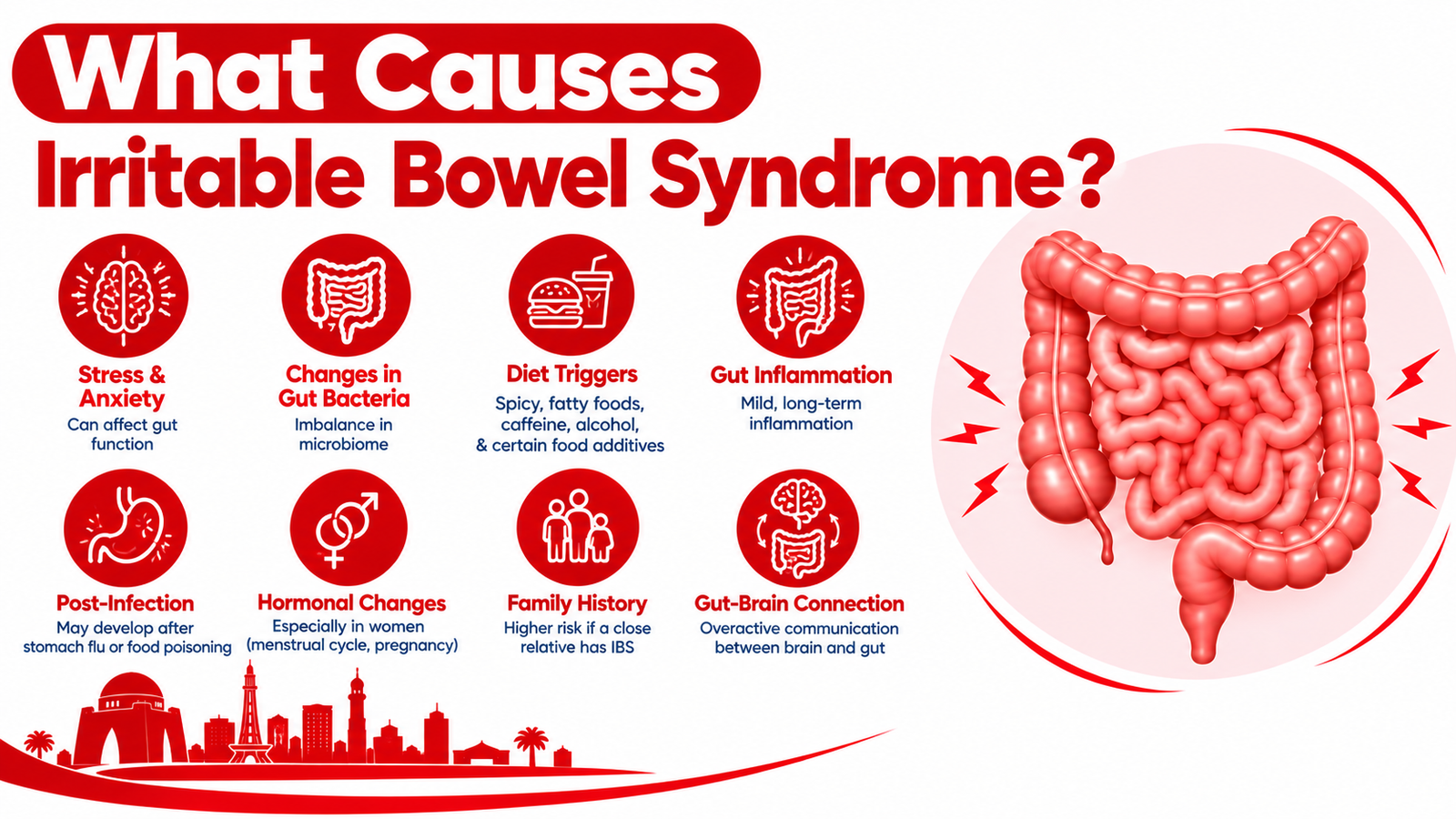
No one is sure what causes IBS. A number of factors are thought to play a role in the condition, such as altered gastrointestinal motility, heightened sensitivity of the digestive system, interactions between the gut and the brain, prior gastrointestinal infections, and alterations in gut microbiology.
Sometimes food can affect symptoms. Someone might find that they get bloated or cramps, and diarrhea or constipation after certain meals.
For some, stress can aggravate symptoms, but not every IBS symptom is imaginary or just a result of stress.
This is one way that the process of self-diagnosis can be inaccurate.
There are many potential causes of repeated digestive symptoms, and a health care professional can decide if further assessment is warranted.
How Does a Doctor Diagnose IBS?
No blood tests or scans are definitive for diagnosis of IBS in all patients. Diagnosis is usually made from a pattern of symptoms, medical history, and physical examination, and in some cases, by tests to exclude other diseases.
A doctor may ask:
- What was the onset of your symptoms?
- How many times in the last year has your tummy hurt?
- Is it worsened after defecation?
- How many times do you go to the toilet a day?
- Do your stools become hard, loose, or both at various times?
- Are there some foods that make the symptoms worse?
- Recently, have you had a gastrointestinal infection?
- Do you use any medicines or supplements?
- Have digestive diseases been a problem in your family?
Is there any unexplained weight loss, bleeding, fever, or other worrying symptoms?
The doctor will also do a physical exam. Blood tests, stool tests, or further tests may be suggested to exclude other disorders that can have similar symptoms to IBS, depending on your health and symptoms.
When Might Additional Tests Be Needed?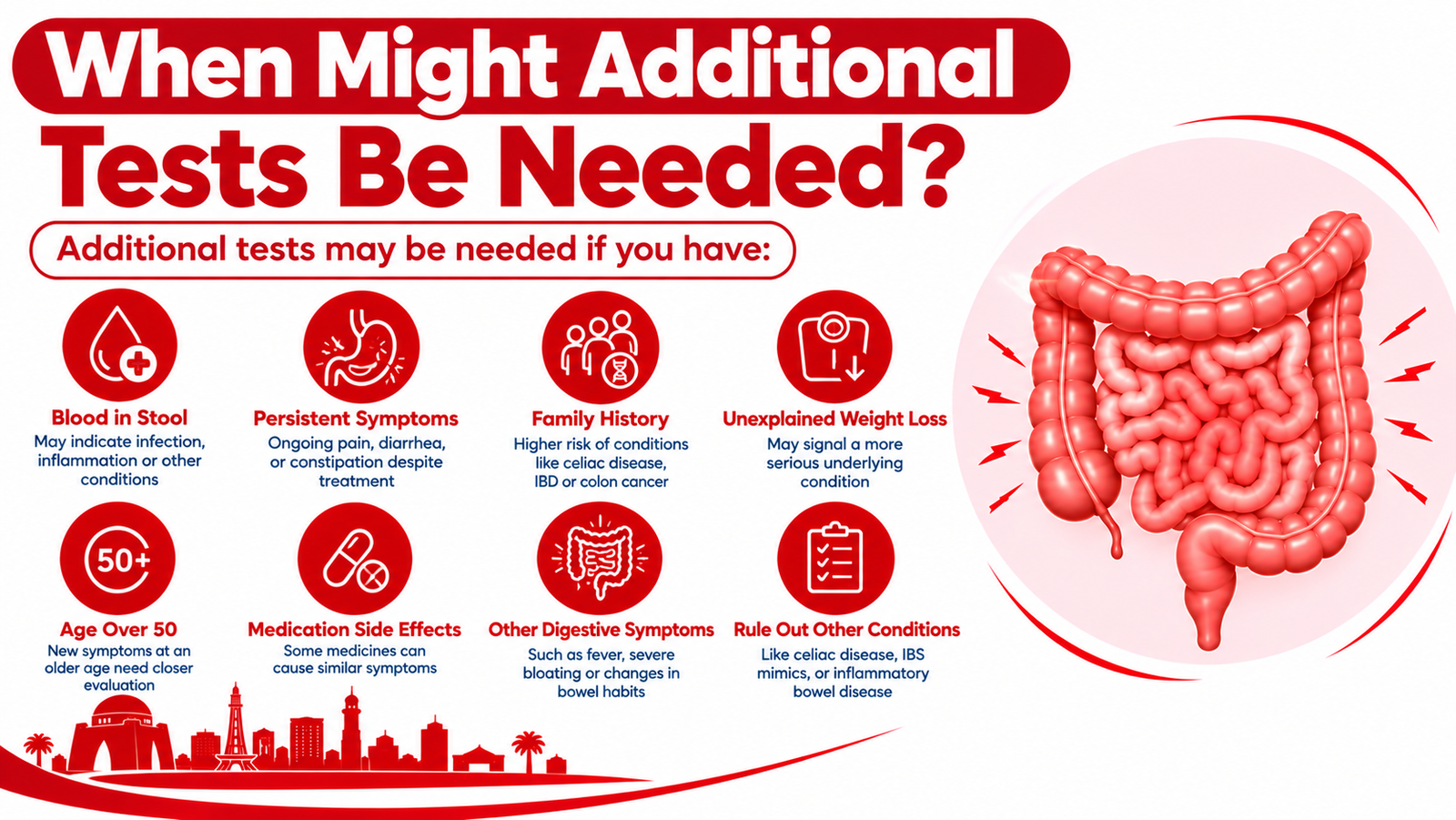
Not everyone who has typical IBS symptoms necessarily needs to be tested for additional tests.
The patient’s age, symptoms, family history, examination findings, and other risk factors are used as a basis for a doctor’s decision as to whether to test.
Tests that may be performed include blood tests, stool tests, breath tests, endoscopy, or colonoscopy when indicated.
These tests can be ordered to help diagnose infections, celiac disease, inflammatory bowel disease, or other gastrointestinal conditions.
It is not intended to conduct all tests. The intent is to make an adequate diagnosis and not miss another diagnosis.
How Is IBS Treated?
No single treatment is recommended for all people with IBS
. Treatment generally depends on the predominant symptoms and can include diet and lifestyle adjustments, medication, and supportive care.
Your doctor might suggest lifestyle changes, including regular exercise, good sleep hygiene, stress-reduction exercises, and adapting your diet to avoid certain foods that seem to cause symptoms.
Food strategies include the use of appropriate fibre and/or, for some patients, a low FODMAP diet, under the supervision of a qualified practitioner.
Medicines might also be considered, depending on the primary issue, such as constipation, diarrhea, abdominal pain, or another symptom.
The type of medicine chosen should be based on the person’s health and symptoms and should be determined by a health care professional.
The symptoms of IBS are very different for each patient, so treatment should not be replicated from another patient’s prescription or suggested online.
Can Diet Help Control IBS Symptoms?
Diet can be useful in managing IBS, but no diet plan is suited to everyone with IBS.
It may help patients to recognize foods that always trigger symptoms. Depending on the individual situation, a health professional may discuss fiber, food sensitivities (such as lactose), gluten-related symptoms, or a low FODMAP diet.
A low FODMAP diet is a temporary dietary approach that involves the gradual elimination of some fermentable carbohydrates and later a systematic reintroduction of them.
A restrictive diet may get quite complicated, which is why it’s helpful to have medical advice or a dietitian’s guidance.
A simple food and symptom diary might also be helpful. Document what you eat, when symptoms occur, bowel movements, and if there are any noticeable triggers. This information may help your doctor determine your own pattern.
Can Stress Make IBS Worse?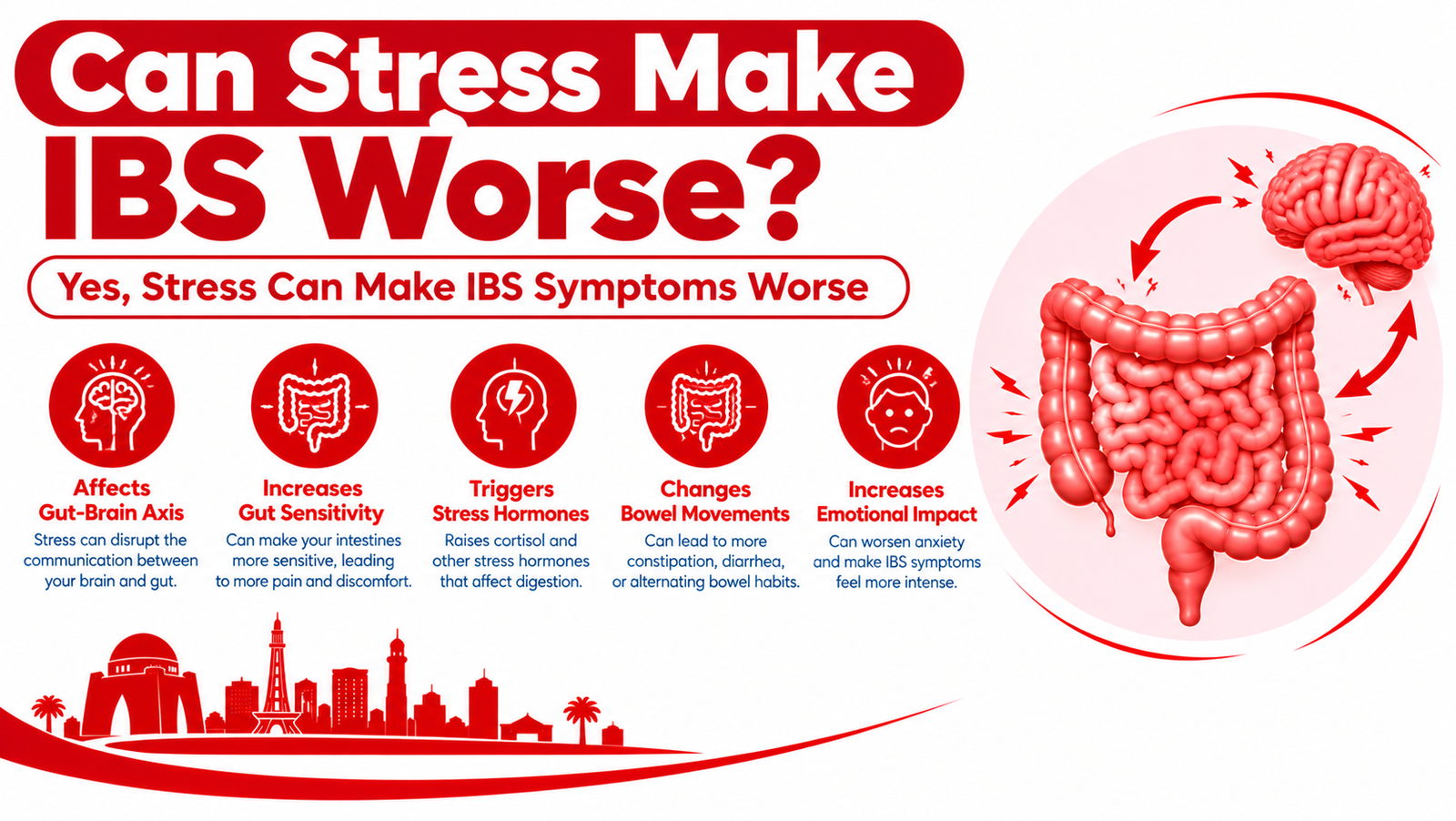
Yes. Stress can interrupt the communication between the brain and digestive system and make symptoms of IBS more apparent or occur more often.
Others may notice an increase in abdominal pain, diarrhea, constipation, or bloating when they are stressed.
This is not to say symptoms are to be ignored as psychological. IBS is a condition related to interactions between the nervous system and digestive tract, and stress management can be part of a more extensive approach to symptom management.
If necessary, a health care professional can discuss relaxation techniques, counselling, cognitive behavioural therapy, or another method in addition to diet and medical management.
When Should You See an IBS Doctor?
Medical Evaluation should be considered if bowel symptoms regularly cause problems in daily life, persist over time, or persist without a clear explanation.
If you have any of the following symptoms, you should seek professional reasons for evaluation, as these may be indicators of something other than IBS:
- Blood in stools or bleeding from the rectum
- Black, tarry stools
- Unexplained weight loss
- Continued and/or severe abdominal pain
- Fever
- Persistent or recurrent vomiting; that is, vomiting that does not have an apparent cause.
- Diarrhea that occurs during the night
- Iron deficiency anemia
- A major alteration in bowel pattern, particularly if new or continues
Other illnesses can have these symptoms as well and may need additional testing.
Sudden and severe abdominal pain, or when pain is associated with heavy bleeding, loss of consciousness, unacceptable vomiting, extreme abdominal distention, or other severe signs and symptoms warrant urgent medical care.
How to Prepare for an IBS Doctor Appointment
There are some steps you can take to make your consultation more productive.
It’s sometimes hard to remember some of the symptoms of IBS, especially if they fluctuate from one day to the next.
Before your appointment, you should consider recording:
- The onset of symptoms and the frequency of symptoms.
- Where and what the stomachache was.
- Changes in bowel movements and stools.
- Foods that appear to be causing symptoms.
- Recent medications, vitamins, and supplements.
- Laboratory tests or digestive examination made earlier.
- Relevant family history.
- Any warning signs—bleeding or any unexplained loss of weight.
Questions can also be made regarding your suspected diagnosis, whether or not tests are required, dietary modifications, treatment alternatives, and which symptoms warrant a prompt review.
Mayo Clinic also advises recording symptoms, possible food triggers, medicines, supplements, and relevant medical information before an IBS consultation.
Choosing an Irritable Bowel Syndrome Doctor in Karachi
Don’t just go by words like “best doctor” or the popularity of the doctor on the internet when selecting digestive care in Karachi.
Think about the clinician’s practice area and whether they are able to diagnose you and refer you, if needed, for this is your issue.
If this is your issue, consider whether the clinician’s practice is similar to your symptoms and whether they can evaluate and refer you if needed.
Look for a doctor who:
- Spends time looking over symptoms and medical history.
- Clearly identifies potential reasons.
- Does not automatically assume that all digestive symptoms are related to IBS.
- Recommends investigations when clinically appropriate.
- Offers a management plan that is appropriate for your symptoms.
- Describes when to follow up.
- When necessary, makes referrals to a gastroenterologist or other specialist.
Dr. Sarwat Asif’s official website provides a list of her clinical specializations, including digestive, stomach, and liver health, and specifies that she is a Consultant Physician in Karachi.
She also has a website where she mentions her practice at Taj Medical Complex, Karachi.
Patients are advised to check the current appointment dates with the clinic as consultation dates may change.
Why Self-Treating IBS Can Be a Problem
Other common symptoms of IBS include bloating, abdominal pain, constipation, and diarrhea, but they are not unique symptoms of IBS. Other gastrointestinal diseases, medication side effects, inflammatory bowel disease, celiac disease, and infection can cause similar symptoms.
Taking over-the-counter medications over and over without noticing a pattern can sometimes lead to an inappropriate evaluation.
If symptoms are continuing or recurring, it is best to talk with a health care provider, particularly if symptoms are changing or worsening.
It is also more effective to treat the IBS type according to the dominant symptom type.
Constipation can be a problem for a person, and a strategy that helps with constipation may not be suitable.
IBS vs Other Digestive Problems
IBS is not the same as inflammatory bowel disease (IBD) like Crohn’s Disease and ulcerative colitis.
IBS is not usually accompanied by visible inflammation or damage to the digestive tract, while inflammatory bowel disease is accompanied by inflammation and can lead to complications.
One of the reasons why proper assessment is important is that distinction. Some of the signs and symptoms can be shared among various digestive disorders, and patients should not self-diagnose based on their internet searches.