
Do you experience any pain in your stomach after eating? Do you experience bloating, gas, nausea, or recurring discomfort that disrupts your normal lifestyle? Most of the time, people do not pay attention to these indicators until the problem becomes serious.
What appears to be a minor digestive problem can gradually influence your professional power, emotions, and well-being.Simple activities may prove challenging in the case of a Stomach Disorder.
You can skip socialization due to discomfort. You may lose sleep due to pain. You can be exhausted and annoyed without knowing the actual reason. Such issues diminish your lifespan.
We are going to elaborate on the actual reasons, symptoms, diagnosis, treatment, and prevention procedures in this comprehensive guide. You will know when to address the doctor and how to take care of your digestive system in a safe and professional manner.
What Is a Stomach Disorder
A Stomach Disorder is a condition or disorder that interferes with the normal functioning of your stomach. It can be pain, inflammation, infection, digestive imbalance, or structural problems.
Your stomach is significant in the process of digesting food. The entire digestive system suffers when it fails to work. This causes an uncomfortable experience and, in some cases, life-threatening complications.
Typical gastrointestinal diseases are:
- Gastritis
- Acid reflux
- Peptic ulcers
- Food poisoning
- Irritable bowel issues
- Indigestion
Different conditions possess various causes and remedies. This is why it is recommended that a proper diagnosis be made.
Common Causes of Stomach Disorder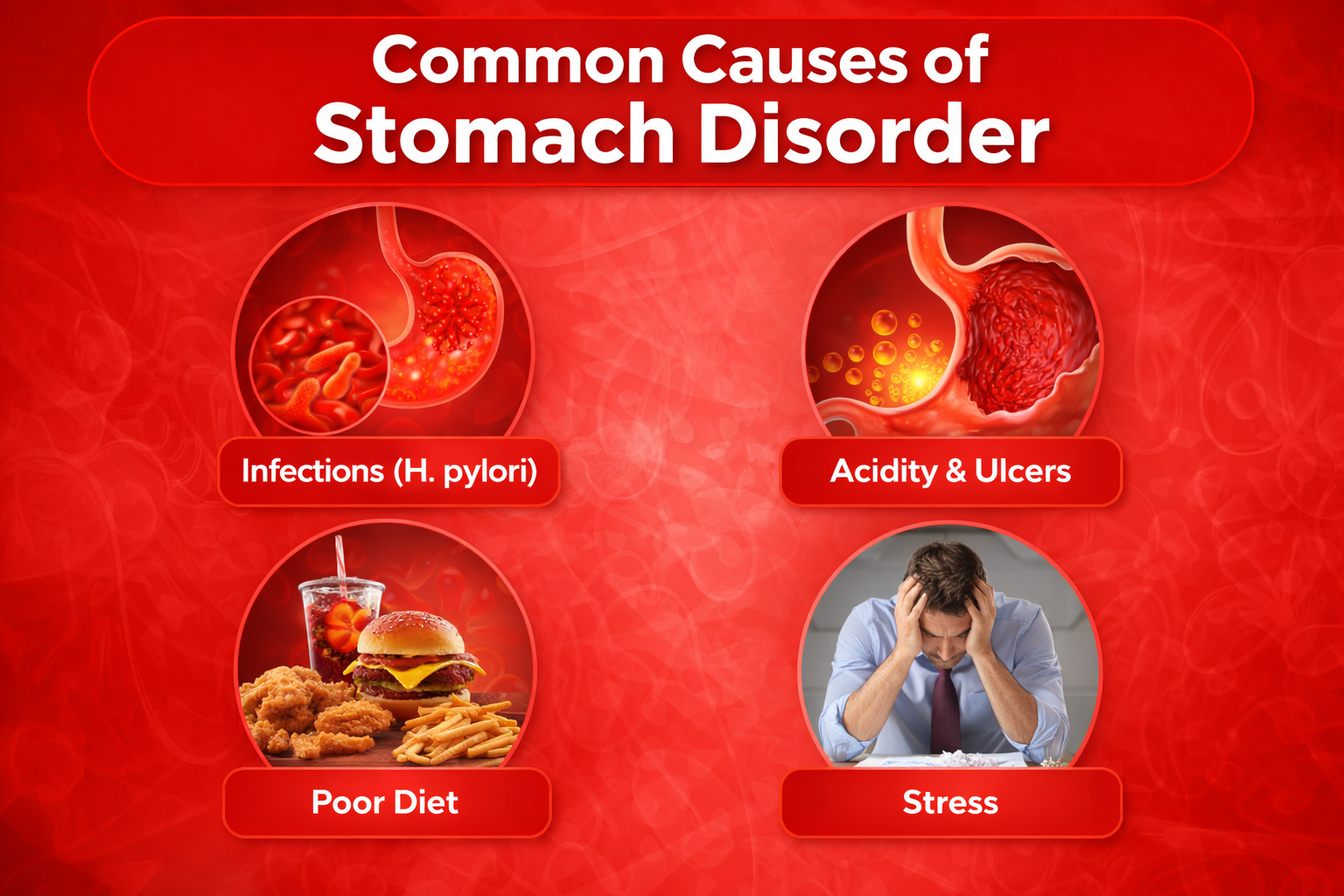
Knowledge of the causes is useful in making a good treatment. The most frequent ones are listed below:
Poor Eating Habits
The fast eating, oily food, overeating, and eating irregularly may disrupt the digestion.
Infections
The stomach lining may also be inflamed by bacterial or viral infections, resulting in serious symptoms.
Stress and Anxiety
The digestive system is directly influenced by mental stress. It raises the amount of acid generated and overworks the stomach.
Certain Medications
Some antibiotics and pain relievers may cause irritation of the stomach lining when administered on long-term basis.
Food Intolerance
There are those who are unable to digest some foods. The result of this is pain, bloating, and diarrhea.
Chronic Diseases
The digestion could also be disturbed by such conditions as diabetes or liver disease,e and cause complications. Depending on the cause
Symptoms You Should Never Ignore
A Stomach Disorder can present mild or severe symptoms.
Common symptoms include:
- Abdominal pain
- Burning sensation
- Bloating
- Nausea
- Vomiting
- Diarrhea
- Constipation
- Loss of appetite
- Unexplained weight loss
The symptoms should last no more than a few days and should not get serious; otherwise, you should see a doctor as soon as possible.
When to Seek Medical Attention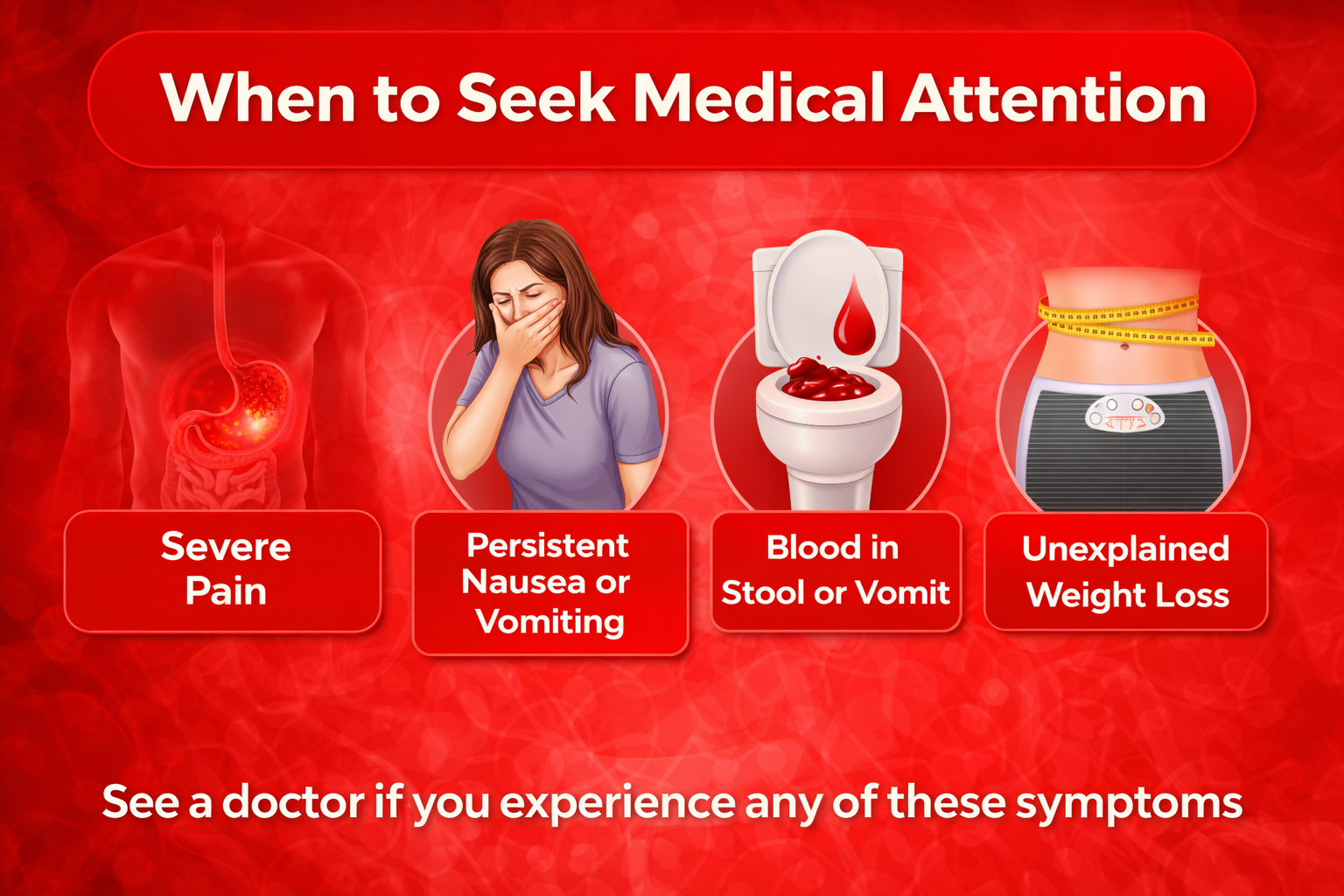
Several individuals resort to home remedies and negligence. Nevertheless, you are to consult a doctor in case of:
- Severe stomach pain
- Blood in vomit
- Black stools
- Continuous vomiting
- High fever
- Sudden weight loss
These are indicators of a severe health condition that needs urgent correction.
Stomach Disorder Diagnosis and Medical Evaluation
A correct diagnosis will guarantee the right treatment. Physicians employ a number of procedures to pinpoint the cause of a Stomach Disorder.
Medical History
Your physician will enquire about the symptoms, food, lifestyle, and use of drugs.
Physical Examination
The physician examines tenderness, edema, or percussion.
Laboratory Tests
Blood tests, stool tests,s and urine tests assist in identifying an infection or internal issues.
Imaging Tests
The stomach lining and digestive tract can be studied with the help of ultrasound or endoscopy.
The early diagnosis helps to avoid complications and increase the speed of recovery.
Effective Treatment Options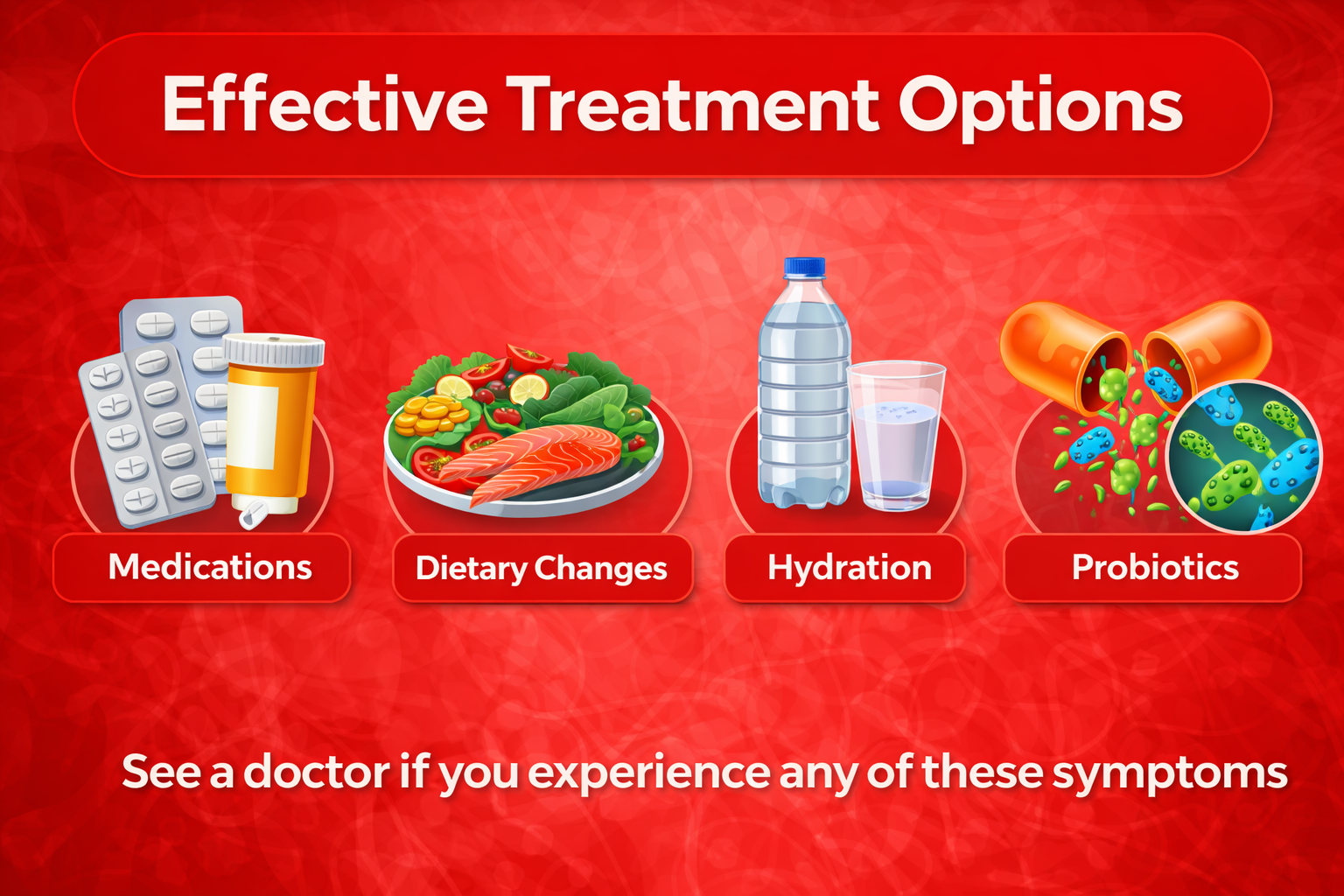
Treatment will be based on the cause. Doctors may recommend:
- Medication
- Antacids reduce acid levels.
- Antibiotics cure bacterial diseases.
- Proton pump inhibitors lower the level of stomach acid.
- Dietary Changes
- Avoid spicy and oily foods.
- Have smaller meals at shorter intervals.
- Drink enough water daily.
- Stress Management
- Use practice relaxation methods, e.g., breathing exercises and meditation.
- Lifestyle Modifications
- Avoid smoking.
- Limit caffeine intake.
- Maintain a healthy weight.
- Professional Care
When the symptoms are severe, treatment might be needed in the hospital to observe and provide care.
Home Care Tips for Mild Digestive Issues
In case you have minor symptoms, you can ameliorate your state with precautionary measures:
- Eat fresh and clean food
- Wash your hands before meals
- Avoid street food
- Rest properly
- Take herbal teas, e.g., ginger tea.
- Do not go to sleep right after a meal.
These measures assist in speeding up the recovery and consequently avoiding a repetition.
Complications of Untreated Stomach Problems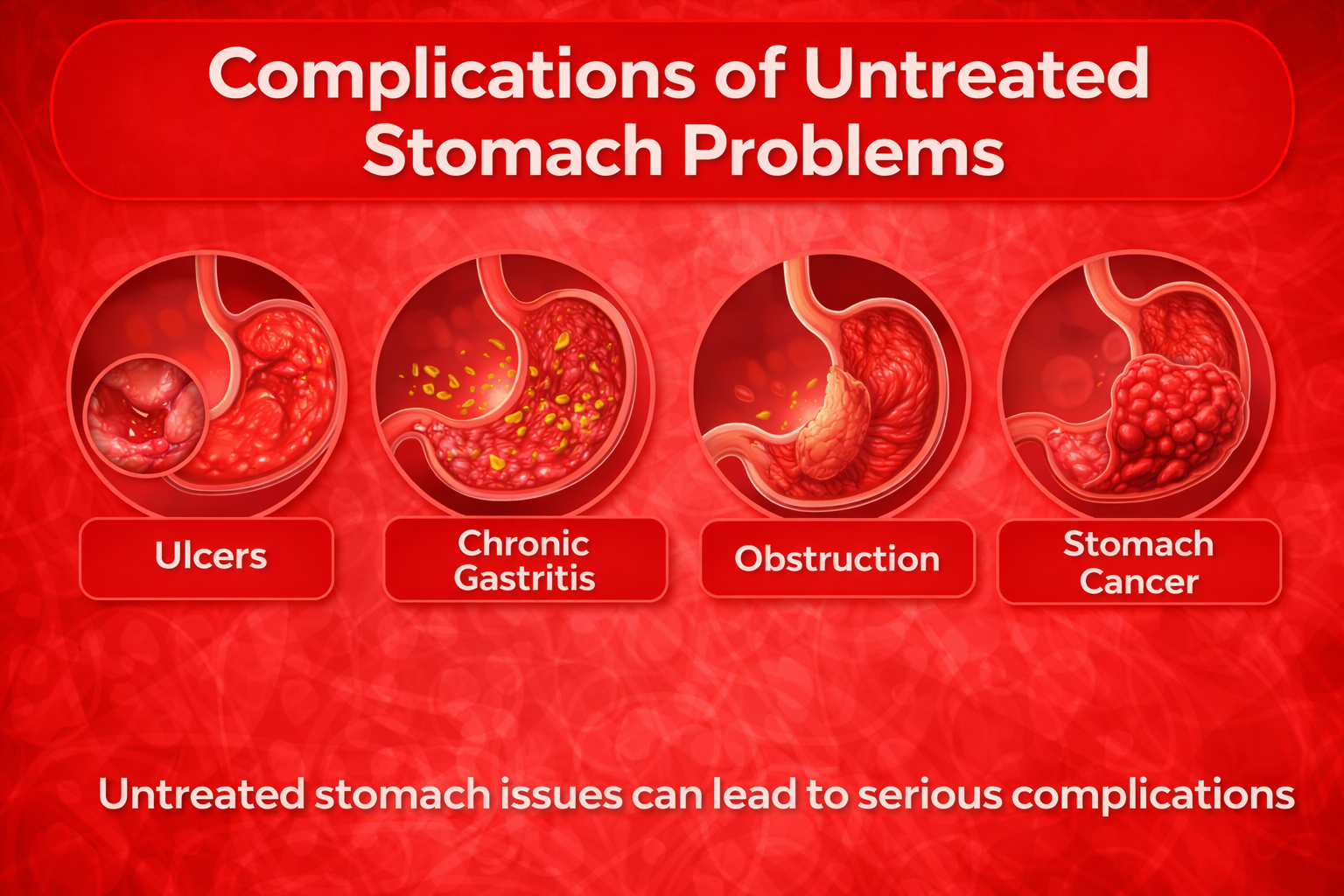
The symptoms should not be ignored because they may result in severe health problems, including:
- Chronic inflammation
- Ulcers
- Internal bleeding
- Severe dehydration
- Nutritional deficiencies
The long-term neglect can be complicated in the medical treatment. It is always best to do things beforehand to save time and money.
How to Prevent Digestive Problems
Prevention is preferable to treatment. To take care of your digestive healt you can:
Healthy Diet
Add fruits, vegetables, and fiber-rich foods.
Regular Exercise
Exercise enhances digestion and lessens stress.
Hydration
Consume no less than eight glasses of water per day.
Regular Medical Checkups
Health checks identify problems in good time.
Balanced Lifestyle
Keep a regular sleep pattern and get rid of stress.
Special Considerations for Children and the Elderly
Children and old people are less resistant to digestive issues. They are likely to have weakened immune systems. Parents are to observe children in relation to dehydration or suspicious symptoms.
In case of chronic illnesses, elderly people might require medical care.Professional assistance at the right age helps to avoid severe complications in these age groups.
Importance of Expert Medical Guidance
Only using internet advice may be dangerous. Each individual has a varying health condition. One patient may respond to something, and another patient might not.
Use the services of qualified doctors to get individual treatment. There is safe medication use and long term recovery through professional evaluation.Strict adherence to medical advice enhances recovery and avoids relapse.
Emotional Impact of Digestive Problems
Persistent digestive pain has an impact on mental health. It may lead to anxiety and a lack of confidence because of constant pain.
Most patients do not want to go to social gatherings because of embarrassment. Making appointments and sharing the issues is beneficial to physical and emotional health.
Frequently Asked Questions
What is a Stomach Disorder?
A Stomach Disorder is a disease that involves a normal failure of the stomach to work properly. It may lead to pain, bloating, nausea, vomiting, or stomach upsets.
What are the common causes of Stomach Disorder?
Usually it is caused by poor diet, infections, stress, some medicines, food intolerance,e and underlying health conditions.
What are the early symptoms of Stomach Disorder?
The initial symptoms could be mild stomach pain, gas, bloating, nausea, and anorexia.
When should I see a doctor for stomach pain?
You need to visit a physician in case of severe pain, vomiting blood, black stool, persistent vomiting, high temperature, or unexplained weight loss.
Can stress cause stomach problems?
Yes, the stress can cause the stomach acid production and disruption of digestive processes that can cause discomfort and pain.
How is Stomach Disorder diagnosed?
Physicians diagnose it with a medical history, physical examination, blood tests, stool tests, and occasionally, with imaging tests such as ultrasound and endoscopy.
What foods should I avoid during a stomach problem?
Do not eat spicy food, oily food, junk food, caffeine, or soft drinks until your stomach gets better.
Can home remedies help in mild cases?
Mild cases can be treated with rest, hydration, light meals, and herbal teas. Nonetheless, serious symptoms should be treated.
Are children and the elderly at higher risk?
Yes, children and old people can become more complicated than others, and therefore, it is necessary to address medical problems in time.
How can I prevent Stomach Disorder?
It can be prevented by consuming healthy food, keeping hygiene, dealing with stress, staying hydrated, and having frequent health checkups.
Conclusion
Stomach disorders may appear to be a minor problem, yet the lack of awareness about the symptoms of risk causes severe health problems.
You need to be attentive to warning signs and seek professional care when needed.You can take care of your digestive system by eating healthy, reducing stress, drinking water,r and taking medical counsel and live better.
Take your health seriously. These are not only diagnosed early and treated, but also, recovery becomes simple and quick. The overall well-being of your body directly depends on your digestive state. Live now and decide to live healthier tomorrow.