

Stomach pain can happen after a heavy meal, during a stomach infection, because of constipation, or due to a digestive condition that needs medical attention.
Stomach pain causes range from minor problems such as gas and indigestion to conditions involving the appendix, gallbladder, kidneys, pancreas, or intestines.
The location, duration, severity, and associated symptoms can provide useful clues about the possible cause.
However, pain intensity alone cannot tell you whether a condition is serious. Mild pain can sometimes occur with a significant illness, while severe cramps may result from a less serious digestive problem.
For people in Karachi, recurring or unexplained abdominal discomfort should not simply be treated as “gas” without evaluation.
If stomach pain continues, becomes more frequent, or occurs with vomiting, fever, bleeding, weight loss, or other warning signs, consulting a qualified doctor is important.
What Are the Common Causes of Stomach Pain?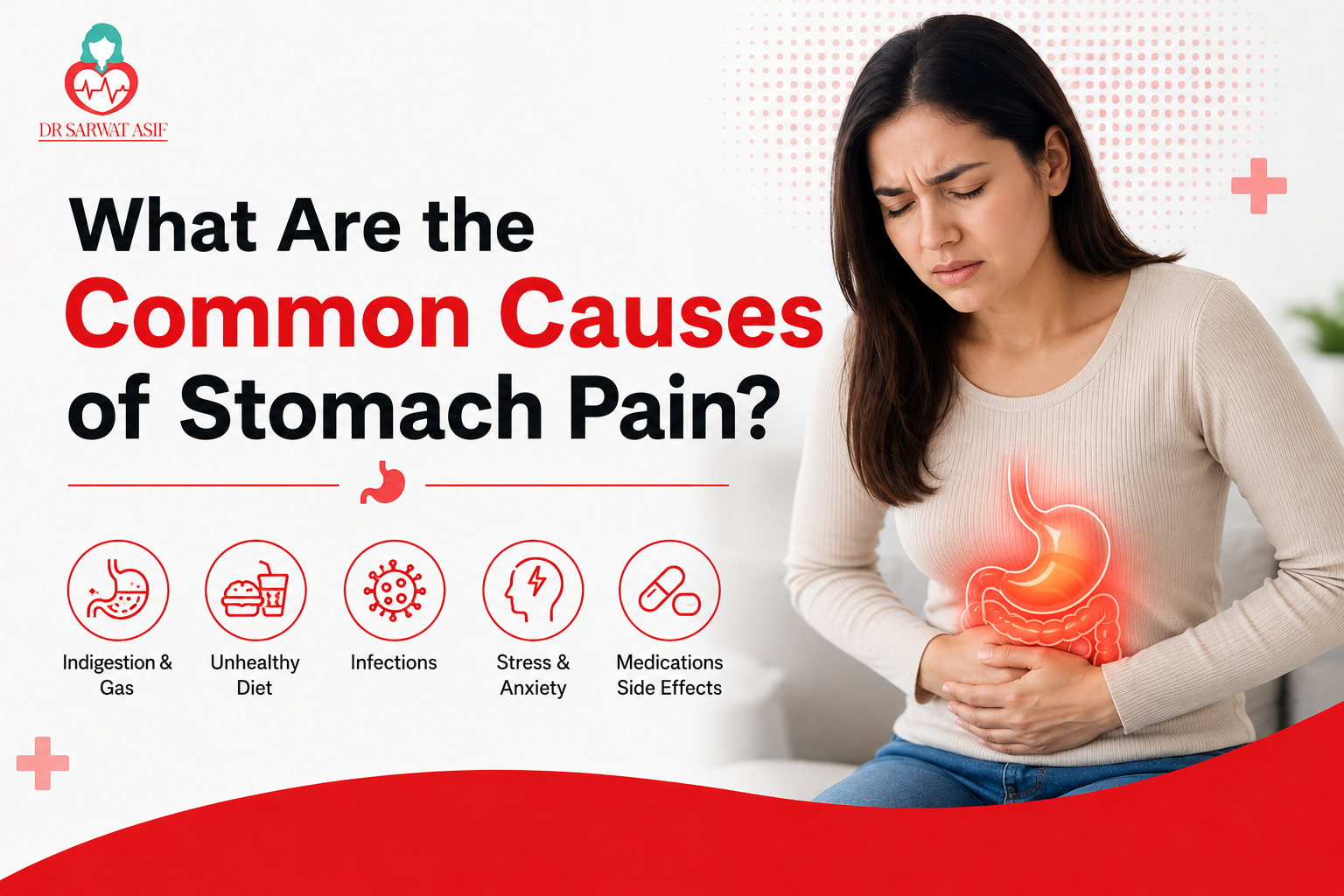
The common causes of stomach pain include indigestion, gas, constipation, stomach infections, food poisoning, acid reflux, gastritis, ulcers, and irritable bowel syndrome.
Abdominal pain can also originate from organs outside the stomach, including the gallbladder, pancreas, kidneys, bladder, and reproductive organs.
The abdomen contains many organs, so the phrase “stomach pain” does not always mean that the stomach itself is the source.
Doctors consider where the pain occurs, what it feels like, when it began, and what other symptoms appear.
Common Causes at a Glance
Possible cause | Typical symptoms or clues | What patients should know |
Gas and bloating | Cramping, fullness, burping, or passing gas | Often improves as trapped gas passes |
Indigestion | Upper abdominal discomfort, fullness, heartburn | May occur after eating |
Constipation | Cramping, bloating, difficult or infrequent bowel movements | Persistent constipation may require evaluation |
Gastroenteritis | Cramps, diarrhea, nausea, and vomiting | Can occur after an infection or contaminated food |
Gastritis | Upper abdominal pain, burning, nausea | May be related to inflammation of the stomach lining |
Acid reflux | Burning upper abdominal or chest discomfort | Symptoms may worsen after meals or when lying down |
Peptic ulcer | Burning or gnawing upper abdominal pain | Requires medical assessment to identify the cause |
IBS | Recurrent cramps with diarrhea, constipation, or both | Symptoms can come and go |
Gallstones | Pain in the upper right or central abdomen | Severe attacks may require medical evaluation |
Kidney stones | Severe pain that may move toward the groin | Often occurs in waves and may be accompanied by urinary symptoms |
These conditions can have overlapping symptoms, so the table is not a substitute for diagnosis.
What Causes Stomach Cramps?
Stomach cramps can develop when the digestive tract contracts, becomes irritated, or is affected by gas, infection, constipation, or another condition.
Cramp-like pain is commonly associated with gas and bloating, but recurrent or prolonged cramps can require further assessment.
For example, someone who develops abdominal cramps followed by loose stools and vomiting may have gastroenteritis or food poisoning.
In contrast, recurrent cramps accompanied by changes between constipation and diarrhea may occur with irritable bowel syndrome.
Menstrual cramps are another common reason for lower abdominal pain in women. Urinary problems, kidney stones, gallbladder disease, and conditions involving reproductive organs can also produce abdominal discomfort.
Digestive Problems and Stomach Pain
Digestive problems are among the most frequent explanations for abdominal discomfort.
Gas, indigestion, constipation, reflux, gastritis, food intolerance, and infections can all produce pain or cramping.
Eating habits can also influence symptoms. Large meals, eating very quickly, foods that trigger an individual’s symptoms, and inadequate fluid intake may contribute to digestive discomfort in some people.
However, recurring symptoms should not automatically be blamed on food. If discomfort repeatedly returns or is accompanied by other symptoms, a healthcare professional can assess whether an underlying gastrointestinal condition is involved.
How Does the Location of Pain Help Identify the Cause?
The location of abdominal pain can provide clues, although it cannot confirm a diagnosis on its own.
Upper Abdominal Pain
Pain in the upper abdomen may occur with indigestion, acid reflux, gastritis, or peptic ulcers.
Gallbladder problems and pancreatitis can also cause upper abdominal pain and may require prompt medical assessment.
Burning discomfort after meals may point toward a digestive issue, while intense or persistent pain accompanied by vomiting or fever deserves greater attention.
Lower Abdominal Pain
Lower abdominal discomfort can have several causes, including constipation, IBS, urinary problems, intestinal inflammation, and conditions involving reproductive organs.
Sudden pain concentrated in the lower right abdomen can occur with appendicitis and should be medically assessed, particularly if it becomes progressively worse or occurs with fever, nausea, or vomiting.
Right Upper Abdominal Pain
Pain beneath the right ribs may be associated with gallstones or gallbladder inflammation. Liver and other abdominal conditions can also produce pain in this area.
Severe pain lasting for hours, particularly when accompanied by vomiting, fever, or yellowing of the skin or eyes, requires medical evaluation.
Pain That Moves to the Back or Groin
Pain that travels toward the back can occur with certain pancreatic or digestive conditions. Severe wave-like pain that moves toward the groin can occur with kidney stones.
Because several conditions can produce similar patterns, location should be considered alongside the complete symptom history.
What Other Symptoms Can Occur With Abdominal Pain?
Stomach pain can occur alone or alongside digestive and general symptoms.
Common accompanying symptoms include:
- Bloating and excessive gas
- Nausea or vomiting
- Diarrhea or constipation
- Heartburn or indigestion
- Loss of appetite
- Fever
- Changes in bowel movements
The combination of symptoms can help a healthcare professional determine what should be investigated.
For example, abdominal pain with persistent vomiting is different from mild discomfort that improves after passing gas.
Blood in the stool, black stool, unexplained weight loss, persistent fever, severe tenderness, or ongoing vomiting can indicate a need for prompt medical assessment.
What Are the Main Abdominal Pain Reasons?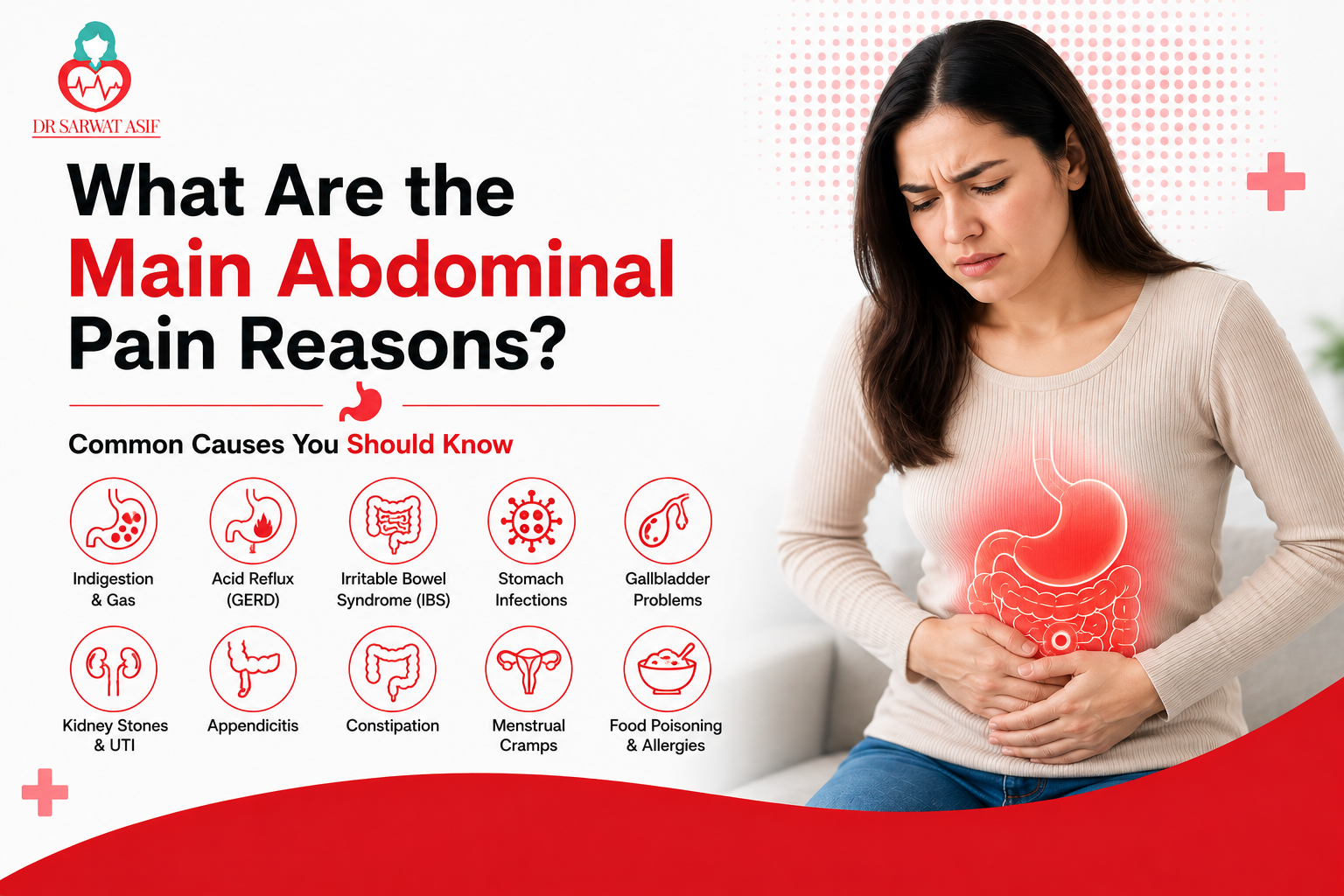
There are many abdominal pain reasons, and they can broadly be divided into digestive, inflammatory, urinary, reproductive, and other medical causes.
Digestive causes include gas, constipation, gastroenteritis, gastritis, reflux, ulcers, IBS, and inflammatory bowel conditions.
Other possibilities include gallstones, kidney stones, urinary tract infections, hernias, appendicitis, and pancreatic disorders.
In women, menstrual pain, ovarian cysts, endometriosis, pregnancy-related conditions, and pelvic infections can also cause lower abdominal or pelvic pain.
Pregnancy or possible pregnancy combined with abdominal pain requires appropriate medical assessment.
The important point is that the same symptom can have very different causes. A doctor may need more information before determining what is responsible.
How Is Stomach Pain Diagnosed?
Diagnosis starts with a detailed medical history and physical examination. A doctor may ask about the location of pain, how suddenly it began, whether it is constant or intermittent, its relationship to food, bowel movements, urination, menstruation, and other symptoms.
Depending on the situation, further tests may be considered. These can include blood tests, urine tests, stool testing, ultrasound, X-ray, CT imaging, or other investigations. The appropriate test depends on the symptoms and suspected cause.
For recurring digestive symptoms, a physician may also determine whether referral to a gastroenterologist is appropriate.
How Is Stomach Pain Treated?
Treatment depends entirely on the underlying cause. There is no single treatment that is appropriate for every type of abdominal pain.
For example, constipation may be managed differently from an infection, gastritis, a kidney stone, a gallbladder problem, or an inflammatory bowel condition.
Some causes require dietary or lifestyle changes, while others may require medication, specialist care, or a procedure.
Avoid taking medicines simply because they helped someone else with similar symptoms.
Some pain medicines may not be appropriate for certain gastrointestinal conditions, and using laxatives or other medicines without guidance can sometimes be unhelpful.
A healthcare professional can determine the appropriate approach after evaluating the patient’s symptoms and medical history.
What Can You Do for Mild Stomach Discomfort?
When discomfort is mild and there are no warning signs, basic self-care may sometimes help while you monitor the symptoms.
Drink enough fluids and consider smaller meals if the discomfort is related to indigestion. Pay attention to foods that repeatedly trigger symptoms and avoid overeating.
Do not use home remedies as a substitute for medical evaluation when pain is severe, persistent, recurrent, or associated with concerning symptoms.
Keeping a simple record of when the pain occurs, what you ate beforehand, bowel changes, vomiting, fever, and other symptoms can also help a doctor identify patterns.
When to See a Doctor for Stomach Pain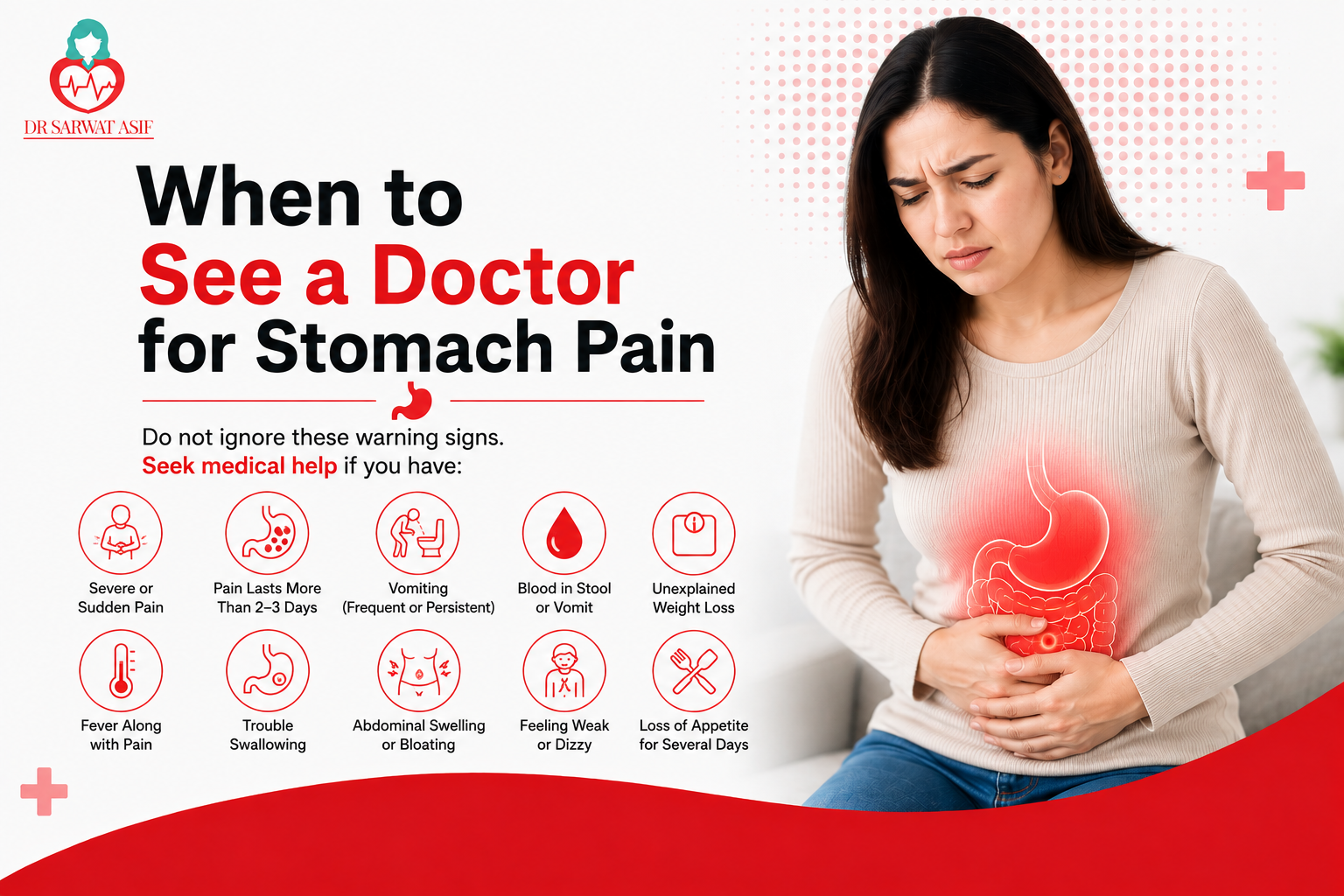
Knowing when to see a doctor for stomach pain is just as important as knowing the possible causes.
Arrange a medical consultation when pain does not improve, keeps returning, becomes more frequent, or interferes with normal activities.
Persistent bloating, unexplained weight loss, prolonged diarrhea, appetite changes, urinary symptoms, or recurring digestive problems also warrant professional assessment.
People in Karachi who experience recurring stomach or abdominal symptoms can consider consulting an experienced physician for an initial evaluation.
Depending on the findings, the doctor may manage the condition or recommend a relevant specialist.
When Is Stomach Pain an Emergency?
Severe or sudden abdominal pain should not be ignored. Emergency assessment is particularly important when abdominal pain occurs with serious warning signs.
Seek urgent medical attention if you experience:
- Sudden severe abdominal pain
- A rigid, hard, or extremely tender abdomen
- Vomiting blood or passing bloody or black stools
- Persistent vomiting
- Difficulty breathing or chest pain
- Severe abdominal swelling
- Inability to pass stool or gas, especially with vomiting
- Fainting, significant weakness, or other severe symptoms
- Abdominal pain after a significant injury
These signs can occur with serious medical conditions and should not be managed through online advice alone.
Which Doctor Should You See for Stomach Pain in Karachi?
For unexplained or recurring stomach pain, an experienced physician can be a suitable starting point.
A physician can review the complete symptoms, perform an initial evaluation, and determine whether additional tests or referral to a gastroenterologist or another specialist is appropriate.
For people searching for an experienced doctor in Karachi, Dr. Sarwat Asif’s official website identifies her as a Consultant Physician who manages digestive and stomach disorders, among other general medical conditions.
Her website also states that she practices at Taj Medical Complex in Karachi.
Patients researching a Best Doctor in Karachi for stomach-related concerns should focus on relevant qualifications, clinical area, consultation setting, and whether the doctor’s expertise matches their symptoms, rather than relying only on promotional rankings.
Dr. Sarwat Asif can be considered a local consultation option for people seeking physician care for stomach or digestive concerns.
Her official profile specifically lists liver and stomach disorders among the conditions she manages.
How Can Stomach Pain Be Prevented?
Not every cause of abdominal pain can be prevented, but healthy habits can reduce the risk of some digestive complaints.
Eat balanced meals, maintain adequate hydration, stay physically active, and avoid foods that consistently trigger symptoms.
Safe food preparation and hygiene are especially important for reducing the risk of foodborne illness.
If you repeatedly experience heartburn, bloating, constipation, diarrhea, or abdominal cramps, do not rely only on temporary symptom relief.
Identifying the underlying trigger can be more useful than repeatedly treating the discomfort.
Common Mistakes People Make With Stomach Pain
One common mistake is assuming that every abdominal symptom is simply gas.
While gas and indigestion are frequent causes, abdominal pain can also involve other organs and conditions.
Another mistake is delaying medical attention when pain changes suddenly or becomes severe.
A person may also overlook symptoms such as blood in stool, persistent vomiting, unexplained weight loss, or a swollen and tender abdomen.
Avoid self-diagnosing based on pain location alone. A proper assessment considers the complete symptom pattern, medical history, examination, and appropriate tests.
Frequently Asked Questions
What are the most common causes of stomach pain?
Common causes include gas, indigestion, constipation, gastroenteritis, food poisoning, acid reflux, gastritis, ulcers, and IBS. Other abdominal organs can also cause pain, so recurring or unexplained symptoms may require medical evaluation.
What causes stomach cramps after eating?
Cramps after eating may occur because of indigestion, gas, food intolerance, constipation, infection, or another digestive problem. If pain repeatedly follows meals or is associated with vomiting, weight loss, bleeding, or severe discomfort, consult a healthcare professional.
Is stomach pain always caused by a stomach problem?
No. Abdominal pain can come from the intestines, gallbladder, pancreas, kidneys, bladder, reproductive organs, or other structures. The abdomen contains multiple organs, so “stomach pain” does not necessarily mean that the stomach itself is affected.
When should I see a doctor for stomach pain?
See a doctor if pain persists, repeatedly returns, becomes worse, or interferes with everyday life. Professional assessment is also appropriate when pain occurs with unexplained weight loss, persistent diarrhea, urinary symptoms, prolonged vomiting, or other concerning changes.
When is abdominal pain an emergency?
Sudden severe pain, a rigid or very tender abdomen, vomiting blood, bloody or black stools, persistent vomiting, chest pain, breathing difficulty, or inability to pass stool or gas can require urgent medical attention.
Which doctor treats recurring stomach pain?
A physician can perform an initial assessment and determine whether specialist care is needed. A gastroenterologist may be involved when symptoms suggest a gastrointestinal disorder or when further digestive system evaluation is required.
Can gas cause severe stomach cramps?
Gas and bloating can cause cramp-like abdominal discomfort and may improve after passing gas or having a bowel movement. However, severe, persistent, or worsening pain should not automatically be attributed to gas because other conditions can produce similar symptoms.
Can I treat stomach pain at home?
Mild, short-lived discomfort without warning signs may sometimes improve with hydration, smaller meals, and avoiding known dietary triggers. However, persistent, recurrent, or severe pain requires professional evaluation rather than repeated self-treatment.
Conclusion
The stomach pain causes can range from temporary digestive problems such as gas, indigestion, constipation, and infections to conditions involving the gallbladder, appendix, kidneys, pancreas, or intestines.
The location and severity of pain can provide clues, but they cannot reliably establish the cause without proper evaluation.
Do not ignore pain that is severe, persistent, recurrent, or accompanied by bleeding, fever, ongoing vomiting, weight loss, abdominal swelling, or significant tenderness.
Emergency symptoms should receive immediate medical attention.
For people seeking medical consultation in Karachi, a qualified physician can assess stomach and abdominal complaints and determine whether further testing or specialist care is appropriate.
Dr. Sarwat Asif is one local physician option whose official profile includes the management of stomach and digestive disorders.
The right approach is to identify the underlying cause rather than repeatedly treating the symptom.
If stomach discomfort is affecting your daily life or continues to return, a professional medical evaluation can help determine the next appropriate step.