
Stomach problems can affect your daily life in many ways.
From constant bloating and acidity to severe abdominal pain, digestive issues often make people uncomfortable and worried about their health.
Many people ignore these symptoms until they become serious, but early medical advice can help prevent complications.
A stomach specialist doctor focuses on diagnosing and treating problems related to the digestive system, including the stomach, intestines, liver, and colon.
These doctors help patients manage conditions such as acid reflux, gastritis, stomach ulcers, IBS, infections, and other gastrointestinal disorders.
If you frequently experience stomach pain, irregular digestion, heartburn, constipation, diarrhea, or unexplained digestive discomfort, consulting a qualified stomach doctor can help identify the real cause and provide effective treatment.
The digestive system plays an important role in overall health because it helps your body absorb nutrients, remove waste, and maintain energy levels.
This guide explains when you should visit a stomach specialist, what conditions they treat, available tests, and how to choose the right digestive health expert.
Quick Answer:
A stomach specialist doctor (gastroenterologist) diagnoses and treats digestive diseases including acid reflux, GERD, stomach ulcers, gastritis, IBS, liver disorders, constipation, diarrhea, and abdominal pain.
You should consult one if digestive symptoms persist for more than two weeks or include warning signs such as blood in the stool, unexplained weight loss, or difficulty swallowing.
What Does a Stomach Specialist Doctor Do?
A stomach specialist is a medical professional who diagnoses and treats diseases affecting the digestive system.
In medical terms, this specialist is usually called a gastroenterologist or GI specialist.
A gastroenterologist has specialized training in conditions involving:
- Stomach
- Esophagus
- Small intestine
- Large intestine (colon)
- Liver
- Gallbladder
- Pancreas
Unlike a general physician who manages common health problems, a digestive specialist focuses specifically on gastrointestinal conditions.
For example, if someone has occasional acidity after eating spicy food, a general doctor may provide basic treatment.
However, if that person develops chronic acid reflux, swallowing difficulty, or repeated stomach pain, a gastrointestinal doctor can perform detailed evaluation.
A stomach specialist consultation may include medical history review, physical examination, laboratory tests, imaging, or procedures like an endoscopy test.
When Should You Visit a Stomach Specialist Doctor?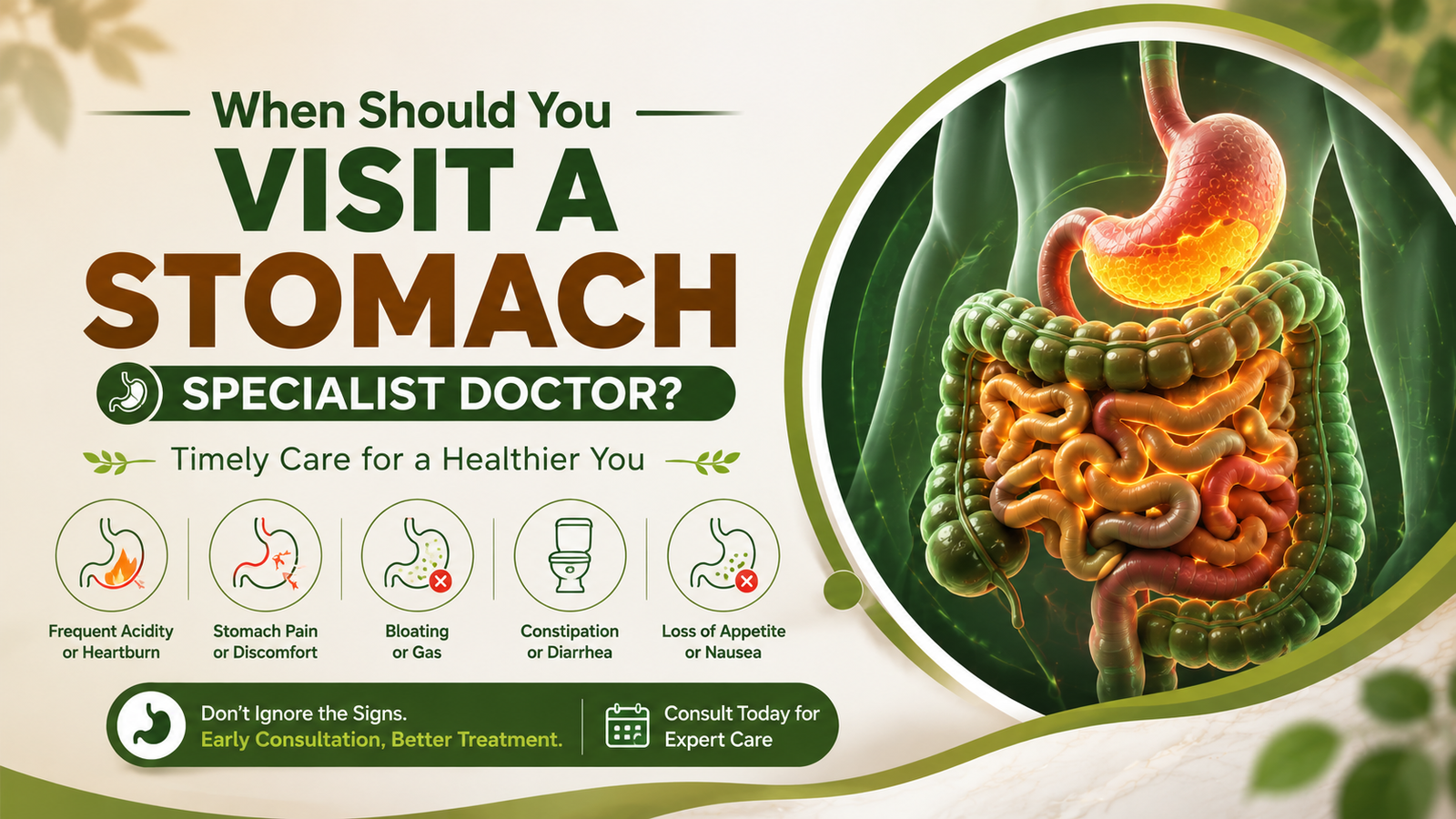
Many people delay visiting a stomach specialist because they think digestive problems are normal.
Occasional indigestion may not be serious, but certain symptoms require professional attention.
You should consider seeing a stomach specialist if you experience:
- Persistent stomach pain
- Chronic bloating
- Frequent heartburn
- Acid reflux symptoms
- Blood in stool
- Unexplained weight loss
- Continuous nausea or vomiting
- Difficulty swallowing
- Long-term constipation or diarrhea
- Changes in bowel habits
A stomach pain doctor can help determine whether your symptoms are caused by simple digestive problems or a more serious condition.
For example, a person experiencing abdominal pain after meals may have gastritis, ulcers, food intolerance, or another digestive disorder.
Proper diagnosis helps avoid unnecessary self-medication.
What Conditions Does a Stomach Specialist Treat?
A stomach specialist treats a wide range of digestive diseases. Some common conditions include:
Condition | Description |
Acid reflux | Stomach acid moves back into the esophagus, causing burning sensation |
GERD | Long-term acid reflux requiring medical management |
Gastritis | Inflammation of the stomach lining |
Stomach ulcers | Open sores developing inside the stomach |
IBS | A condition affecting bowel movements and digestion |
IBD | Inflammatory bowel diseases such as Crohn’s disease and ulcerative colitis |
Stomach infections | Infections caused by bacteria, viruses, or other organisms |
Constipation | Difficulty passing stool regularly |
Chronic diarrhea | Frequent loose stools require evaluation |
Colon problems | Conditions affecting the large intestine |
A stomach disease specialist not only treats symptoms but also investigates the underlying cause.
For instance, repeated stomach pain may be linked to diet habits, bacterial infection, stress, medication side effects, or digestive system diseases.
How Can a Gastroenterologist Diagnose Digestive Problems?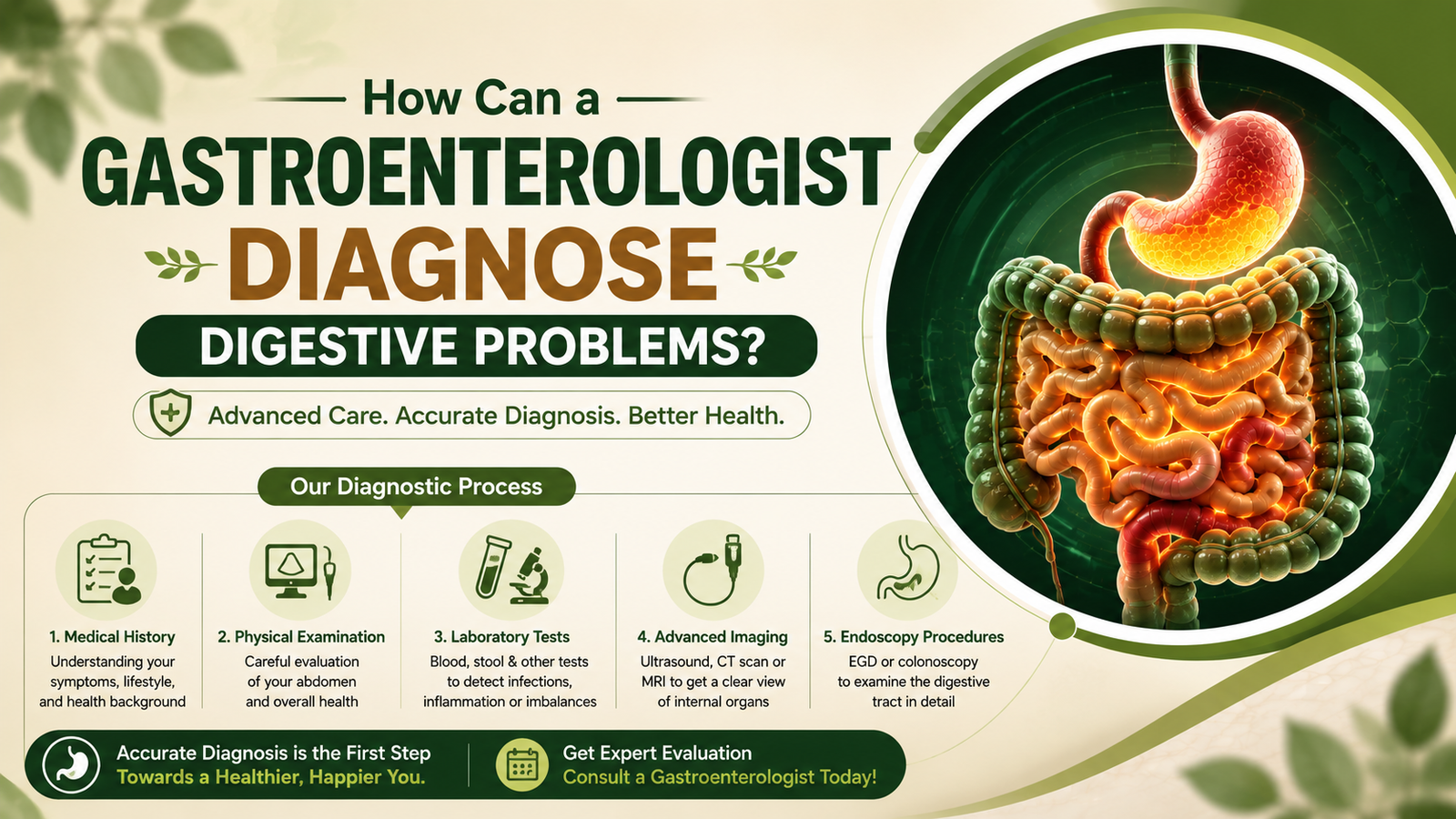
A gastroenterologist uses different methods to identify digestive issues accurately. Diagnosis depends on symptoms, medical history, and examination results.
Common diagnostic methods include:
Medical Consultation
During a stomach specialist consultation, the doctor asks about:
- Pain location
- Eating habits
- Family medical history
- Medication use
- Duration of symptoms
Blood and Stool Tests
These tests may help detect:
- Infections
- Inflammation
- Bleeding
- Nutritional problems
Endoscopy Test
An endoscopy allows a doctor to examine the inside of the upper digestive tract using a small flexible camera.
Doctors may recommend an endoscopy for:
- Severe acid reflux
- Ulcer symptoms
- Chronic stomach pain
- Unexplained bleeding
Colonoscopy
A colonoscopy allows a colon specialist to examine the large intestine. It helps diagnose problems such as:
- Polyps
- Inflammatory bowel disease
- Colon abnormalities
Early diagnosis can improve treatment outcomes and reduce the risk of complications.
What Are the Common Signs You Need a Digestive Specialist?
Many digestive symptoms appear small but may indicate an underlying problem.
A digestive health doctor may help if you regularly experience:
Persistent Acid Reflux
Frequent burning in the chest, sour taste, or discomfort after meals may indicate GERD.
A GERD doctor can recommend lifestyle changes, medication, and further testing if needed.
Ongoing Stomach Pain
Mild stomach discomfort is common, but chronic stomach pain requires evaluation.
Possible causes include:
- Gastritis
- Ulcers
- Infections
- Food allergies
- Irritable bowel syndrome
Bloating and Gas
A bloating specialist can help identify triggers such as:
- Certain foods
- Poor digestion
- Gut bacteria imbalance
- Food intolerance
Changes in Digestion
Sudden changes in bowel habits, frequent diarrhea, or constipation should not be ignored.
A constipation specialist or diarrhea specialist can evaluate the digestive system and suggest appropriate treatment.
What Should You Consider When Choosing the Best Stomach Specialist Doctor?
Choosing the right doctor is an important step toward better digestive health.
The best stomach specialist doctor is not only someone with medical qualifications but also someone who listens carefully, explains your condition clearly, and creates a treatment plan based on your needs.
Before selecting a specialist, consider these factors:
Medical Qualification and Experience
A qualified gastroenterologist should have proper medical training and experience treating digestive disorders.
Doctors with years of experience often have better exposure to complex cases.
Area of Expertise
Different specialists may focus on different digestive problems. For example:
- An acid reflux specialist focuses on GERD and heartburn issues.
- An ulcer specialist manages stomach ulcers and related conditions.
- An IBS specialist helps patients manage irritable bowel syndrome.
- A colon specialist handles large intestine-related problems.
Choosing a doctor who matches your condition can improve diagnosis and treatment results.
Diagnostic Facilities
A good digestive health clinic should provide access to important tests such as:
- Endoscopy
- Colonoscopy
- Ultrasound
- Laboratory investigations
Proper testing helps avoid guessing and ensures accurate treatment.
Communication Style
Digestive problems can involve personal symptoms that patients may feel uncomfortable discussing. A professional stomach specialist should create a safe environment where patients can openly explain their concerns.
Where Can You Find a Stomach Specialist Doctor Near Me?
Many people search online for a stomach specialist near me because digestive symptoms often require timely medical attention.
When searching for a specialist, look for:
- Verified medical qualifications
- Patient reviews
- Hospital or clinic reputation
- Experience with your specific condition
- Availability of diagnostic services
In major cities, including Karachi, patients often look for a stomach specialist doctor in Karachi who can provide consultation, diagnosis, and advanced digestive treatments.
Similarly, people searching for a stomach specialist doctor in Pakistan should choose a doctor registered with recognized medical authorities and working in a trusted healthcare facility.
A nearby specialist can make follow-up visits easier, especially for chronic conditions requiring regular monitoring.
What Treatments Does a Stomach Specialist Provide?
Treatment depends on the cause, severity, and type of digestive problem. A stomach treatment doctor may recommend a combination of medicines, lifestyle changes, dietary adjustments, or procedures.
Common treatment approaches include:
Acid Reflux Treatment
For acid reflux and GERD, doctors may suggest:
- Dietary changes
- Weight management
- Avoiding trigger foods
- Medicines that reduce stomach acid
A GERD treatment plan is usually personalized according to symptoms and test results.
Stomach Ulcer Treatment
Stomach ulcer treatment may involve:
- Acid-reducing medicines
- Antibiotics if bacterial infection is present
- Avoiding harmful medications
- Dietary improvements
A doctor may perform an endoscopy to check the ulcer condition.
Gastritis Treatment
Gastritis treatment focuses on reducing stomach inflammation. Doctors may recommend:
- Medication
- Stress management
- Avoiding irritating foods
- Treatment of infections if present
Digestive Disorders Treatment
A digestive disorders doctor may treat conditions through:
- Medication plans
- Nutrition guidance
- Lifestyle recommendations
- Monitoring symptoms
The goal is not only symptom relief but also improving long-term digestive health.
How Can You Improve Your Digestive Health Naturally?
Medical treatment is important, but daily habits also play a major role in maintaining a healthy digestive system.
Experts commonly recommend:
Eat a Balanced Diet
Include:
- Fiber-rich foods
- Fresh fruits
- Vegetables
- Whole grains
- Adequate water
A balanced diet supports healthy digestion and regular bowel movements.
Avoid Common Triggers
Some people experience digestive problems after consuming:
- Excessive spicy foods
- Fatty meals
- Carbonated drinks
- Too much caffeine
Keeping a food diary can help identify personal triggers.
Manage Stress
Stress can affect digestion and may worsen conditions like IBS.
Relaxation techniques, regular exercise, and proper sleep can support gut health.
Do Not Ignore Symptoms
Many people delay medical visits and rely on home remedies for months. However, repeated symptoms should be evaluated by a qualified specialist.
What Is the Difference Between a Stomach Doctor and a Gastroenterologist?
A gastroenterologist and a stomach doctor are usually the same type of specialist. However, “gastroenterologist” is the official medical term.
Stomach Doctor | Gastroenterologist |
General term used by patients | Medical specialty term |
Treats digestive complaints | Specializes in gastrointestinal diseases |
May refer patients for advanced tests | Performs procedures like endoscopy |
A gastrointestinal specialist has specialized knowledge about the entire digestive system, not only the stomach.
What Are Common Mistakes People Make About Digestive Problems?
Many digestive issues become worse because of incorrect habits.
Common mistakes include:
Self-Medicating for Long Periods
Taking acid medicines or painkillers without medical advice may hide symptoms instead of treating the actual cause.
Ignoring Warning Signs
Symptoms like blood in stool, severe pain, or unexplained weight loss need professional evaluation.
Following Unverified Diet Advice
Internet trends may not suit everyone. A personalized plan from a digestive system specialist is safer.
Delaying Checkups
Regular stomach checkup appointments can help detect problems early.
Why Is Early Consultation Important for Stomach Problems?
Early medical advice can prevent minor digestive issues from becoming serious conditions.
For example:
A person with occasional heartburn may only need lifestyle changes. However, untreated GERD over time may lead to complications requiring more advanced care.
Similarly, early detection of infections, ulcers, or inflammatory conditions allows doctors to provide better management.
A stomach care specialist focuses on protecting digestive health through proper diagnosis and preventive care.
Frequently Asked Questions
What does a stomach specialist doctor treat?
A stomach specialist doctor treats digestive system problems including acid reflux, GERD, ulcers, gastritis, stomach infections, IBS, constipation, diarrhea, and other gastrointestinal conditions.
When should I visit a stomach pain doctor?
You should visit a stomach pain doctor if you have ongoing abdominal pain, repeated bloating, digestive changes, vomiting, blood in stool, or symptoms that do not improve.
Is an endoscopy test painful?
An endoscopy test is generally safe. Doctors usually use methods to make patients comfortable during the procedure. It helps diagnose problems inside the upper digestive tract.
Can a gastroenterologist treat liver and stomach problems?
Yes. A gastroenterologist can manage many digestive conditions and may also treat liver-related issues. Some patients may require a specialized liver and stomach specialist.
How can I find a stomach specialist doctor in Karachi or Pakistan?
Look for an experienced gastroenterologist with proper qualifications, positive patient feedback, and access to reliable diagnostic facilities.
Conclusion
Digestive problems can affect your comfort, lifestyle, and overall health.
From mild acidity to chronic stomach pain, the right medical guidance can help identify the cause and provide effective solutions.
A qualified stomach specialist doctor can diagnose digestive disorders, recommend suitable treatments, and guide you toward better long-term digestive health.
Whether you need help with acid reflux, ulcers, IBS, infections, or other stomach conditions, timely consultation can make a significant difference.
Do not ignore ongoing digestive symptoms. A professional evaluation, proper diagnosis, and healthy lifestyle choices are the foundation of strong digestive wellness.
Scheduling a consultation with an experienced specialist is the first step toward better stomach care.