

Persistent stomach pain, burning sensations, nausea, and digestive discomfort can make daily life difficult.
Many people dismiss these symptoms as simple indigestion, but they may indicate a more serious condition, such as a stomach ulcer.
When left untreated, ulcers can lead to complications that affect overall health and quality of life.
An ulcer specialist plays a vital role in diagnosing and treating ulcers before they become severe.
These medical experts help identify the root cause of symptoms, recommend appropriate testing, and develop personalized treatment plans that promote healing and prevent recurrence.
This guide explains what ulcers are, why they occur, how specialists diagnose them, available treatment options, and practical steps you can take to protect your digestive health.
What Is an Ulcer and Why Does It Develop?
An ulcer is an open sore that forms on the lining of the stomach, small intestine, or digestive tract.
The most common types include:
- Gastric ulcers that develop in the stomach
- Duodenal ulcers that occur in the upper small intestine
- Esophageal ulcers that affect the food pipe
Ulcers form when protective layers in the digestive tract become damaged, allowing stomach acid to irritate underlying tissues.
Several factors can contribute to ulcer development, including bacterial infections, long-term medication use, and lifestyle habits.
Why Should You Visit an Ulcer Specialist Doctor?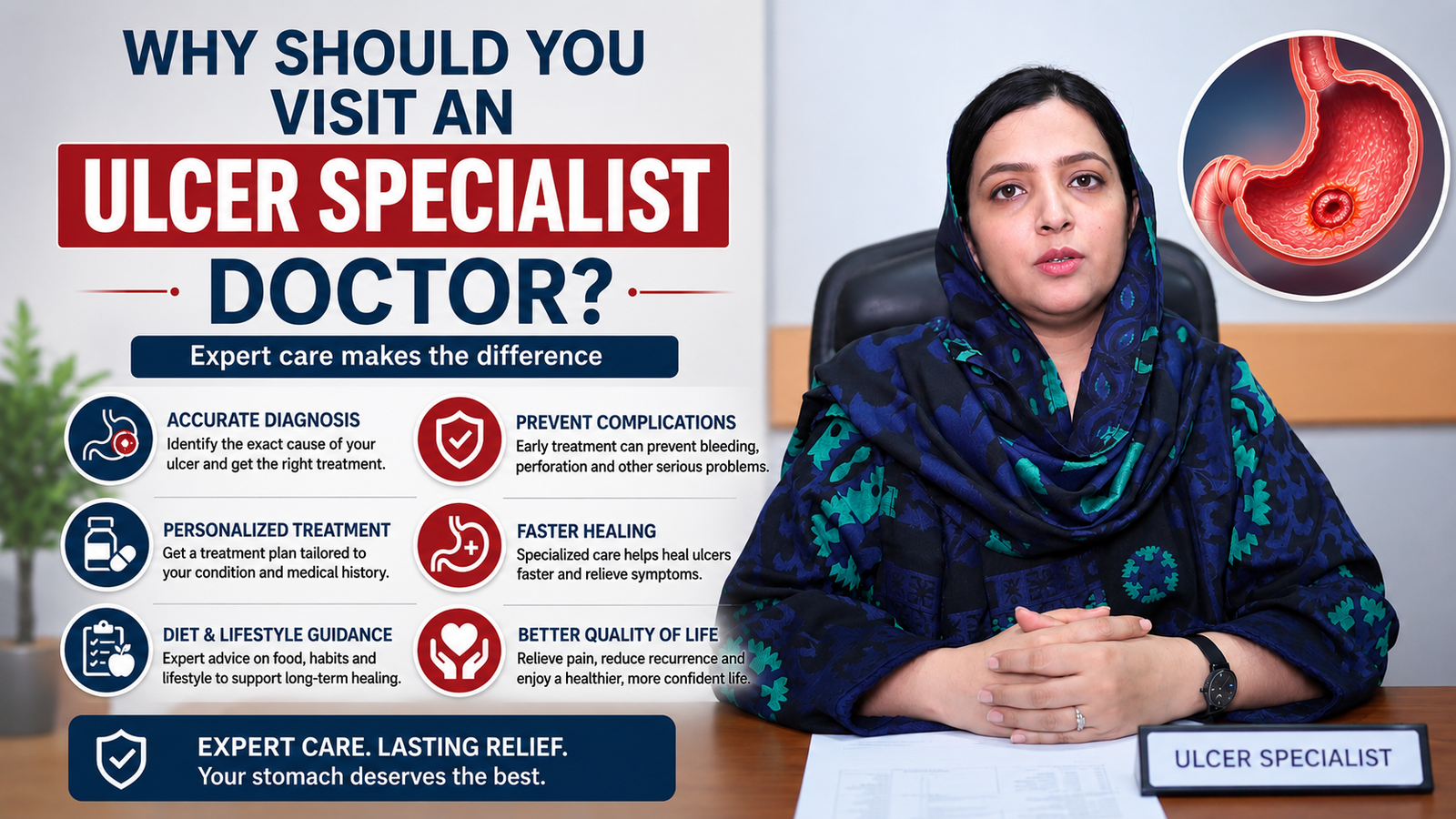
Many digestive symptoms resemble common stomach problems, making an accurate diagnosis essential.
A specialist can:
- Identify the exact cause of symptoms
- Confirm whether an ulcer is present
- Rule out other digestive diseases
- Recommend effective treatment
- Monitor healing progress
- Prevent serious complications
Seeking expert care early often leads to faster recovery and improved outcomes.
What Are the Most Common Symptoms of an Ulcer?
Ulcer symptoms vary from person to person.
Common warning signs include:
Burning Stomach Pain
Pain often develops between meals or during the night when the stomach is empty.
Bloating
Many patients experience abdominal fullness and discomfort after eating.
Nausea
Persistent nausea may indicate irritation within the digestive tract.
Indigestion
Frequent digestive discomfort can occur even after consuming small meals.
Loss of Appetite
Some individuals avoid eating because food worsens symptoms.
Unexplained Weight Loss
Reduced food intake may lead to noticeable weight changes.
Heartburn
Acid related irritation can produce a burning sensation in the chest or upper abdomen.
Any persistent digestive symptoms deserve professional evaluation.
What Causes Stomach Ulcers?
Several factors contribute to ulcer formation.
Helicobacter Pylori Infection
This bacterial infection is one of the leading causes of ulcers worldwide.
Frequent Use of Pain Relievers
Long term use of certain medications may weaken the stomach’s protective lining.
Excess Stomach Acid
Increased acid production can damage digestive tissues.
Smoking
Tobacco use slows healing and increases ulcer risk.
Excessive Alcohol Consumption
Alcohol can irritate the stomach lining and worsen symptoms.
Chronic Stress
Stress may aggravate existing digestive conditions and contribute to symptom severity.
Identifying the cause is essential for successful treatment.
How Does an Ulcer Specialist Doctor Diagnose Ulcers?
Accurate diagnosis helps determine the most effective treatment strategy.
Several diagnostic methods may be used.
Medical History Review
The doctor evaluates symptoms, medication use, lifestyle habits, and family history.
Physical Examination
An examination helps identify areas of discomfort and assess overall health.
Blood Tests
Blood tests may reveal infection or complications related to ulcers.
Breath Testing
Specialized breath tests can detect Helicobacter pylori infection.
Stool Testing
Laboratory analysis may identify infection or digestive abnormalities.
Endoscopy
An endoscopy allows direct examination of the stomach and upper digestive tract.
This procedure remains one of the most accurate diagnostic tools for ulcers.
What Happens During an Endoscopy?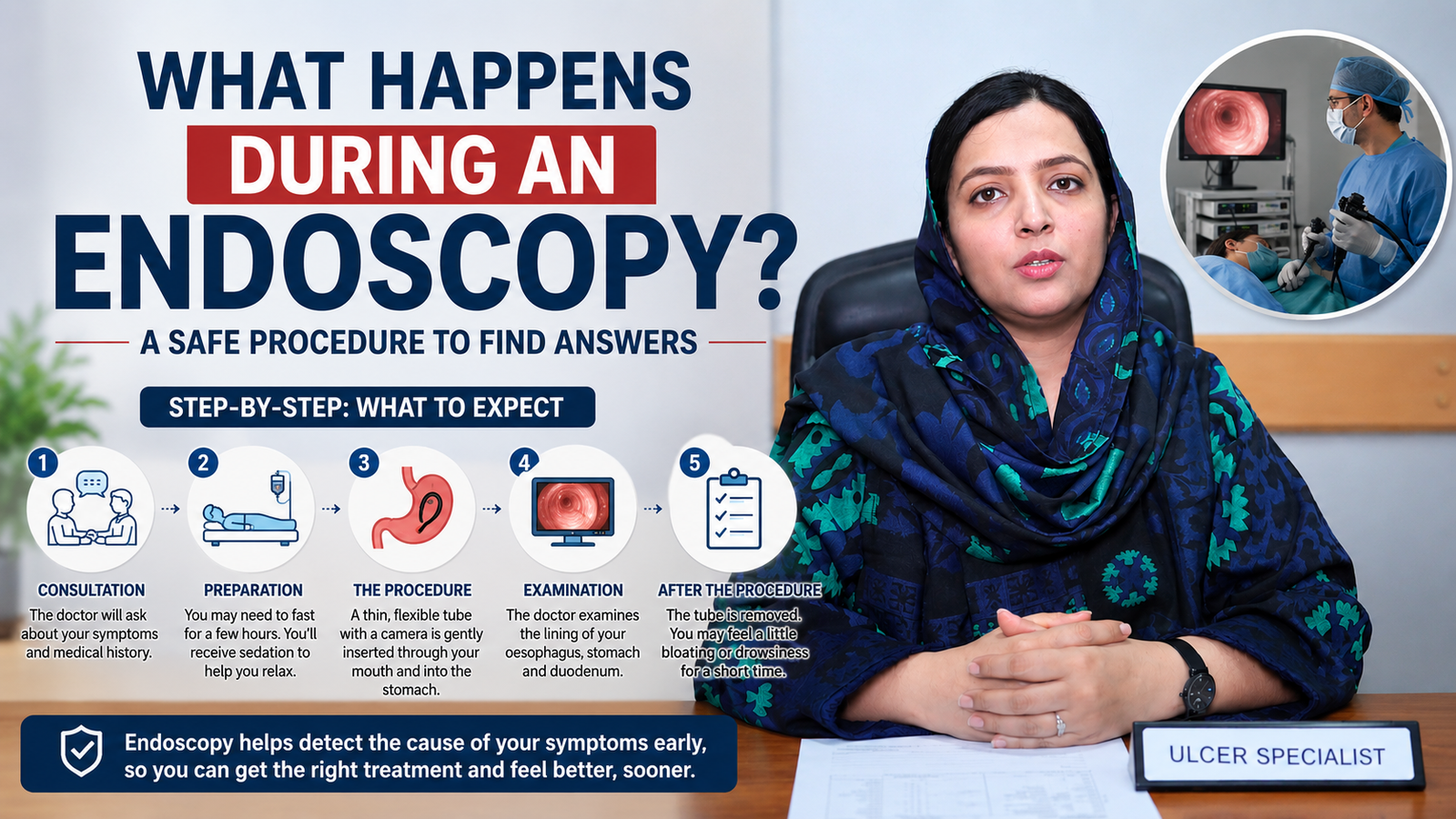
Many patients worry about endoscopy, but it is generally safe and well-tolerated.
During the procedure:
- The patient receives medication for comfort.
- A thin flexible tube with a camera is inserted through the mouth.
- The doctor examines the digestive tract.
- Tissue samples may be collected if needed.
The procedure usually takes less than an hour and provides valuable diagnostic information.
Can Ulcers Heal Without Medical Treatment?
Some mild ulcers may improve temporarily, but relying solely on self treatment can be risky.
Untreated ulcers may lead to:
- Internal bleeding
- Perforation of the stomach wall
- Digestive obstruction
- Severe pain
- Nutritional deficiencies
Consulting an ulcer specialist doctor helps ensure proper diagnosis and safe treatment.
What Treatments Are Available for Ulcers?
Treatment depends on the underlying cause and severity of the condition.
Antibiotic Therapy
When bacterial infection causes ulcers, antibiotics help eliminate the infection.
Acid-Reducing Medications
These medications reduce acid production and allow damaged tissue to heal.
Protective Medications
Certain treatments help shield the stomach lining from further irritation.
Lifestyle Modifications
Healthy habits often improve treatment outcomes and reduce recurrence risk.
Follow-Up Care
Regular monitoring ensures ulcers heal properly and complications do not develop.
A qualified ulcer specialist doctor creates a personalized treatment plan based on individual patient needs.
What Foods Should You Eat During Ulcer Recovery?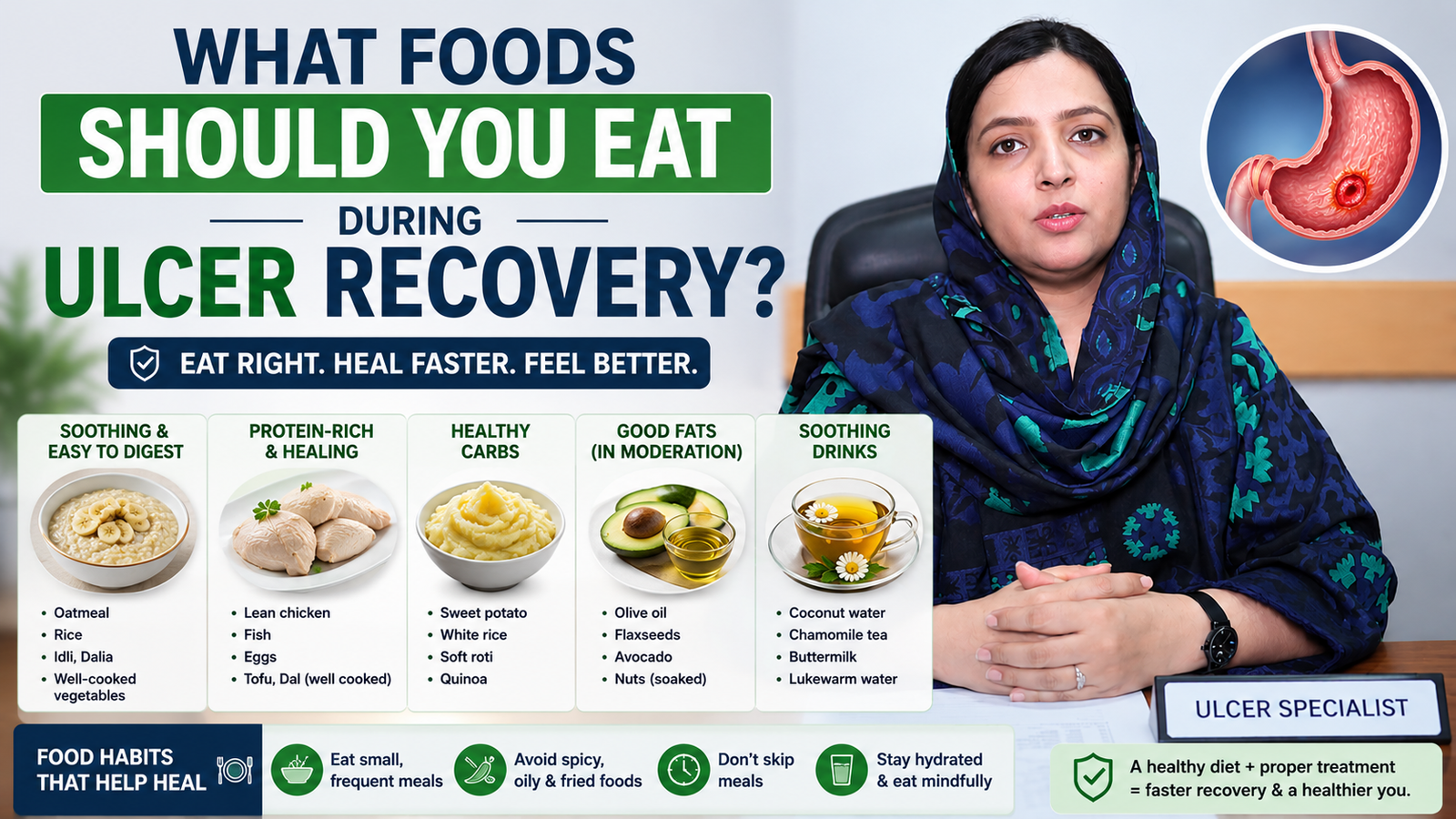
Diet plays an important role in digestive health.
Foods that may support recovery include:
- Fresh fruits
- Vegetables
- Whole grains
- Lean proteins
- Yogurt
- Oatmeal
- Rice
Patients should also maintain adequate hydration.
Eating balanced meals may help reduce digestive discomfort during recovery.
Which Foods Can Worsen Ulcer Symptoms?
Certain foods may aggravate symptoms in some individuals.
Common triggers include:
- Very spicy foods
- Fried foods
- Excess caffeine
- Carbonated beverages
- Excess alcohol
- Highly processed foods
Patients often benefit from identifying and avoiding personal dietary triggers.
How Can You Prevent Ulcers From Returning?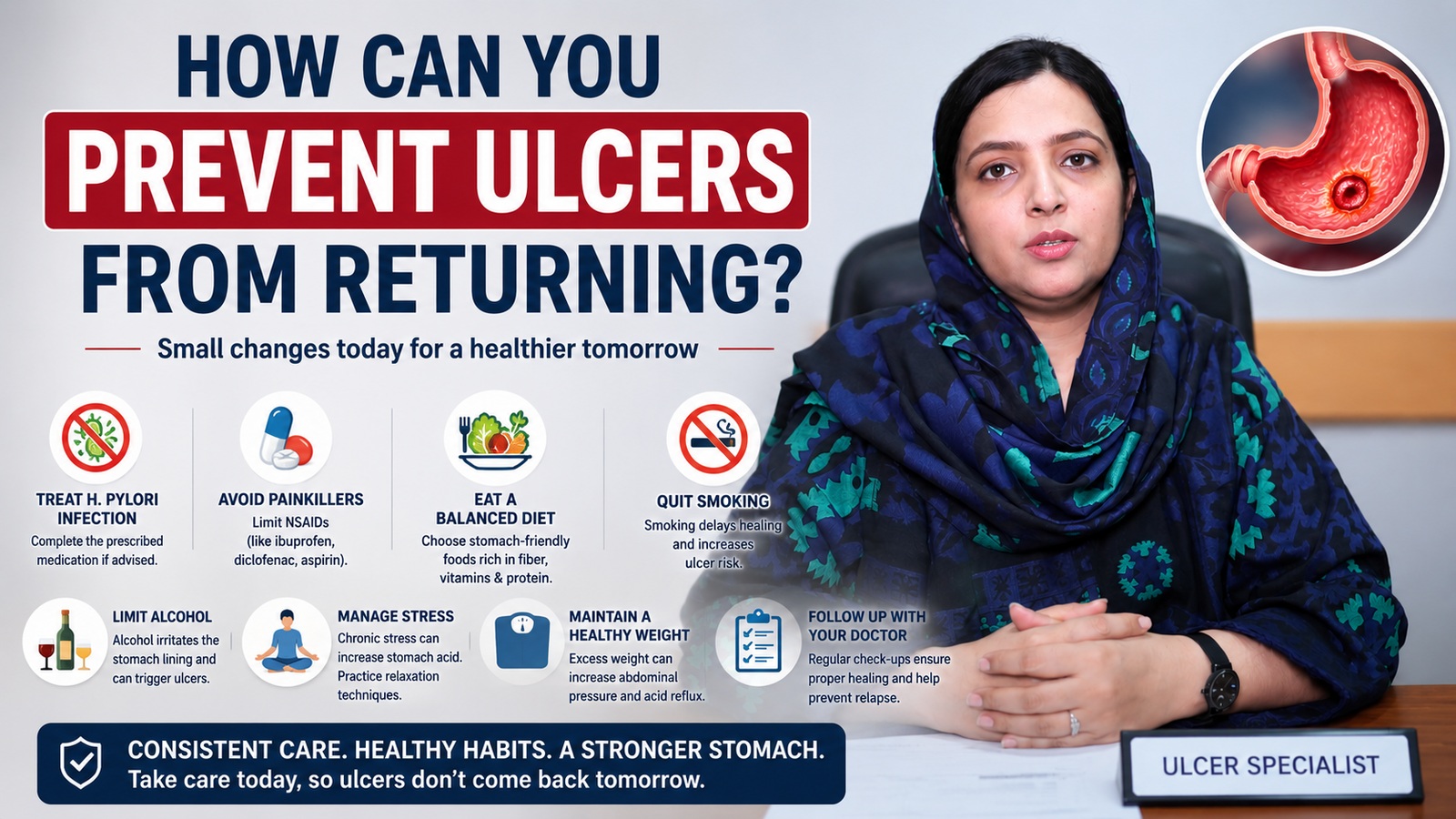
Prevention strategies help reduce future ulcer risk.
Follow Medical Advice
Complete all prescribed treatments even if symptoms improve.
Avoid Unnecessary Pain Relievers
Use medications responsibly and consult healthcare professionals when needed.
Stop Smoking
Smoking significantly increases ulcer risk and delays healing.
Maintain Healthy Eating Habits
Nutritious foods support digestive health and overall wellbeing.
Manage Stress
Healthy stress management techniques may improve digestive function.
Attend Follow Up Visits
Regular evaluations help ensure successful long term recovery.
These preventive measures support digestive wellness and reduce recurrence.
When Should You Seek Emergency Medical Care?
Certain symptoms require immediate medical attention.
Seek urgent care if you experience:
- Vomiting blood
- Black stools
- Severe abdominal pain
- Fainting
- Difficulty breathing
- Sudden weakness
These symptoms may indicate serious ulcer complications that require prompt treatment.
Why Is Early Diagnosis So Important?
Early diagnosis allows healthcare professionals to:
- Begin treatment sooner
- Reduce complications
- Improve healing outcomes
- Prevent disease progression
- Improve quality of life
Ignoring symptoms often increases the risk of more serious health problems.
An experienced ulcer specialist doctor can help identify concerns before complications develop.
FAQs
What type of doctor treats stomach ulcers?
A gastroenterology specialist typically diagnoses and treats stomach ulcers and other digestive disorders.
Can stress alone cause an ulcer?
Stress may worsen symptoms, but bacterial infection and certain medications are more common causes of ulcers.
How long does an ulcer take to heal?
Healing time varies depending on the cause and treatment, but many ulcers improve within several weeks of proper care.
Is endoscopy necessary for ulcer diagnosis?
Endoscopy is one of the most accurate methods for diagnosing ulcers and evaluating digestive tract health.
Can ulcers return after treatment?
Yes. Ulcers can recur if the underlying cause is not fully addressed or if preventive measures are not followed.
Conclusion
Digestive discomfort should never be ignored, especially when symptoms persist or worsen over time.
Stomach ulcers can significantly affect daily life and may lead to serious complications if left untreated.
An ulcer specialist doctor can accurately diagnose the condition, identify the underlying cause, and provide effective treatment that promotes healing and long term digestive health.
If you experience ongoing stomach pain, nausea, bloating, or other digestive concerns, seeking professional medical advice is one of the most important steps you can take for your wellbeing.