

What Is Viral Fever?
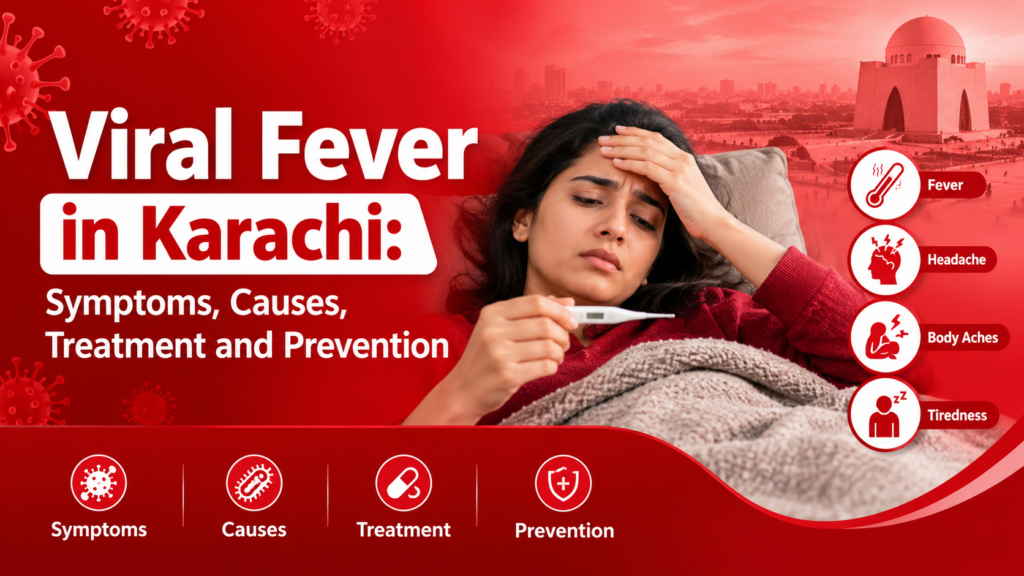
Viral fever is a fever that occurs due to a viral infection. It is not a disease but a symptom that can be associated with multiple infections. Fever can last for a few days, depending on the virus and the health of the person.
There are some viral infections that may get better with rest and supportive care. Others, such as dengue, can escalate to a serious problem that requires close medical surveillance. Symptoms do not always provide enough information to determine the exact cause.
Why Is Viral Fever a Concern in Karachi?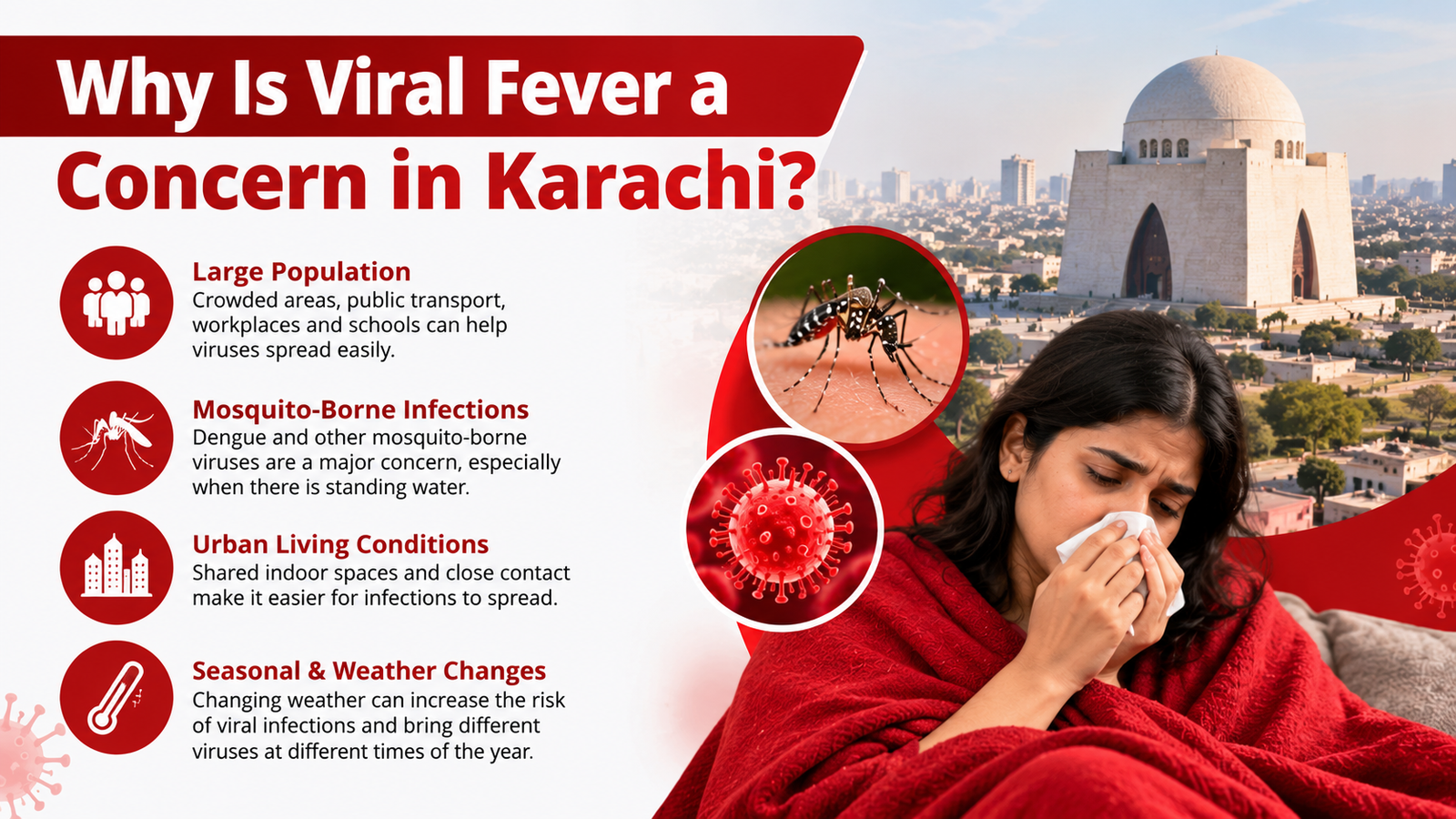
The large population, the busy and overcrowded public transport, workplaces, schools, and common indoor places can make it easier for some respiratory viruses to spread in Karachi. Standing water also means that mosquitoes can breed, so an additional worry is mosquito-borne infections like dengue.
The outbreak of a virus isn’t confirmed by the weather. Those with a temperature should be alert to their symptoms and adhere to current guidance from health care and local health professionals.
Body aches, fever, headache, or weakness can be caused by several things. Rather than taking a chance on a universal illness, it’s better to receive a proper medical evaluation.
What Are the Common Symptoms of Viral Fever?
Depending on the virus, viral fever may lead to various symptoms. Common symptoms include:
- Raised body temperature or chills.
- Headache and body aches.
- Pain in muscles or joints.
- Tiredness and weakness.
- A sore throat, cough, or runny nose.
- Reduced appetite.
- Sweating and discomfort.
- Occasional vomiting or nausea.
Some may only have mild symptoms; others may be so weak that they cannot do normal activity. Severe body aches, pain behind the eyes, or rash can be seen with dengue, while respiratory symptoms can indicate an infection like flu or COVID-19. However, these patterns are not enough to confirm a diagnosis.
If the fever is not falling, worsens, or if there are any concerning symptoms, seek medical advice.
What Causes Viral Fever in Karachi?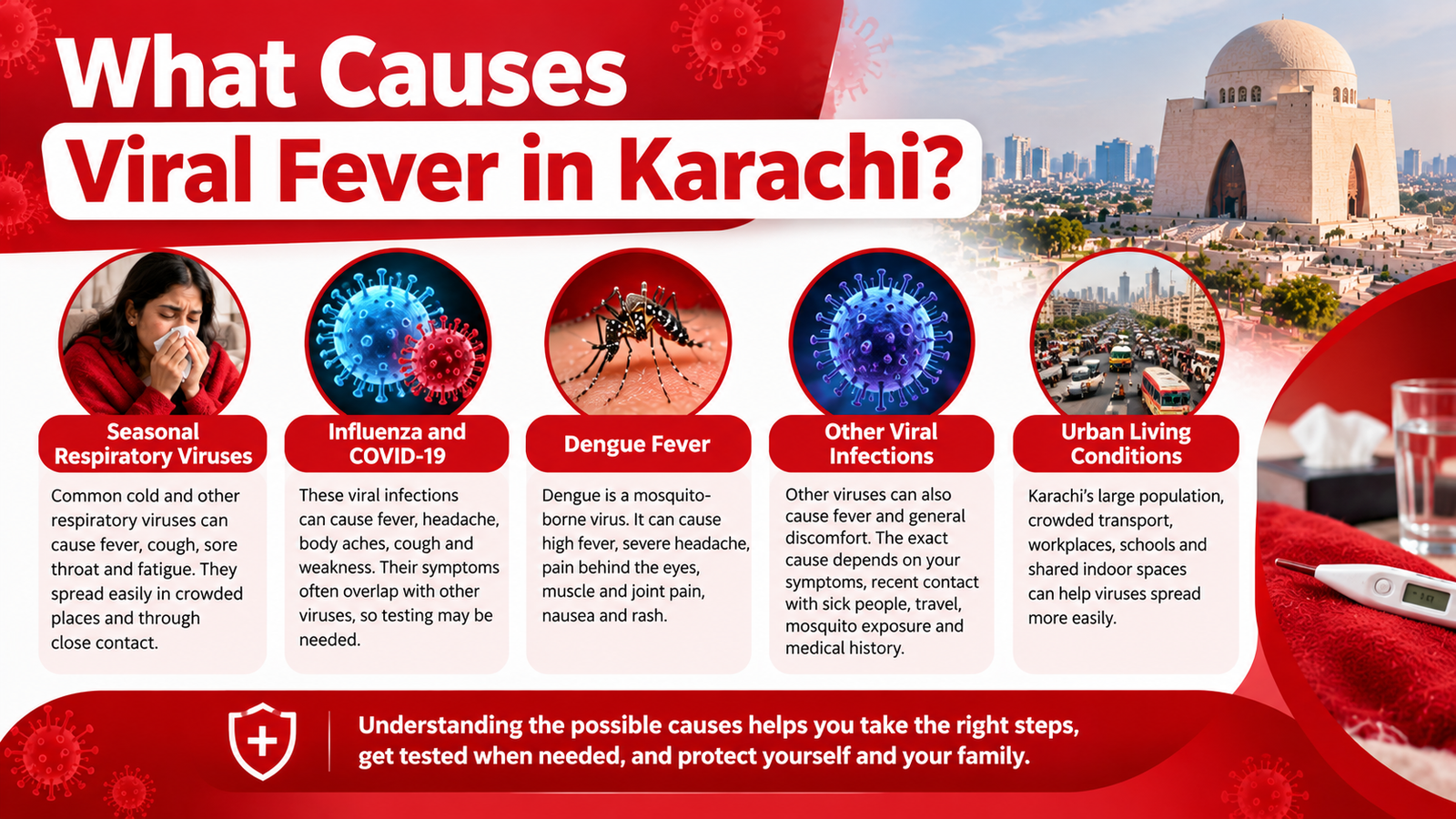
There are several types of infections that can cause fever in Karachi. Knowing the potential causes can give you an idea that a medical evaluation could be warranted.
1. Seasonal Respiratory Viruses
Common cold viruses can lead to symptoms such as fever, cough, sore throat, congestion, and fatigue. The spread of these infections is frequently by respiratory particles and close contact with an infected individual.
For mild infections, rest, fluids and symptom control might be all that is required. Those who are at a higher risk of being at risk may require early medical advice.
2. Influenza and COVID-19
Headache, body ache, cough, weakness, and fever can occur as a result of influenza and COVID-19. Symptoms may be similar to those of other respiratory infections and may not always differentiate them.
Testing might be suggested based on symptoms, exposure history, risk factors, and treatment options.
3. Dengue Fever
Dengue is a virus spread by mosquitoes. It may lead to high fever, severe headache, pain behind the eyes, muscle and joint pain, nausea, and skin rash.
Dengue requires special care because it can get serious even after the fever has subsided. People who are suspected to have dengue should consult a doctor and monitor them for signs of complications. Dengue is not a new disease. Dengue is not a new disease, according to the World Health Organization.
4. Other Viral Infections
Additional viruses can also lead to fever and an overall “feeling bad”. It is likely to depend on the person’s symptoms, exposure to sick individuals, travel, exposure to mosquitoes, and medical history.
If symptoms do not match a common type of respiratory infection, or the patient is not getting better, a doctor may want to consider other infections.
How Is Viral Fever Diagnosed?
Viral fever is typically diagnosed by history, physical exam, and, if needed, lab tests. A healthcare worker might ask about the onset of the fever, how high it has been, if it is becoming more severe, and if the individual has been taking any medication.
The diagnosis is made by testing depending on the suspected cause. When clinically indicated, a blood test for dengue or other tests may be ordered. Influenza or COVID-19 may be suspected, and respiratory testing may be considered.
Not all of the tests are necessary in all patients. Treatment depends on the symptoms, the stage of the disease, and risk factors. Don’t take the test result as a standalone diagnosis; talk to a qualified health care professional.
What Is the Treatment for Viral Fever?
Treatment will vary depending on the virus causing the sickness. While most viral infections respond to supportive treatment, certain infections need treatment or monitoring.
Rest and Hydration
Rest allows the body to recover. Consume water frequently, and use oral rehydration solution as appropriate, especially in situations where sweating or vomiting may lead to dehydration.
Feed small, healthy meals, if possible. Avoid pressuring the patient if they are not eating well, but observe fluid intake and urine output.
Fever Management
Paracetamol can be used to relieve fever and discomfort following the instructions listed on the packaging or as recommended by a health care professional. The proper dose is dependent on other medications, medical conditions, age, and weight.
Unless advised by a qualified clinician, do not take aspirin or ibuprofen when dengue is a possibility, as these drugs may increase the risk of bleeding in dengue. Never prescribe a course of antibiotics without medical advice; antibiotics are not effective in treating viral infections.
Medical Treatment
Antiviral medications can be used for some viral infections, if administered at the right time. Not all viruses are affected by these medicines, nor do they work for all patients.
Testing, antiviral treatment, monitoring, or other treatment can be recommended by a doctor. Never use unused prescription drugs or another person’s unused drugs.
Viral Fever vs. Dengue vs. Flu
The symptoms of different infections often overlap. This comparison can help you understand the general patterns, but it cannot replace a medical examination.
Feature | General viral illness | Dengue fever | Influenza |
Fever | May occur | Often high | Often sudden and high |
Body aches | Common | Can be severe | Common |
Headache | Possible | Often prominent | Common |
Cough or sore throat | May occur | Not usually the main feature | Common |
Pain behind the eyes | Less characteristic | Can occur | Less characteristic |
Rash | Sometimes | Can occur | Less typical |
Main concern | Depends on the virus | Bleeding or other severe complications | Respiratory complications in higher-risk patients |
Symptoms are not enough to establish which illness a person has. Testing and clinical assessment may be needed.
When Should You See a Doctor for Viral Fever in Karachi?
If the fever is not coming down, if it comes back after it goes down, or if it is accompanied by increased pain or vomiting that doesn’t go away, or if the person has less fluid intake.
Immediately seek medical evaluation if the patient is an infant, older adult, pregnant, immunocompromised, or has a serious long-term health condition. Groups may require earlier evaluations.
If fever is accompanied by any of the following, seek medical attention right away:
- Breathing problems, confusion, dizziness, or trouble waking.
- Abdominal pain or vomiting that does not go away.
- Nosebleeds or bleeding gums, blood in vomit, or blood in stool.
- Chills or cold, clammy skin, extreme weakness, or severe dehydration.
- Seizures, very stiff neck and severe headache, or the condition getting worse quickly.
Dengue warning signs may start to occur once the fever starts to come down. But lower temperatures are not necessarily signs of a patient’s recovery. The Centers for Disease Control and Prevention provide a list of warning signs and treatment for Dengue.
How Can You Prevent Viral Fever?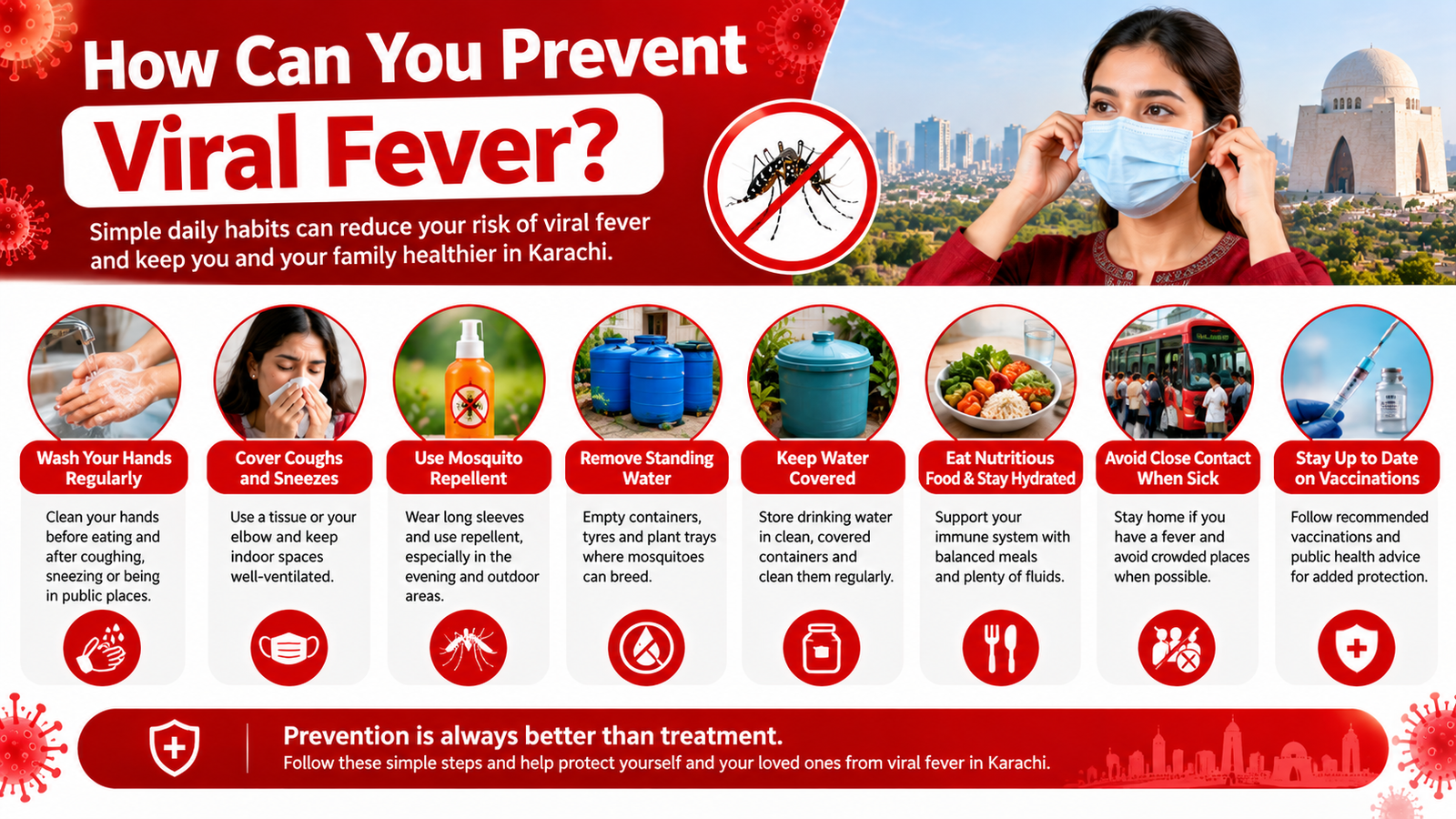
The steps taken to prevent the infection will vary according to the means of transmission. Washing hands and keeping away from people who are sick can help prevent the transmission of many respiratory illnesses. Control of the mosquito is particularly vital in the fight against Dengue.
In Karachi, real-time prevention measures include:
- Regularly wash your hands, especially before eating or after coughing or sneezing.
- Cover your mouth and nose when you cough and sneeze, and increase indoor space ventilation.
- Ensure distancing from others as long as you have a fever and follow the correct infection control guidance.
- Wear mosquito repellent and, as much as possible, wear clothing that covers your arms and legs.
- Drain all standing water from containers and tyres, plant trays, and other mosquito breeding areas.
- Regularly clean and cover water containers.
- Adhere to recommended vaccination and up-to-date public health advice as appropriate.
The World Health Organization (WHO) suggests that the best ways to prevent dengue are to minimise exposure to the mosquito and to eliminate mosquito breeding areas. Guidance for the prevention of dengue, from the WHO.
Common Mistakes to Avoid During Viral Fever
While many people will aim to treat the fever at home, there are some common pitfalls that can cause them to delay the right treatment.
An easy mistake to make is to believe that all of these fevers are due to seasonal viruses. When symptoms are concerning, it is important that the correct assessment is done, as initial infections may appear to be the same as Dengue.
The other error is self-prescribed medication with antibiotics. Some infections are bacterial; others are not. Antibiotics are for bacterial infections. The unnecessary use may result in side effects and lead to antibiotic resistance.
It is also possible for people to cease paying attention to their symptoms when it gets cooler. This can be dangerous if dengue is suspected, as the signs and symptoms can manifest when the fever is either subsiding or low.
Lastly, don’t mix several medicines without checking the ingredients. Some cold and flu medications contain the same active ingredient and could be accidentally overdosed.