

Viral fever symptoms are among the most common health concerns affecting people of all ages.
A viral fever develops when the body’s immune system responds to a viral infection by raising the body temperature.
While many viral fevers are mild and improve with rest, some may indicate a more serious infection that requires medical care.
People often mistake viral fever for bacterial infections because many symptoms appear similar during the early stages.
However, identifying the common signs of viral fever can help you take the right steps, avoid unnecessary antibiotics, and recover more comfortably.
In cities like Karachi, seasonal weather changes, crowded public places, and viral outbreaks can increase the number of people experiencing viral infections each year.
This comprehensive guide explains the causes, viral fever symptoms, diagnosis, treatment options, recovery timeline, and practical expert advice.
It also highlights when it is important to seek medical attention and how to reduce the risk of spreading viral infections within your family and community.
What Is Viral Fever?
Viral fever is a condition in which a virus causes the body’s temperature to rise above the normal range.
Fever is not a disease itself. Instead, it is the body’s natural defense mechanism against viruses.
Many viruses can trigger fever, including influenza viruses, adenoviruses, rhinoviruses, dengue virus, coronavirus, respiratory syncytial virus (RSV), and several others. Depending on the virus involved, symptoms may affect the respiratory system, digestive system, skin, or the entire body.
Most viral fevers improve within a few days with supportive care.
However, certain viral infections require close monitoring, especially in young children, older adults, pregnant women, and individuals with weakened immune systems.
Why Viral Fever Matters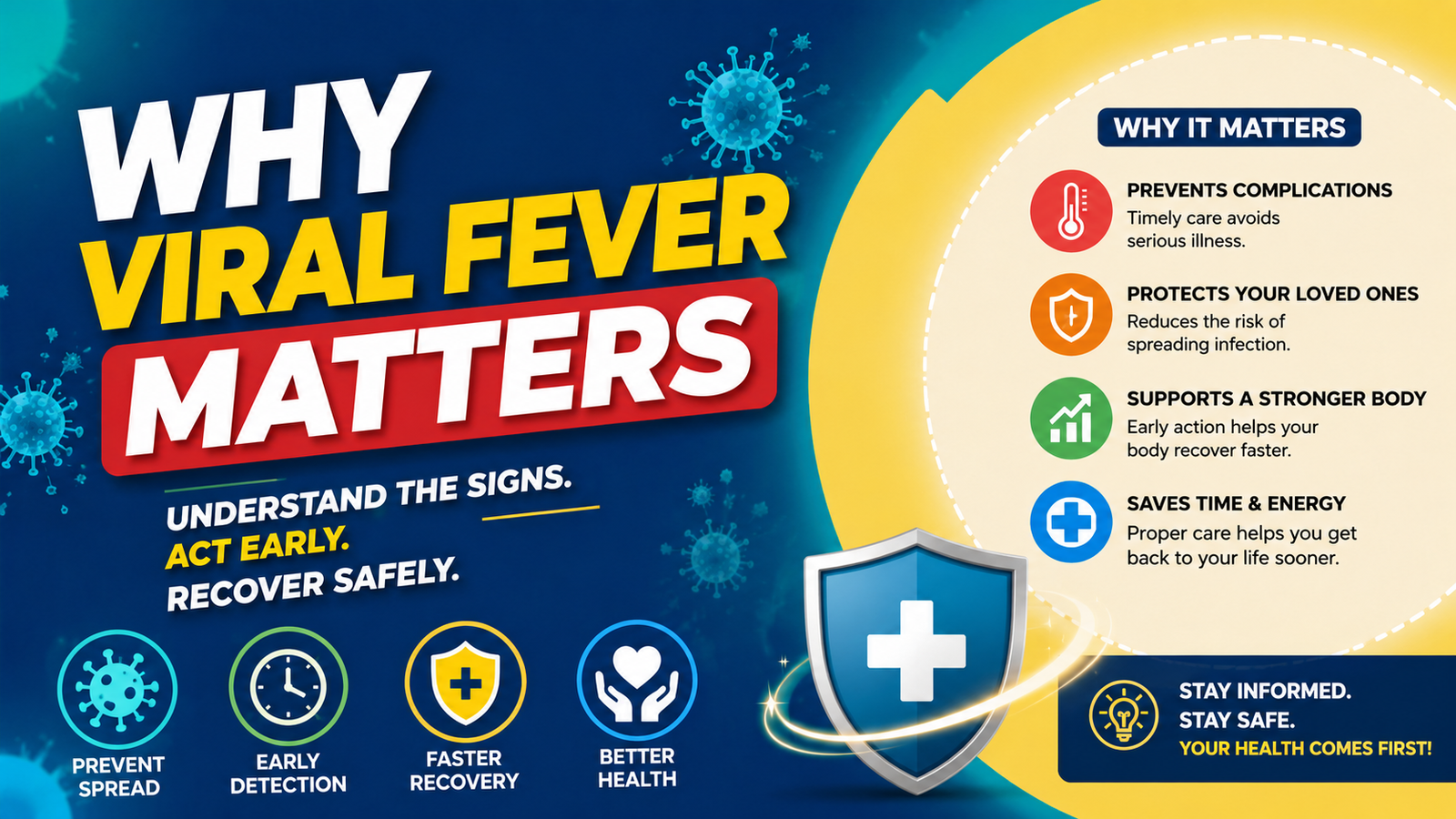
A fever caused by a virus may appear harmless at first, but ignoring persistent or severe symptoms can delay proper medical care.
Early identification helps reduce complications and prevents unnecessary use of antibiotics, which are ineffective against viruses.
Recognizing the difference between mild viral illness and a potentially dangerous infection allows families to make informed healthcare decisions.
In Karachi, where seasonal viral illnesses often spread rapidly during monsoon and winter months, awareness plays an important role in reducing community transmission.
Common Causes of Viral Fever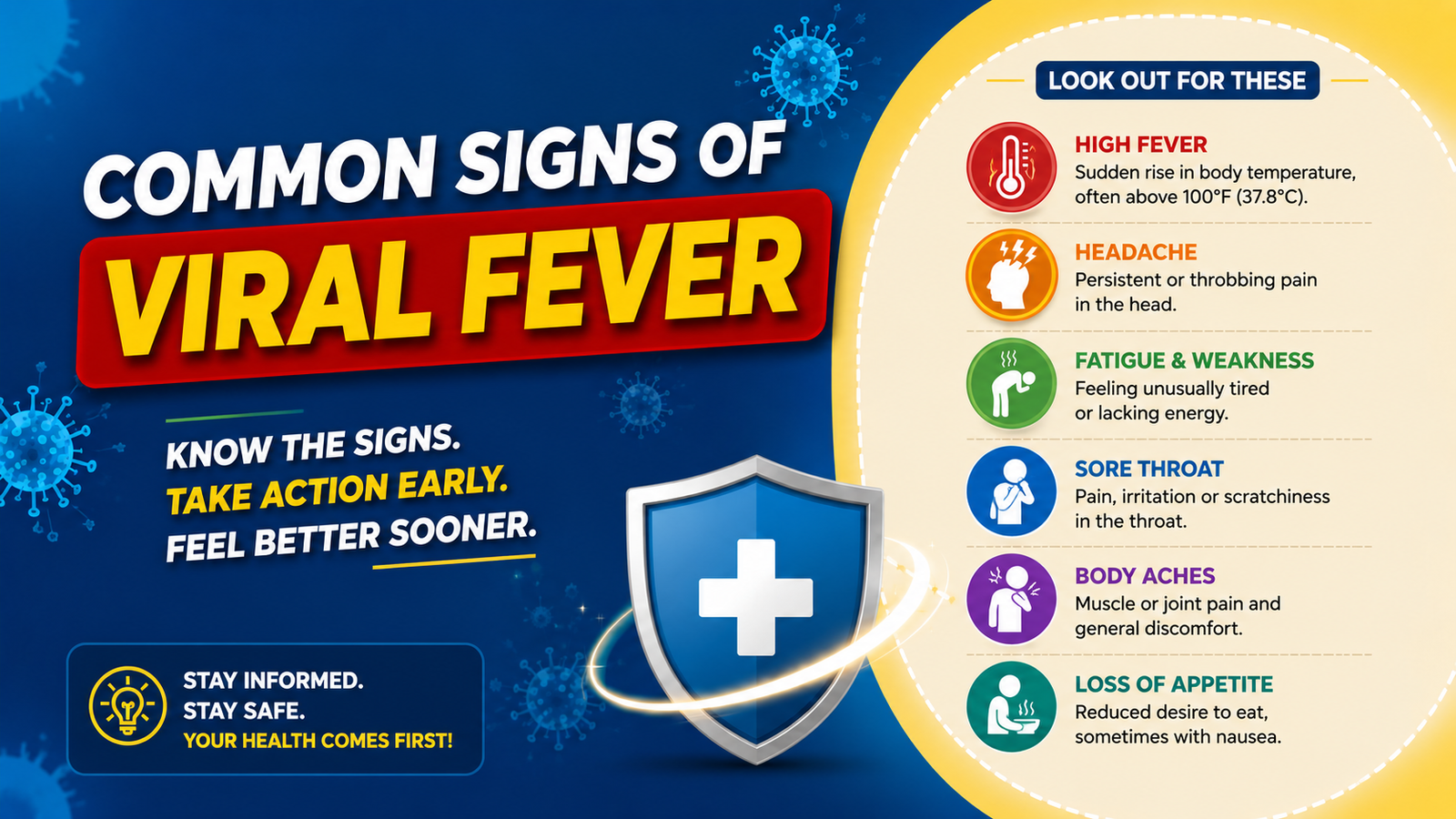
Viruses spread through respiratory droplets, contaminated surfaces, direct contact, food, water, or insect bites, depending on the specific virus.
Some of the most common causes include:
- Influenza (seasonal flu)
- Common cold viruses
- COVID-19
- Dengue fever
- Viral gastroenteritis
- RSV infection
- Measles
- Chickenpox
- Hand, Foot, and Mouth Disease
- Viral hepatitis in certain cases
The exact symptoms depend on the virus, the person’s age, immune response, and existing medical conditions.
Viral Fever Symptoms
The severity of viral fever symptoms varies from one person to another.
Some people experience only mild fatigue and fever, while others develop multiple symptoms affecting different body systems.
Most viral infections begin gradually before reaching their peak over the next one to three days.
Early Symptoms of Viral Fever
The earliest signs often resemble the common cold or seasonal flu.
Many people initially feel tired before developing a noticeable fever.
Common early symptoms include:
- Mild fever
- General weakness
- Body discomfort
- Loss of energy
- Reduced appetite
- Mild headache
Early recognition allows individuals to rest sooner, stay hydrated, and reduce exposure to others.
Common Signs of Viral Fever
- High fever due to viral infection, often between 100.4°F and 104°F
- Fever with chills, symptoms, and occasional shivering
- Body aches and viral fever affecting muscles and joints
- Headache and viral fever occur together during the first few days
- Sore throat and viral fever caused by respiratory viruses
- Cough and viral fever, ranging from mild irritation to persistent coughing
- Fatigue caused by viral fever that limits normal daily activities
- Muscle pain and viral infection resulting in generalized soreness
- Nasal congestion or a runny nose
- Sweating as body temperature begins to return to normal
These symptoms may appear individually or in combination, depending on the specific viral infection.
How Viral Fever Affects Different Parts of the Body
A virus may target one organ system or several systems simultaneously.
Respiratory viruses commonly produce cough, sore throat, nasal congestion, sneezing, and breathing discomfort.
Digestive viruses may lead to nausea, vomiting, diarrhea, abdominal cramps, and dehydration.
Certain viruses cause skin rashes, swollen lymph nodes, or red eyes, while others mainly produce muscle pain and prolonged fatigue.
Because symptoms overlap between different viral infections, healthcare providers often evaluate the complete clinical picture rather than relying on fever alone.
Why Symptoms Differ Between Individuals
Not everyone experiences viral fever in the same way.
Several factors influence symptom severity, including age, immune function, vaccination status, nutritional health, and the specific virus responsible.
For example, a healthy adult may recover within a few days, while an elderly individual with chronic illnesses may experience prolonged fatigue and a higher risk of complications.
Children often develop higher temperatures than adults, whereas older adults sometimes have only a mild fever despite having a significant infection.
Practical Example
Imagine two coworkers exposed to the same influenza virus.
One develops only mild fever, sore throat, and tiredness before recovering after four days.
The second experiences high fever, severe muscle pain, chills, persistent cough, and dehydration, requiring evaluation by a general physician.
Although both infections originated from the same virus, their immune responses differ significantly.
This example shows why symptoms should always be evaluated based on their severity rather than comparing them with someone else’s illness.
When Symptoms May Suggest a More Serious Infection
Although most viral fevers improve without complications, some warning signs require prompt medical assessment.
Persistent high fever, difficulty breathing, confusion, severe dehydration, chest pain, repeated vomiting, or reduced consciousness should never be ignored.
People experiencing viral fever symptoms in Karachi during seasonal outbreaks should also consider timely medical evaluation if symptoms worsen instead of improving over several days.
Viral Fever Diagnosis
A healthcare provider diagnoses viral fever by reviewing your symptoms, medical history, travel history, recent exposure to sick individuals, and performing a physical examination.
In many uncomplicated cases, laboratory tests are not necessary because the illness resolves on its own with supportive care.
However, if symptoms are severe, persistent, or unusual, additional tests may help identify the underlying cause.
These may include blood tests, rapid influenza testing, COVID-19 testing, dengue screening, urine analysis, chest X-rays, or other investigations, depending on the suspected infection.
For people seeking viral fever diagnosis in Karachi, a qualified general physician for viral fever Karachi can determine whether the illness is viral, bacterial, or caused by another medical condition.
Early diagnosis also helps avoid unnecessary antibiotic use and ensures appropriate treatment.
Difference Between Viral and Bacterial Fever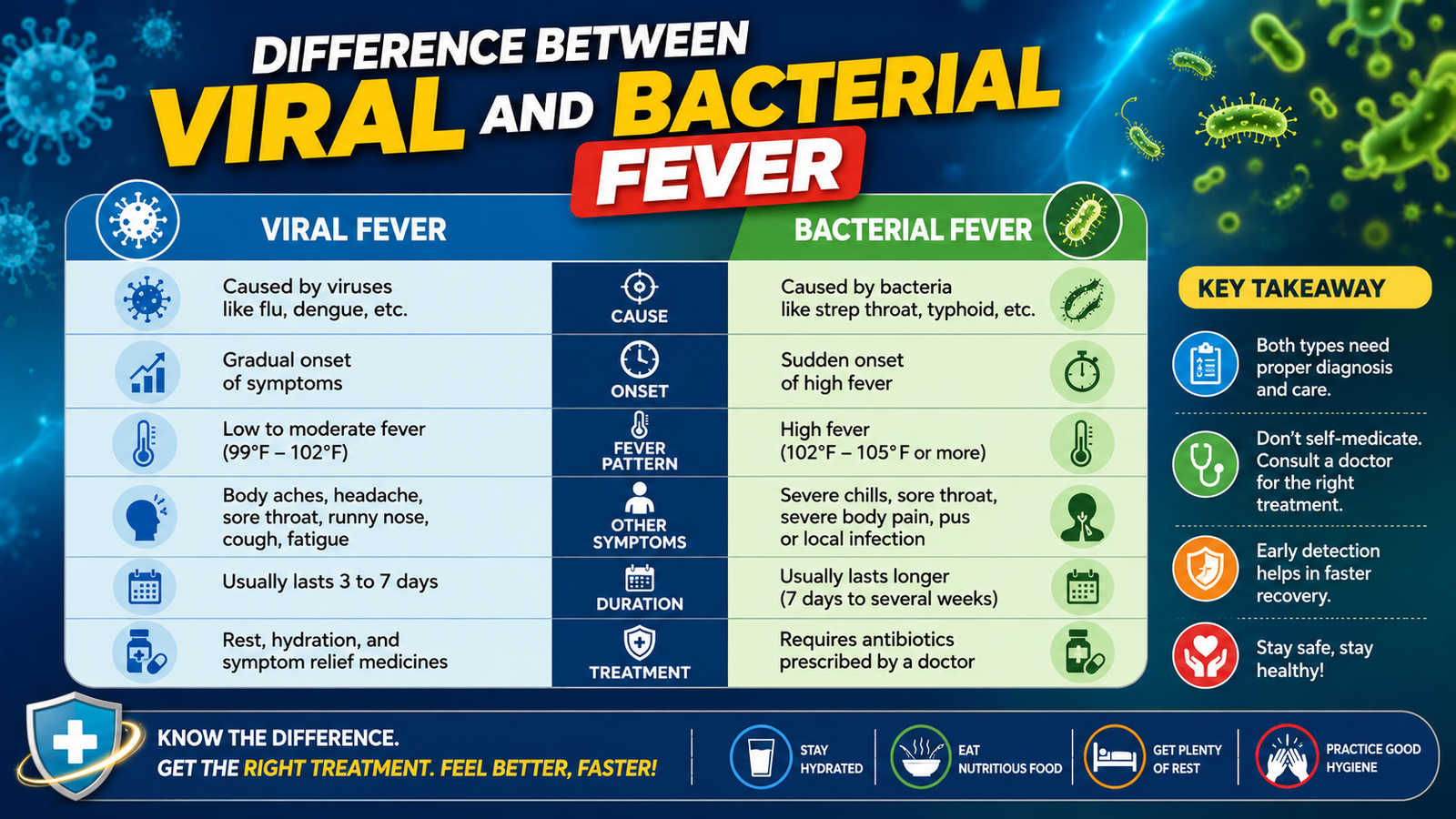
Many people confuse viral and bacterial infections because both can cause fever, body aches, and fatigue.
Despite these similarities, there are important differences that influence treatment decisions.
Feature | Viral Fever | Bacterial Fever |
Cause | Viruses | Bacteria |
Onset | Often gradual | May be sudden or gradual |
Fever Duration | Usually 3–7 days | Often persists until treated |
Antibiotics | Not effective | Often required when prescribed by a doctor |
Treatment | Rest, hydration, fever control, supportive care | Antibiotics plus supportive care when appropriate |
Examples | Influenza, COVID-19, dengue, common cold | Strep throat, bacterial pneumonia, urinary tract infection |
Doctors evaluate symptoms, examination findings, and diagnostic tests before deciding whether antibiotics are necessary.
Self-medicating with antibiotics for viral infections can contribute to antibiotic resistance and should be avoided.
Viral Fever Treatment
There is no single medicine that cures every viral infection.
Treatment focuses on relieving symptoms while the immune system fights the virus.
The exact treatment depends on the virus, symptom severity, age, and overall health.
Some viral illnesses have specific antiviral medications, while many require only supportive care.
Home Care During Viral Fever
Rest is one of the most effective ways to support recovery.
The body needs extra energy to fight infection.
Drink plenty of water, oral rehydration solutions, soups, and fresh fluids to replace water lost through sweating and fever.
Proper hydration also helps reduce fatigue and supports normal body functions.
Eat light, nutritious meals even if your appetite is reduced. Fruits, vegetables, lean proteins, and warm soups provide nutrients that assist recovery.
Take fever-reducing medicines only as recommended by a healthcare professional.
Never exceed the prescribed dosage.
Avoid strenuous exercise until the fever has completely resolved and energy levels have returned.
How Long Does Viral Fever Last?
One of the most common questions patients ask is, “How long does viral fever last?”
Most uncomplicated viral fevers improve within three to seven days. Some symptoms, such as cough or tiredness, may continue for another week even after the fever disappears.
Recovery time depends on several factors, including:
- The type of virus
- Age of the patient
- Strength of the immune system
- Existing chronic illnesses
- Quality of rest and hydration
- Presence of complications
A lingering cough after influenza or COVID-19 may continue for several weeks, even though the infection itself has resolved.
Viral Fever in Adults
Adults often experience high fever, muscle pain, chills, headaches, sore throat, cough, and significant fatigue.
Many adults continue working despite feeling ill, which can delay recovery and increase the spread of infection.
Older adults may not always develop a high temperature.
Instead, they may experience weakness, confusion, dizziness, poor appetite, or increased sleepiness.
These symptoms deserve prompt medical evaluation.
People with diabetes, heart disease, kidney disease, or weakened immunity should seek medical advice earlier because they have a greater risk of complications.
Viral Fever in Children
Children commonly develop higher fevers than adults because their immune systems react differently to infections.
Parents should monitor hydration carefully.
Signs of dehydration include dry lips, reduced urination, sunken eyes, excessive sleepiness, and crying without tears.
Infants younger than three months who develop a fever should receive immediate medical assessment.
Young children with seizures, breathing difficulty, persistent vomiting, or unusual drowsiness also require urgent medical attention.
Parents should never give medicines without following age-appropriate medical advice.
Expert Tips for Faster Recovery from Viral Fever
- Stay hydrated throughout the day with water, soups, and electrolyte solutions.
- Rest adequately instead of returning to work or school too early.
- Monitor body temperature regularly if the fever is high.
- Eat balanced meals even when your appetite is reduced.
- Wash your hands frequently to reduce virus transmission.
- Cover your mouth and nose while coughing or sneezing.
- Keep frequently touched surfaces clean.
- Avoid sharing towels, utensils, or drinking glasses with others.
- Follow your doctor’s instructions if symptoms worsen or persist.
When to See a Doctor for Viral Fever
Most viral fevers improve without complications, but some situations require medical evaluation.
Seek medical care if the fever lasts longer than three to five days without improvement, repeatedly exceeds 103°F (39.4°C), or returns after initially improving.
Immediate medical attention is necessary if you experience difficulty breathing, severe chest pain, confusion, persistent vomiting, seizures, severe dehydration, bluish lips, or loss of consciousness.
Preventing Viral Fever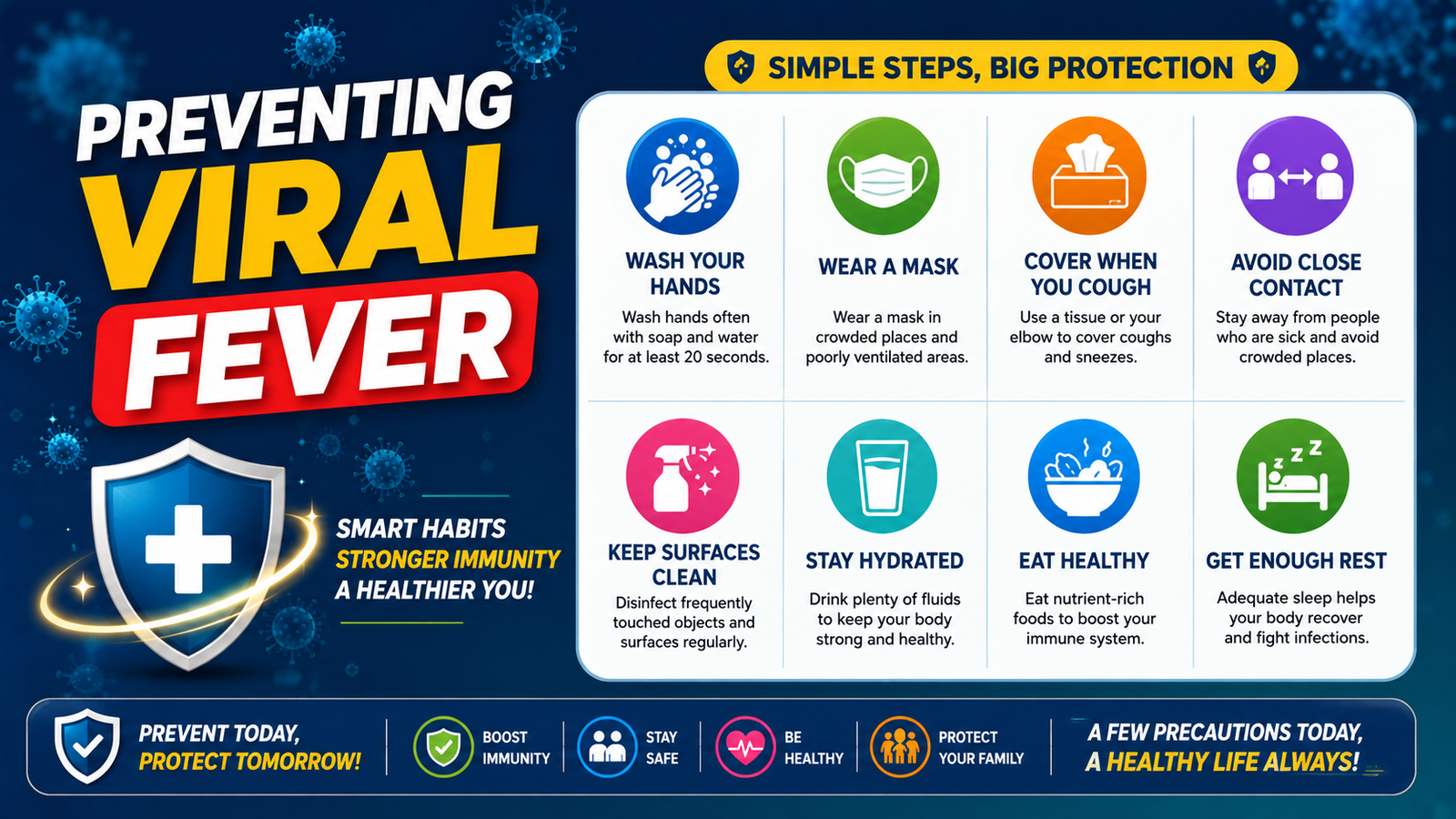
Prevention remains the most effective strategy for reducing viral infections.
Good hygiene and healthy daily habits significantly lower the risk of illness.
Wash your hands regularly with soap and water, especially before eating and after visiting public places.
Avoid close contact with people who are visibly ill whenever possible.
Maintain a balanced diet, sleep adequately, exercise regularly, and stay current with recommended vaccinations.
During seasonal outbreaks, wearing a mask in crowded settings and practicing respiratory hygiene can also help reduce transmission.
Frequently Asked Questions
What are the first viral fever symptoms?
Early viral fever symptoms usually include mild fever, fatigue, headache, body aches, reduced appetite, and weakness.
As the infection progresses, chills, sore throat, cough, and muscle pain may also develop.
How long does viral fever usually last?
Most uncomplicated viral fevers last between three and seven days.
Some symptoms, such as fatigue or cough, may continue for another week even after the fever has resolved.
Can antibiotics cure viral fever?
No. Antibiotics work only against bacterial infections and do not treat viral illnesses.
Taking antibiotics without medical advice can contribute to antibiotic resistance and may cause unnecessary side effects.
When should I see a doctor for viral fever?
You should consult a doctor if your fever lasts longer than three to five days, becomes very high, returns after improving, or is accompanied by difficulty breathing, severe dehydration, persistent vomiting, confusion, seizures, or chest pain. Young children, older adults, pregnant women, and people with chronic medical conditions should seek medical advice sooner.
How can I prevent viral fever?
The best preventive measures include frequent handwashing, maintaining good personal hygiene, eating a balanced diet, getting adequate sleep, staying hydrated, avoiding close contact with sick individuals, keeping vaccinations up to date, and covering your mouth and nose while coughing or sneezing.
Conclusion
Recognizing viral fever symptoms early helps people take the right steps toward recovery and reduces the risk of complications.
Fever, chills, body aches, headache, sore throat, cough, fatigue, and muscle pain are common signs that the body is responding to a viral infection.
While most viral fevers improve within a week with rest, hydration, and supportive care, persistent or severe symptoms should never be ignored.
It is also important to distinguish viral infections from bacterial illnesses because antibiotics do not treat viruses.
A timely medical evaluation ensures an accurate diagnosis and an appropriate treatment plan.
If you or a family member experiences worsening symptoms or belongs to a high-risk group, consult a qualified healthcare professional without delay.
Staying informed, practicing good hygiene, and seeking medical advice when necessary are the best ways to manage viral fever symptoms safely and effectively.