

Abdominal pain is one of the most common reasons people visit a doctor or emergency department.
It can affect people of all ages and may develop suddenly or gradually. Some episodes are harmless and temporary, while others require urgent medical attention.
Understanding the causes of abdominal pain is important because the abdomen contains many vital organs, including the stomach, liver, gallbladder, pancreas, intestines, kidneys, bladder, and reproductive organs.
Pain from any of these structures can feel similar, making professional evaluation important when symptoms persist or worsen.
For people in Karachi and across Pakistan, knowing when abdominal pain is likely to be minor and when it may signal a medical emergency can help prevent complications.
This guide explains common causes, symptoms, diagnosis, treatment options, prevention strategies, and when to consult an experienced physician, such as Dr. Sarwat Asif, who provides patient-focused medical care in Karachi.
Why Does Abdominal Pain Occur?
Abdominal pain develops when organs, muscles, blood vessels, or nerves inside the abdomen become irritated, inflamed, infected, blocked, or injured.
The discomfort may be:
- Sharp or stabbing
- Dull and aching
- Burning
- Cramping
- Intermittent or constant
- Mild, moderate, or severe
The location, duration, and associated symptoms help doctors determine the most likely cause.
Common Causes of Abdominal Pain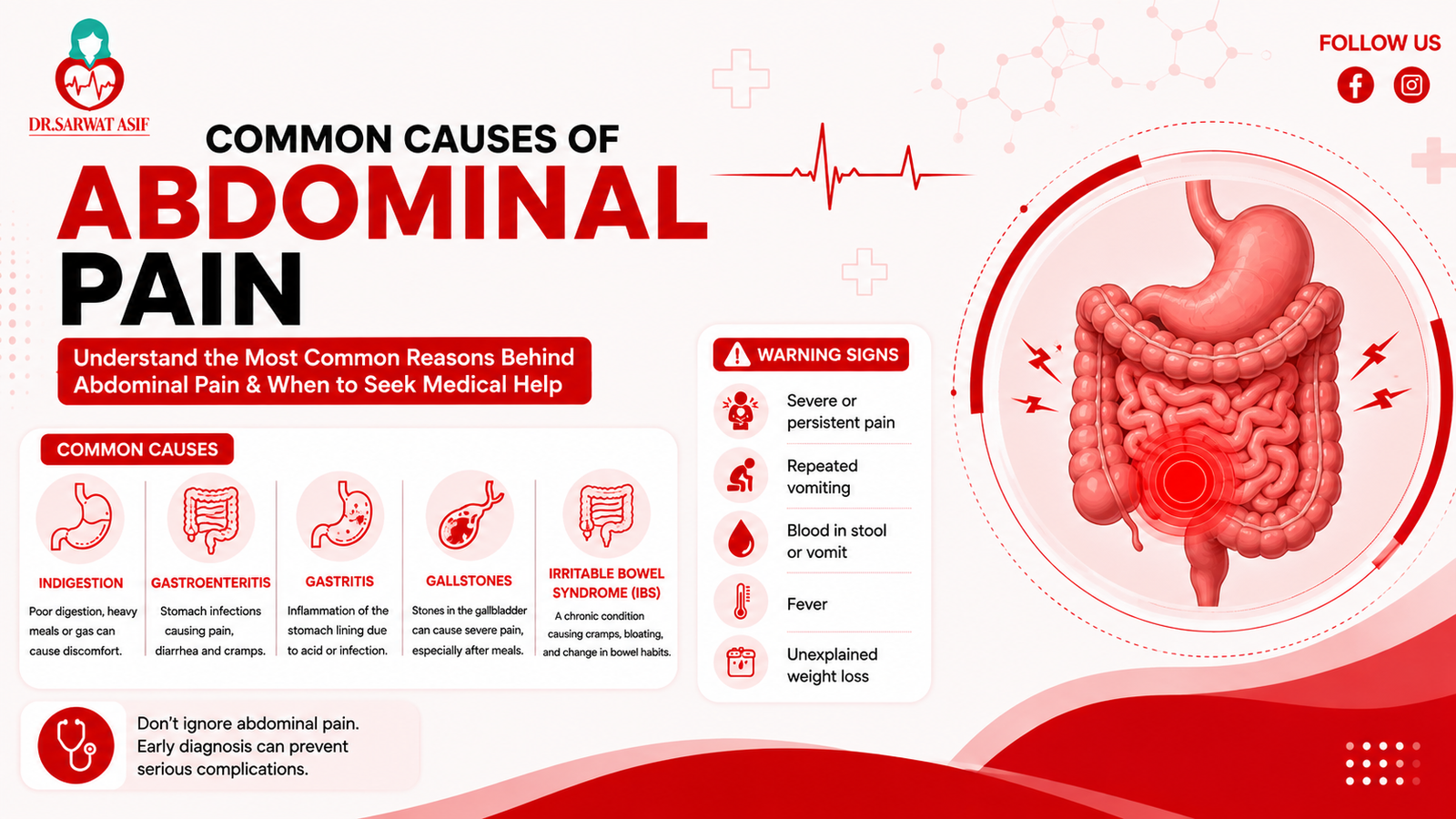
Many different medical conditions can cause abdominal pain. Some are temporary and improve on their own, while others require prompt medical treatment.
Cause | Common Symptoms | What Patients Should Know |
Indigestion | Bloating, fullness, burning sensation | Often related to heavy or spicy meals |
Gas and Constipation | Cramping, abdominal swelling | Usually improves with hydration and dietary changes |
Food Poisoning | Vomiting, diarrhea, stomach cramps | May require medical care if dehydration develops |
Gastroenteritis | Fever, diarrhea, nausea | Often caused by a viral or bacterial infection |
Appendicitis | Pain moving to the lower right abdomen | Requires urgent medical evaluation |
Gallstones | Pain after fatty meals, nausea | May need imaging and specialist treatment |
Kidney Stones | Severe side pain radiating to the groin | Can cause blood in urine and intense discomfort |
Peptic Ulcer | Burning upper abdominal pain | Often related to stomach acid or H. pylori infection |
Causes of Upper Abdominal Pain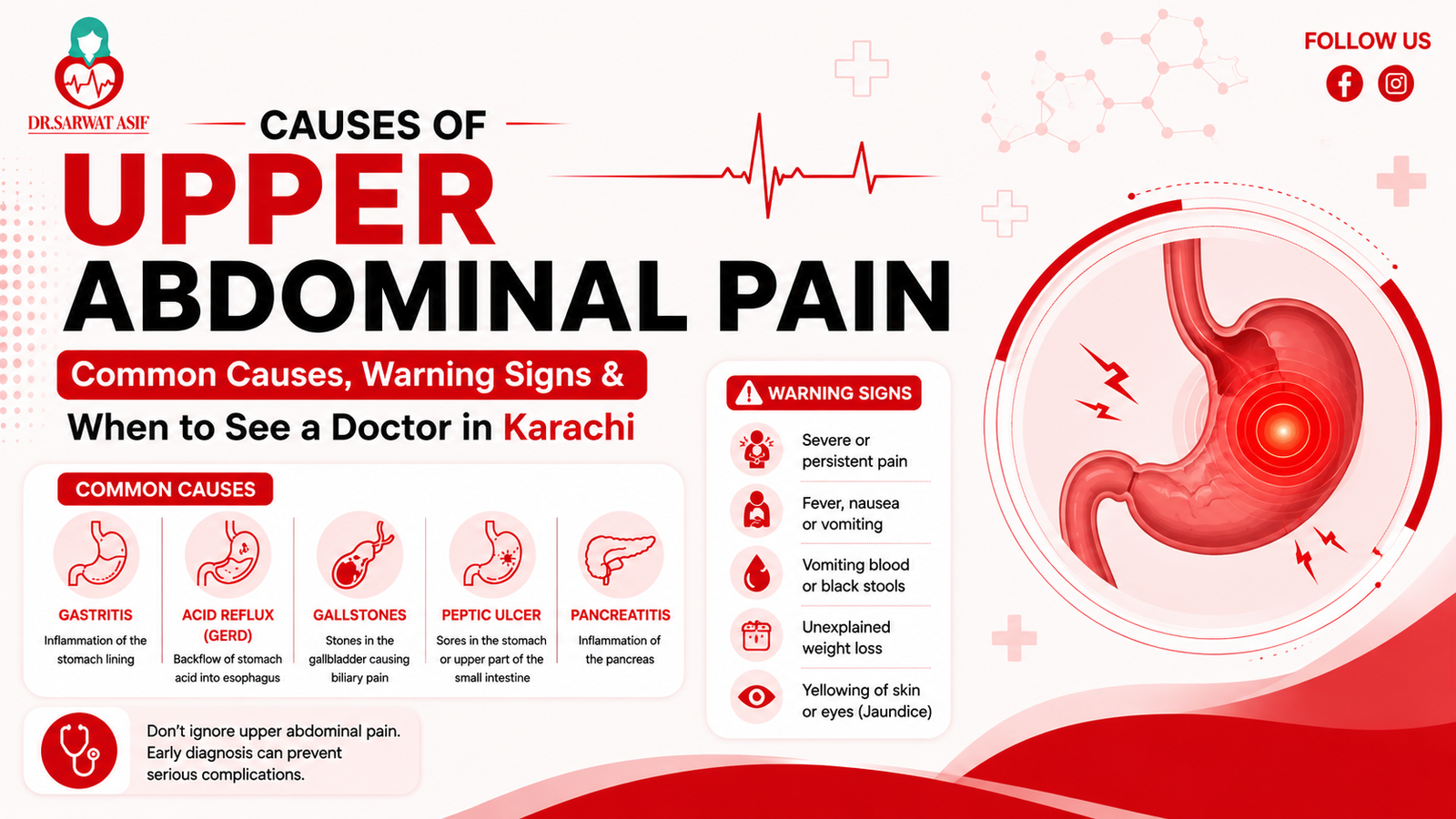
Upper abdominal pain can originate from the stomach, liver, gallbladder, pancreas, or nearby structures.
Indigestion and Acid Reflux
One of the most frequent causes of upper abdominal pain is indigestion. People may experience a burning sensation, bloating, or discomfort after eating large or spicy meals.
Acid reflux occurs when stomach acid flows back into the esophagus, causing heartburn and upper abdominal discomfort. Lifestyle changes and medical treatment may help, depending on the severity.
Gastritis
Gastritis is inflammation of the stomach lining. It may develop due to certain medications, excessive alcohol intake, bacterial infection, or long-term irritation.
Symptoms often include:
- Burning stomach pain
- Nausea
- Vomiting
- Loss of appetite
Peptic Ulcers
Peptic ulcers are sores that develop in the stomach or upper small intestine. The pain often feels like a burning sensation and may worsen when the stomach is empty.
Early diagnosis helps reduce the risk of bleeding or other complications.
Pancreatitis
Inflammation of the pancreas usually causes severe upper abdominal pain that may spread to the back. Many patients also experience nausea, vomiting, and fever.
Acute pancreatitis requires immediate medical assessment.
Causes of Lower Abdominal Pain
The causes of lower abdominal pain depend on whether the pain is on the right, left, or center of the lower abdomen.
Common causes include intestinal infections, constipation, urinary tract infections, kidney stones, inflammatory bowel disease, and conditions affecting the reproductive organs in women.
Constipation
Constipation is a common cause of lower abdominal discomfort. Hard stools, reduced bowel movements, bloating, and cramping are typical symptoms.
Increasing fiber intake, drinking enough water, and staying physically active may help prevent constipation in many people.
Urinary Tract Infection (UTI)
A urinary tract infection may cause pain in the lower abdomen along with:
- Burning during urination
- Frequent urge to urinate
- Fever
- Cloudy urine
Prompt treatment reduces the risk of the infection spreading to the kidneys.
Intestinal Conditions
Inflammatory bowel disease, diverticular disease, or bowel infections may also produce persistent lower abdominal pain, often accompanied by diarrhea, blood in the stool, or weight loss.
Causes of Right-Side Abdominal Pain
Pain on the right side of the abdomen should never be ignored, especially if it becomes severe or is associated with fever.
The causes of right-sided abdominal pain commonly include:
- Appendicitis
- Gallbladder disease
- Kidney stones
- Liver disorders
- Intestinal infections
- Muscle strain
Appendicitis
Appendicitis often begins near the belly button before moving to the lower right side. The pain usually becomes progressively worse over several hours.
Other symptoms may include nausea, vomiting, fever, and loss of appetite. Because a ruptured appendix can become life-threatening, immediate medical attention is important if appendicitis is suspected.
Gallbladder Problems
Gallstones frequently cause pain in the upper right abdomen, especially after eating fatty meals. The pain may spread to the back or right shoulder and can last from several minutes to several hours.
Early evaluation helps determine whether medication, lifestyle changes, or surgery is appropriate.
Causes of Abdominal Pain After Eating
Many people notice stomach pain shortly after meals. The causes of abdominal pain after eating can range from simple overeating to medical conditions that require professional evaluation.
The timing of the pain, the type of food consumed, and associated symptoms help doctors identify the underlying cause.
Indigestion (Dyspepsia)
Indigestion is one of the most common reasons for abdominal discomfort after eating. It often develops after consuming large meals, oily foods, spicy dishes, or carbonated drinks.
Symptoms may include a feeling of fullness, bloating, belching, mild nausea, and burning pain in the upper abdomen.
Acid Reflux (GERD)
Acid reflux occurs when stomach acid flows back into the oesophagus. This commonly causes:
- Burning pain in the upper abdomen or chest
- Sour taste in the mouth
- Burping
- Discomfort after meals
People who frequently experience these symptoms should consult a healthcare professional, as untreated GERD may lead to complications over time.
Gallstones
Pain that develops after eating fatty foods may indicate gallbladder disease. Gallstones can temporarily block the bile duct, causing sharp pain in the upper right abdomen.
The discomfort often starts 30 minutes to two hours after eating and may radiate to the back or right shoulder.
Food Intolerance
Some people experience abdominal pain because their digestive system cannot properly process certain foods.
Common examples include:
- Lactose intolerance
- Gluten sensitivity
- Certain artificial sweeteners
- Highly processed foods
Keeping a food diary may help identify possible triggers, although diagnosis should be confirmed by a healthcare professional when symptoms persist.
Irritable Bowel Syndrome (IBS)
IBS is a long-term digestive disorder that often causes abdominal pain after meals.
People with IBS may also experience:
- Bloating
- Constipation
- Diarrhoea
- Excessive gas
- Relief after passing stool
Treatment focuses on identifying triggers, improving diet, managing stress, and relieving symptoms.
Who Is More Likely to Experience Abdominal Pain?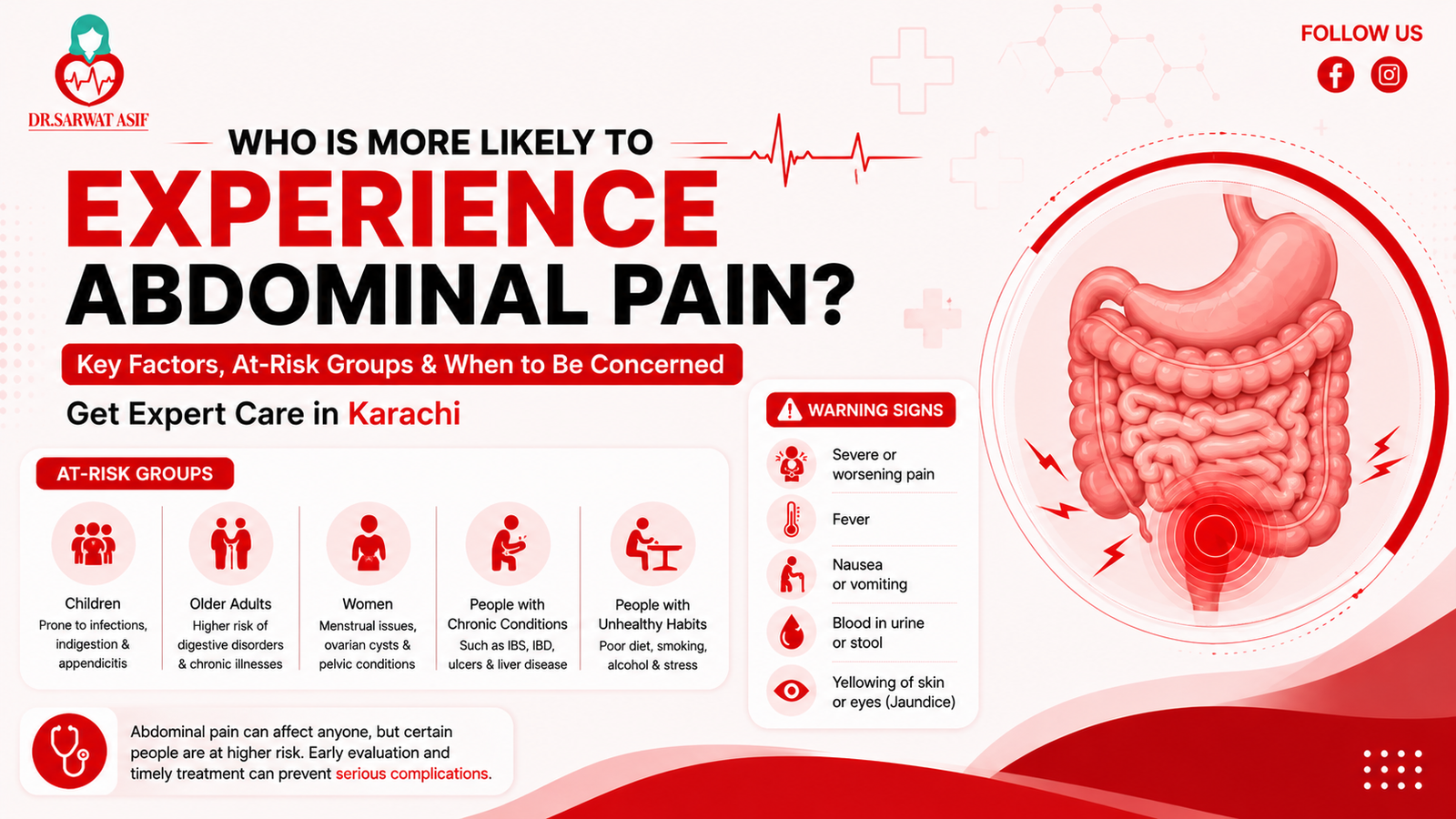
Anyone can develop abdominal pain, but some people have a higher risk due to their lifestyle, medical history, or underlying health conditions.
People at increased risk include those who:
- Frequently consume oily, spicy, or processed foods
- Have diabetes, liver disease, or kidney disease
- Smoke or consume excessive alcohol
- Experience chronic stress or anxiety
- Have a family history of digestive disorders
- Regularly use certain pain-relieving medications without medical advice
- Have previously undergone abdominal surgery
Understanding these risk factors can help individuals make healthier lifestyle choices and seek medical care sooner when symptoms arise.
Symptoms That Should Never Be Ignored
Although many cases of abdominal pain improve within a short time, certain warning signs require immediate medical attention.
Seek urgent medical care if abdominal pain is accompanied by:
- Severe or sudden pain that continues to worsen
- High fever with chills
- Persistent vomiting
- Vomiting blood
- Blood in the stool or black, tarry stools
- Difficulty breathing
- Yellowing of the skin or eyes (jaundice)
- Fainting or dizziness
- Severe abdominal swelling
- Inability to pass urine or stool
- Pain following a serious injury
These symptoms may indicate conditions such as appendicitis, intestinal obstruction, internal bleeding, pancreatitis, or other medical emergencies that require prompt evaluation.
How Doctors Diagnose the Cause of Abdominal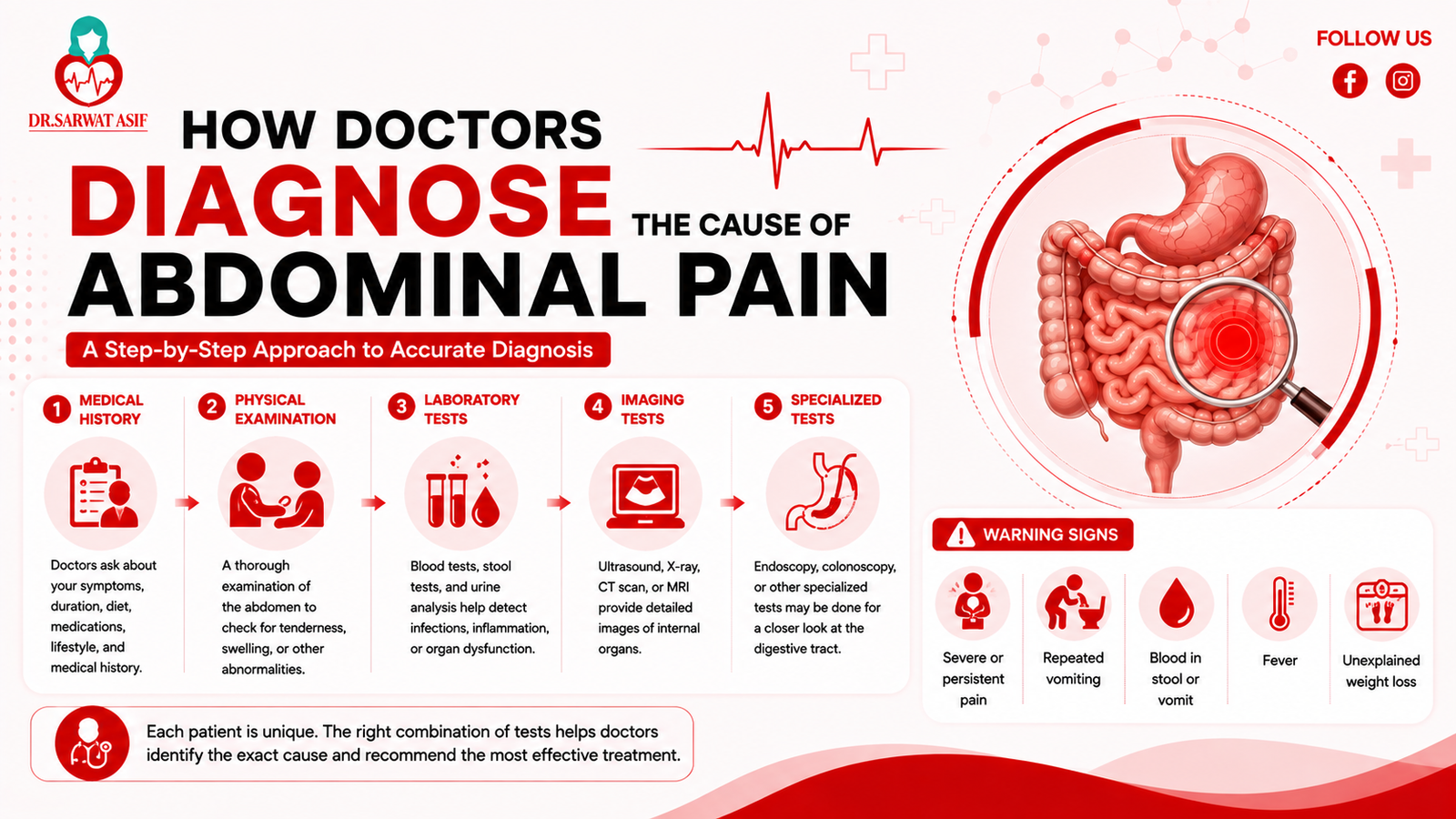 Pain
Pain
The correct treatment depends on identifying the exact reason for the pain. A healthcare professional will begin by asking about the patient’s symptoms, medical history, dietary habits, and the location and duration of the pain.
A physical examination helps assess tenderness, swelling, and signs of inflammation. Depending on the findings, additional tests may be recommended.
Diagnostic Test | Purpose | When It May Be Recommended |
Physical Examination | Assess the location and severity of pain | Initial evaluation |
Blood Tests | Detect infection, inflammation, anaemia, or organ dysfunction | Persistent or severe symptoms |
Urine Test | Identify urinary tract infections or kidney stones | Lower abdominal or flank pain |
Ultrasound | Examine the gallbladder, liver, kidneys, and pelvic organs | Suspected gallstones or abdominal masses |
CT Scan | Provide detailed images of abdominal organs | Complex or emergency cases |
Endoscopy | Evaluate the stomach and upper digestive tract | Persistent upper abdominal pain or ulcers |
No single test is appropriate for everyone. The choice depends on the patient’s symptoms and the doctor’s clinical assessment.
Treatment for Abdominal Pain
There is no universal treatment for abdominal pain because treatment depends on the underlying cause.
For example, indigestion may improve with dietary changes, while bacterial infections might require medication.
Conditions such as appendicitis or gallbladder disease may require surgical evaluation.
Healthcare professionals may recommend:
- Hydration and adequate fluid intake
- Temporary dietary modifications
- Medicines appropriate for the diagnosed condition
- Treatment of infections when confirmed
- Management of chronic digestive disorders
- Referral to a specialist if necessary
Self-medicating with painkillers or antibiotics without professional advice can sometimes delay diagnosis or worsen certain medical conditions.
Can Abdominal Pain Be Prevented?
Not every cause of abdominal pain can be prevented, but adopting healthy habits can reduce the risk of many digestive disorders.
Maintaining a balanced diet, drinking enough water, staying physically active, and avoiding excessive alcohol or smoking all support better digestive health.
Simple lifestyle changes can also reduce the likelihood of acid reflux, constipation, and indigestion.
When Should You Consult a Doctor?
Many people wait several days before seeking medical advice, hoping the pain will disappear on its own.
While mild discomfort may resolve naturally, persistent or recurring abdominal pain should not be ignored.
Consider consulting a healthcare professional if:
- Pain lasts longer than 24–48 hours.
- The discomfort keeps returning.
- Eating becomes painful.
- Fever, vomiting, diarrhoea, or unexplained weight loss develops.
- Pain interferes with daily activities or sleep.
For residents of Karachi, consulting an experienced physician can help identify the cause early and reduce the risk of complications.
Practical Tips for Better Digestive Health
Although not every cause of abdominal pain can be prevented, healthy daily habits can lower the risk of many digestive problems.
- Eat balanced meals and avoid overeating, especially late at night.
- Drink enough water throughout the day to support digestion.
- Include fruits, vegetables, and whole grains to maintain healthy bowel movements.
- Limit excessive spicy, oily, and highly processed foods if they trigger symptoms.
- Stay physically active to promote healthy digestion.
- Avoid smoking and excessive alcohol consumption.
- Seek medical advice instead of self-medicating if pain is persistent or severe.
Small lifestyle changes can significantly improve digestive health and reduce the chances of recurring abdominal discomfort.
Why Early Medical Evaluation Matters
Many abdominal conditions respond well to treatment when diagnosed early.
Delaying medical evaluation may increase the risk of complications, especially in conditions such as appendicitis, gallbladder disease, intestinal obstruction, pancreatitis, or severe infections.
A doctor will consider the location of the pain, associated symptoms, medical history, and examination findings before recommending appropriate investigations or treatment.
Early assessment often helps avoid unnecessary complications and supports faster recovery.
Finding the Right Doctor in Karachi
If you experience persistent, severe, or recurring abdominal pain, consulting a qualified physician is the safest step.
A thorough medical evaluation can help identify the cause and guide appropriate management.
For patients seeking a trusted and experienced doctor in Karachi, Dr. Sarwat Asif provides comprehensive consultations for a wide range of general medical concerns, including abdominal pain.
patients receive individualized assessment, appropriate investigations when needed, and guidance based on current medical practices.
Rather than assuming every case has the same cause, the focus is on understanding each patient’s symptoms, medical history, and overall health before recommending the next steps.
This patient-centred approach supports accurate diagnosis and informed treatment decisions.
Frequently Asked Questions
What is the most common cause of abdominal pain?
The most common causes include indigestion, gas, constipation, viral gastroenteritis, acid reflux, and food-related digestive problems.
However, persistent or severe pain may indicate a more serious condition that requires medical evaluation.
What causes lower abdominal pain?
Common causes of lower abdominal pain include constipation, urinary tract infections, kidney stones, intestinal infections, inflammatory bowel disease, and certain reproductive health conditions in women.
The exact cause depends on the location and accompanying symptoms.
What causes right-sided abdominal pain?
The causes of right-sided abdominal pain may include appendicitis, gallstones, liver disease, kidney stones, or intestinal disorders.
Sudden severe pain especially with fever, vomiting, or loss of appetite—should be assessed urgently.
Why does my stomach hurt after eating?
The causes of abdominal pain after eating commonly include indigestion, acid reflux, food intolerance, gallstones, stomach ulcers, or irritable bowel syndrome (IBS).
If the pain occurs regularly after meals, consult a healthcare professional for proper evaluation.
When should I see a doctor for abdominal pain?
You should seek medical advice if abdominal pain lasts longer than 24–48 hours, keeps returning, becomes severe, or is accompanied by fever, vomiting, blood in the stool, unexplained weight loss, or difficulty passing urine or stool.
Can stress cause abdominal pain?
Yes. Stress and anxiety can affect the digestive system and contribute to symptoms such as stomach cramps, bloating, indigestion, and irritable bowel syndrome.
However, persistent pain should still be medically evaluated to rule out other causes.
Which doctor should I consult for abdominal pain in Karachi?
A general physician is often the first doctor to consult for abdominal pain.
They can assess your symptoms, order appropriate tests if needed, begin initial treatment, and refer you to a gastroenterologist or surgeon if specialized care is required.
Conclusion
Understanding the abdominal pain causes can help you recognize when simple lifestyle changes may be enough and when professional medical evaluation is necessary.
Because abdominal pain can arise from many different organs and conditions, there is no one-size-fits-all explanation or treatment.
Whether the discomfort is related to indigestion, constipation, gallstones, ulcers, kidney stones, or another underlying condition, early assessment is the safest approach particularly if symptoms are severe, persistent, or accompanied by warning signs such as fever, vomiting, or blood in the stool.
For people in Karachi, seeking timely medical advice from an experienced physician can support an accurate diagnosis and an appropriate treatment plan.
If you are looking for a trusted and experienced doctor in Karachi, Dr. Sarwat Asif offers patient-focused medical consultations for abdominal pain and other general health concerns.
A proper evaluation can help identify the underlying cause and guide the most suitable course of care.