

A burning sensation in your chest after meals may seem like a minor issue at first.
However, when heartburn becomes frequent, affects sleep, or interferes with daily life, it could be a sign of Gastroesophageal Reflux Disease (GERD).
Many people in Karachi experience acid reflux symptoms but delay seeking medical help.
Some rely on home remedies, while others assume the discomfort will eventually disappear.
Unfortunately, untreated GERD can lead to complications such as esophageal inflammation, ulcers, swallowing difficulties, and even precancerous changes in the esophagus.
If you frequently experience heartburn, acid regurgitation, or chest discomfort, consulting a qualified GERD specialist in Karachi can help identify the cause and provide effective treatment.
This guide explains GERD symptoms, causes, diagnosis methods, treatment options, and how a digestive health expert can help you achieve long-term relief.
What Is GERD and Why Should You Take It Seriously?
GERD, or Gastroesophageal Reflux Disease, is a chronic digestive condition in which stomach acid repeatedly flows back into the esophagus.
Normally, the lower esophageal sphincter (LES) acts as a valve between the stomach and esophagus.
When this valve weakens or relaxes inappropriately, stomach contents move upward, irritating.
Common Symptoms Include:
- Frequent heartburn
- Sour or bitter taste in the mouth
- Acid regurgitation
- Difficulty swallowing
- Chronic cough
- Hoarseness
- Chest discomfort
- Feeling of a lump in the throat
Many patients mistake GERD symptoms for temporary indigestion.
However, persistent symptoms occurring more than twice a week often require professional evaluation.
When Should You Visit a GERD Specialist in Karachi?
You should seek medical attention if acid reflux symptoms occur regularly or affect your quality of life.
Warning Signs That Require Medical Evaluation:
- Heartburn several times per week
- Symptoms despite using over-the-counter medications
- Difficulty swallowing food
- Persistent nausea
- Unexplained weight loss
- Chronic cough or throat irritation
- Nighttime reflux affecting sleep
- Recurrent chest burning after meals
Early consultation with a qualified Acid Reflux Doctor Karachi can prevent complications and improve long-term digestive health.
Featured Snippet Answer
Visit a GERD specialist if you experience frequent heartburn, acid reflux, swallowing difficulties, chronic cough, or symptoms that continue despite lifestyle changes and medications.
What Causes Acid Reflux and GERD?
Several factors contribute to acid reflux and chronic GERD.
Common Causes
- Obesity
- Smoking
- Pregnancy
- Hiatal hernia
- Delayed stomach emptying
- Excessive caffeine consumption
- Fatty and spicy foods
- Large meals before bedtime
Lifestyle Factors That Increase Risk
- Sedentary lifestyle
- Frequent fast-food consumption
- High stress levels
- Poor sleep habits
- Excessive carbonated beverages
Karachi’s fast-paced lifestyle often encourages irregular eating patterns, which may worsen reflux symptoms.
How Does a Gastroenterologist Diagnose GERD?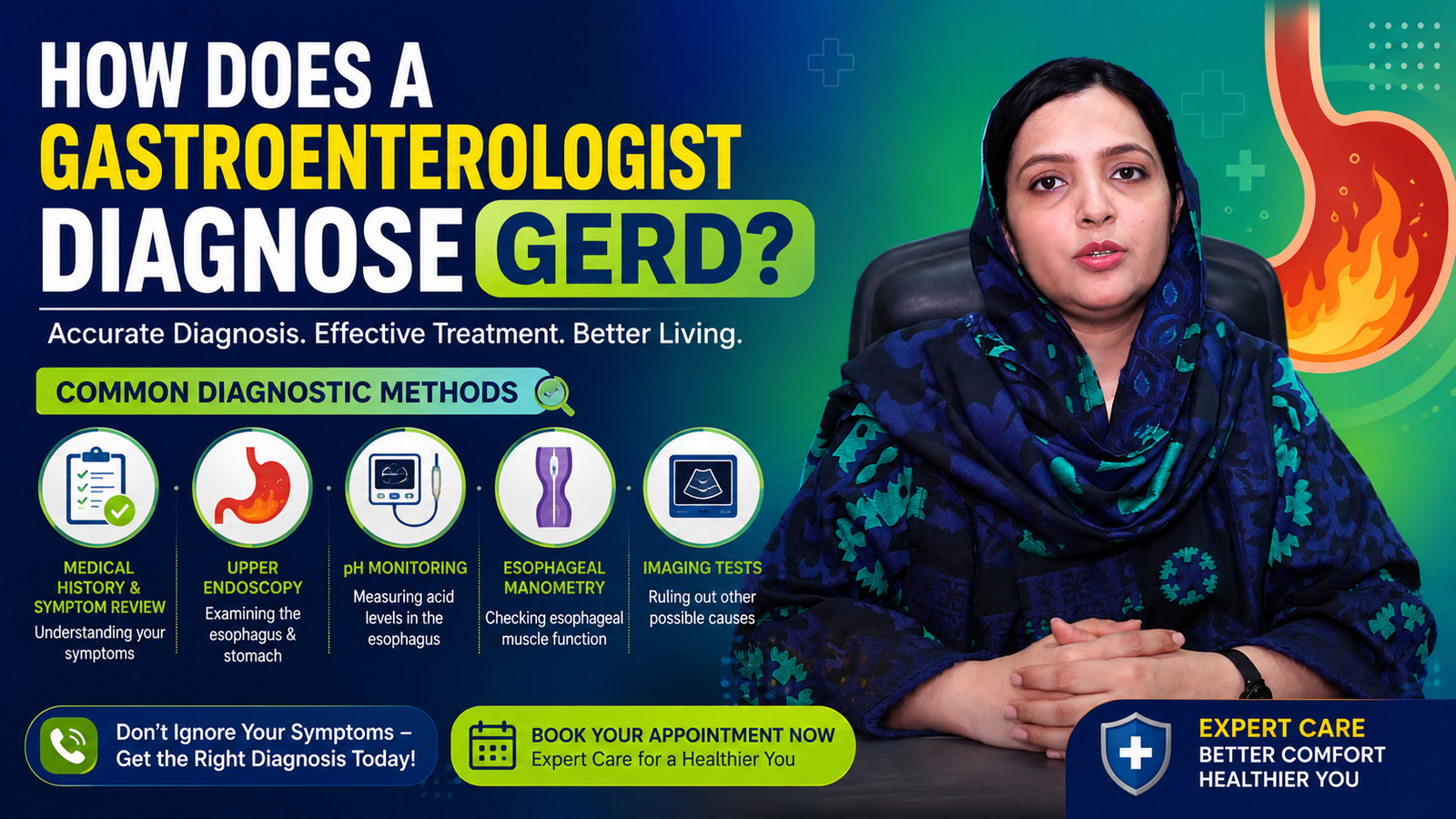
A qualified Gastroenterologist Karachi uses a combination of medical history, physical examination, and diagnostic testing.
Initial Assessment
The doctor typically asks about:
- Symptom frequency
- Trigger foods
- Sleep disturbances
- Current medications
- Family medical history
Diagnostic Tests
Endoscopy for GERD Diagnosis
Upper gastrointestinal endoscopy is one of the most reliable tools for evaluating chronic reflux.
During the procedure, a flexible camera examines:
- Esophagus
- Stomach
- Upper small intestine
This helps identify:
- Inflammation
- Ulcers
- Barrett’s Esophagus
- Structural abnormalities
Esophageal pH Monitoring
This test measures acid exposure inside the esophagus over 24 hours.
Esophageal Manometry
Manometry evaluates the function of the esophageal muscles and sphincter.
These tests allow specialists to create a personalized treatment plan.
What Treatment Options Are Available for GERD?
Modern GERD Treatment Karachi approaches focus on reducing symptoms, healing tissue damage, and preventing recurrence.
Lifestyle Modifications
Doctors usually recommend:
- Eating smaller meals
- Avoiding late-night eating
- Maintaining a healthy weight
- Quitting smoking
- Limiting caffeine intake
- Elevating the head during sleep
Many patients experience significant improvement through lifestyle changes alone.
Medications
Common medications include:
Medication Type | Purpose |
Antacids | Quick symptom relief |
H2 Blockers | Reduce acid production |
Proton Pump Inhibitors (PPIs) | Long-term acid suppression |
Prokinetics | Improve stomach emptying |
Medication choice depends on symptom severity and diagnostic findings.
Surgical Treatment
In severe cases where medications fail, surgery may be recommended.
Procedures such as fundoplication strengthen the barrier between the stomach and esophagus and help prevent reflux.
Which Foods Can Trigger GERD Symptoms?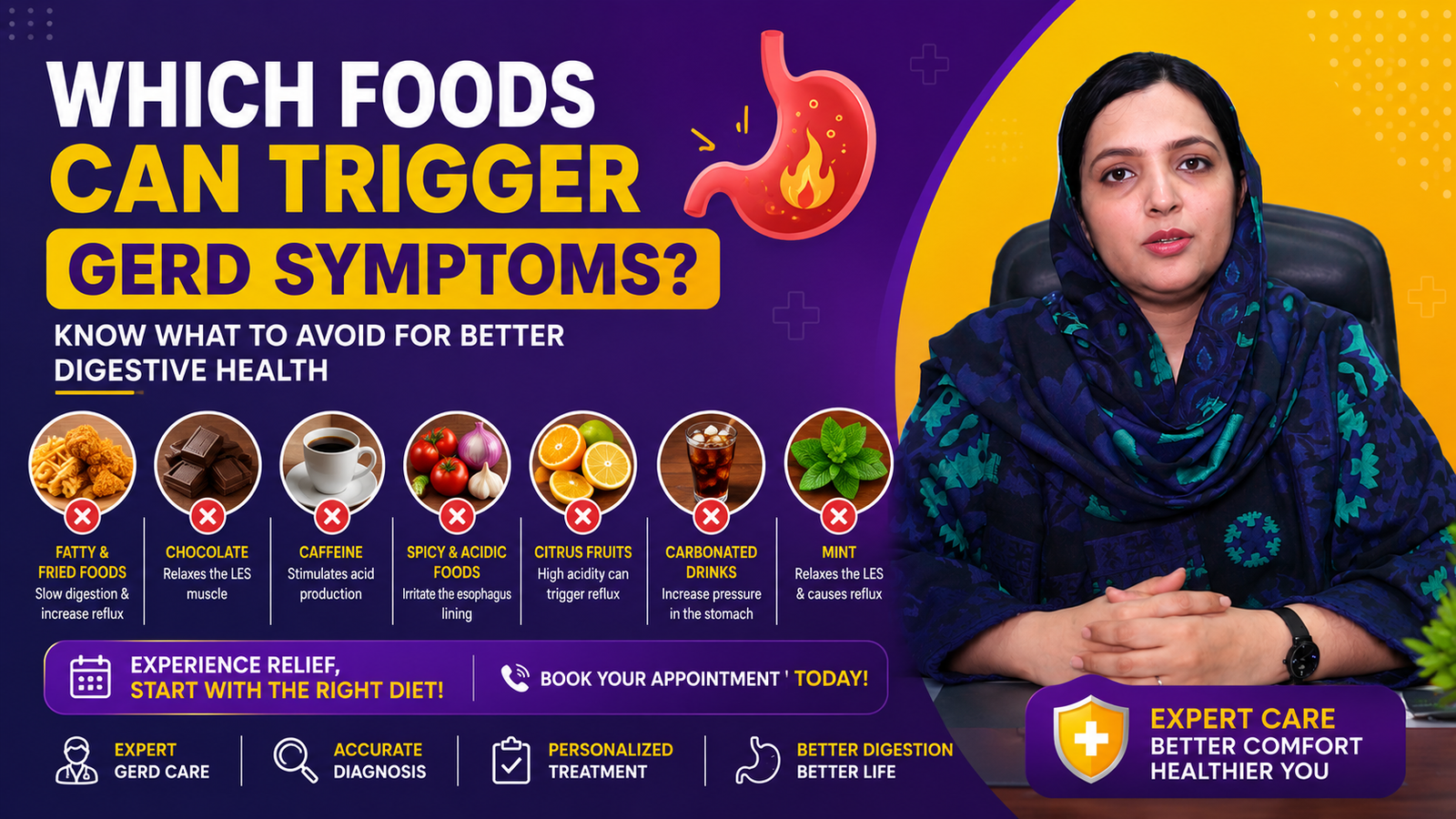
Diet plays a major role in acid reflux management.
Foods Commonly Associated With Reflux
- Fried foods
- Spicy meals
- Citrus fruits
- Chocolate
- Coffee
- Carbonated beverages
- Peppermint
- Tomato-based products
GERD-Friendly Alternatives
- Oatmeal
- Bananas
- Brown rice
- Lean proteins
- Green vegetables
- Low-fat dairy
- Herbal teas
Keeping a food diary can help identify personal triggers.
Can Untreated GERD Lead to Serious Complications?
Yes. Chronic acid exposure can damage the esophagus over time.
Potential Complications
- Esophagitis
- Esophageal ulcers
- Strictures
- Chronic inflammation
- Barrett’s Esophagus
- Increased risk of esophageal cancer
The American College of Gastroenterology emphasizes early diagnosis and treatment to reduce these risks.
Ignoring persistent heartburn may allow the disease to progress silently.
How Can a Stomach and Digestive Health Specialist Help?
A Stomach and Digestive Health Specialist offers comprehensive care beyond symptom control.
Benefits of Specialist Care
- Accurate diagnosis
- Personalized treatment plans
- Advanced diagnostic testing
- Long-term symptom management
- Prevention of complications
- Nutritional guidance
Rather than relying solely on temporary relief methods, specialist care addresses the root cause of reflux.
Real-Life Example
Consider a patient experiencing heartburn for years after meals. Initially, antacids provided temporary relief. Eventually, symptoms became severe enough to disrupt sleep.
After consulting a specialist, an endoscopy revealed significant inflammation in the esophagus. With dietary changes, medication, and regular follow-up, symptoms improved dramatically within a few months.
This example highlights the importance of early medical evaluation.
What Lifestyle Changes Offer the Best Results for Chronic Heartburn Treatment?
Lifestyle improvements often work alongside medications to produce the best outcomes.
Expert Recommendations
- Eat slowly and chew thoroughly
- Avoid lying down after meals
- Maintain a healthy body weight
- Exercise regularly
- Reduce stress through relaxation techniques
- Stay hydrated
- Limit alcohol consumption
Common Mistakes to Avoid
- Skipping meals
- Self-medicating for months without evaluation
- Ignoring nighttime reflux
- Overeating during one meal
- Continuing trigger foods despite symptoms
Small adjustments can significantly improve long-term reflux control.
How Do You Choose the Right GERD Specialist?
Selecting an experienced digestive health expert is important.
Consider These Factors
- Board certifications
- Experience treating reflux disorders
- Access to advanced diagnostic procedures
- Patient reviews
- Hospital affiliations
- Availability of endoscopy services
A reputable Heartburn Specialist Karachi will focus on both symptom relief and long-term digestive wellness.
Questions to Ask During Your Visit
- What is causing my symptoms?
- Do I need an endoscopy?
- Which foods should I avoid?
- How long will treatment take?
- Are there any complications I should watch for?
Being prepared helps you get the most value from your appointment.
FAQs
What doctor should I see for chronic acid reflux?
A gastroenterologist is the most qualified specialist to diagnose and treat chronic acid reflux and GERD.
Is GERD permanently curable?
Many patients achieve long-term symptom control through lifestyle changes, medications, and, in some cases, surgery. The outcome depends on the underlying cause.
How is GERD diagnosed?
Doctors typically use medical history, physical examination, endoscopy, pH monitoring, and esophageal function tests.
Can stress make GERD worse?
Yes. Stress can increase symptom severity and may contribute to digestive disturbances that worsen reflux episodes.
When is endoscopy recommended for GERD?
Endoscopy is commonly recommended for persistent symptoms, swallowing difficulties, unexplained weight loss, or when complications are suspected.
Conclusion
Persistent heartburn is more than an occasional inconvenience. It can signal an ongoing digestive condition that requires proper medical attention.
Early diagnosis, lifestyle improvements, and evidence-based treatment can prevent complications and improve quality of life.
If you frequently experience acid reflux, chest burning, regurgitation, or swallowing difficulties, consulting a GERD specialist in Karachi is a proactive step toward better digestive health.
Don’t wait for symptoms to become severe—schedule a professional evaluation and take control of your well-being today.