
Have you ever experienced stomach pain, bloating, acid reflux, constipation, or frequent digestive discomfort and thought it would go away on its own?
Many people do exactly that. They ignore the early signs of digestive problems and continue with their daily routine until the symptoms become difficult to manage.
Digestive health plays a major role in overall wellbeing. When your digestive system is not functioning properly, it can affect your energy levels, appetite, sleep quality, and even your mood. Unfortunately, many people delay seeking professional medical advice because they assume their symptoms are temporary.
This is where a Gastroenterologist can help. A specialist can identify the root cause of digestive issues, provide an accurate diagnosis, and recommend the most suitable treatment plan.
In this article, we will discuss common digestive conditions, warning signs, treatment options, and the benefits of consulting a digestive health expert before problems become more serious.
What Does a Gastroenterologist Do?
A Gastroenterologist is a medical specialist who diagnoses, manages, and treats conditions related to the digestive system.
this includes the esophagus, stomach, liver, gallbladder, pancreas, small intestine, large intestine, and rectum.
These specialists are trained to evaluate a wide range of digestive disorders and use advanced diagnostic procedures to identify the exact cause of symptoms.
Which Symptoms Should Never Be Ignored?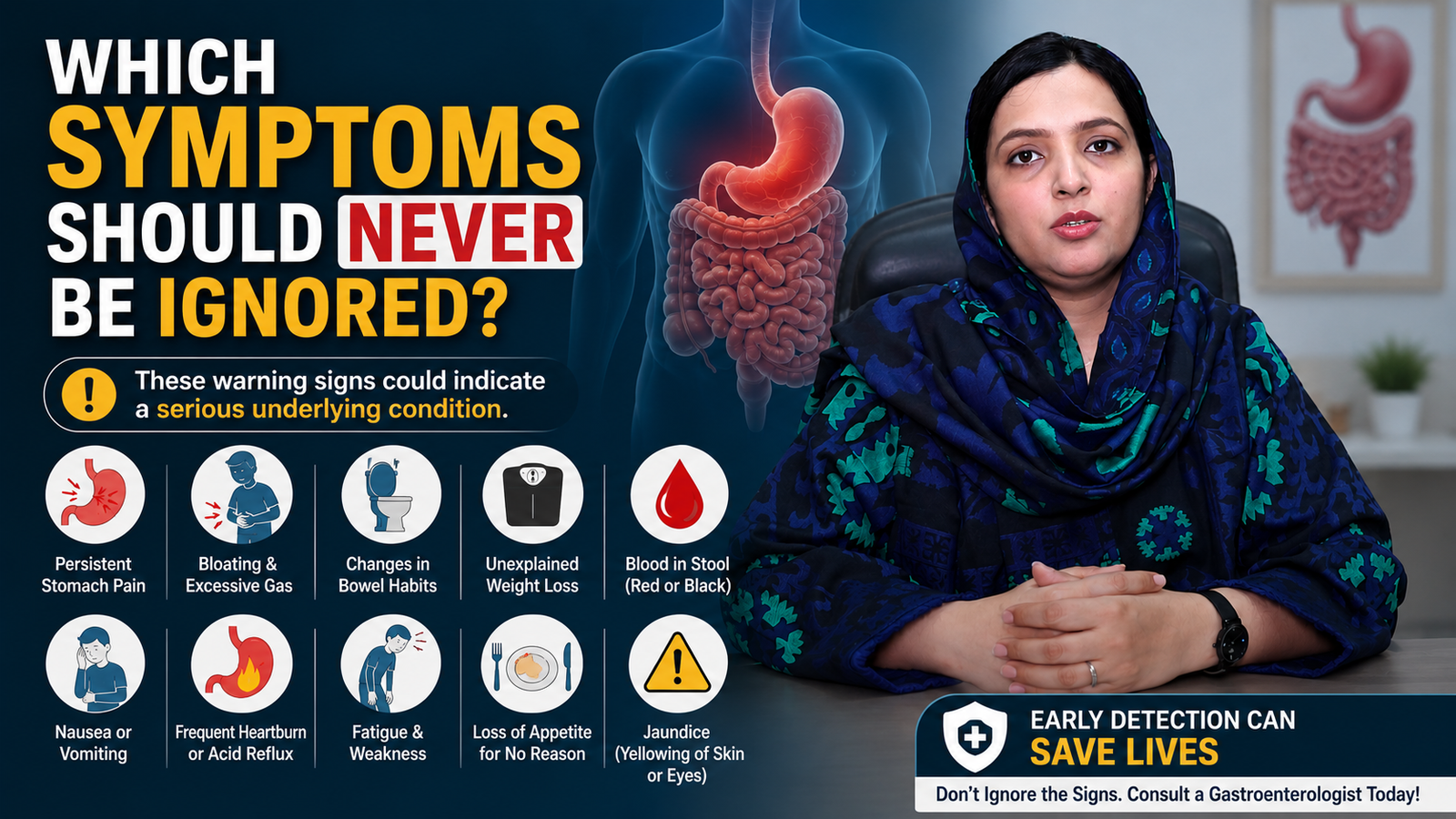
Many digestive symptoms may appear minor at first, but they can sometimes indicate an underlying medical condition.
Common symptoms include:
- Persistent stomach pain
- Frequent acid reflux
- Chronic constipation
- Ongoing diarrhea
- Excessive bloating
- Difficulty swallowing
- Unexplained weight loss
- Blood in stool
- Nausea and vomiting
- Loss of appetite
If any of these symptoms continue for an extended period, seeking professional medical advice becomes important.
What Are the Most Common Digestive Conditions Treated by Specialists?
Digestive specialists treat a wide variety of medical conditions.
Some of the most common include:
Acid Reflux Disease
Acid reflux occurs when stomach acid moves back into the esophagus. Frequent episodes can lead to irritation and discomfort.
Irritable Bowel Syndrome
This condition affects the digestive tract and may cause abdominal pain, bloating, diarrhea, or constipation.
Peptic Ulcers
Ulcers are sores that develop in the stomach lining or upper part of the small intestine.
Gallbladder Disorders
Gallstones and inflammation of the gallbladder can cause severe abdominal pain and digestive issues.
Liver Diseases
Conditions affecting the liver can impact overall digestive health and require medical attention.
Inflammatory Bowel Disease
This group of conditions causes chronic inflammation within the digestive tract and often requires long term management.
Why Is Early Diagnosis Important for Digestive Health?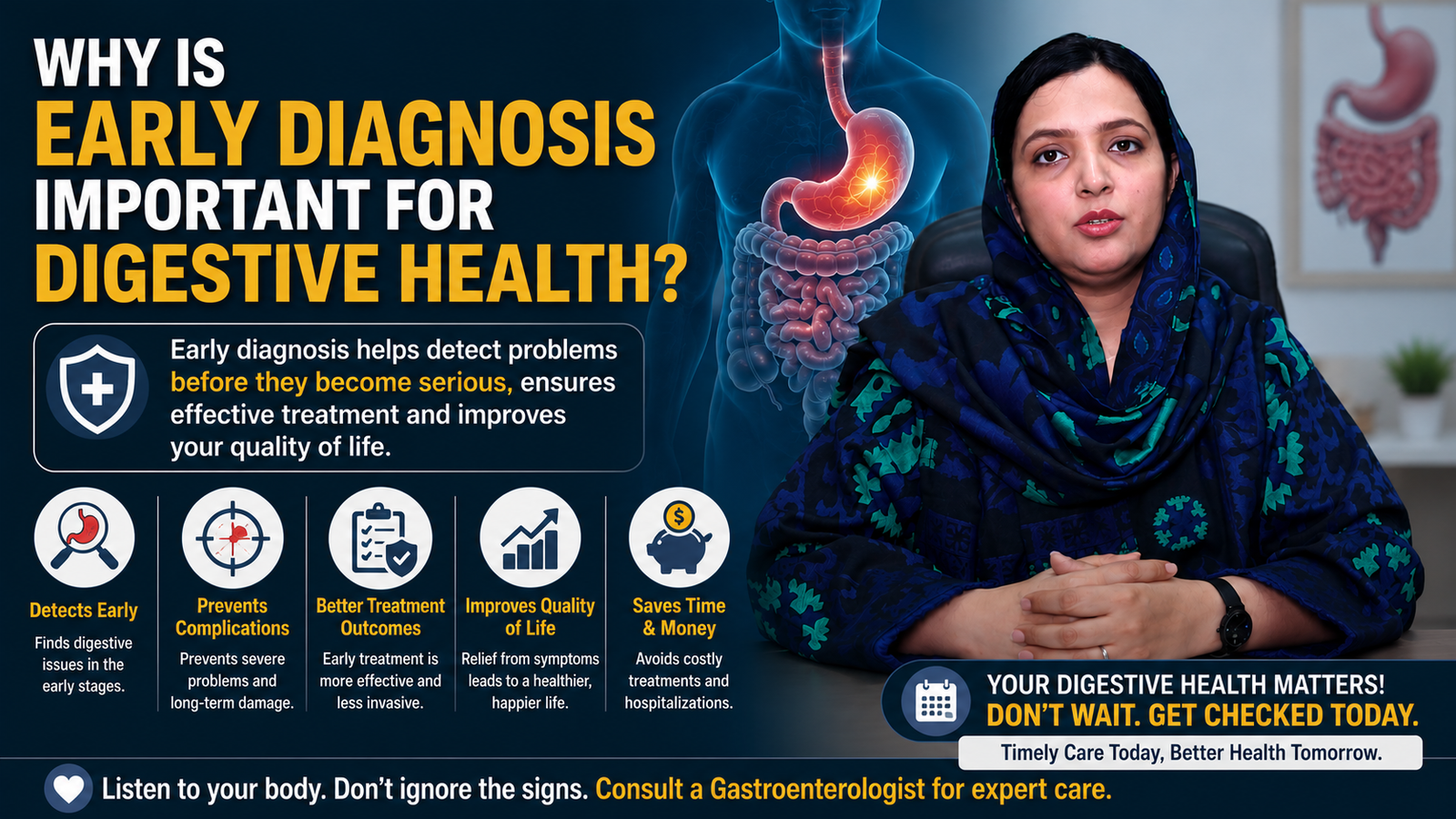
Early diagnosis helps prevent complications and allows treatment to begin before a condition becomes severe.
Many digestive diseases can progress silently over time. Delaying treatment may increase the risk of complications and make recovery more challenging.
A qualified Gastroenterologist can identify concerns at an early stage and help patients avoid unnecessary health risks.
How Do Specialists Diagnose Digestive Disorders?
Accurate diagnosis is the foundation of effective treatment.
Doctors may use several diagnostic methods, including:
- Physical examination
- Medical history review
- Blood tests
- Stool analysis
- Ultrasound imaging
- Endoscopy procedures
- Colonoscopy examinations
These tools help specialists determine the exact cause of symptoms and develop an appropriate treatment strategy.
What Happens During an Endoscopy Procedure?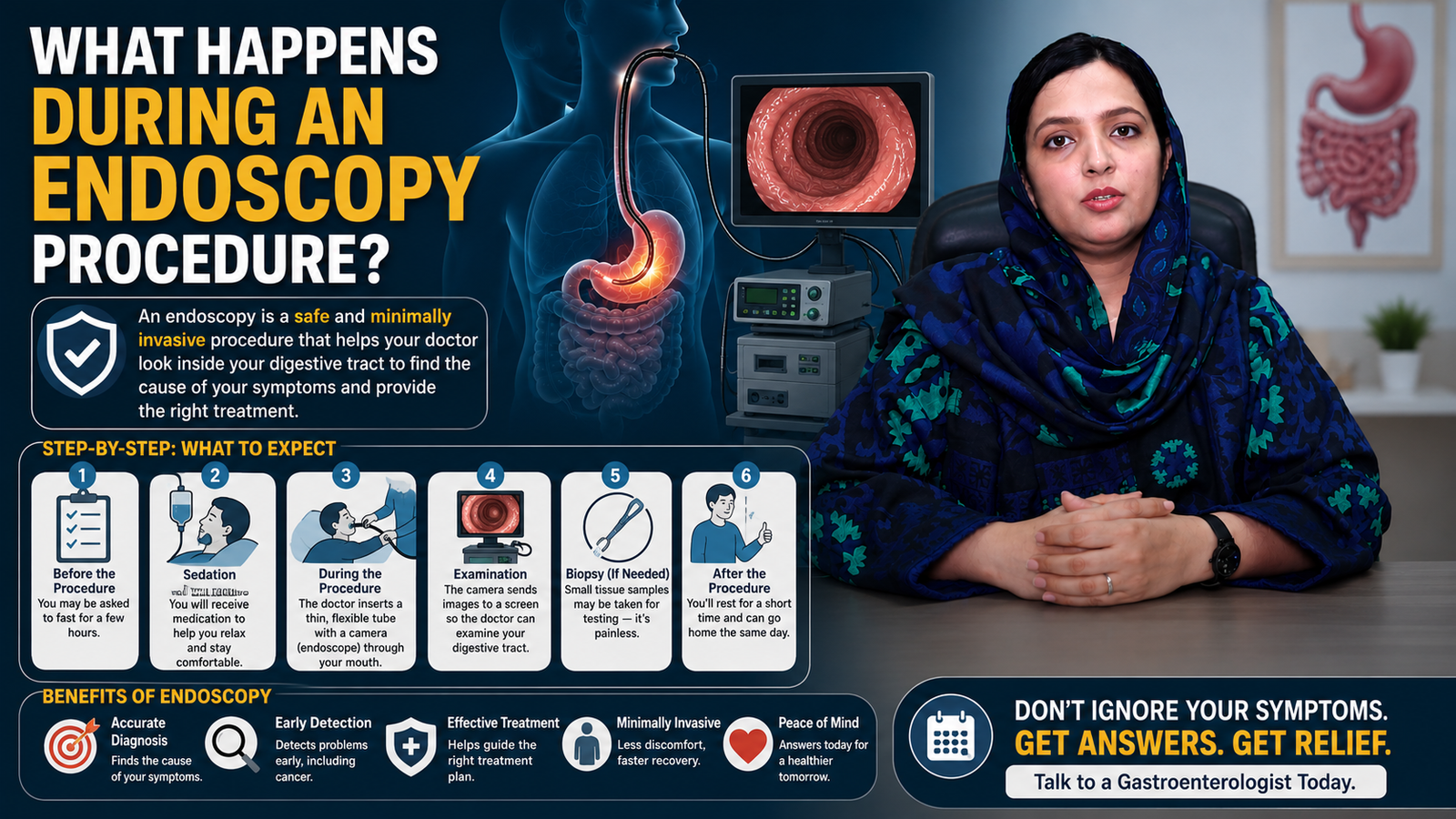
An endoscopy allows doctors to examine the upper digestive tract using a flexible tube equipped with a camera.
The procedure helps identify:
- Ulcers
- Inflammation
- Bleeding
- Growths
- Structural abnormalities
It is commonly recommended for patients experiencing persistent digestive symptoms.
When Is a Colonoscopy Recommended?
A colonoscopy allows doctors to examine the large intestine and rectum.
It may be recommended for:
- Persistent bowel changes
- Rectal bleeding
- Chronic abdominal pain
- Colon cancer screening
- Investigation of unexplained digestive symptoms
Regular screening can play an important role in detecting serious conditions at an early stage.
Can Lifestyle Choices Affect Digestive Health?
Yes, lifestyle habits have a direct impact on digestive wellbeing.
Several factors may contribute to digestive problems:
- Poor dietary choices
- Excessive stress
- Lack of physical activity
- Smoking
- Inadequate hydration
- Irregular eating habits
Making healthier lifestyle choices can significantly improve digestive function and overall health.
What Foods Support Better Digestive Health?
Healthy nutrition plays a vital role in maintaining a balanced digestive system.
Helpful dietary choices include:
- Fresh fruits
- Vegetables
- Whole grains
- Lean proteins
- Yogurt
- High fiber foods
- Adequate water intake
Reducing processed foods and excessive sugary drinks may also help improve digestion.
How Can a Gastroenterologist Improve Your Quality of Life?
Living with chronic digestive symptoms can affect daily activities, work performance, and emotional wellbeing.
A Gastroenterologist helps patients by:
- Providing accurate diagnoses
- Creating personalized treatment plans
- Monitoring long term conditions
- Offering preventive care
- Improving digestive comfort
- Supporting overall health goals
Professional care can help patients regain confidence and enjoy a healthier lifestyle.
What Questions Should You Ask During Your Appointment?
Preparing questions before your consultation can help you gain valuable information.
Consider asking:
- What is causing my symptoms?
- Do I need additional testing?
- What treatment options are available?
- Are lifestyle changes recommended?
- How long will treatment take?
- What warning signs should I monitor?
Clear communication helps patients make informed healthcare decisions.
Why Is Choosing the Right Gastroenterologist So Important?
Choosing an experienced specialist can make a significant difference in diagnosis, treatment outcomes, and patient satisfaction.
Look for a doctor who offers:
- Strong clinical experience
- Advanced diagnostic services
- Patient-focused care
- Clear communication
- Comprehensive treatment options
The right specialist can provide confidence and peace of mind throughout your healthcare journey.
Frequently Asked Questions
What is a Gastroenterologist?
A Gastroenterologist is a medical specialist who diagnoses and treats conditions affecting the digestive system, including the stomach, intestines, liver, pancreas, gallbladder, and esophagus.
When Should I Visit a Gastroenterologist?
You should consult a Gastroenterologist if you experience persistent stomach pain, acid reflux, bloating, constipation, diarrhea, difficulty swallowing, or any ongoing digestive symptoms.
What Conditions Does a Gastroenterologist Treat?
A Gastroenterologist treats various digestive disorders such as acid reflux, irritable bowel syndrome, peptic ulcers, liver diseases, inflammatory bowel disease, gallstones, and digestive tract infections.
What Is the Difference Between a General Doctor and a Gastroenterologist?
A general doctor provides primary healthcare for a wide range of conditions, while a Gastroenterologist has specialized training and expertise in diagnosing and treating digestive system disorders.
Is an Endoscopy Painful?
Most patients experience little to no pain during an endoscopy. Doctors typically use sedation to ensure comfort throughout the procedure.
Conclusion
A Gastroenterologist plays an essential role in diagnosing and managing digestive health conditions.
Whether you experience occasional discomfort or persistent digestive symptoms, early medical attention can help prevent complications and improve your quality of life.
Taking digestive symptoms seriously and consulting a qualified specialist can lead to timely treatment, better health outcomes, and long term wellbeing.