

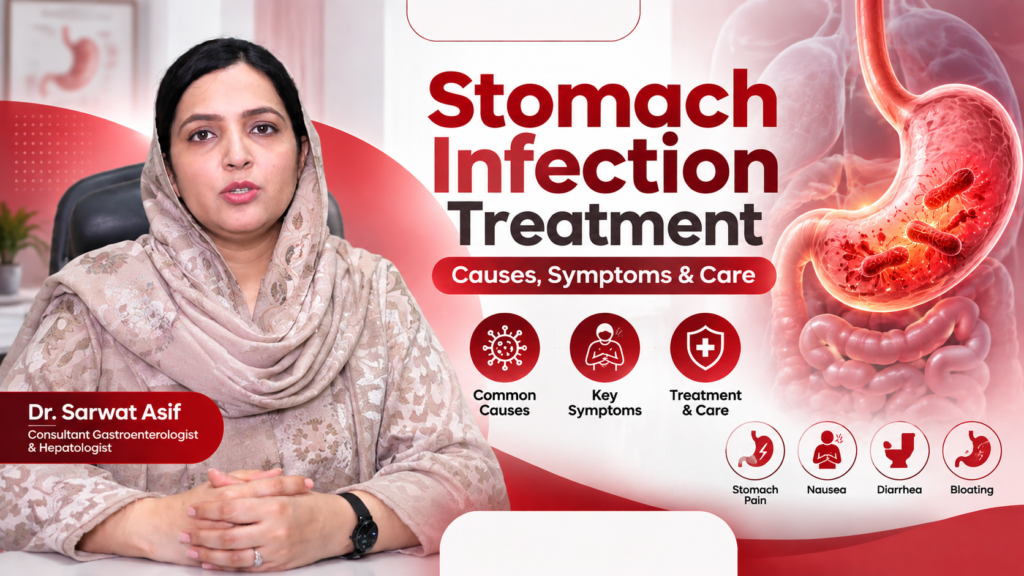
What Is a Stomach Infection?
A stomach infection typically indicates a digestive tract infection, most commonly including the stomach and intestines. Gastroenteritis can be caused by viruses, bacteria, or parasites and can result in diarrhea, cramps, nausea, vomiting, and occasionally fever.
Viral gastroenteritis is sometimes referred to as “stomach flu,” but it is NOT flu. Viral gastroenteritis refers to an infection of the stomach and intestines, and norovirus is a type of gastroenteritis.
The correct treatment will vary depending on the cause. For mild infections: no medicine is required, and the infection may just settle on its own. For severe, chronic, or atypical infections: medical evaluation may be required with or without prescription medicine.
What Causes a Stomach Infection?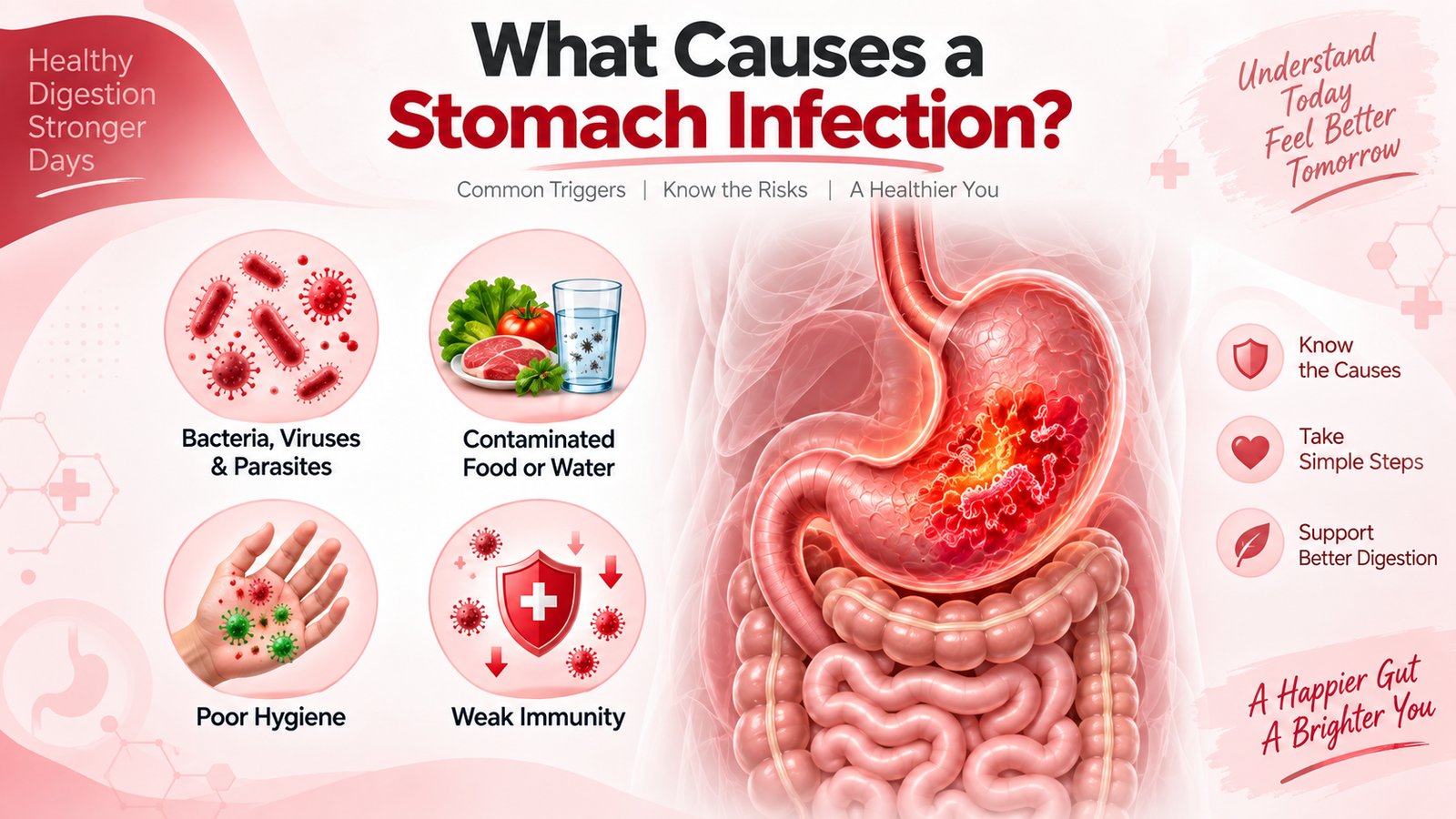
There are several different microorganisms that can cause gastrointestinal infections. Infected individuals may infect others by touching a contaminated surface, food, or vomit or stool. Bacteria and parasites can also be spread by contaminated water and food that is contaminated.
Sudden vomiting & diarrhea, abdominal pain, and fever are another common cause of food poisoning. Symptoms do not always tell the specific cause of the problem.
Safe drinking water, good food storage, hand washing, and food hygiene in urban areas are simple mitigation measures for gastrointestinal infections in a high-density setting like Karachi.
Viral infections
Viral gastroenteritis may lead to diarrhea, nausea, vomiting, abdominal cramps, and fever. A majority of viral cases get better on their own, and treatment is primarily directed at replacing fluids and electrolytes.
Bacterial infections
Some bacteria can lead to diarrhea, abdominal pain, fever, vomiting, and sometimes blood or mucus in the stool. Certain bacterial infections need prescription treatment; however, not all of them are suitable for the use of antibiotics.
There are a number of factors to consider, including the identified or suspected organism, the severity, length of illness, and individual health risks.
Parasitic infections
Gastrointestinal symptoms may also be seen as a result of parasite infection, especially when the food or water ingested is contaminated. Treatment differs from treatment for a viral infection and may involve a special prescription medication.
That’s one of the reasons that it’s not a good idea to treat all diarrhea or stomach pain with the same medication.
What Are the Symptoms of a Stomach Infection?
Each type of infection has different symptoms that depend on the cause and intensity of the infection. Typical symptoms include diarrhea, cramps, nausea, vomiting, and fever.
Others may only have diarrhea symptoms; others may have recurring vomiting symptoms with eating and drinking problems. Abdominal discomfort may range from mild cramps to severe pain.
Signs that should be given a closer look include blood or pus in stool, black tarry stool, persistent vomiting, high fever, severe abdominal pain, frequent loose stools and signs of dehydration.
Signs of dehydration
The primary complication of vomiting and diarrhoea is dehydration due to loss of water and electrolytes. Adults can have excessive thirst, dry mouth, darker than normal urine, less urination, tiredness, dizziness, or fainting.
If unable to take fluids or signs of dehydration may be present, medical attention might be required.
Stomach Infection Treatment: What Helps?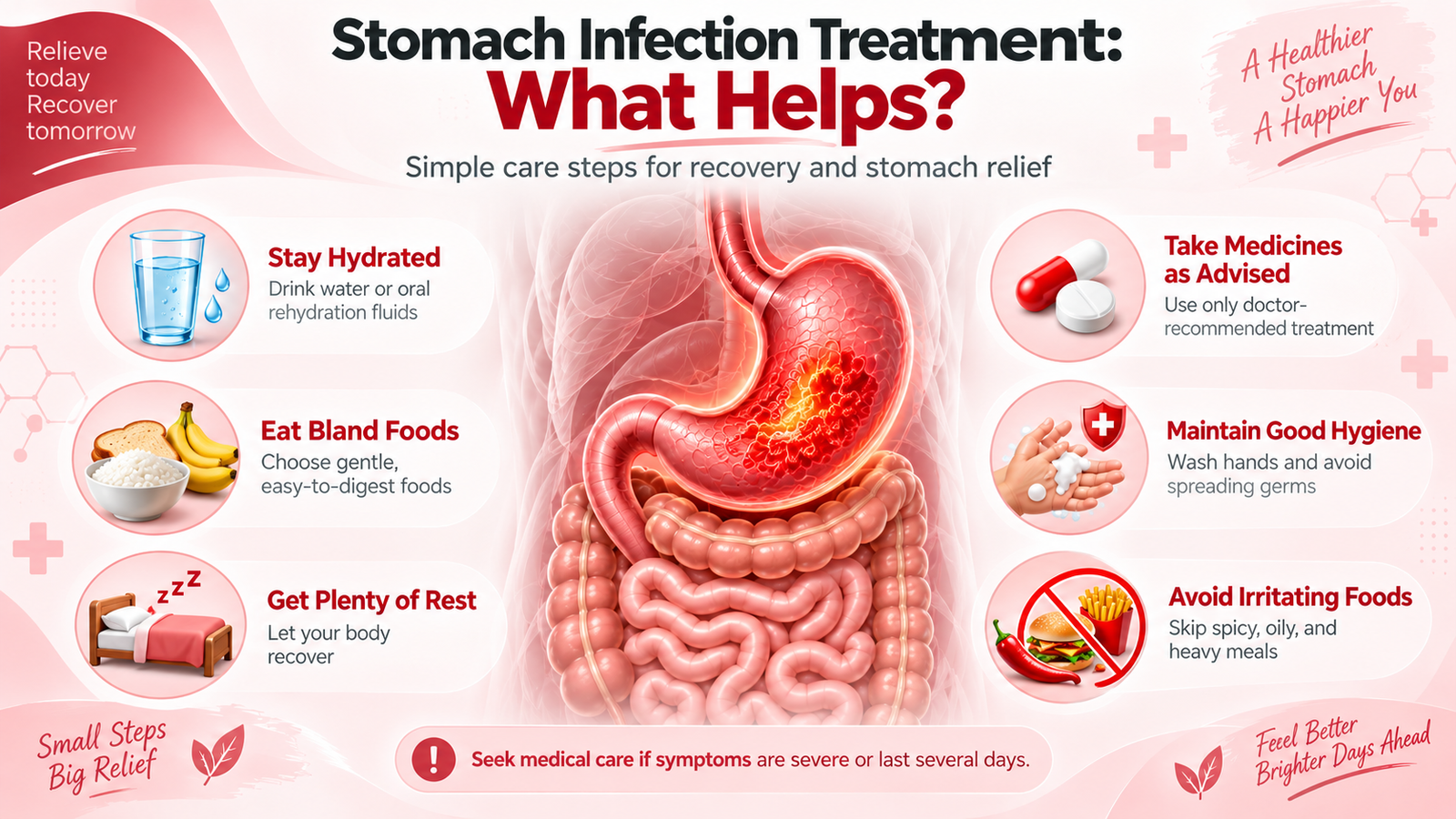
Not all stomach infections can be treated with the same medication. The treatment will vary depending on whether the infection is viral, bacterial, parasitic, or from another digestive ailment.
The first priority is to prevent dehydration in many simple cases. Oral rehydration solutions can provide water and electrolytes to replace those lost in diarrhea and vomiting. If dehydrated a lot, you may need medical treatment such as IV fluids.
Replace lost fluids and electrolytes
Drink fluids regularly. It will be easier to drink if you have vomiting than it will be if you drink a large amount.
Oral rehydration solutions are especially beneficial in cases where there is ample fluid and electrolyte loss as a result of diarrhea or vomiting. Individualized advice on fluid replacement may be required for people with certain medical conditions.
Continue eating when your appetite returns
There’s no need to fast during gastroenteritis. Most people can start to eat their regular diet as soon as their appetite returns. In most cases, viral gastroenteritis does not need a special diet, NIDDK says.
The diarrhea may get worse for a short time in some people from certain foods and drinks. Symptoms can be exacerbated during recovery by caffeine, very fatty foods, large quantities of simple sugars, and occasionally milk or dairy products.
Medicines are dependent on the cause
Medicines for diarrhea that could be purchased at the pharmacy may be used by some adults in appropriate circumstances. These medications, however, do not work for everybody.
For instance, NIDDK recommends not taking some anti-diarrhea medications if the diarrhea is mixed with blood or fever because these symptoms may be a sign of an infection that needs a medical evaluation.
For focused bacterial or parasitic infections, prescription drugs may be required, but should be selected based on the suspected cause.
Antibiotics are not a common treatment for stomach infections.
Some bacterial infections, but not viral infections, are treated with antibiotics. If you take an antibiotic when you don’t need it, you run the risk of experiencing side effects without curing your disease.
Never start antibiotics that have been left behind or use other people’s medication. If a physician decides that an antibiotic is necessary, follow their instructions.
Viral vs Bacterial Stomach Infection Treatment
Symptoms can overlap, so it is not always possible to identify the cause simply by looking at symptoms. The treatment approach can nevertheless differ considerably.
Factor | Viral gastroenteritis | Bacterial or parasitic infection |
Common symptoms | Watery diarrhea, vomiting, nausea, cramps | Diarrhea, cramps, fever, vomiting; some infections cause blood or mucus |
Main initial care | Fluids and electrolyte replacement | Fluids and electrolyte replacement |
Antibiotics | Do not treat viral infections | May be appropriate for selected infections |
Testing | Often unnecessary in mild, short-lived illness | May be considered depending on symptoms and duration |
Medical evaluation | Needed for severe or persistent symptoms | More important when symptoms are severe, bloody, persistent, or unusual |
This distinction matters because treating the symptom alone does not necessarily treat the infection. A healthcare professional can determine whether further evaluation is appropriate.
How Is a Stomach Infection Diagnosed?
A doctor may start with your medical history and physical examination. Important information can include when symptoms began, how often you are vomiting or passing stools, whether you have fever, what you have eaten recently, possible exposure to contaminated food or water, recent travel, and whether anyone around you has similar symptoms.
Mild, short-lived viral gastroenteritis often does not require laboratory testing. In selected cases, however, a doctor may recommend stool testing or other investigations to help identify the cause.
Testing becomes more relevant when symptoms are severe, prolonged, recurrent, associated with blood in the stool, or occurring in someone at higher risk of complications.
What Should You Eat During a Stomach Infection?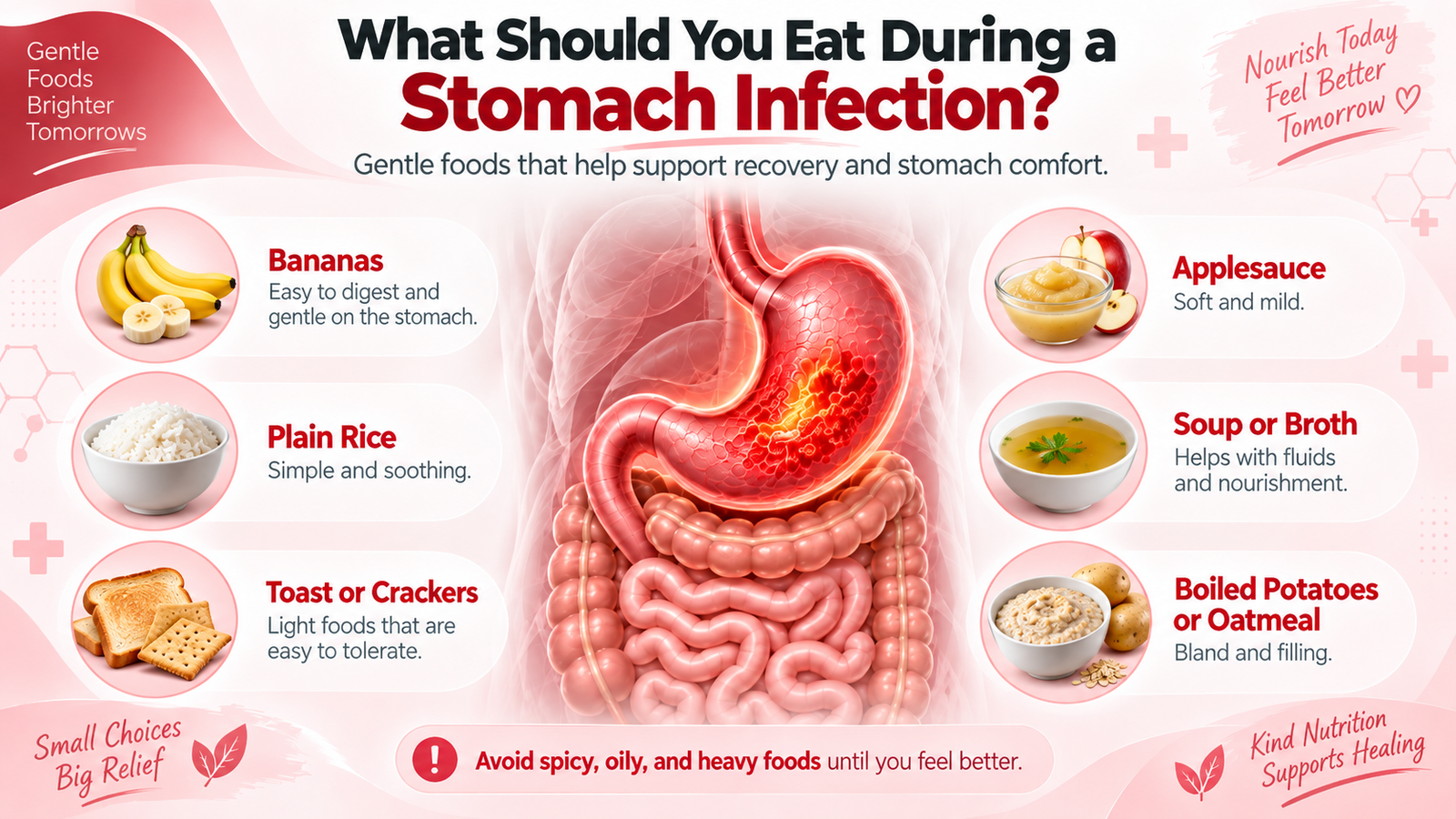
Food tolerance is different from person to person. In the most severe stages of an infection, you might not be hungry. Fluid replacement is often the first step.
Once your appetite returns, you can normally return to normal foods instead of unnecessarily limiting your diet.
Increase food items that you can tolerate, and decrease food items that will definitely make your symptoms worse. In some, fatty foods, too much caffeine, and very sugary drinks can make diarrhea worse.
Some individuals may experience temporary lactose intolerance during periods when the infection is improving, but for some, dairy products might aggravate symptoms and should be reduced for a short time.
When Should You See a Doctor for a Stomach Infection?
Often, stomach infections are mild and can be treated at home; however, some symptoms need a medical evaluation.
If symptoms are severe or persistent, unable to drink fluids, or you experience signs of dehydration, seek medical attention immediately.
Other signs that require medical advice include blood or pus in the stool, black tarry stool, severe abdominal pain, high fever, frequent vomiting, or a large number of loose stools.
Also, when diarrhoea persists for more than about 2 days, adults need medical advice, especially if the diarrhoea is accompanied by other worrying symptoms.
The elderly, pregnant women, immunocompromised individuals and those with certain underlying conditions may require earlier assessment as dehydration and infection-related complications may be more severe.
Important warning signs
- Black or tarry stool, stool with a blood appearance
- Abdominal pain or worsening abdominal pain that is severe.
- High fever
- Repeated vomiting or inability to keep fluids down
- Urine output is very small, urine is dark, excessive thirst, lightheadedness or fainting.
- Troublesome loose stools three or more times a day
- Diarrhea that does not stop or gets worse
- Confusion, abnormal weakness or other marked changes in mental state
If dehydration is severe, medical treatment may be necessary, and intravenous fluids will be administered.
How Can You Prevent Stomach Infections?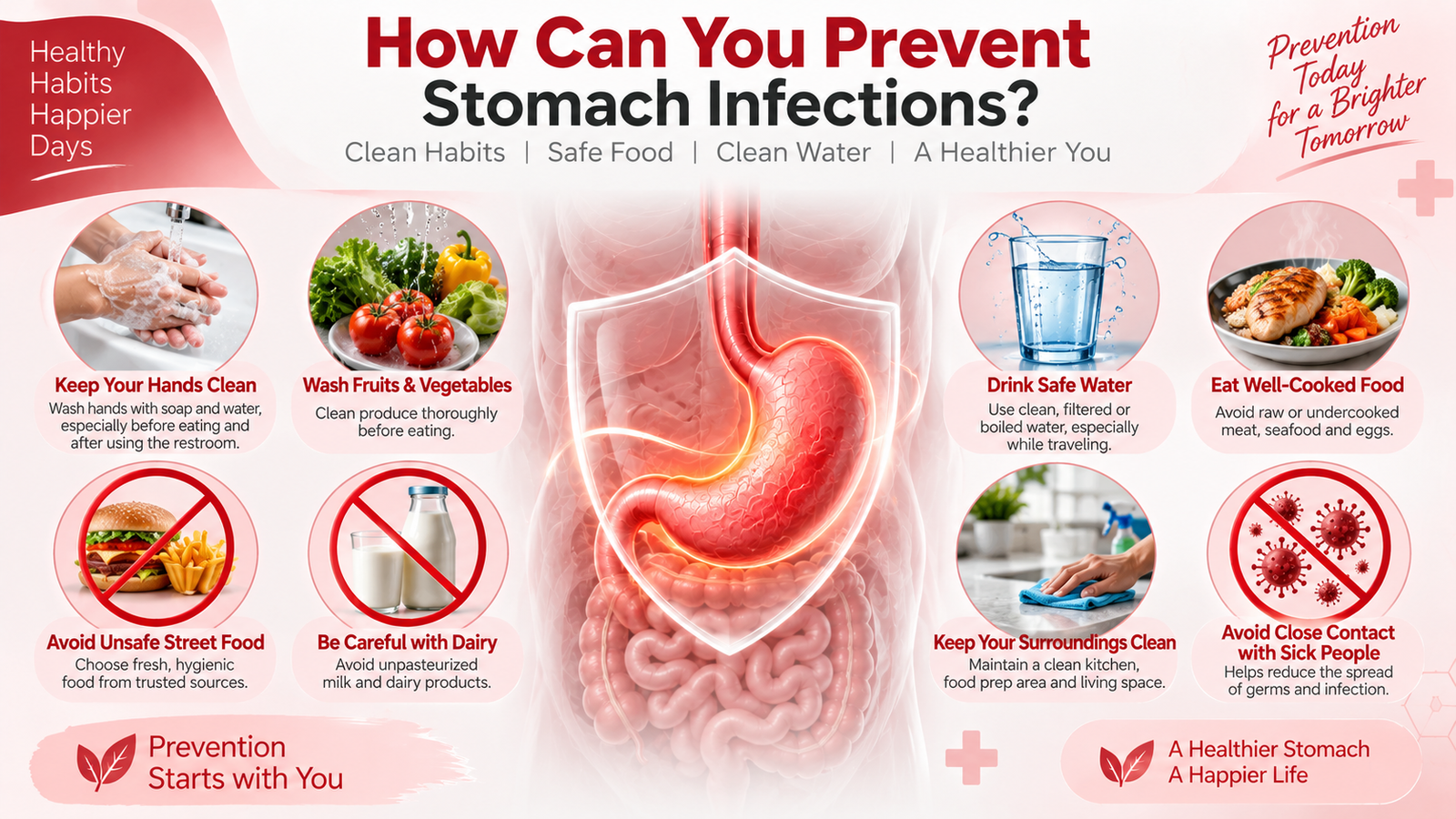
Prevention is about minimising the risk of exposure to infectious organisms. Wash hands with soap and water after using the toilet and before cooking and eating.
There is also the potential for reduced exposure if good food hygiene, safe water, appropriate food storage and proper cooking are achieved.
Surfaces and items within the home should be cleaned properly if the gastroenteritis is caused by a virus.
In addition, individuals who have viral gastroenteritis should not cook for others while they are ill or for at least 24 hours after they are feeling better.
For example, in Karachi, proper measures are taken such as hand hygiene before eating, avoiding the consumption of food that has not been stored properly, using reliable drinking water sources, and keeping cooked food is kept properly covered.
Can You Treat a Stomach Infection at Home?
If it is a mild stomach infection (not a serious infection), and the person is able to drink enough fluid, and there are no warning signs, then a mild infection can be treated at home.
Hydration, electrolyte replacement, rest, and then a slow return to normal food should be emphasized. Don’t take antibiotics just for diarrhea or vomiting.
If symptoms are severe, last longer than usual, or if stool is bloody, high fever, severe pain, repeated vomiting, or dehydration occur, home treatment may no longer be appropriate.
How Dr Sarwat Asif Can Help With Stomach Symptoms
If you are suffering from stomach symptoms for a long time, you can speak with an expert health care provider like Dr Sarwat Asif in Karachi.
A history may be sufficient to rule out short-term gastrointestinal infection, or other types of digestive disease may be suspected.
The aim should be to work out what the problem is and then select an appropriate treatment rather than just treating the symptom (using an antibiotic or other medicine) without examining the problem.