

What Is Acid Reflux?
Acid reflux occurs when stomach contents move backward into the esophagus, the tube that carries food from your mouth to your stomach.
Normally, the lower esophageal sphincter helps keep stomach contents from flowing upward. When this muscle relaxes at an inappropriate time or does not provide an effective barrier, stomach contents can move back into the esophagus.
This backward flow can cause the familiar burning sensation known as heartburn.
Acid reflux and GERD are closely related, but they are not the same. A person may experience occasional reflux without having chronic GERD.
GERD generally refers to reflux that is persistent or troublesome enough to cause ongoing symptoms or complications.
If symptoms continue to return, it is better to understand the reason behind them rather than repeatedly treating them as ordinary acidity.
What Symptoms Can Acid Reflux Cause?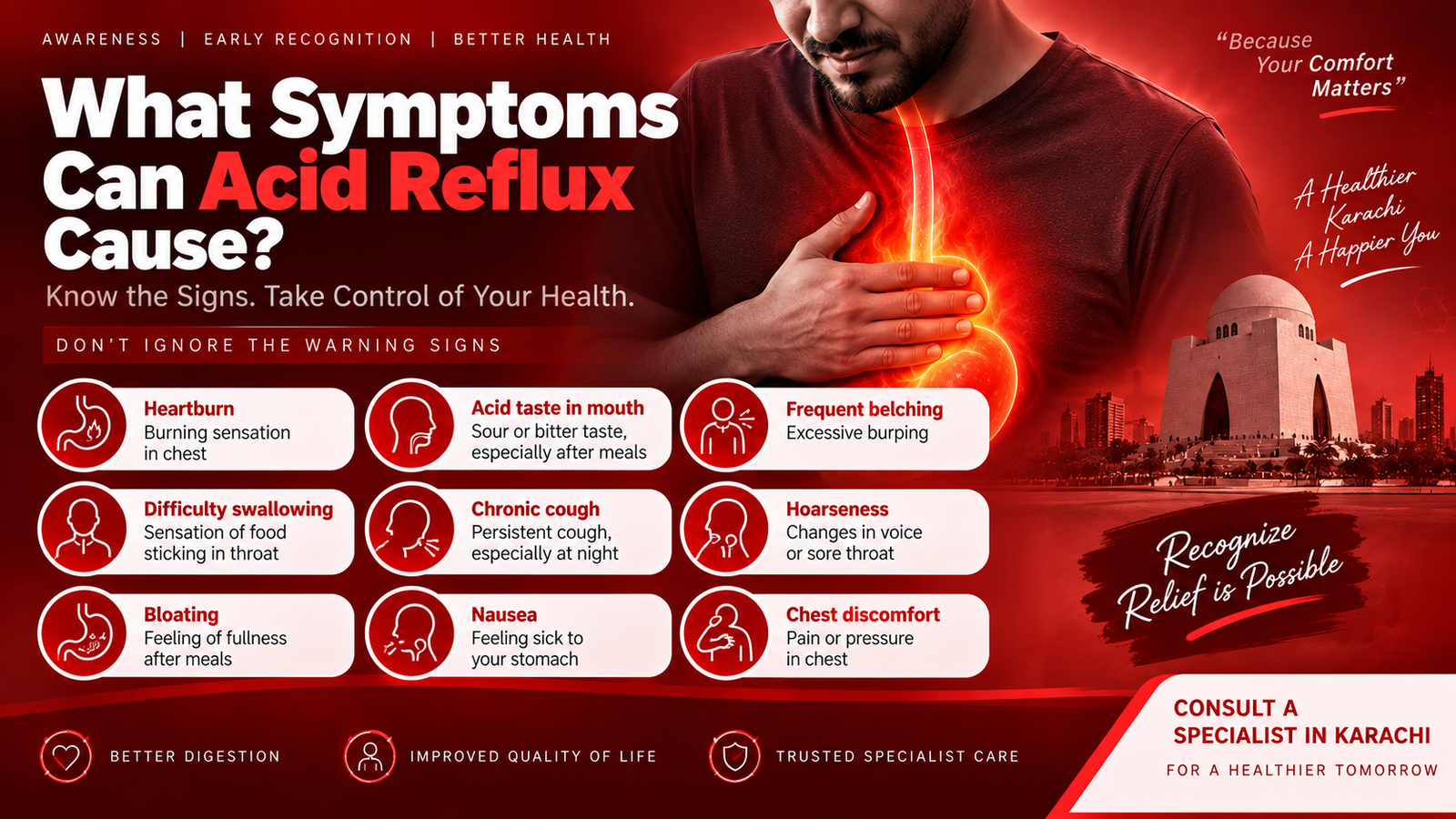
Heartburn is one of the most recognizable symptoms of acid reflux. It often feels like a burning sensation behind the breastbone and may become more noticeable after eating or when lying down.
Regurgitation is another common symptom. This happens when stomach contents or a sour-tasting liquid moves back toward the throat or mouth.
Acid reflux does not always feel like a typical digestive problem. Some people may experience throat irritation, coughing, hoarseness, nausea, or discomfort that they do not immediately associate with reflux.
Common Acid Reflux Symptoms
- Burning in the chest or upper abdomen
- Sour or bitter taste in the mouth
- Food or stomach contents coming back up
- Frequent burping or nausea
- Chronic cough or throat irritation
- Hoarseness
- Difficulty or pain when swallowing
Symptoms may become worse after meals, while bending over, or when lying down. Nighttime reflux can also disturb sleep.
It is important to remember that symptoms alone cannot confirm GERD. Similar symptoms may occur with other digestive or medical conditions, which is why persistent or unusual symptoms should be properly assessed.
What Causes Acid Reflux?
Acid reflux can develop when the normal barrier between the stomach and esophagus does not work effectively.
A weak or improperly relaxing lower esophageal sphincter can allow stomach contents to move upward. Several factors may increase the likelihood of reflux or make existing symptoms more noticeable.
These may include excess body weight, pregnancy, smoking, certain medicines, and hiatal hernia. Some foods and drinks may also trigger symptoms in particular people.
There is no universal list of foods that causes acid reflux in everyone. A food that triggers symptoms for one person may not affect another person at all.
For that reason, identifying your own patterns can be more useful than removing large numbers of foods from your diet without a clear reason.
When Should You See an Acid Reflux Doctor in Karachi?
Occasional heartburn may settle with simple lifestyle changes or short-term treatment. But if symptoms are frequent or keep returning, it is worth discussing them with a healthcare professional.
An acid reflux doctor in Karachi can help determine whether your symptoms are consistent with GERD or whether another condition needs to be considered.
Medical assessment becomes especially important when symptoms are persistent, getting worse, affecting your sleep, or interfering with normal daily activities.
Symptoms That Should Not Be Ignored
- Heartburn occurs frequently or on most days
- Symptoms continue despite lifestyle changes
- Over-the-counter medicines are not providing enough relief
- Food feels stuck while swallowing
- Swallowing is painful or difficult
- Persistent vomiting occurs
- You lose weight without trying
- You notice signs of gastrointestinal bleeding
These symptoms do not automatically mean that a serious disease is present. However, they may indicate that further evaluation is necessary.
When Is Chest Pain an Emergency?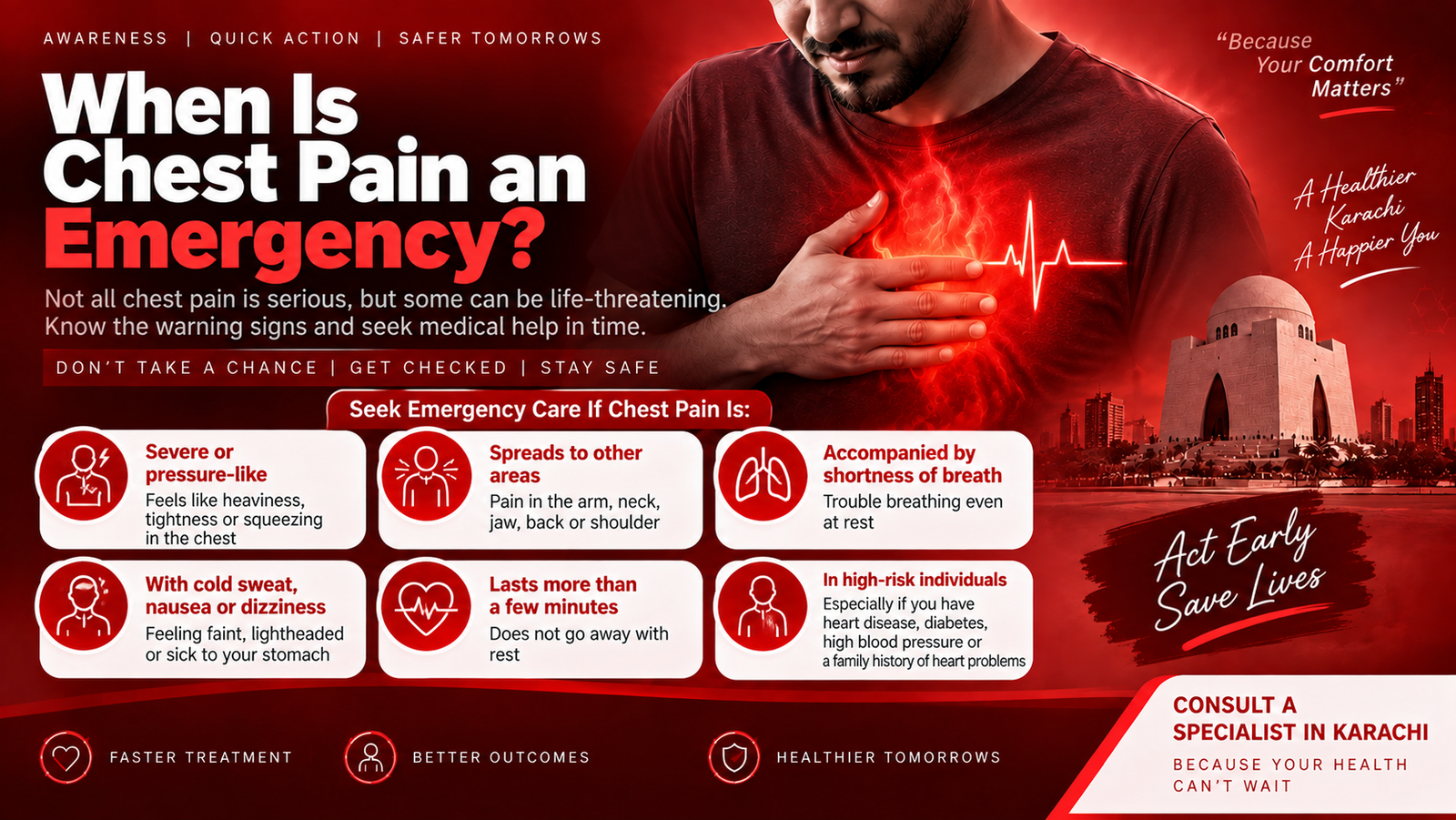
Chest pain should never automatically be assumed to be acid reflux.
Severe, unusual, or unexplained chest pain may have causes unrelated to the digestive system.
If chest pain occurs with shortness of breath, sweating, weakness, or pain spreading to the arm, jaw, neck, or back, seek urgent medical care rather than assuming it is heartburn.
Because digestive and heart-related symptoms can sometimes overlap, new or concerning chest discomfort should be assessed appropriately.
How Is Acid Reflux Diagnosed?
A diagnosis of GERD does not always require immediate testing.
In many cases, a doctor can initially evaluate reflux symptoms by discussing your medical history, symptom pattern, and overall clinical picture.
Testing may become appropriate when symptoms continue, treatment does not provide adequate improvement, complications are suspected, or another diagnosis needs to be considered.
During your consultation, your doctor may ask about:
- How often symptoms occur
- When symptoms usually appear
- Whether symptoms are associated with meals
- Whether symptoms become worse when lying down
- Medicines and supplements you take
- Smoking or alcohol use
- Changes in your weight
- Difficulty swallowing
- Previous digestive problems
This information can help your doctor distinguish reflux from other possible causes of chest, abdominal, throat, or digestive symptoms.
Tests a Doctor May Consider
Depending on the situation, an upper GI endoscopy or esophageal pH monitoring may be recommended.
An upper GI endoscopy allows a doctor to examine the upper digestive tract and look for inflammation, complications, or other conditions.
Esophageal pH monitoring measures acid exposure in the esophagus and can help confirm reflux in selected patients.
Not everyone with heartburn needs these tests. The decision depends on the individual’s symptoms, response to treatment, suspected complications, and the possibility of another condition.
How Is Acid Reflux Treated?
Acid reflux treatment is not the same for everyone.
Your treatment plan may depend on how often you experience symptoms, their severity, possible causes, other health conditions, and how you respond to initial treatment.
For some people, lifestyle changes can make a noticeable difference. These may include avoiding meals shortly before lying down, identifying personal food triggers, losing weight when medically appropriate, and stopping smoking.
Medication may also be recommended. Common categories include antacids, H2 receptor blockers, and proton pump inhibitors (PPIs). These medicines work in different ways, and the appropriate choice depends on the individual’s circumstances.
If you frequently need reflux medicines or symptoms remain uncontrolled, it is better to discuss the situation with a healthcare professional instead of relying on long-term self-medication.
In selected patients with persistent GERD or complications, procedures or surgery may be considered.
These treatments are not required for most people and should only be considered after appropriate medical evaluation.
Lifestyle Changes That May Help Acid Reflux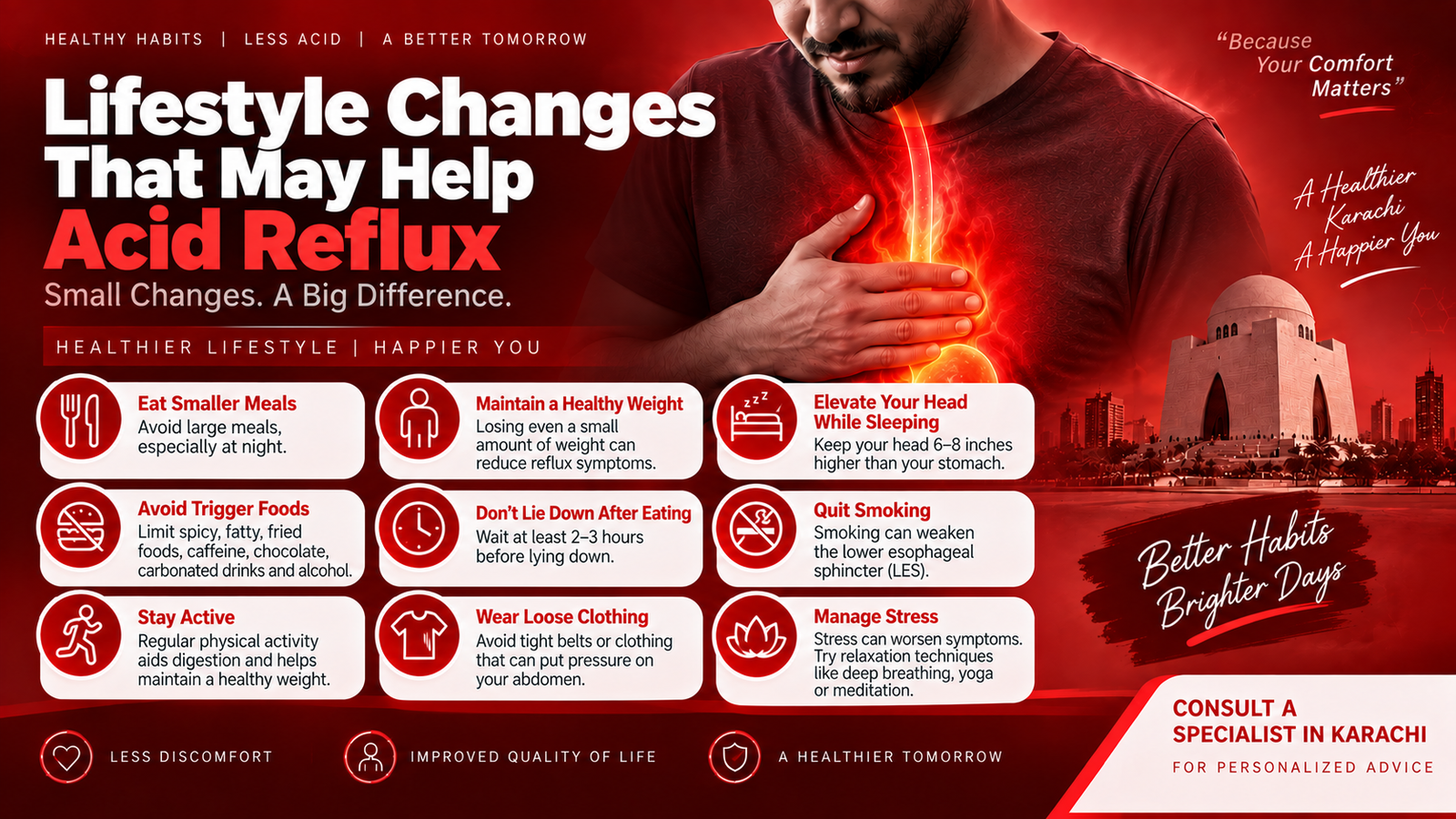
Lifestyle changes can be an important part of managing reflux, but the most helpful changes vary from person to person.
If nighttime reflux is a problem, leaving around three hours between eating and lying down may help. For people who are overweight or have obesity, medically appropriate weight loss may also improve GERD symptoms.
Commonly reported triggers include spicy foods, high-fat foods, chocolate, mint, coffee and other caffeine sources, tomatoes, citrus foods, and alcohol. However, these foods do not trigger symptoms in everyone.
A simple food and symptom record can help you identify whether a particular food or habit consistently makes your symptoms worse.
Smoking may also contribute to reflux and can make symptoms more difficult to control. Smoking cessation can therefore be an important part of improving overall digestive health.
Acid Reflux Treatment Options: What Is the Difference?
Treatment approach | Main purpose | When it may be considered | Important consideration |
Lifestyle changes | Reduce reflux triggers and symptoms | Many people with reflux symptoms | Results vary between individuals |
Antacids | Provide short-term relief | Mild, occasional symptoms | Not intended to manage persistent severe symptoms |
H2 receptor blockers | Reduce stomach acid production | Selected reflux symptoms | Ongoing use may require medical advice |
Proton pump inhibitors | Provide stronger acid suppression | GERD and persistent symptoms when appropriate | Use should follow appropriate medical guidance |
Endoscopy or other testing | Evaluate symptoms or possible complications | Selected patients | Not routinely required for everyone |
Surgery or procedures | Control reflux in selected cases | Persistent or specific GERD cases | Requires specialist assessment |
The aim of treatment is not simply to reduce stomach acid. A doctor should consider the overall pattern of symptoms and determine which approach is most appropriate for you.
How Can You Prepare for an Acid Reflux Doctor Appointment?
A little preparation can make your consultation more useful.Instead of simply telling your doctor that you have “acidity,” try to describe exactly what you feel and when it happens.
For example, consider whether symptoms appear after spicy food, large meals, tea or coffee, or when you lie down. Note whether you experience heartburn, regurgitation, coughing, nausea, throat irritation, or difficulty swallowing.
It is also helpful to bring a list of your current medicines and supplements. Some medicines can contribute to reflux symptoms or make them worse, so this information can help your doctor understand the full picture.
If you have already tried antacids or other reflux medicines, mention what you used and whether it helped.
How to Choose an Acid Reflux Doctor in Karachi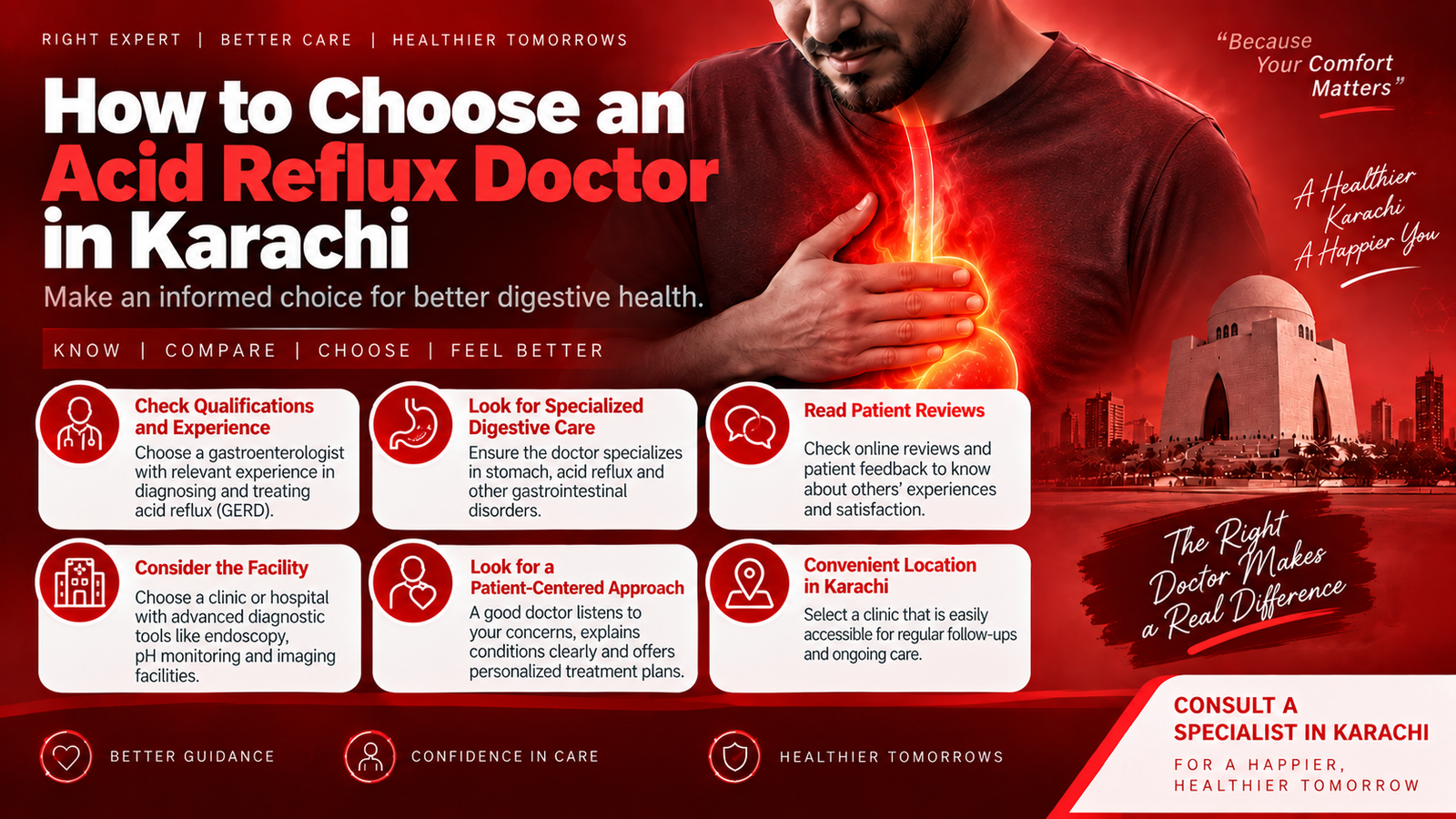
Choosing a doctor involves more than searching online for the “best acid reflux doctor in Karachi.”
A suitable healthcare professional should take time to understand your symptoms, consider possible alternative causes, explain treatment choices clearly, and recommend further testing when there is a clinical reason to do so.
When selecting a doctor, consider whether they:
- Take time to understand the pattern and duration of your symptoms.
- Consider other possible causes instead of automatically assuming that every burning sensation is GERD.
- Explain why a particular treatment or investigation may be appropriate.
- Discuss warning signs that require further medical attention.
- Develop a treatment approach suited to your individual circumstances.
If you are considering Dr Sarwat Asif for acid reflux concerns in Karachi, take your symptom history, current medicines, previous tests, and any relevant medical information to your consultation.
Online information can help you prepare, but it should not replace an individual medical assessment.
Can Acid Reflux Be Prevented?
Acid reflux cannot always be prevented, but certain habits may reduce symptoms for some people.
Eating smaller meals, identifying personal trigger foods, allowing enough time between eating and lying down, maintaining a healthy weight when appropriate, and avoiding smoking may help.
The goal is not to follow an unnecessarily restrictive diet. Instead, focus on the habits that clearly affect your symptoms.
If you repeatedly need medication to control heartburn, consider discussing the pattern with a doctor rather than continuing self-treatment indefinitely.
What Can Happen If GERD Is Left Untreated?
Frequent GERD can sometimes lead to complications, including inflammation of the esophagus, narrowing of the esophagus, and Barrett’s esophagus.
This does not mean that everyone with heartburn will develop complications. Many people with reflux symptoms do not experience serious problems.
The purpose of medical evaluation is to identify people who may need additional assessment or treatment.
Persistent swallowing problems, unexplained weight loss, gastrointestinal bleeding, or repeated vomiting are particularly important symptoms to discuss with a healthcare professional.
Common Mistakes People Make With Acid Reflux
One common mistake is assuming that every episode of chest burning is simply acidity.
Chest symptoms can have different causes, and unfamiliar or concerning chest pain should receive appropriate medical attention.
Another mistake is repeatedly using over-the-counter medicines without discussing frequent symptoms with a healthcare professional. Antacids may provide short-term relief, but they do not necessarily explain why symptoms keep returning.
A third mistake is eliminating many foods without identifying actual triggers. Instead, pay attention to symptom patterns and discuss persistent problems with a doctor.