


What Is a Doctor for Chronic Diseases?
A doctor for chronic diseases is a medical professional who evaluates, treats, and monitors health conditions that persist over months or years.
These doctors help patients control symptoms, review medications, monitor test results, and identify potential complications before they become more serious.
Depending on the condition, a patient may receive care from a general physician, an internal medicine specialist, or a specialist such as a cardiologist or endocrinologist.
The appropriate choice depends on the patient’s symptoms, medical history, existing diagnoses, and treatment needs.
Chronic disease management is not limited to prescribing medication. It can also involve routine examinations, laboratory testing, dietary guidance, physical activity recommendations, preventive care, and coordination between different healthcare professionals.
Which Chronic Diseases Require Regular Medical Care?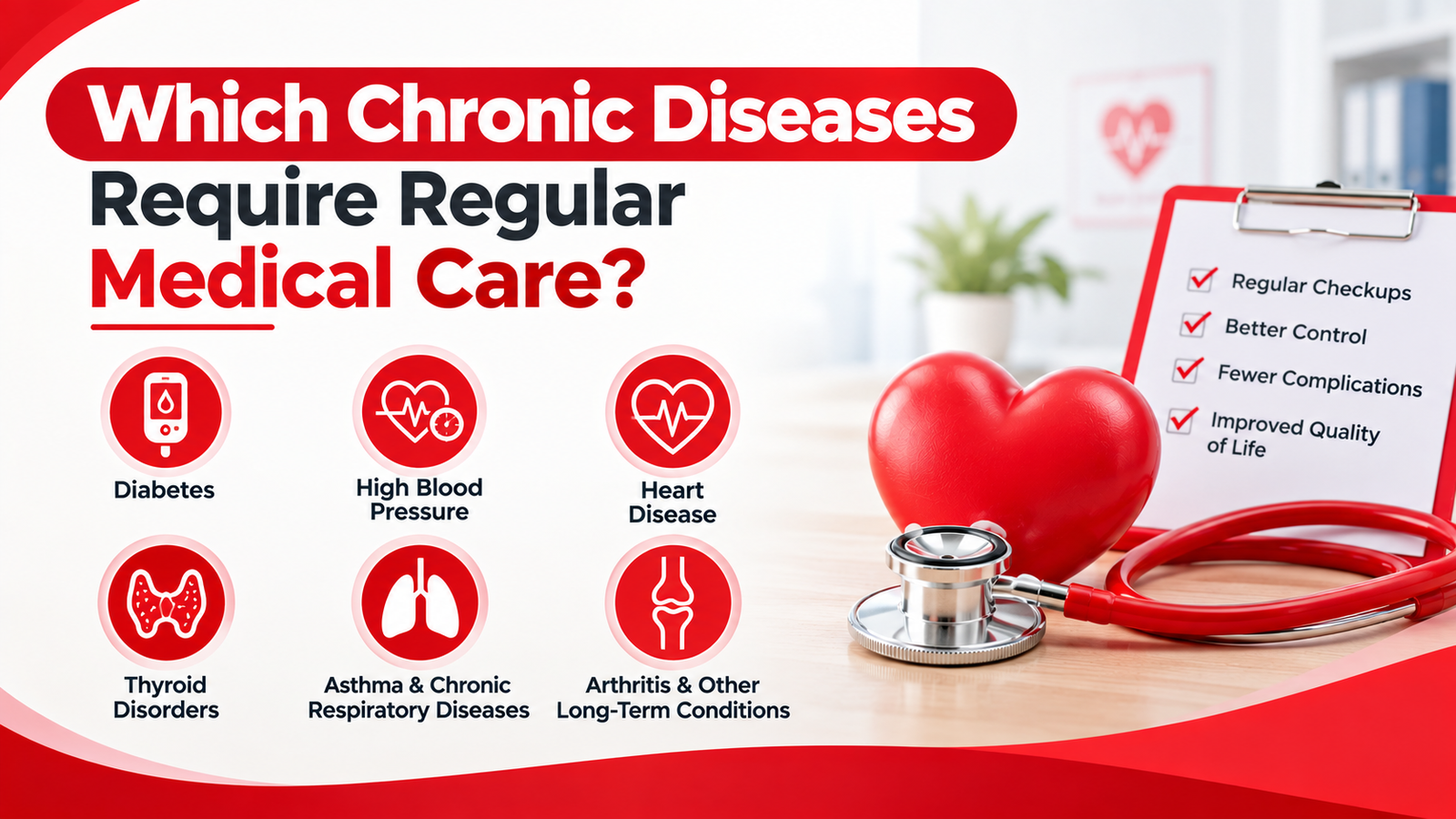
Many long-term conditions benefit from consistent monitoring because symptoms and health risks can change over time. Some illnesses may remain relatively stable for years, while others require frequent adjustments to treatment.
Common chronic diseases that may require ongoing medical care include:
Diabetes
Diabetes affects how the body regulates blood glucose. Without appropriate management, it can contribute to complications involving the eyes, kidneys, nerves, heart, and blood vessels.
A doctor may recommend blood glucose monitoring, HbA1c testing, medication review, dietary changes, and regular screening for complications.
The treatment plan depends on the type of diabetes, glucose levels, other health conditions, and individual circumstances.
High Blood Pressure
High blood pressure, also called hypertension, often causes no obvious symptoms. However, uncontrolled hypertension increases the risk of heart disease, stroke, and kidney problems.
Regular blood pressure measurements, medication as prescribed, reduced sodium intake, physical activity, and follow-up appointments can help manage the condition. Patients should not stop or change their medication simply because they feel well.
Heart Disease
People with coronary artery disease, heart failure, or other cardiovascular conditions may require ongoing supervision. A doctor may monitor blood pressure, cholesterol, breathing difficulties, swelling, exercise tolerance, and medication effects.
Depending on the diagnosis, care may involve an internal medicine specialist, cardiologist, or other appropriate professional.
Thyroid Disorders
Thyroid conditions, including hypothyroidism and hyperthyroidism, can affect energy levels, body temperature, heart rate, weight, and mood. Diagnosis may involve thyroid function tests and an assessment of symptoms.
Treatment and follow-up depend on the specific thyroid disorder. Medication adjustments should be guided by a healthcare professional rather than symptoms alone.
Asthma and Chronic Respiratory Diseases
Asthma and chronic obstructive pulmonary disease (COPD) can cause coughing, wheezing, chest tightness, and shortness of breath. Ongoing care may include inhaler reviews, assessment of symptom control, lung function testing when appropriate, and guidance on avoiding triggers.
Worsening breathing symptoms should be assessed promptly, especially when they interfere with normal activities or sleep.
Arthritis and Other Long-Term Conditions
Arthritis and certain other chronic inflammatory or pain-related conditions may require treatment to manage discomfort, preserve mobility, and reduce the impact on everyday life.
A general physician can assess symptoms and refer patients to a rheumatologist or another specialist when necessary.
Why Is Regular Chronic Disease Management Important?
Regular medical care helps patients understand whether their treatment is working and whether their condition is changing.
It also creates opportunities to identify complications, address medication side effects, and update the care plan as health needs evolve.
For example, a person with diabetes may have acceptable daily glucose readings but still need periodic HbA1c testing and kidney or eye assessments.
Similarly, someone with hypertension may feel completely normal while their blood pressure remains above the recommended range.
Consistent follow-up can support several important goals:
- Better disease control: Monitoring helps identify when a treatment plan may need adjustment.
- Early identification of complications: Appropriate examinations and tests can detect problems before symptoms become severe.
- Safer medication use: Doctors can review side effects, interactions, and whether prescribed treatments remain appropriate.
- Practical lifestyle guidance: Patients can receive advice that accounts for their health, routine, food preferences, and physical abilities.
- Continuity of care: Keeping medical records and attending follow-up appointments helps maintain a clearer picture of long-term health.
The frequency of appointments varies. A patient with a stable condition may need less frequent reviews than someone with newly diagnosed disease, uncontrolled symptoms, or multiple medical problems.
What Type of Doctor Should You Consult for a Chronic Disease?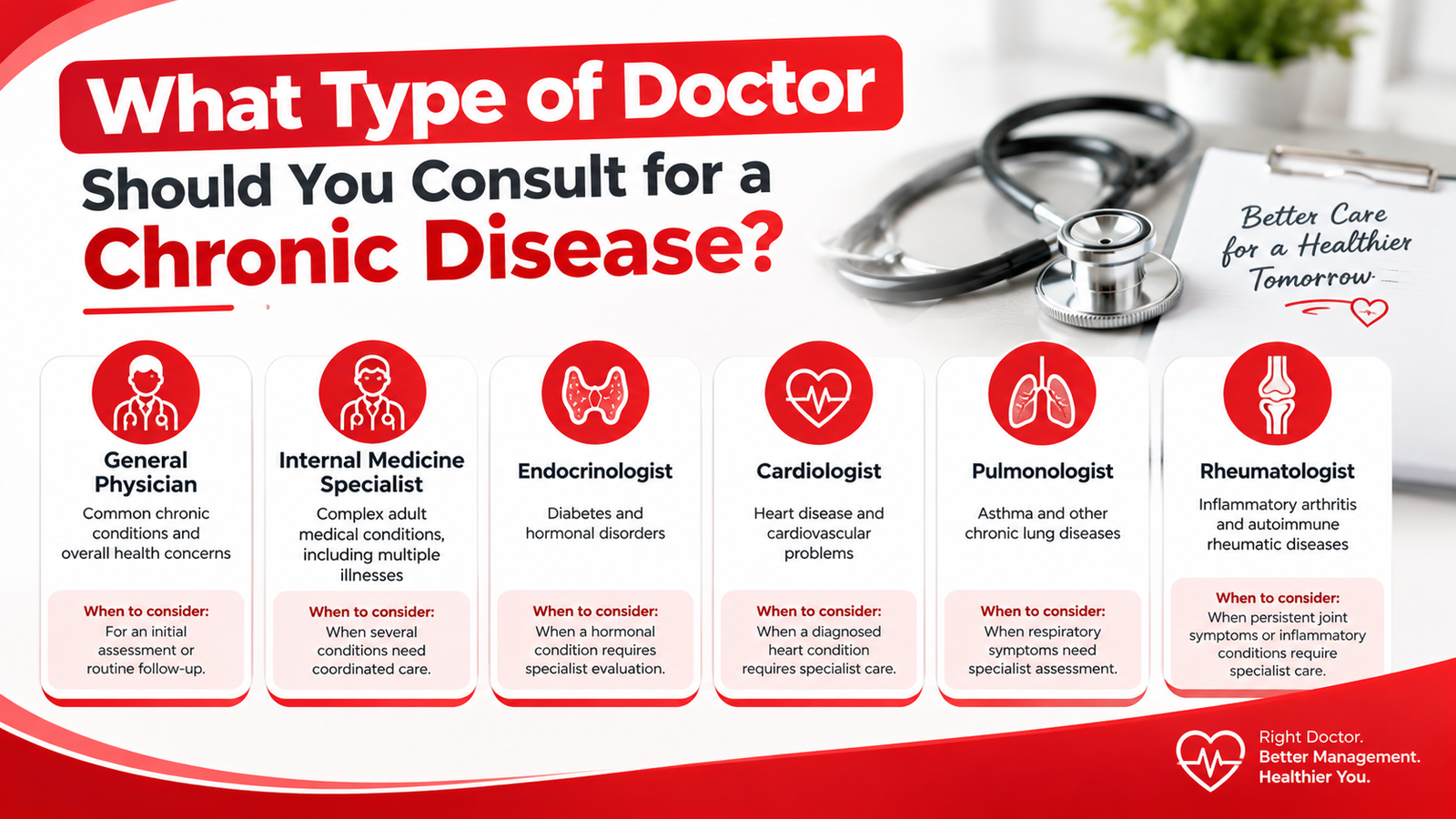
The right doctor depends on the condition, its severity, and whether the patient has more than one ongoing illness.
For many adults, a general physician or internal medicine specialist is a practical starting point because they can assess overall health and determine whether specialist care is needed.
|
Doctor type |
Conditions commonly managed |
When to consider an appointment |
|
General physician |
Common chronic conditions and overall health concerns |
When you need an initial assessment or routine follow-up |
|
Internal medicine specialist |
Complex adult medical conditions, including multiple illnesses |
When several conditions need coordinated management |
|
Endocrinologist |
Diabetes and hormonal disorders |
When a hormonal condition requires specialist evaluation |
|
Cardiologist |
Heart disease and cardiovascular problems |
When a diagnosed heart condition requires specialist care |
|
Pulmonologist |
Asthma and other chronic lung diseases |
When respiratory symptoms need specialist assessment |
|
Rheumatologist |
Inflammatory arthritis and autoimmune rheumatic diseases |
When persistent joint symptoms or inflammatory conditions require specialist care |
These roles can overlap. A patient with diabetes and high blood pressure, for example, may receive routine care from an internal medicine specialist while also seeing a cardiologist or endocrinologist when indicated.
You do not necessarily need to visit several specialists immediately.
Starting with a suitable physician can help establish priorities and avoid unnecessary investigations.
How Does Chronic Disease Treatment Usually Work?
Chronic disease treatment generally follows a structured process: assessment, diagnosis or review of an existing diagnosis, treatment planning, monitoring, and regular follow-up. The precise approach depends on the condition and the patient’s overall health.
Reviewing Medical History and Symptoms
During an initial consultation, the doctor may ask when symptoms began, how they have changed, which treatments the patient currently uses, and whether there is a family history of relevant illnesses.
Patients should also mention allergies, previous operations, other diagnosed conditions, and any side effects they have experienced. These details help the doctor evaluate potential risks and make informed decisions.
Performing an Examination and Ordering Tests
Depending on the condition, an assessment may include blood pressure measurement, a physical examination, blood tests, urine tests, or other investigations.
For example, diabetes management may involve blood glucose and HbA1c testing, while hypertension care may include repeated blood pressure measurements and assessments of kidney function when appropriate. Not every patient needs every test, and testing schedules should be individualized.
Developing a Treatment Plan
The doctor develops a plan based on the diagnosis, symptom severity, test results, medical history, and patient preferences.
Treatment may involve medication, lifestyle adjustments, monitoring at home, or referral to a specialist.
Patients should understand what each prescribed medicine is intended to do, how to take it, what side effects to watch for, and when the next review is due.
Monitoring Progress and Adjusting Care
Chronic disease management continues after the initial consultation.
Follow-up visits help determine whether symptoms, measurements, and laboratory results are improving or whether the plan needs revision.
Patients can support this process by keeping a record of relevant readings, attending recommended appointments, and informing their doctor about new symptoms or difficulties following the treatment plan.
Managing Chronic Diseases in Karachi: Practical Considerations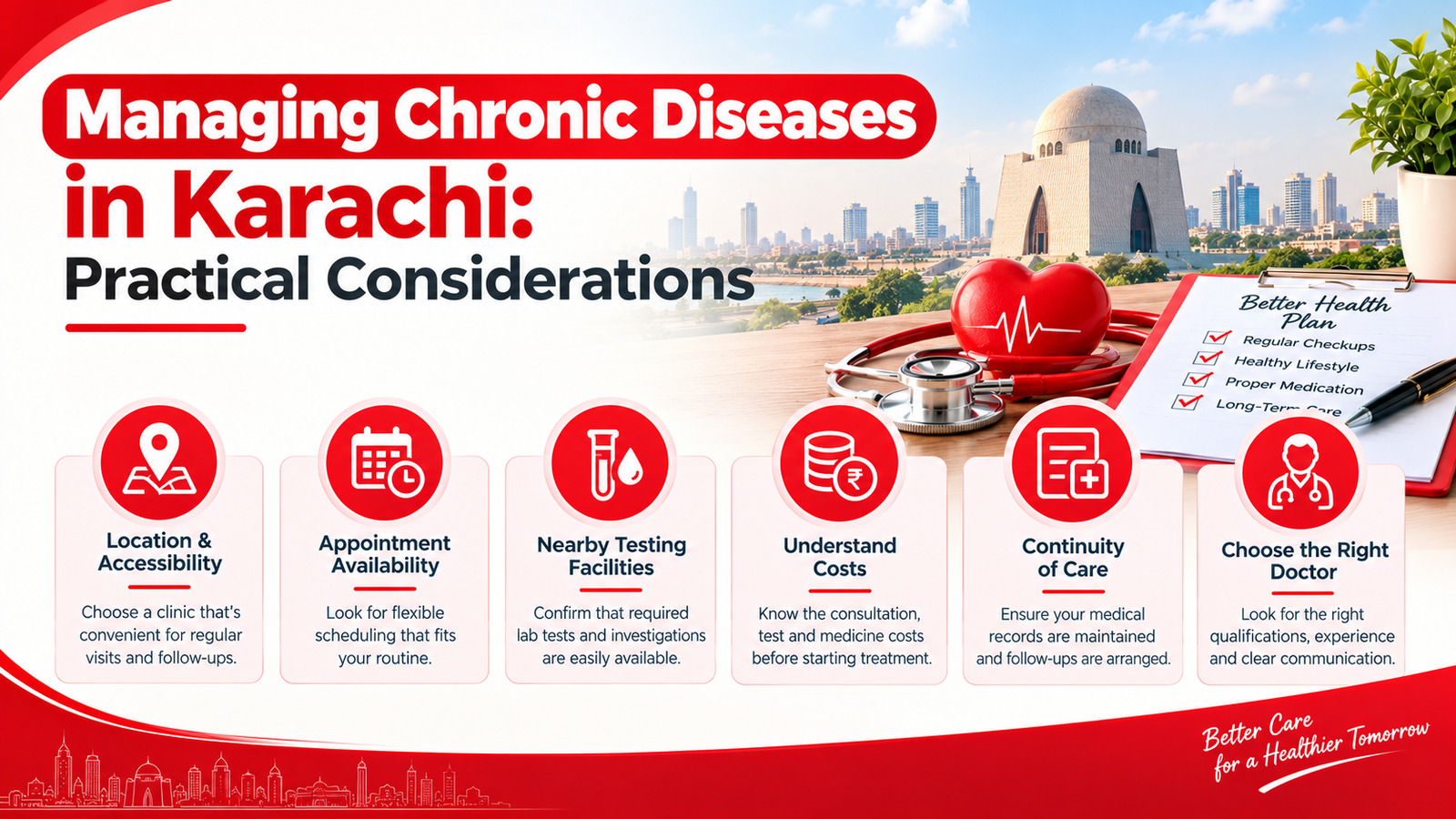
For patients seeking ongoing medical care in Karachi, convenience and continuity are important. Traffic, travel distance, work schedules, family responsibilities, and the availability of laboratory services can affect how easily someone attends appointments.
When choosing a doctor, consider whether the clinic’s location is practical for regular visits, whether appointment times fit your routine, and how follow-up consultations are arranged.
If you require frequent testing, ask whether the recommended investigations can be completed conveniently nearby.
It is also useful to understand the costs of consultations, investigations, and prescribed medicines before starting a long-term care plan.
Charges and service availability vary between providers, so confirm details directly rather than relying on assumptions.
Patients researching care through drsarwarasif.com can use the website as a starting point to review the available information about the doctor and services.
Before booking, confirm the relevant specialty, qualifications, clinic location, appointment availability, and whether the doctor manages your particular condition. These details should be verified directly with the practice.
How to Choose the Right Doctor for a Chronic Illness
Choosing a doctor is not simply about finding someone nearby. You need a healthcare professional whose training and services match your medical needs and who can support consistent follow-up.
Consider these factors when comparing providers:
- Relevant qualifications: Verify the doctor’s qualifications, registration, and specialty through appropriate professional sources.
- Experience with your condition: Ask whether the doctor routinely evaluates and manages the illness you have.
- Clear communication: The doctor should explain test results, treatment options, risks, and follow-up plans in language you understand.
- Continuity of care: Regular access to your medical records and a clear process for follow-up can make long-term management easier.
- Practical accessibility: Consider location, appointment availability, consultation costs, and access to necessary investigations.
- Coordination with specialists: If your condition is complex, ask how referrals and communication between healthcare professionals are handled.
A useful first appointment should leave you with a clearer understanding of your condition, the next steps in treatment, and the circumstances in which you should seek further medical attention.
What Should You Bring to Your Appointment?
Preparing for a medical consultation helps make the visit more productive. It can also reduce the chance of overlooking important information about your condition.
Before your appointment, gather your previous medical reports, recent laboratory results, current medication list, and any home readings relevant to your illness.
If you have diabetes, for instance, a glucose record may help the doctor identify patterns. If you have hypertension, a record of blood pressure measurements can provide useful context.
Write down your main symptoms, when they occur, and what makes them better or worse. Prepare questions about treatment goals, medication side effects, diet, exercise, and the timing of your next review.
If a family member helps manage your care, consider bringing them along, particularly if the treatment plan is complex. However, the patient should remain involved in decisions to the extent they are able.
Common Mistakes to Avoid When Managing a Chronic Disease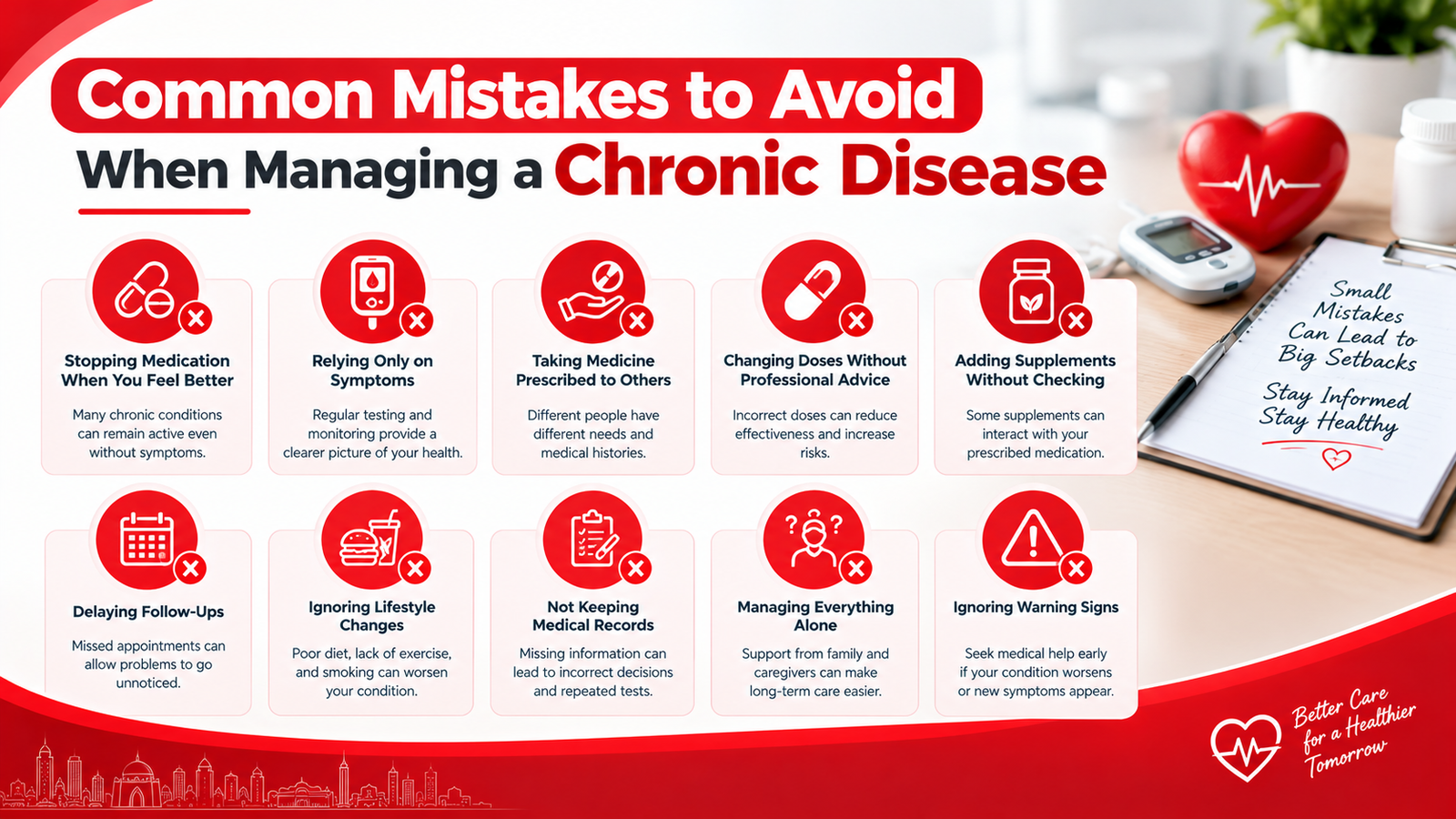
Long-term conditions can be difficult to manage, especially when symptoms improve or treatment becomes part of a daily routine. Certain mistakes can make control more difficult.
One common mistake is stopping medication when symptoms disappear. Many chronic diseases, including hypertension and diabetes, can remain active even when a person feels healthy. Medication changes should be discussed with the prescribing clinician.
Another problem is relying on symptoms alone instead of recommended monitoring. A person may not notice changes in blood pressure, blood glucose, or kidney function until a complication develops.
Following the appropriate testing schedule helps provide a more complete picture of health.
Patients should also avoid taking medicines prescribed to another person, changing doses without guidance, or adding supplements without checking for potential interactions.
Delaying follow-up because of busy schedules can also allow an existing problem to go unaddressed.
Finally, avoid making several major lifestyle changes at once if doing so makes the plan difficult to maintain. Practical adjustments to food choices, physical activity, sleep, and medication routines are often easier to sustain when introduced with professional guidance.
When Should You Seek Medical Help?
Arrange a medical appointment if you have persistent symptoms, repeatedly abnormal blood pressure or glucose readings, difficulties tolerating medication, or a diagnosed condition that has not been reviewed as recommended.
Contact your doctor promptly if an existing illness is worsening, you develop new symptoms, or your prescribed treatment no longer seems to control the problem. Do not wait for a routine appointment if the change is significant.
Seek emergency medical care for warning signs such as severe chest pain, severe difficulty breathing, sudden weakness or numbness on one side of the body, sudden trouble speaking, or loss of consciousness.
Severe confusion, a seizure, or other signs of a medical emergency also require immediate assessment. Do not delay emergency care while waiting for a clinic appointment.