

Digestive problems can affect your comfort, nutrition, energy levels, and overall quality of life.
If symptoms such as persistent stomach pain, heartburn, bloating, constipation, diarrhea, or nausea continue for more than a few days, consulting a gastroenterologist in Karachi is an important step toward identifying the underlying cause.
A qualified digestive specialist can diagnose disorders of the stomach, intestines, liver, pancreas, gallbladder, and esophagus while creating a treatment plan based on your specific condition.
Many digestive diseases begin with mild symptoms that people ignore until they interfere with daily activities.
Early diagnosis often leads to simpler treatment, faster recovery, and a lower risk of complications. Whether you are dealing with acid reflux, irritable bowel syndrome, fatty liver disease, hepatitis, or chronic abdominal pain, timely medical care can make a significant difference.
This guide explains the role of a gastro specialist, common digestive disorders, diagnostic methods, available treatments, and practical advice to help you maintain better digestive health.
What Is a Gastro Specialist in Karachi?
A gastro specialist, also known as a Gastroenterologist in Karachi, is a physician who specializes in diagnosing, treating, and preventing diseases of the digestive system.
These specialists receive advanced training in managing disorders that affect the esophagus, stomach, small intestine, large intestine, rectum, liver, pancreas, and gallbladder.
Unlike a general physician who treats a wide range of medical conditions, a gastro specialist focuses entirely on digestive health.
This specialized knowledge allows them to diagnose both common and complex gastrointestinal disorders using modern diagnostic techniques and evidence-based treatment plans.
Many Consultant Gastroenterologists in Karachi are also trained to perform procedures such as endoscopy and colonoscopy.
These procedures help detect digestive diseases at an early stage and often prevent more serious complications.
Why Digestive Health Matters
The digestive system performs much more than breaking down food. It absorbs nutrients that fuel the body, supports immune function, regulates metabolism, and removes waste products.
When any part of this system stops working properly, it can affect overall health.
For example, persistent acid reflux may damage the lining of the esophagus if left untreated.
Chronic constipation can reduce quality of life and sometimes indicate an underlying digestive disorder.
Liver diseases may remain silent for years before symptoms become noticeable, making early medical evaluation extremely valuable.
A Digestive Health Specialist Karachi evaluates these conditions carefully instead of treating only the visible symptoms.
Identifying the root cause helps improve long term health while reducing the chance of repeated digestive problems.
Common Digestive Disorders Treated by a Gastroenterologist
A Gastro Doctor in Karachi treats a wide variety of digestive diseases ranging from temporary stomach infections to chronic liver disorders.
Each condition requires a different diagnostic approach and treatment plan depending on its severity.
Acid reflux disease is one of the most common digestive problems. People with frequent heartburn, chest burning, or sour tasting acid in the mouth may require evaluation by an Acid Reflux Doctor Karachi or GERD Specialist Karachi.
Early treatment helps prevent inflammation and long term damage to the esophagus.
Chronic stomach pain is another common reason patients visit a Stomach Specialist in Karachi.
Persistent pain may result from gastritis, peptic ulcers, gallstones, pancreatitis, food intolerance, or inflammatory bowel disease. A detailed medical evaluation helps determine the exact cause before treatment begins.
Irritable bowel syndrome, commonly called IBS, affects millions of people worldwide. Symptoms often include abdominal pain, bloating, constipation, diarrhea, or alternating bowel habits.
An experienced IBS Specialist Karachi develops a treatment plan that may include dietary modifications, medication, stress management, and regular follow-up.
Liver diseases require specialized care because the liver performs hundreds of essential functions within the body.
A Liver Specialist Karachi or Hepatologist Karachi manages conditions such as fatty liver disease, hepatitis, liver inflammation, cirrhosis, and metabolic liver disorders.
Early diagnosis significantly improves treatment outcomes in many cases.
Gallbladder disorders may also require evaluation by a Digestive Disease Specialist in Karachi. Gallstones can block the normal flow of bile, leading to severe abdominal pain, nausea, vomiting, and digestive discomfort after meals.
Prompt diagnosis reduces the risk of infection and other complications.
Inflammatory bowel diseases such as Crohn’s disease and ulcerative colitis require continuous monitoring because they can cause repeated episodes of abdominal pain, diarrhea, weight loss, and intestinal inflammation.
Long-term management helps patients maintain a better quality of life while reducing disease flare-ups.
Comparison of Common Digestive Conditions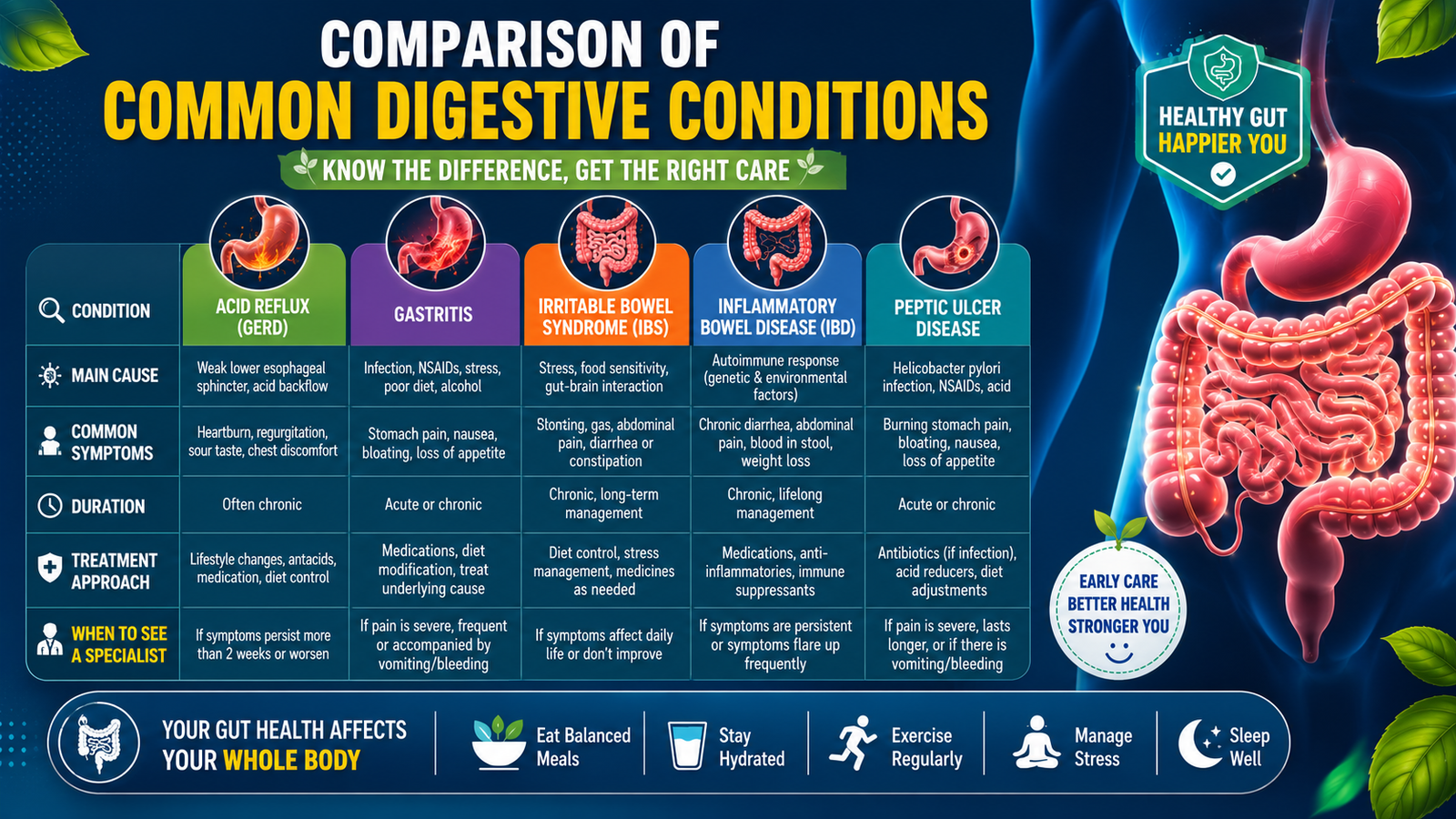
Condition | Common Symptoms | Specialist Who Treats It |
Acid Reflux (GERD) | Heartburn, chest burning, sour taste | GERD Specialist Karachi |
IBS | Bloating, abdominal cramps, constipation or diarrhea | IBS Specialist Karachi |
Peptic Ulcer | Burning stomach pain, nausea | Gastroenterologist in Karachi |
Fatty Liver Disease | Fatigue, mild abdominal discomfort | Liver Specialist Karachi |
Hepatitis | Jaundice, fatigue, loss of appetite | Hepatologist Karachi |
Gallbladder Disease | Upper abdominal pain after meals | Digestive Health Specialist Karachi |
How Gastro Specialists Diagnose Digestive Disorders
Accurate diagnosis is the foundation of effective treatment. A Gastrointestinal Specialist Karachi begins by reviewing the patient’s medical history, current symptoms, eating habits, medications, family history, and previous illnesses.
This detailed assessment helps narrow down the possible causes before additional tests are recommended.
Blood tests are often performed to evaluate liver function, detect infections, identify inflammation, or check for nutritional deficiencies.
Stool analysis may be recommended when chronic diarrhea, digestive infections, or hidden gastrointestinal bleeding is suspected.
Imaging studies such as ultrasound or CT scans provide detailed views of the liver, gallbladder, pancreas, and surrounding digestive organs. These tests help detect gallstones, liver disease, tumors, inflammation, or structural abnormalities that may not be visible during a routine physical examination.
Upper gastrointestinal endoscopy allows an Endoscopy Specialist Karachi to examine the esophagus, stomach, and upper small intestine using a thin flexible camera.
This procedure helps diagnose acid reflux disease, stomach ulcers, inflammation, infections, and certain early cancers.
In many cases, small tissue samples can also be collected for laboratory examination during the same procedure.
A Colonoscopy Specialist Karachi performs a colonoscopy to examine the large intestine and rectum.
This procedure plays an important role in identifying inflammatory bowel disease, colorectal polyps, unexplained bleeding, chronic diarrhea, and colorectal cancer.
Colonoscopy also allows doctors to remove certain polyps before they become harmful.
Modern diagnostic techniques have significantly improved the early detection of digestive diseases.
Earlier diagnosis usually means less invasive treatment, faster recovery, and better long-term health outcomes for patients.
Available Treatment Options for Digestive Diseases
Treatment depends entirely on the diagnosis, severity of symptoms, age, medical history, and overall health of the patient.
A Digestive System Doctor Karachi creates an individualized treatment plan instead of using the same approach for every condition.
Lifestyle modifications often form the first step in treatment.
Improving eating habits, maintaining a healthy body weight, avoiding tobacco, limiting alcohol consumption, reducing stress, and staying physically active can improve many digestive disorders.
Medications are commonly prescribed to control acid production, reduce inflammation, eliminate infections, improve bowel function, or protect the digestive tract.
Patients should always complete the prescribed treatment course and attend follow up appointments to monitor progress.
Some digestive conditions require minimally invasive procedures rather than surgery.
Therapeutic endoscopy, removal of gastrointestinal polyps, treatment of bleeding ulcers, or management of bile duct disorders can often be performed using advanced endoscopic techniques.
For complex liver disease, inflammatory bowel disease, or gastrointestinal cancers, treatment may involve collaboration between gastroenterologists, surgeons, radiologists, oncologists, and nutrition specialists to achieve the best possible outcomes.
Symptoms That May Indicate a Digestive Disorder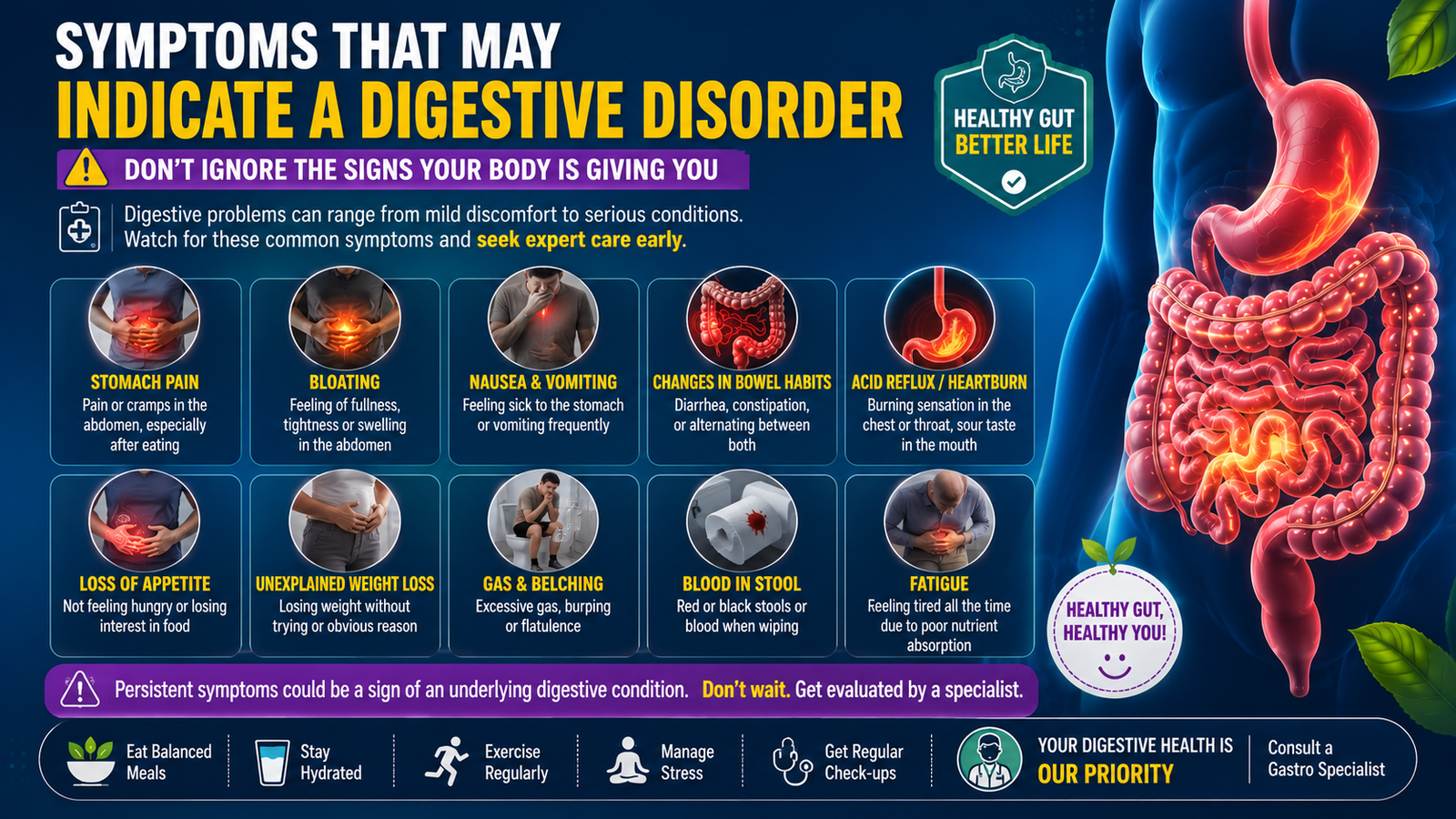
Digestive diseases often begin with mild symptoms that appear occasionally and gradually become more frequent.
While an occasional stomach upset may not be a cause for concern, symptoms that continue for several weeks or repeatedly return should not be ignored.
Persistent chronic stomach pain is one of the most common warning signs.
The discomfort may feel sharp, burning, or cramping and can occur before or after meals. In some cases, it may indicate gastritis, peptic ulcers, gallstones, pancreatitis, or inflammatory bowel disease.
Frequent acid reflux treatment may become necessary when heartburn occurs several times each week.
Acid flowing back into the esophagus can cause chest burning, a sour taste in the mouth, difficulty swallowing, or a persistent cough. A qualified Heartburn Specialist or GERD Specialist Karachi can determine whether lifestyle changes alone are sufficient or if medication is required.
Long lasting bloating may develop because of food intolerance, IBS, digestive infections, or poor digestion.
Many patients also experience excessive gas, abdominal fullness, and discomfort after eating even small meals.
Seeking Bloating Treatment early can help identify the underlying cause rather than simply relieving symptoms.
Changes in bowel habits should always receive medical attention if they continue for more than a few weeks.
Persistent constipation, repeated diarrhea, or alternating bowel movements may indicate irritable bowel syndrome, inflammatory bowel disease, or another gastrointestinal condition. A Constipation Specialist or a doctor providing Diarrhea Treatment can recommend appropriate investigations and management.
Some symptoms require urgent evaluation. Blood in stool, unexplained weight loss, repeated vomiting, severe abdominal pain, black colored stools, or difficulty swallowing should never be ignored because they may indicate serious digestive diseases that require immediate treatment.
Risk Factors That Increase Digestive Problems
Digestive disorders can affect people of every age, but several lifestyle and medical factors increase the likelihood of developing gastrointestinal diseases.
A diet rich in processed foods and low in fiber often contributes to constipation, acid reflux, and poor digestive health.
Regular consumption of fried foods, sugary beverages, and excessive spicy meals may also worsen symptoms in susceptible individuals.
Obesity is another important risk factor because excess body weight increases pressure inside the abdomen, making acid reflux and fatty liver disease more common.
Maintaining a healthy weight often improves digestive symptoms without the need for intensive treatment.
Smoking and excessive alcohol consumption can damage the digestive tract, increase stomach acid production, and contribute to liver disease.
Reducing these habits plays an important role in protecting long term digestive health.
Certain medications, including prolonged use of pain relievers, may increase the risk of stomach ulcers and gastrointestinal bleeding.
Patients should always use medicines according to medical advice and discuss any long term prescriptions with their healthcare provider.
Family history also influences digestive health. Individuals with relatives affected by colorectal cancer, inflammatory bowel disease, or liver disorders may benefit from earlier screening and regular medical follow up.
When Should You Visit a Gastro Specialist in Karachi?
- Persistent stomach pain lasting more than two weeks.
- Frequent heartburn or acid reflux that does not improve.
- Ongoing constipation or diarrhea.
- Blood in the stool or black colored stools.
- Repeated nausea or vomiting.
- Difficulty swallowing food or liquids.
- Unexplained weight loss.
- Constant bloating after meals.
- Yellowing of the skin or eyes.
- Family history of colorectal cancer, liver disease, or inflammatory bowel disease.
Why Early Diagnosis Makes a Difference
Many digestive diseases become more difficult to treat when diagnosis is delayed.
Conditions such as fatty liver disease, hepatitis, colorectal polyps, and inflammatory bowel disease often develop gradually before noticeable symptoms appear.
For example, a patient with persistent heartburn may assume it is caused only by spicy food. However, prolonged acid reflux can damage the lining of the esophagus if left untreated.
Early consultation with a Digestive Disease Specialist Karachi allows appropriate treatment before complications develop.
Similarly, routine colonoscopy can detect and remove precancerous polyps before they progress into colorectal cancer.
Early intervention not only improves recovery but also reduces healthcare costs and the need for more complex procedures later.
Practical Example
Consider a patient who experiences stomach discomfort after almost every meal.
At first, the symptoms seem minor, so over the counter medicines provide temporary relief.
After several months, the pain becomes more frequent, and heartburn begins to interrupt sleep.
A consultation with a Consultant Gastroenterologist Karachi leads to a detailed evaluation, blood tests, and an upper gastrointestinal endoscopy.
The examination identifies a peptic ulcer caused by excessive stomach acid and bacterial infection.
With appropriate medication, dietary adjustments, and follow up care, the patient’s symptoms gradually resolve, preventing more serious complications such as bleeding or perforation.
This example highlights why professional evaluation is more effective than relying on self medication for persistent digestive symptoms.
Expert Recommendations
- Eat balanced meals that include fruits, vegetables, whole grains, and lean protein to support healthy digestion.
- Drink enough water throughout the day because proper hydration helps maintain normal bowel function.
- Avoid overeating, especially late at night, as large meals can worsen acid reflux and indigestion.
- Limit processed foods, excessive sugary drinks, and high fat meals if they regularly trigger digestive symptoms.
- Exercise regularly to promote healthy digestion, maintain body weight, and reduce the risk of fatty liver disease.
- Avoid smoking and limit alcohol consumption to protect both the digestive tract and liver.
- Do not ignore recurring symptoms such as abdominal pain, blood in stool, or persistent heartburn.
- Follow the treatment plan prescribed by your healthcare provider and attend follow up appointments when recommended.
- Discuss any long term medications with your doctor because some medicines may affect the stomach or liver.
- Consider preventive screening, including endoscopy or colonoscopy, if you have persistent symptoms or a family history of digestive diseases.
Maintaining Good Digestive Health
Healthy daily habits play an important role in preventing many digestive disorders.
A balanced diet rich in fiber helps support normal bowel movements while reducing the risk of constipation.
Choosing fresh foods instead of heavily processed meals also benefits the digestive system.
Regular physical activity improves digestion by supporting healthy intestinal movement and maintaining a healthy body weight.
Even moderate exercise, such as walking for thirty minutes each day, can contribute to better digestive function.
Managing stress is equally important because emotional stress may worsen symptoms in conditions such as irritable bowel syndrome and acid reflux.
Relaxation techniques, adequate sleep, and a consistent daily routine often improve both digestive and overall health.
Hydration should never be overlooked. Drinking sufficient water each day helps the digestive tract function efficiently and supports the body’s natural waste removal process.
Routine medical checkups become increasingly valuable for individuals with diabetes, obesity, liver disease, or a family history of gastrointestinal disorders. Preventive care often detects problems before symptoms become severe.
Frequently Asked Questions
When should I see a gastro specialist in Karachi?
You should consult a gastro specialist if you have persistent stomach pain, frequent heartburn, ongoing constipation or diarrhea, blood in the stool, unexplained weight loss, difficulty swallowing, or digestive symptoms that continue for more than two weeks.
What diseases does a gastroenterologist treat?
A Gastroenterologist in Karachi treats acid reflux, GERD, gastritis, peptic ulcers, irritable bowel syndrome, inflammatory bowel disease, hepatitis, fatty liver disease, gallbladder disorders, pancreatitis, digestive infections, and many other gastrointestinal conditions.
Is an endoscopy painful?
Most upper gastrointestinal endoscopy procedures are performed using sedation, making the examination comfortable for most patients.
Mild throat discomfort may occur afterward, but it usually resolves within a short time.
Why is colonoscopy important?
A colonoscopy helps detect colorectal polyps, inflammatory bowel disease, chronic intestinal bleeding, and colorectal cancer.
It can also remove certain polyps before they become cancerous, making it an important preventive procedure for many patients.
Can digestive diseases be prevented?
Many digestive disorders can be prevented or their risk reduced by eating a balanced diet, staying physically active, maintaining a healthy weight, drinking enough water, avoiding smoking, limiting alcohol consumption, and seeking medical care when symptoms first appear.
Conclusion
Choosing the right gastro specialist in Karachi is an important step toward protecting your digestive health and improving your quality of life.
Persistent symptoms such as chronic stomach pain, acid reflux, bloating, constipation, diarrhea, or blood in the stool should never be ignored.
Early evaluation allows accurate diagnosis and timely treatment, reducing the risk of long term complications.
Modern diagnostic procedures, including endoscopy and colonoscopy, have made it easier to identify digestive diseases at an early stage.
Combined with healthy lifestyle habits, regular medical follow up, and evidence based treatment, these advances help patients manage digestive disorders more effectively and maintain better overall health.
Making informed healthcare decisions and seeking medical advice when symptoms persist can lead to faster recovery, improved comfort, and long term digestive wellness.