

Digestive problems can affect your daily life in many ways. Constant acidity, stomach pain, bloating, constipation, diarrhea, or unexplained digestive discomfort can make simple activities difficult.
Many people ignore these symptoms until they become serious, but early medical attention can prevent complications.
A gastrology doctor specializes in diagnosing and treating conditions related to the digestive system, including the stomach, intestines, liver, pancreas, and related organs.
These specialists help patients manage common problems like acid reflux as well as complex digestive diseases that require advanced care.
Finding the right digestive specialist is important because your digestive system plays a major role in nutrient absorption, energy levels, and overall health.
This guide explains when to visit a gastro specialist doctor, what treatments they provide, and how to choose the best medical expert for your needs.
What Does a Gastrology Doctor Do and Which Conditions Do They Treat?
A gastrology doctor, also known as a gastroenterologist, is a medical specialist trained to diagnose and treat disorders of the digestive system.
Their expertise covers the complete digestive tract, from the esophagus and stomach to the intestines, liver, and pancreas.
A digestive health doctor commonly treats conditions such as:
- Acid reflux and GERD
- Gastritis and stomach inflammation
- Irritable bowel syndrome (IBS)
- Constipation and chronic diarrhea
- Peptic ulcers
- Inflammatory bowel disease (IBD)
- Liver diseases
- Gallbladder problems
- Pancreatic disorders
- Digestive infections
- Colon-related conditions
These specialists use medical history, physical examinations, laboratory tests, imaging, and advanced procedures to identify the root cause of digestive issues.
For example, a patient experiencing frequent heartburn may need evaluation by a gastroenterologist for acid reflux instead of relying only on temporary medications.
Proper diagnosis helps create a treatment plan that improves long-term health.
When Should You Visit a Gastroenterology Doctor Near Me?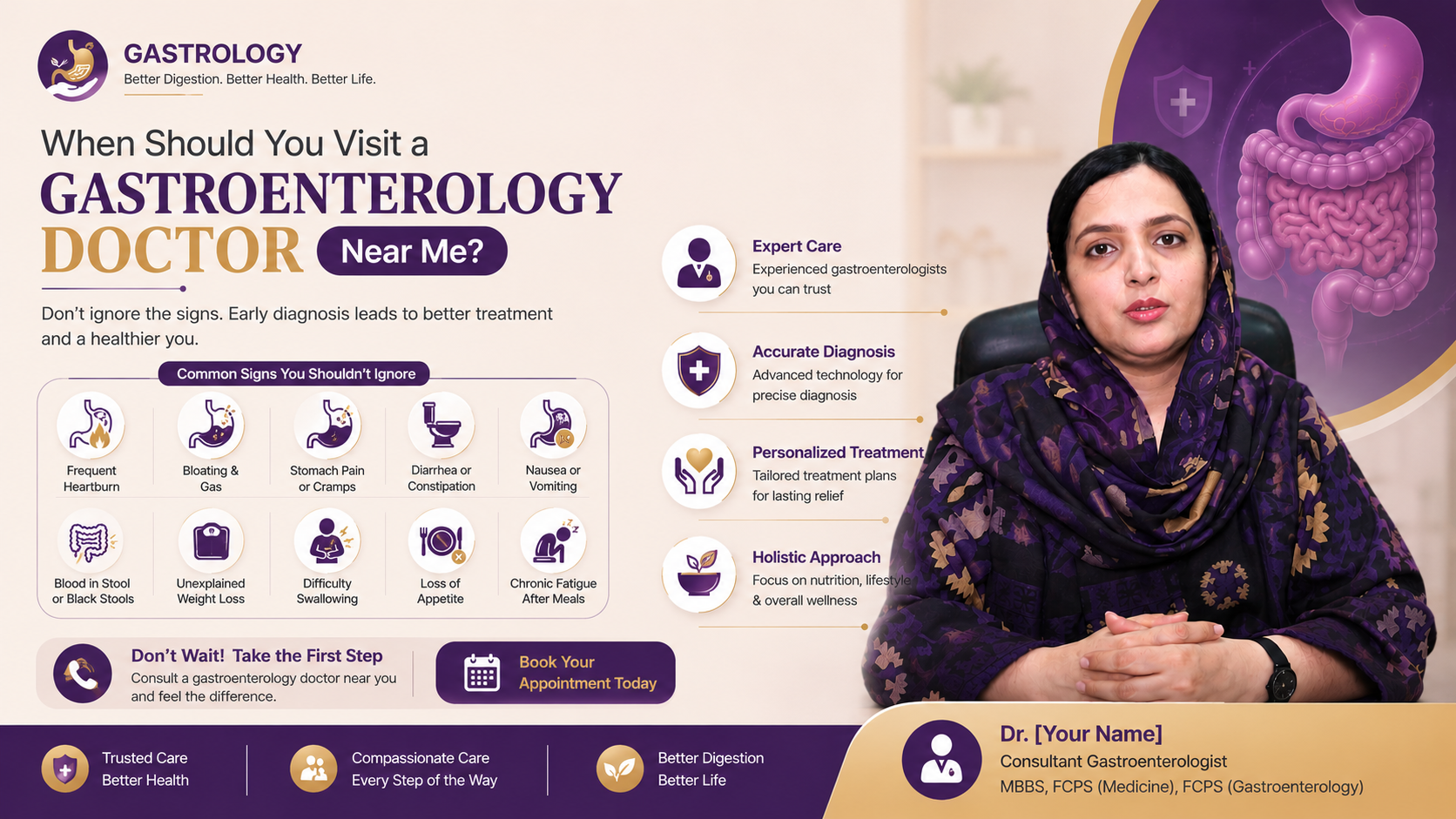
Many people search for a Gastroenterology Doctor Near Me when symptoms become difficult to manage.
However, visiting a specialist early can help prevent worsening conditions.
You should consider seeing a digestive specialist if you experience:
- Persistent stomach pain
- Difficulty swallowing
- Frequent heartburn
- Blood in stool
- Unexplained weight loss
- Long-lasting bloating
- Changes in bowel habits
- Continuous nausea or vomiting
- Yellowing of eyes or skin
- Severe abdominal discomfort
Occasional digestive discomfort is common, but repeated symptoms may indicate an underlying problem.
For example, frequent acidity may seem harmless, but untreated acid reflux can sometimes damage the esophagus over time.
A professional evaluation helps identify whether lifestyle changes, medication, or further testing are required.
How Can a Gastro Specialist Doctor Help With Digestive Problems?
A gastro specialist doctor focuses on finding the actual cause behind digestive symptoms rather than only treating discomfort temporarily.
The process usually includes:
Medical Evaluation
The doctor reviews your symptoms, medical history, diet habits, medications, and lifestyle factors.
Diagnostic Testing
Depending on symptoms, the specialist may recommend:
- Blood tests
- Stool tests
- Ultrasound
- CT scans
- Endoscopy
- Colonoscopy
Personalized Treatment Plan
Treatment depends on the condition and may include:
- Prescription medications
- Dietary changes
- Lifestyle improvements
- Medical procedures
- Long-term disease management
A professional digestive system specialist considers each patient’s unique health needs instead of applying the same treatment for everyone.
What Are the Most Common Treatments Offered by a Gastrology Doctor?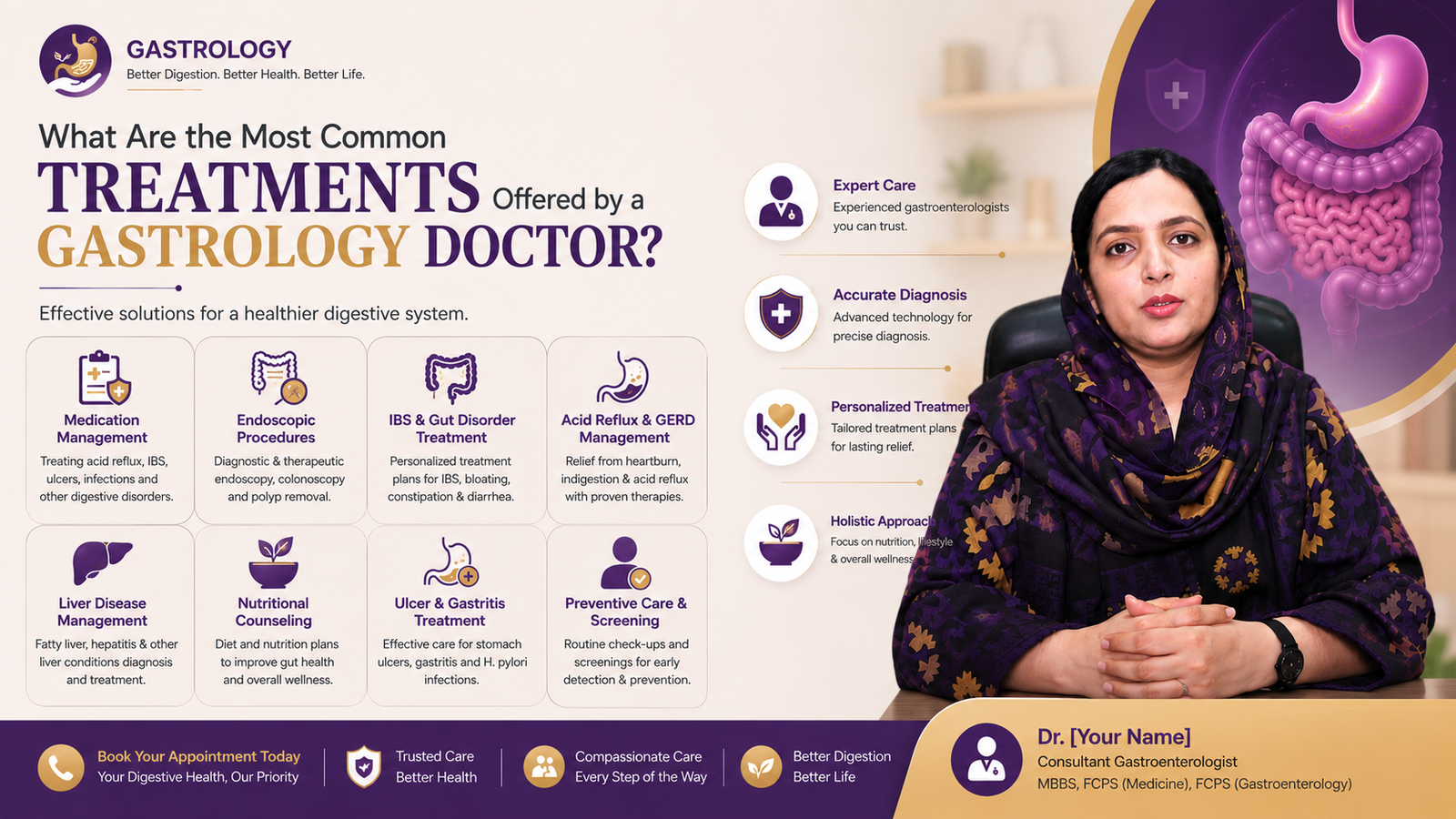
Treatment depends on the digestive condition, severity, and overall health of the patient.
Common treatment approaches include:
Medication Management
Doctors may prescribe medicines for:
- Acid control
- Infections
- Inflammation
- Constipation
- Digestive disorders
Dietary Guidance
Food choices strongly influence digestive health. Specialists often recommend:
- Increasing fiber intake
- Reducing trigger foods
- Maintaining hydration
- Avoiding excessive processed foods
Advanced Procedures
An Endoscopy and Colonoscopy Specialist performs procedures to examine the digestive tract and identify problems accurately.
Endoscopy helps doctors view the upper digestive system, including the esophagus and stomach.
Colonoscopy allows examination of the colon and helps detect issues such as polyps, inflammation, or other abnormalities.
These procedures support early detection and effective treatment.
What Is the Difference Between a Stomach Specialist Doctor and a General Physician?
Many people confuse general doctors with digestive specialists. Both play important roles, but their expertise differs.
General Physician | Stomach Specialist Doctor |
Treats common health problems | Focuses on digestive disorders |
Provides initial diagnosis | Performs specialized evaluation |
Handles routine illnesses | Manages complex stomach and intestinal conditions |
Refers patients when needed | Provides advanced digestive treatments |
A general doctor may help with mild stomach discomfort, but ongoing or complicated digestive problems often require a specialist.
How Do You Choose the Best Gastroenterology Doctor?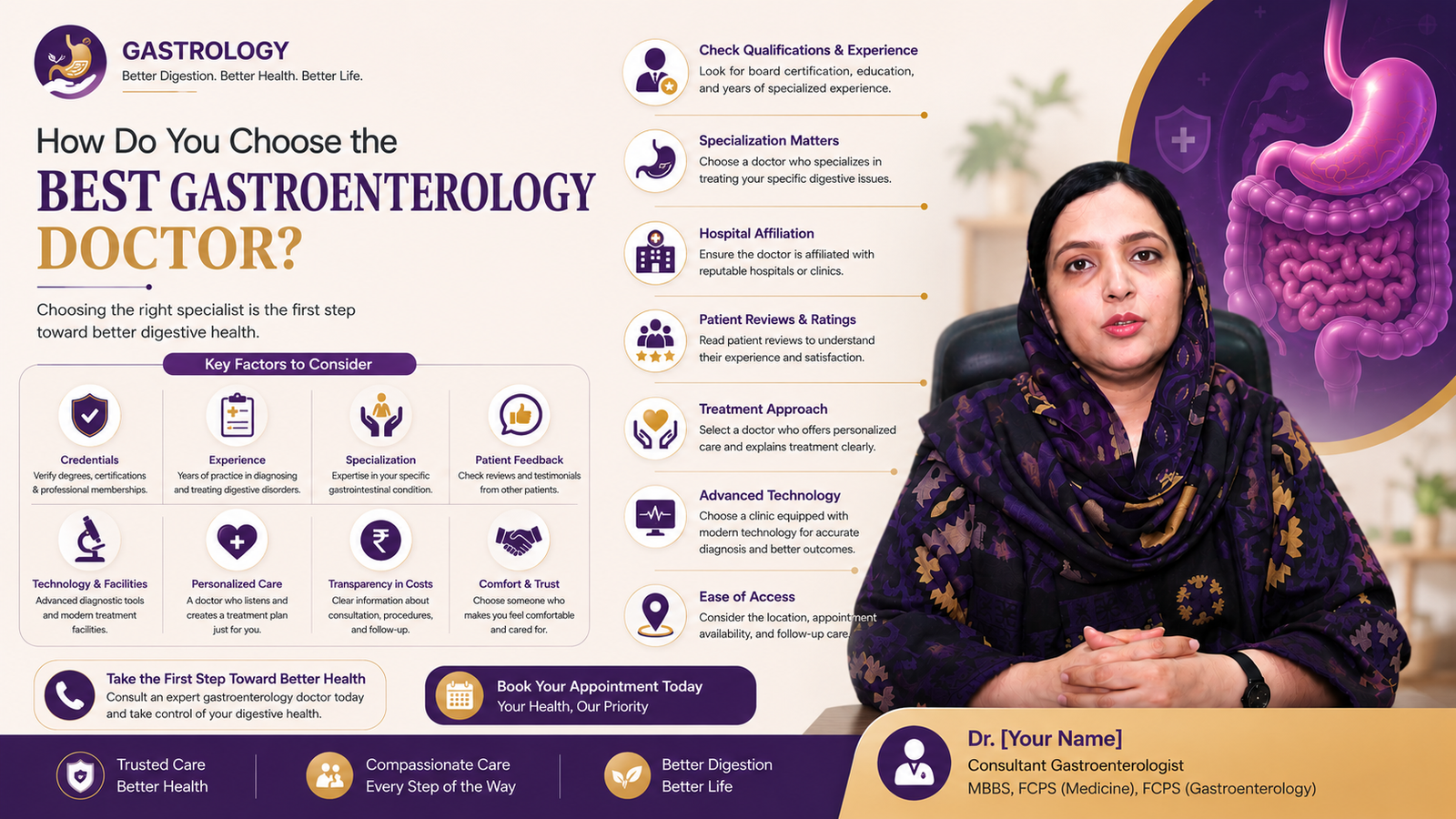
Selecting the Best Gastroenterology Doctor requires careful consideration.
A qualified specialist should have proper medical training, experience, and a patient-focused approach.
Consider these factors:
Medical Qualifications
Check the doctor’s education, certifications, and specialization in gastroenterology.
Experience With Your Condition
A specialist experienced in your specific issue can provide more targeted care.
Diagnostic Facilities
A good clinic should offer access to modern testing methods and safe procedures.
Communication Style
A trustworthy doctor explains your condition clearly and answers your concerns.
Patient Reviews and Reputation
Feedback from previous patients can provide insight into care quality and professionalism.
Choosing the right doctor creates confidence and improves the treatment experience.
Can a Gastroenterologist Treat Acid Reflux Permanently?
A gastroenterologist for acid reflux helps patients manage symptoms and address the causes behind recurring acidity.
Acid reflux occurs when stomach acid moves upward into the esophagus, causing:
- Burning sensation
- Chest discomfort
- Sour taste
- Throat irritation
Treatment may involve:
- Lifestyle modifications
- Medication
- Weight management
- Dietary adjustments
- Further investigation if symptoms continue
Patients often make the mistake of repeatedly using over-the-counter medicines without finding the underlying cause.
Professional evaluation provides safer long-term solutions.
What Lifestyle Changes Support Better Digestive Health?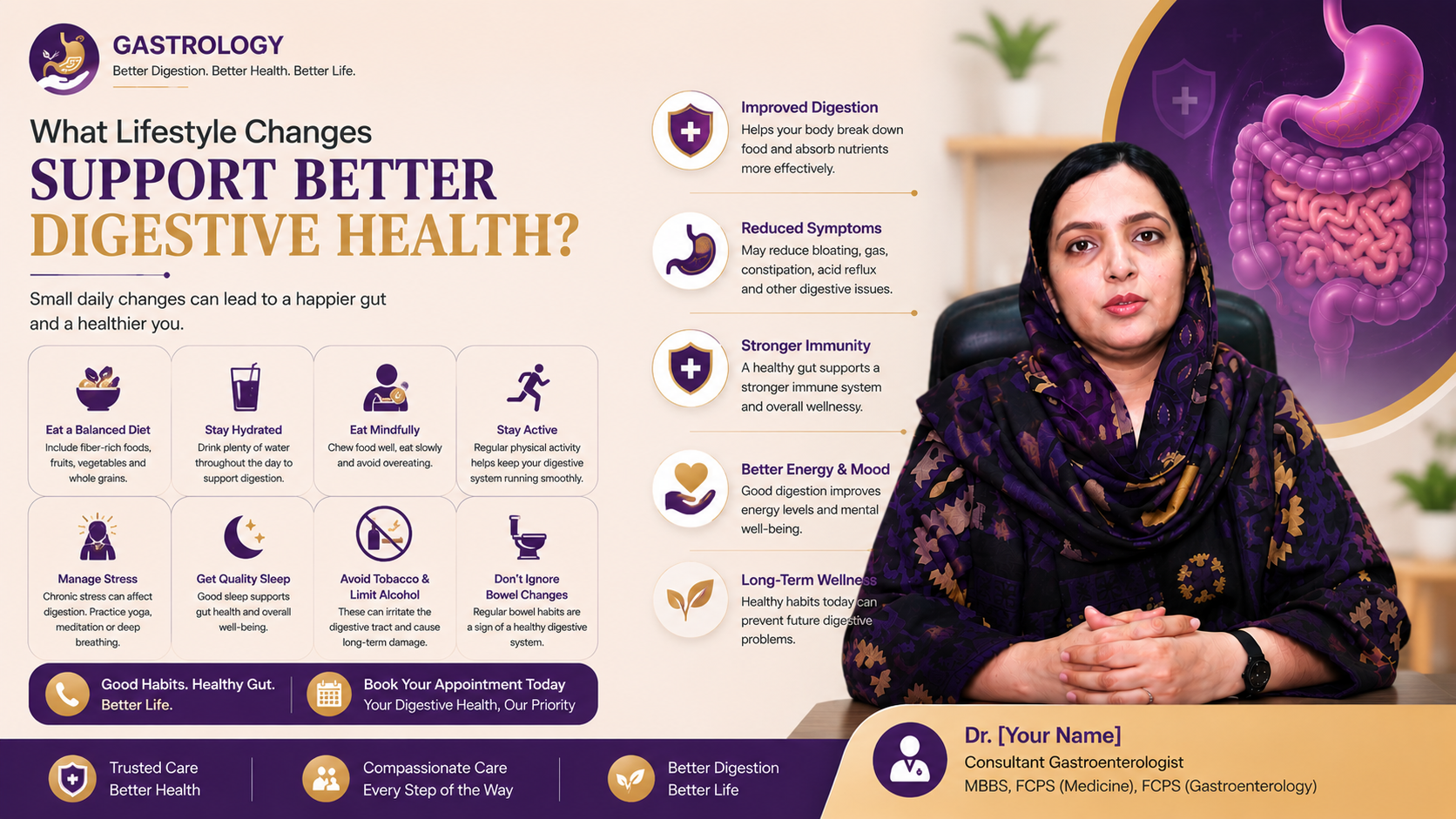
Medical treatment works best when combined with healthy daily habits.
Helpful digestive health practices include:
- Eating balanced meals
- Drinking enough water
- Exercising regularly
- Avoiding excessive alcohol consumption
- Managing stress
- Getting enough sleep
- Limiting foods that trigger symptoms
A healthy lifestyle supports the work of your digestive system and reduces the risk of many digestive disorders.
For example, someone with frequent bloating may benefit from tracking food triggers and improving eating habits along with medical advice.
Why Are Early Digestive Checkups Important?
Ignoring digestive symptoms can sometimes allow conditions to progress. Early consultation helps doctors identify problems before they become more serious.
Regular evaluation is especially important for people with:
- Family history of digestive diseases
- Long-term digestive symptoms
- Liver concerns
- Persistent abdominal issues
Organizations such as the American Gastroenterological Association promote awareness about digestive health, preventive care, and early diagnosis of gastrointestinal conditions.
Preventive healthcare helps people maintain better quality of life and reduces future health risks.
What Mistakes Should Patients Avoid Before Visiting a Digestive Specialist?
Many patients delay proper treatment because of common mistakes.
Avoid:
- Ignoring repeated symptoms
- Self-medicating for long periods
- Avoiding medical tests due to fear
- Not sharing complete health information
- Following random online remedies
Accurate diagnosis depends on honest communication between the patient and doctor.
Preparing your medical history, previous reports, and symptom details can help your appointment become more effective.
Frequently Asked Questions
What does a gastrology doctor specialize in?
A gastrology doctor specializes in diagnosing and treating diseases affecting the digestive system, including the stomach, intestines, liver, and pancreas.
When should I see a gastroenterologist?
You should consult a gastroenterologist if you have persistent stomach pain, ongoing acidity, bowel changes, unexplained weight loss, or digestive symptoms that do not improve.
Is endoscopy painful?
Endoscopy is generally a safe procedure. Doctors use techniques to minimize discomfort and ensure patient safety during the examination.
Can digestive problems be treated without surgery?
Yes, many digestive conditions improve through medication, lifestyle changes, diet management, and non-surgical procedures.
How do I find the right digestive specialist?
Look for a qualified specialist with experience, proper credentials, good communication skills, and access to modern diagnostic facilities.
Conclusion
Digestive health affects your energy, comfort, and overall quality of life. Choosing the right gastrology doctor can help identify digestive problems early and provide effective treatment options.
Whether you need help with acid reflux, stomach pain, liver concerns, or advanced digestive disorders, a qualified specialist can guide you toward better health.
Do not ignore ongoing digestive symptoms. A timely consultation with an experienced gastro specialist doctor can protect your digestive system and improve your long-term wellbeing.