

Digestive problems can affect your daily routine, energy levels, and overall well-being.
While occasional stomach discomfort is common, persistent symptoms may point to an underlying digestive condition that requires medical attention.
A stomach doctor can identify the cause of your symptoms, recommend the right tests, and create a treatment plan that helps restore your digestive health.
Many people ignore stomach pain, acid reflux, bloating, or changes in bowel habits until the symptoms become severe.
Early diagnosis often leads to better treatment outcomes and helps prevent complications.
Whether your symptoms are mild or ongoing, seeking expert medical advice at the right time can make a significant difference.
This guide explains who a stomach doctor is, the conditions they treat, when you should schedule an appointment, and what you can expect during diagnosis and treatment.
What Is a Stomach Doctor?
A stomach doctor is a medical professional who diagnoses, treats, and helps prevent diseases affecting the digestive system.
In most cases, this specialist is known as a Gastroenterologist or digestive system specialist.
These experts receive advanced training in conditions involving the stomach, intestines, esophagus, liver, pancreas, gallbladder, and digestive tract.
A stomach specialist doctor treats patients with both temporary digestive issues and long-term gastrointestinal diseases.
They work closely with primary care physicians to provide specialized care when digestive symptoms require further evaluation.
Rather than simply relieving symptoms, a gastro doctor aims to identify the underlying cause.
This approach leads to more effective treatment and reduces the risk of recurring digestive problems.
Why Digestive Health Matters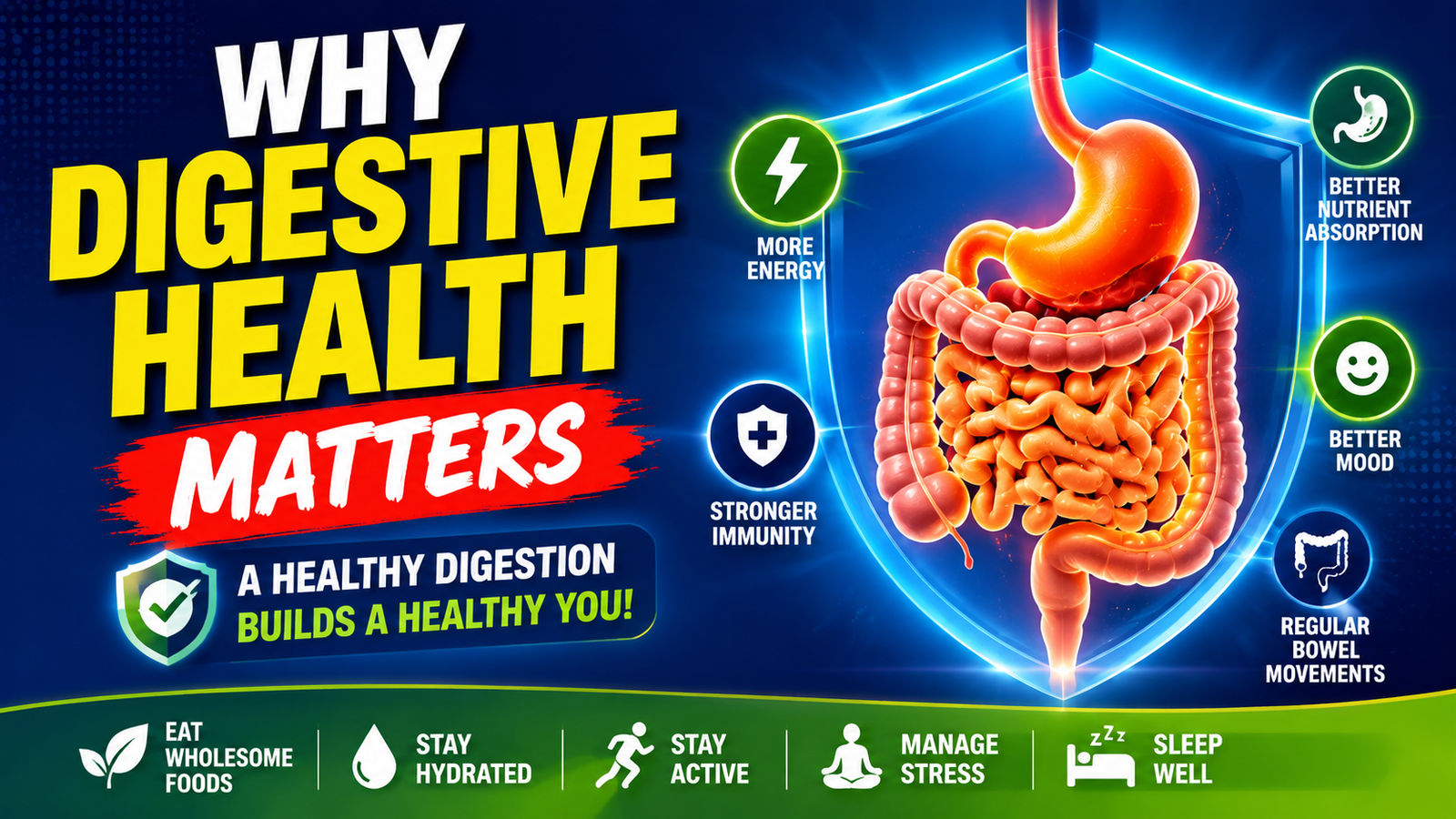
The digestive system plays an essential role in breaking down food, absorbing nutrients, supporting the immune system, and supplying energy to the body.
When it does not function properly, many aspects of your health can suffer.
Poor digestive health may contribute to nutritional deficiencies, fatigue, unwanted weight changes, dehydration, and reduced quality of life.
Chronic digestive diseases may also increase the risk of serious complications if left untreated.
Maintaining digestive health involves more than eating a balanced diet. Regular medical evaluations, healthy lifestyle habits, and timely treatment all contribute to long-term wellness.
Signs You Should Visit a Stomach Doctor
Many digestive symptoms disappear within a few days. However, persistent or recurring problems should never be ignored.
You should consider seeing an abdominal pain specialist if stomach discomfort lasts for several weeks or repeatedly returns without a clear explanation.
Other symptoms that may require evaluation include frequent heartburn, difficulty swallowing, chronic constipation, ongoing diarrhea, unexplained weight loss, persistent bloating, nausea, vomiting, or blood in the stool.
People with a family history of digestive disorders or colorectal cancer should also schedule regular digestive evaluations, even if they currently feel healthy.
Early diagnosis often allows simpler treatments and reduces the chance of complications.
Common Conditions Treated by a Stomach Doctor
A stomach specialist treats a wide range of digestive disorders affecting different parts of the gastrointestinal tract.
Some of the most common conditions include acid reflux disease, peptic ulcers, gastritis, irritable bowel syndrome, inflammatory bowel disease, celiac disease, gallstones, liver disease, pancreatitis, constipation, diarrhea, food intolerances, gastrointestinal infections, digestive bleeding, colon polyps, and digestive cancers.
An acid reflux doctor helps patients whose stomach acid frequently flows back into the esophagus, causing heartburn and chest discomfort.
If symptoms continue despite lifestyle changes, a GERD specialist may recommend advanced testing and treatment.
Patients experiencing abdominal discomfort related to bowel movements may benefit from seeing an IBS specialist, who can distinguish irritable bowel syndrome from more serious gastrointestinal diseases.
Individuals diagnosed with stomach ulcers often receive treatment from an ulcer treatment specialist, who focuses on eliminating infection, reducing acid production, and promoting healing.
Types of Digestive Specialists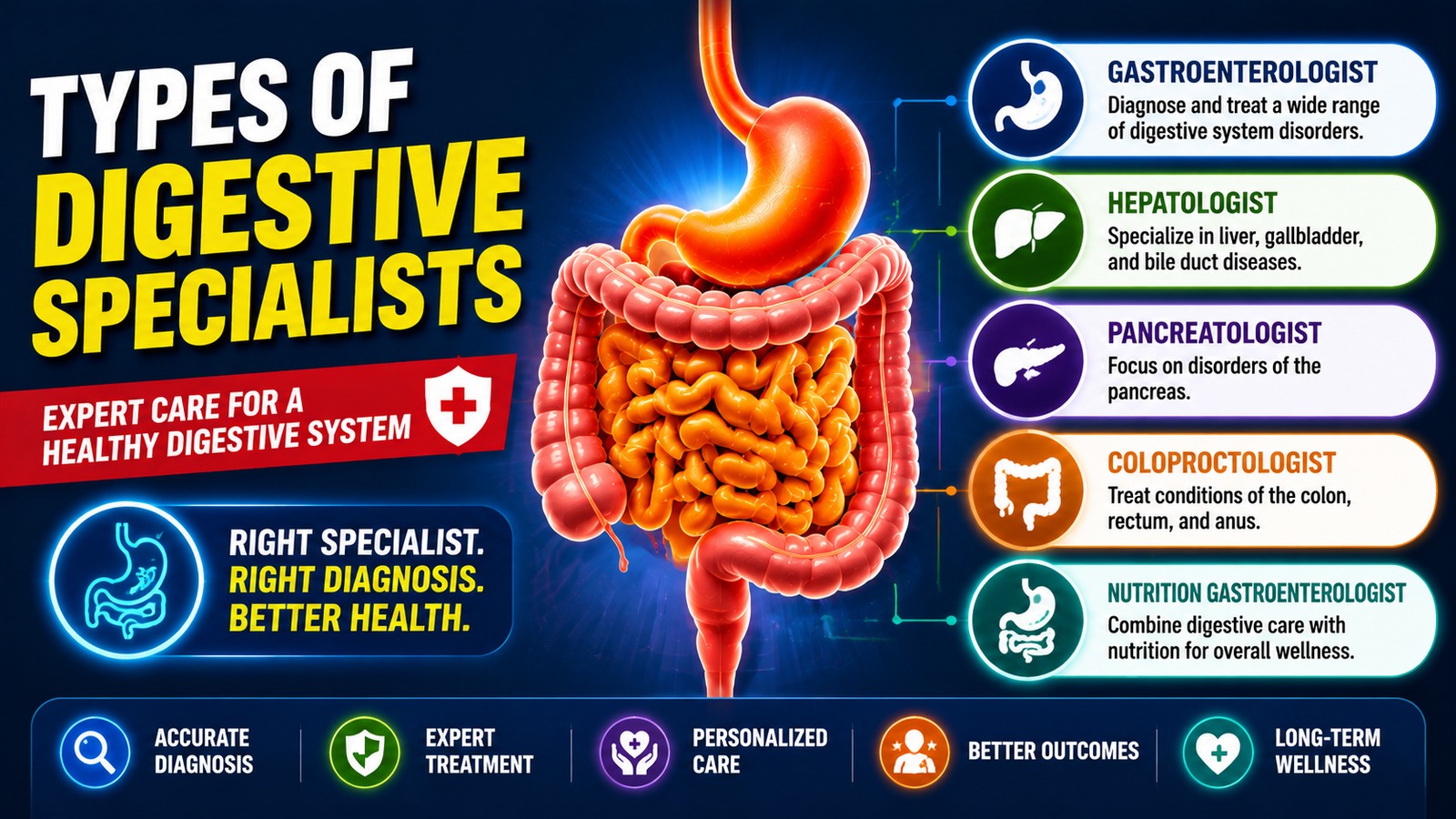
Although many digestive symptoms overlap, different specialists may become involved depending on the condition.
Specialist | Primary Focus | When You May Need One |
Gastroenterologist | Comprehensive digestive system disorders | Persistent digestive symptoms or complex gastrointestinal diseases |
Digestive System Specialist | Digestive tract evaluation and treatment | Long term digestive health management |
Stomach Specialist Doctor | Stomach-related conditions | Gastritis, ulcers, stomach pain, nausea |
Acid Reflux Doctor | Acid reflux and heartburn | Frequent GERD symptoms or swallowing problems |
Ulcer Treatment Specialist | Peptic ulcers and stomach lining disorders | Persistent stomach pain or ulcer diagnosis |
IBS Specialist Doctor | Irritable bowel syndrome | Ongoing abdominal pain with bowel habit changes |
Abdominal Pain Specialist | Investigation of unexplained abdominal pain | Chronic or severe abdominal discomfort |
The right specialist depends on your symptoms, medical history, and previous test results.
Your primary care physician may recommend referral to the most appropriate expert.
What Happens During Your First Visit?
Many patients feel nervous before seeing a digestive specialist, especially if they have never experienced gastrointestinal testing before.
Fortunately, most appointments begin with a detailed discussion rather than immediate procedures.
Your doctor will ask about your symptoms, medical history, family history, medications, dietary habits, and lifestyle.
They may also perform a physical examination focusing on your abdomen.
Depending on your symptoms, additional diagnostic tests may be recommended.
These tests help confirm the diagnosis and guide the most effective treatment plan.
How a Stomach Doctor Diagnoses Digestive Problems
Accurate diagnosis begins with careful evaluation rather than guessing the cause of symptoms.
Because many digestive diseases share similar signs, testing helps identify the exact problem.
A gastroenterologist may recommend blood tests to detect infection, inflammation, anemia, or nutritional deficiencies.
Stool analysis can identify infections, hidden blood, or digestive disorders affecting nutrient absorption.
Imaging studies such as ultrasound, CT scans, or MRI may help evaluate organs, including the liver, gallbladder, pancreas, and intestines.
In some cases, endoscopic procedures provide the clearest view of the digestive tract.
Upper endoscopy allows direct examination of the esophagus, stomach, and upper small intestine, while colonoscopy evaluates the large intestine for inflammation, polyps, or other abnormalities.
Treatment Options Recommended by a Stomach Doctor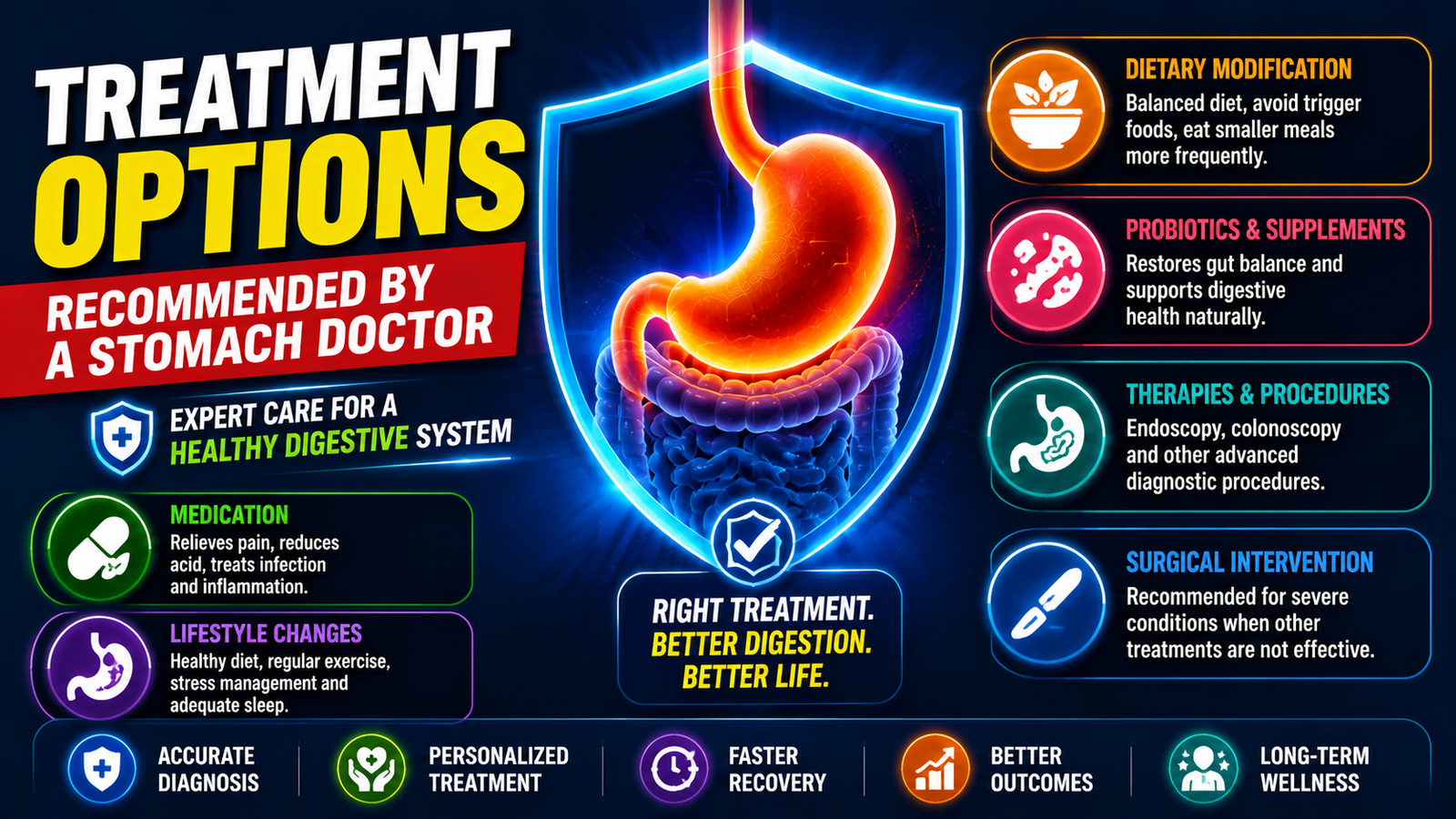
After identifying the cause of your digestive symptoms, a stomach doctor develops a treatment plan based on your condition, overall health, and medical history.
Treatment is not the same for every patient because digestive disorders vary widely in severity and cause.
Many mild conditions improve with lifestyle changes and medication, while more complex diseases may require advanced procedures or long term medical care.
The goal is to relieve symptoms, heal damaged tissues, prevent complications, and improve digestive function.
For example, a patient with acid reflux may benefit from medications that reduce stomach acid along with dietary adjustments.
Someone diagnosed with a stomach ulcer may require antibiotics if the ulcer is linked to Helicobacter pylori infection, combined with acid-reducing medicines to promote healing.
Patients with inflammatory bowel disease often need medications that reduce inflammation and regulate immune system activity.
Those experiencing gallstones, severe digestive bleeding, or certain cancers may require surgical intervention in collaboration with a surgeon.
Regular follow-up appointments allow the doctor to monitor progress and adjust treatment if symptoms change.
Lifestyle Changes That Support Digestive Health
Medical treatment works best when combined with healthy daily habits. Many digestive disorders improve significantly when patients make consistent lifestyle changes.
Eating balanced meals at regular times helps maintain healthy digestion. Choosing fruits, vegetables, whole grains, and lean proteins provides the nutrients your digestive system needs while supporting beneficial gut bacteria.
Drinking enough water throughout the day also promotes healthy digestion and reduces the risk of constipation.
Regular physical activity stimulates normal bowel movement and supports overall gastrointestinal function. Even moderate exercise, such as walking, can improve digestive health.
People who experience acid reflux should avoid lying down immediately after eating and may benefit from eating smaller meals more frequently.
Limiting highly processed foods, excessive alcohol, and tobacco use can further reduce irritation within the digestive tract.
Stress management is another important factor because emotional stress may worsen symptoms in patients with irritable bowel syndrome and other functional digestive disorders.
Benefits of Visiting a Stomach Doctor Early
- Early diagnosis before complications develop
- Accurate identification of the underlying digestive condition
- Personalized treatment plans based on medical evidence
- Better control of chronic digestive diseases
- Reduced risk of digestive bleeding and ulcers
- Improved nutritional health and energy levels
- Access to advanced diagnostic procedures
- Long term monitoring for recurring digestive disorders
Common Mistakes People Make Before Seeing a Specialist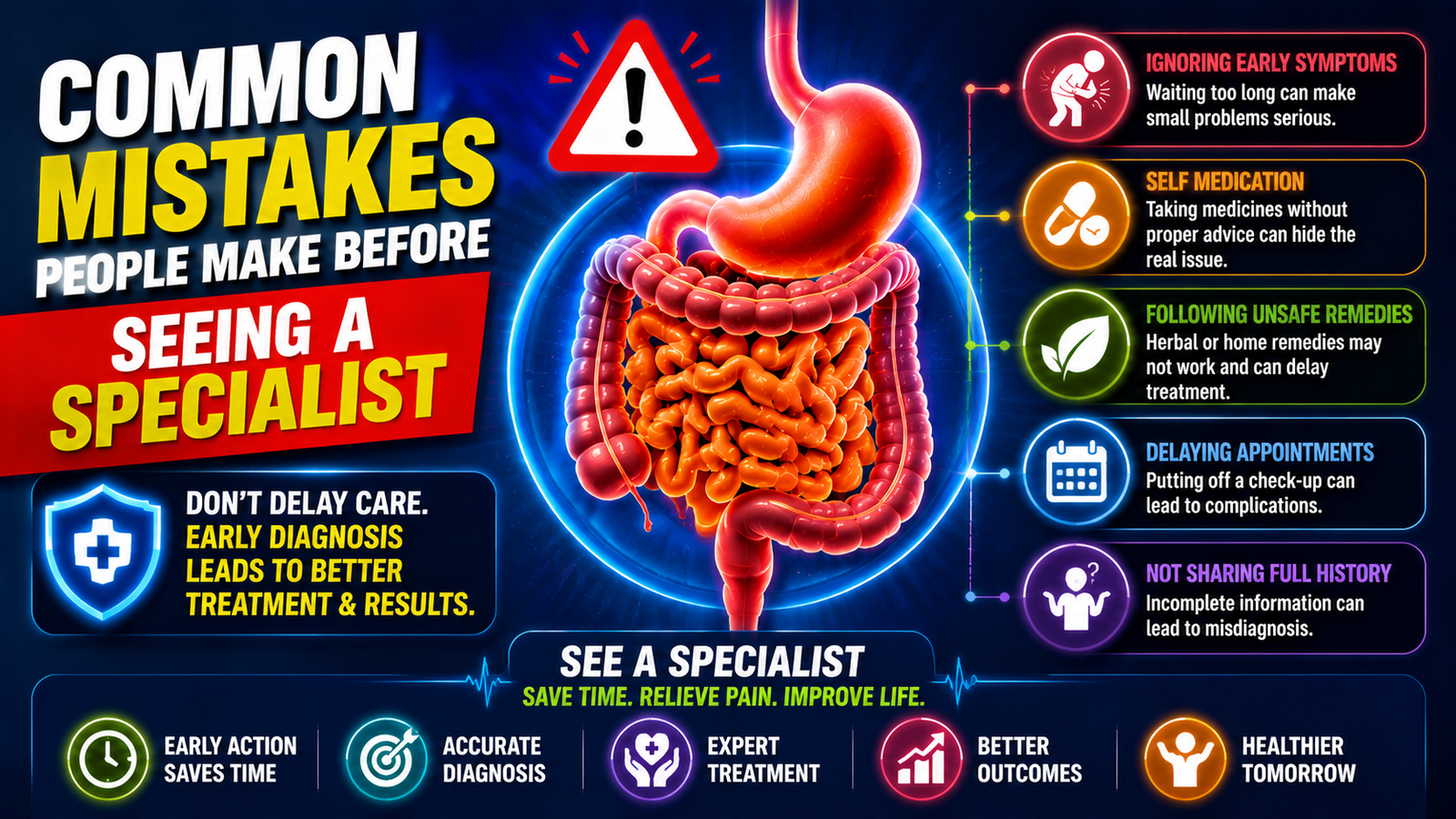
Many individuals unintentionally delay proper treatment by relying on home remedies or temporary symptom relief.
These habits may hide important warning signs and allow digestive diseases to progress.
Ignoring persistent stomach pain is one of the most common mistakes.
Pain that continues for weeks deserves professional evaluation rather than repeated self-treatment.
Another mistake involves taking over-the-counter medications for long periods without medical advice.
Although these medicines may temporarily reduce symptoms, they do not always treat the actual cause.
Some patients remove multiple foods from their diet without confirming food allergies or intolerances through proper testing.
This can lead to poor nutrition while failing to solve the digestive problem.
Waiting until symptoms become severe may also delay diagnosis of conditions that respond better when treated early.
Finally, skipping follow-up appointments after symptoms improve can increase the chance of recurrence because some digestive diseases require ongoing monitoring.
Expert Recommendations for Maintaining a Healthy Digestive System
- Eat a balanced diet rich in fiber, fruits, vegetables, and whole grains.
- Drink adequate water every day to support healthy digestion.
- Exercise regularly to promote normal bowel function.
- Limit foods that consistently trigger heartburn or stomach discomfort.
- Avoid smoking and excessive alcohol consumption.
- Take medications exactly as prescribed by your healthcare provider.
- Never ignore blood in the stool, persistent vomiting, or unexplained weight loss.
- Schedule regular medical checkups if you have chronic digestive diseases or a family history of gastrointestinal disorders.
Advanced Diagnostic Procedures Used by Gastroenterologists
Modern gastroenterology uses advanced diagnostic techniques that allow doctors to detect digestive diseases with greater accuracy than ever before.
Upper gastrointestinal endoscopy is one of the most common procedures.
A thin, flexible tube with a camera allows the physician to examine the lining of the esophagus, stomach, and upper small intestine. Tissue samples can also be collected if needed.
Colonoscopy remains the gold standard for evaluating the large intestine.
Besides identifying inflammation or tumors, it also allows the removal of precancerous polyps during the same procedure.
Capsule endoscopy offers another valuable option for examining areas of the small intestine that are difficult to reach with traditional endoscopes.
Patients swallow a tiny camera contained inside a capsule, which captures thousands of images as it travels through the digestive tract.
Breath tests may diagnose lactose intolerance or detect Helicobacter pylori infection.
Specialized laboratory tests can also evaluate pancreatic function, liver health, and nutrient absorption.
These technologies allow the digestive health doctor to detect disease earlier and recommend more targeted treatment.
Digestive Disorders That Require Immediate Medical Attention
Although many stomach conditions develop gradually, certain symptoms require urgent medical evaluation.
Severe abdominal pain that appears suddenly, especially when accompanied by fever or vomiting, should never be ignored.
Persistent vomiting that prevents fluid intake may lead to dehydration and electrolyte imbalance.
Black, tar colored stools or vomiting blood can indicate internal digestive bleeding.
Difficulty swallowing that becomes progressively worse may signal significant narrowing of the esophagus or another serious condition.
Rapid, unexplained weight loss combined with digestive symptoms should also be assessed promptly by a Gastroenterologist.
Recognizing these warning signs and seeking immediate medical care may prevent life-threatening complications.
Step-by-Step Guide to Preparing for Your Appointment
Preparing before your visit helps your stomach doctor diagnose your condition more efficiently and recommend the most appropriate treatment.
Start by writing down all of your symptoms, including when they began, how often they occur, and what seems to make them better or worse. Even symptoms that appear unrelated can provide valuable clues.
Next, prepare a complete list of medications, vitamins, and herbal supplements you currently take.
Some medicines can contribute to digestive problems or interact with treatment.
Keep a record of your eating habits for several days before your appointment. Note any foods that trigger stomach pain, bloating, heartburn, or changes in bowel habits.
This information helps your doctor identify possible food intolerances or digestive disorders.
Gather your previous medical records if you have undergone blood tests, endoscopy, colonoscopy, ultrasound, CT scans, or other digestive evaluations.
Having these reports available may prevent unnecessary repeat testing.
Finally, prepare a list of questions you would like to ask during your visit. This ensures you leave with a clear treatment plan and confidence about the next steps.
Practical Real World Examples
Imagine a person who experiences heartburn after almost every evening meal.
They initially rely on over-the-counter medications for several months, but the symptoms continue to worsen.
After visiting an acid reflux doctor, an upper endoscopy reveals gastroesophageal reflux disease.
With appropriate medication, dietary changes, and weight management, their symptoms improve significantly within a few weeks.
In another example, a patient develops frequent abdominal cramps, bloating, and alternating constipation and diarrhea.
Rather than assuming it is food poisoning, they consult an IBS specialist doctor.
After careful evaluation and diagnostic testing, the physician diagnoses irritable bowel syndrome and creates a personalized treatment plan that includes dietary modifications, stress management, and medication when needed.
The patient’s quality of life improves because the treatment addresses the actual cause instead of only relieving temporary discomfort.
These examples show why professional evaluation is often more effective than prolonged self-treatment.
When Prevention Is Better Than Treatment
Many digestive disorders can be prevented or detected early through healthy lifestyle choices and regular medical care.
Eating a balanced diet rich in natural fiber supports healthy bowel function and promotes beneficial gut bacteria.
Drinking enough water helps prevent constipation and supports normal digestion.
Regular exercise contributes to digestive health by improving intestinal movement and maintaining a healthy body weight.
Routine medical checkups become increasingly important for adults over the age of 45 or for individuals with a family history of digestive diseases, stomach ulcers, inflammatory bowel disease, or colorectal cancer.
Early screening can detect problems before symptoms become severe.
Avoiding unnecessary use of pain relievers without medical supervision can also reduce the risk of stomach irritation and ulcers.
Frequently Asked Questions
What does a stomach doctor treat?
A stomach doctor treats conditions affecting the digestive system, including acid reflux, gastritis, stomach ulcers, irritable bowel syndrome, inflammatory bowel disease, constipation, diarrhea, digestive bleeding, liver disorders, gallbladder disease, and pancreatic conditions.
When should I see a Gastroenterologist?
You should consult a Gastroenterologist if you experience persistent stomach pain, frequent heartburn, difficulty swallowing, ongoing diarrhea, chronic constipation, unexplained weight loss, blood in the stool, or digestive symptoms lasting longer than a few weeks.
Can a stomach doctor diagnose acid reflux?
Yes. An acid reflux doctor can diagnose gastroesophageal reflux disease using your medical history, physical examination, and tests such as upper endoscopy or pH monitoring when necessary.
What tests might a stomach doctor recommend?
Depending on your symptoms, your doctor may recommend blood tests, stool analysis, abdominal ultrasound, CT scan, MRI, upper endoscopy, colonoscopy, capsule endoscopy, or breath tests to identify digestive disorders accurately.
Do I need a referral to visit a stomach specialist doctor?
This depends on your healthcare system and insurance provider. Some patients can schedule appointments directly, while others may need a referral from their primary care physician.
Conclusion
Choosing the right stomach doctor is an important step toward protecting your digestive health.
Persistent stomach pain, acid reflux, bloating, changes in bowel habits, unexplained weight loss, or recurring digestive discomfort should never be ignored.
A qualified Gastroenterologist, digestive system specialist, or stomach specialist doctor can identify the underlying cause of your symptoms through careful evaluation and appropriate diagnostic testing.
Early diagnosis often leads to more effective treatment, fewer complications, and a better quality of life.
By paying attention to warning signs, maintaining healthy lifestyle habits, and seeking timely medical care, you can protect your digestive system and enjoy long-term digestive wellness.